

Introduction
Squid is an important fisheries commodity, both economically and ecologically. Squid are a key component of the marine food chain as feeders of crustaceans, fish, and other mollusks, and prey for higher-level predators such as fish, seabirds, and large mammals (Arkhipkin et al., 2015). Squid is economically important, as demonstrated by the rapid increase in global catches over the past few decades. Squid is widely favored by the public because it is high in protein and low in fat, and almost all parts of the body can be consumed (Torrinha et al., 2014). Squid is also one of Indonesia’s main fishery commodities, as evidenced by the production in 2023 reaching 234,681.15 tons, an increase of 22.41% compared to the previous year (MMAF, 2025a). In addition to meeting domestic needs, squid is also one of Indonesia’s fisheries export commodities to several countries, such as China, Vietnam, and Thailand (Latun et al., 2013).
The northern coastal waters of Central Java represent an important fishing ground with a high intensity of squid fishing activity. This region is part of Fisheries Management Area (FMA) 712 (Java Sea), which is recognized as one of the most productive squid fishing zones in Indonesia. According to production statistics reported by the Ministry of Marine Affairs and Fisheries (MMAF), FMA-712 recorded the highest squid landings nationwide in 2023, reaching 77,605.88 tons (MMAF, 2025b). These waters have the highest potential squid resources in Indonesia, estimated at 66,609 tons with a utilization rate of 0.9 (MMAF, 2022). This figure indicates that the exploitation of squid commodities in the Java Sea is in the fully exploited category. Tasikagung Nusantara Fishing Port in Rembang and Tegalsari Beach Fishing Port are the largest squid landing sites on the north coast of Central Java. Increased fishing activities can lead to a decrease in squid stocks, so sustainable management of squid commodities is needed.
Uroteuthis chinensis (mitre squid) is a species of squid from the Loliginidae family that is widely distributed in Indo-Pacific waters, including the South China Sea, to northern Australian waters (Roper, 1984). U.chinensis belongs to a group of neritic squid that live in coastal waters to the edge of the continental shelf at depths of about 15 to 170 m (Jereb & Roper, 2010). Tropical neritic squid such as U. chinensis have distinctive biological characteristics of short life span, rapid growth, and high natural mortality rate (Arkhipkin et al., 2015; Boyle & Rodhouse, 2005; Jin et al., 2019; Liu et al., 2024). These characteristics make squid different from other fishery resources such as demersal or large pelagic fish, requiring a more specific management approach (Boyle & Rodhouse, 2005). Squid research has been widely reported in various waters, including Indonesian waters, including the identification of deep-sea squid species in the Sulawesi Sea (Pratasik et al., 2022); the identification of Loliginidae squid species in the China Sea based on morphological and molecular characters (Jin et al., 2022); the kinship relationship of U. chinensis with other species (Jin et al., 2022); the kinship relationship of U. chinensis in western Kalimantan and northern Java waters (Zamroni et al., 2024); and the morphometrics and growth patterns of squid in northern and southern Java coastal waters (Ervinia et al., 2024).
Stock identification and characterization of squid resources are important to support sustainable fisheries management strategies. A widely used approach in stock identification is morphometric and meristic character analysis. Morphometric characters include body size and shape, such as mantle length and fin width, while meristic characters include the number of body structures, such as the number of teeth on the sucker ring (Jereb & Roper, 2010; Roper & Voss, 1983). These character differences can indicate the existence of different subpopulations or stocks due to environmental influences, habitat differences, or geographic isolation (Gong et al., 2018; Liu et al., 2019). Morphoregression is used to determine the relationship between mantle length and other morphometric characters. This study aims to analyze the morphometric characters, meristics, and morphoregression between morphometric characters of U. chinensis in the North Coast waters of Central Java as basic information to support sustainable management of squid resources.
Materials and Methods
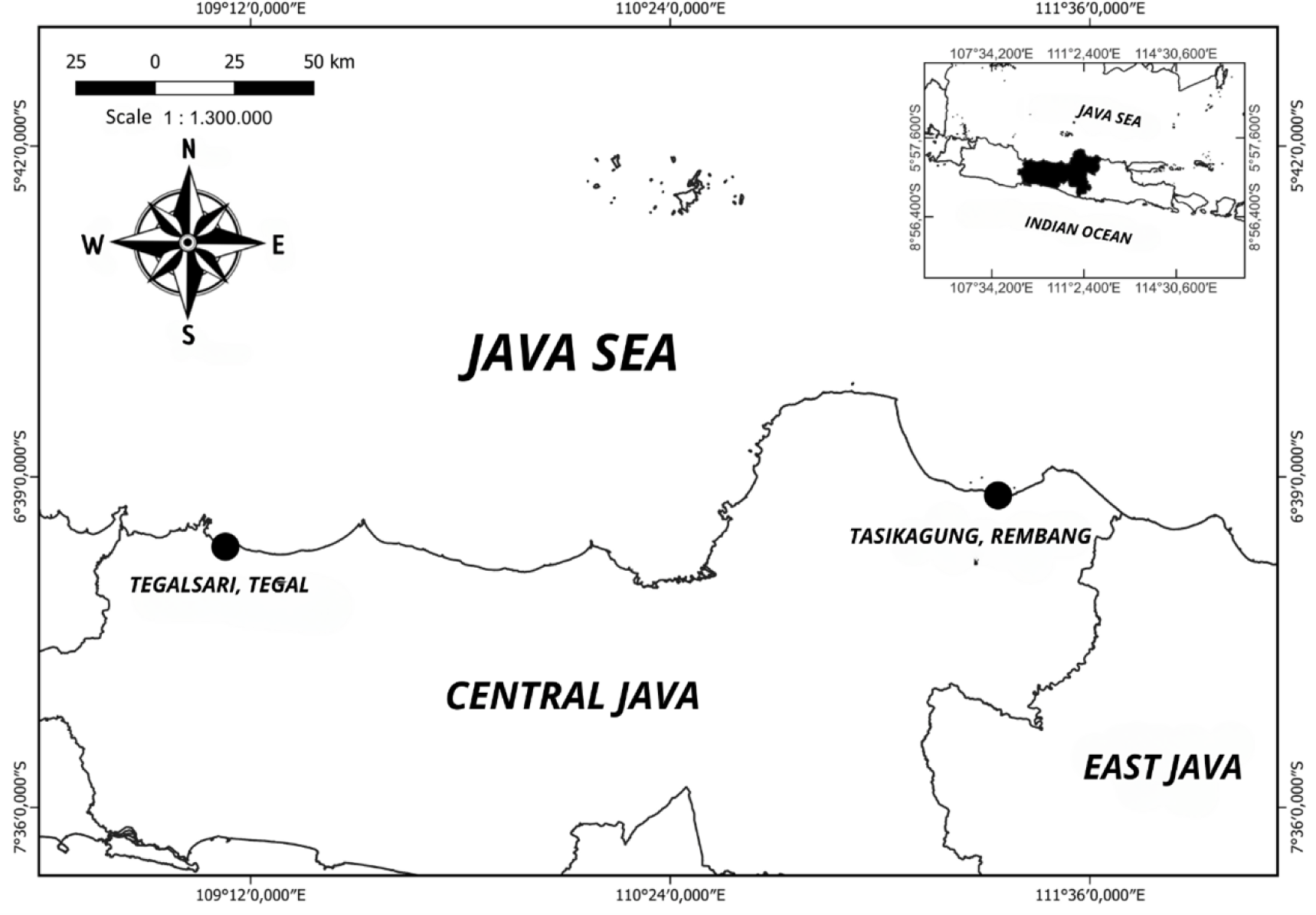
Sampling was conducted in November–December 2024, obtained from the catch of fishermen landed at Tasikagung Fishing Port, Rembang Regency, and Tegalsari Fishing Port, Tegal Regency (Fig. 1). The number of squid samples to be taken is 109 from Rembang and 115 from Tegal. The squid samples obtained were then transported using a cool box for the measurement of morphometric characters and the counting of meristic traits.
The determination of the morphometric characters of U. chinensis squid refers to Roper & Voss (1983), with modifications using 19 morphometric characters, including total length (TL), mantle length (ML), mantle width (MW), right fin length (RFL), left fin length (LFL), fin width (FW), head length (HL), head width (HW), eye diameter (ED), arm I–III length (I–III AL), right arm IV length (RAL IV), left arm IV length (LAL IV), tentacle length (TtL), tentacle club length (TCL), siphon length, siphon width, and sucker club diameter (SCD). The measurement of morphometric characters from digital sample images was conducted using ImageJ software (Bethesda, MA, USA; https://imagej.net/ij/). The meristic characters calculated in this study, as defined by Jereb & Roper (2010), namely the number of teeth on the main sucker ring in the tentacle club and the third arm.
The normality of each morphometric variable was tested using the Shapiro–Wilk test. Since several variables did not follow a normal distribution (p < 0.05), non-parametric analyses were applied. Differences in individual morphometric characters between the Rembang and Tegal populations were examined using the Mann–Whitney U test. Statistical comparisons were conducted under the null hypothesis that there were no significant morphometric differences between the two populations.
Correlations among morphometric characters were assessed using Spearman’s rank correlation coefficient (ρ) to evaluate proportional relationships between body dimensions. Spearman’s (ρ) calculated to determine the relationship between mantle length and other morphometric characters. Spearman’s ρ will indicate whether changes in mantle length (ML) are related to changes in other morphometric characters, without requiring the relationship to be linear (Hauke & Kossowski, 2011; Schober et al., 2018). The correlation strength was interpreted following Schober et al. (2018): no correlation (0), weak (0–0.3), moderate (0.3–0.7), and strong (0.7–1). In addition, the relationship between ML and other morphometric characters (TL, MW, RFL, LFL, FW, HL, HW, ED, I–III AL, IV LAL, IV RAL, TtL, TCL, FL, and funnel width [FuW]) was examined using simple linear regression to visualize the overall pattern of body proportionality.
Principal component analysis (PCA) was conducted to explore morphometric variation and identify the characters contributing most to population differentiation of U. chinensis between Rembang and Tegal (Kocovsky et al., 2009). Morphometric data were first standardized using z-scores to eliminate the influence of squid body size. PCA was performed using SPSS software version 26 (IBM, Armonk, NY, USA) and then visualized using OriginLab software (OriginLab, Northampton, MA, USA). The results of the PCA analysis are the principal components (PCs) explaining the highest variance, which were interpreted to determine which morphometric characters contributed most to overall variation.
Results
The morphological characteristics of U. chinensis captured in the waters of the North Coast of Central Java have an elongated and somewhat cylindrical body shape that tapers towards the posterior. The mantle is relatively long with a pointed posterior end. The fins of U. chinensis found are diamond-shaped and cover more than half the length of the mantle. Its body has eight short arms, with the first pair of arms shorter than the others. Each arm is equipped with two rows of small sucker rings. Besides the arms, it also has a pair of long tentacles with suckers at the tips (clubs). Its eyes are large and prominent on the sides of its head. U. chinensis has a transparent white body (when fresh) with reddish-brown chromatophore spots. On the ventral part of the head, there is a tubular organ connected to the mantle called the funnel (siphon). The morphology of U. chinensis in the waters of Rembang and Tegal Regency can be seen in Figs 2 and 3.
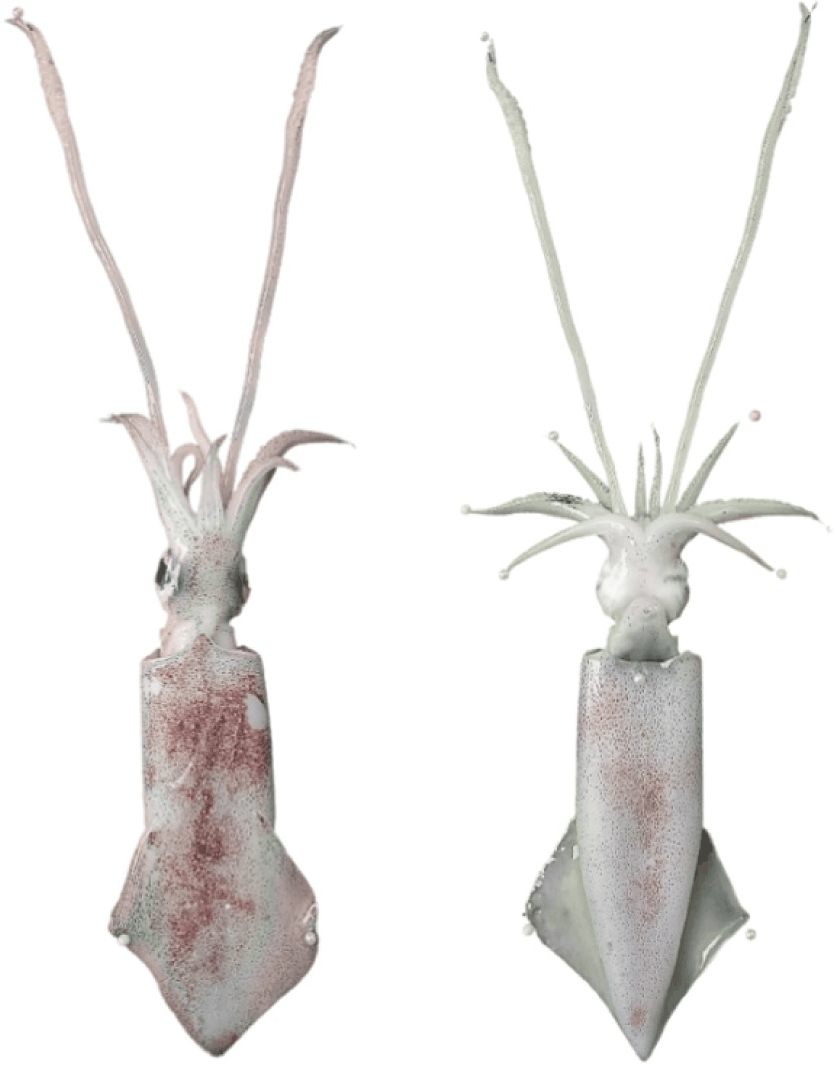
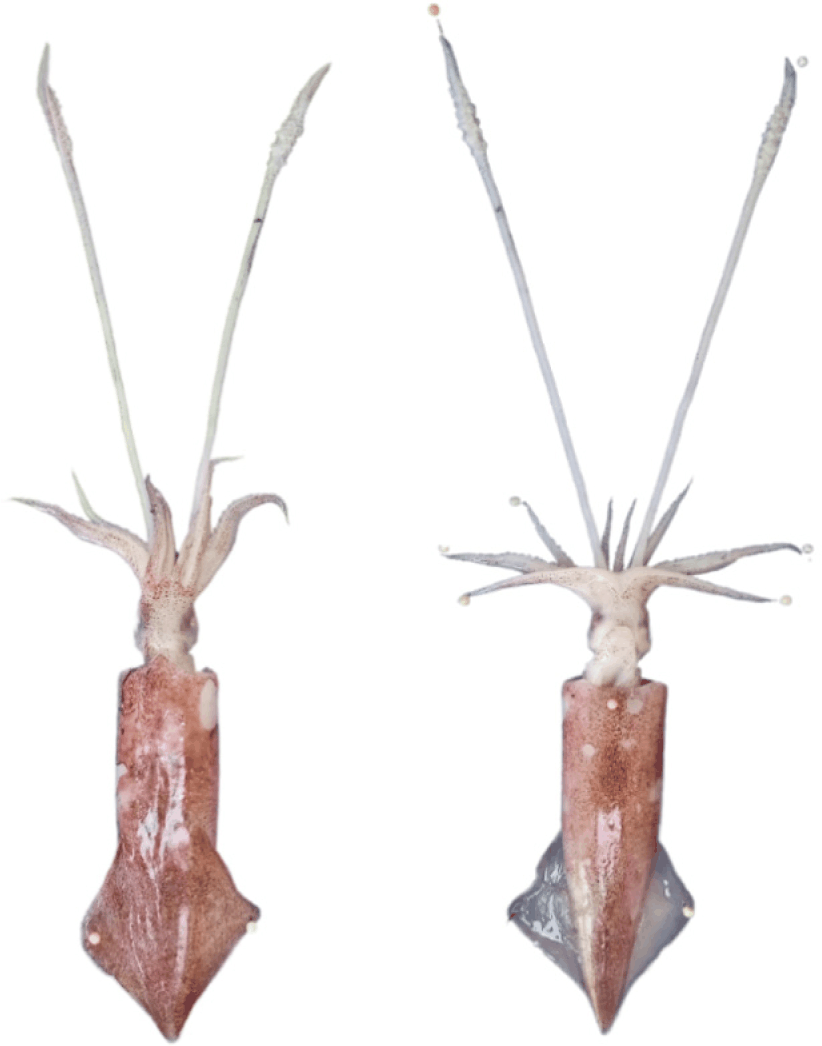
The measurement of the morphometric characters of U. chinensis was conducted using 19 characters. The results of the morphometric character measurements can be seen in Table 1, showing that the total length of U. chinensis Rembang captured ranged from 26.76 to 49.41 cm, with an average of 36.89 cm and a standard deviation of 4.71. Meanwhile, U. chinensis from Tegal has a length ranging from 37.12 to 51.52 cm, with an average of 44.54 cm and a standard deviation of 3.68. Generally, U. chinensis Tegal has a larger size range compared to U. chinensis Rembang.
ML, mantle length; MW, mantle width; RFL, Right fin length; LFL, left fin length; FW, fin width; HL, head length; HW, head width; ED, eye diameter; I–III AL, arm I–III length; IV LAL, left arm IV length; IV RAL, right arm IV length; TtL, tentacle length; TCL, tentacle club length; FL, fin length; FuW, funnel width; TL, total length; CSD, sucker club diamete.
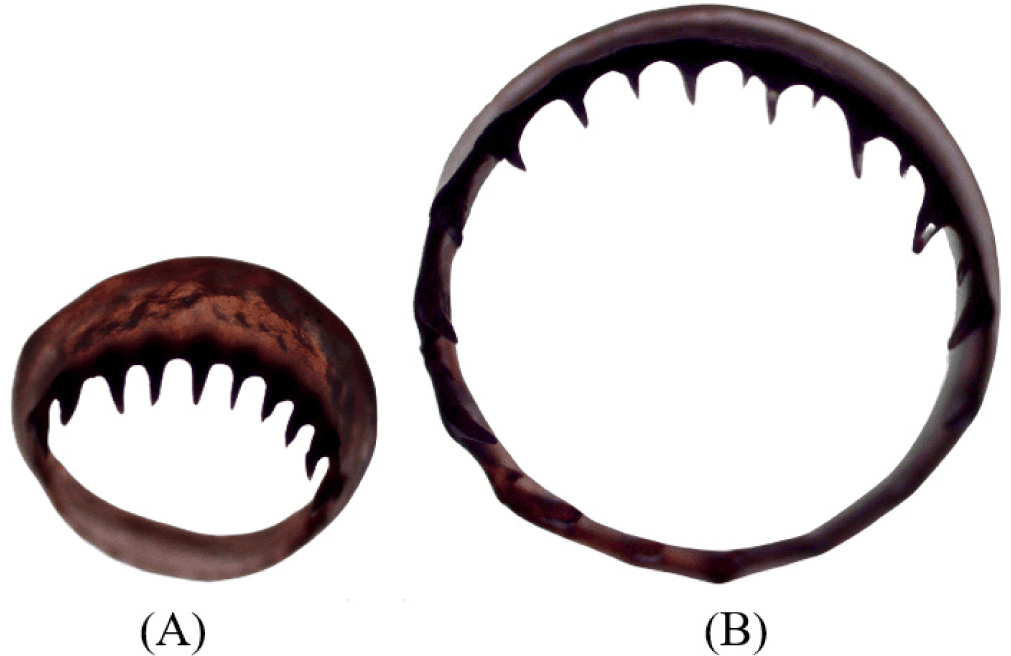
U. chinensis at both locations has meristic characters in the form of the number of sucker ring teeth on the tentacles (TNSTC) and the third arm (TNSA Ⅲ). Samples of U. chinensis from Rembang have 19–32 sucker ring teeth on the tentacles and 10–14 sucker ring teeth on the third arm. Meanwhile, the U. chinensis sample from Tegal has 21–32 sucker ring teeth on the tentacles and 10–16 sucker ring teeth on the third arm. The meristic character illustration of U. chinensis from the northern coast of Central Java can be seen in Fig. 4.
The Shapiro–Wilk test was conducted to examine the normality of each morphometric character of U. chinensis from Rembang and Tegal. The result showed that several morphometric characters did not follow a normal distribution (p < 0.05), particularly U. chinensis from Rembang. In the Rembang samples, approximately half of the morphometric variables showed significant deviations from normality (p < 0.05), including right and left fin length (RFL, LFL), FW, head length (HL), arm lengths (I–III AL, IV LAL), FL, and FuW. The remaining variables, such as mantle length (ML), mantle width (MW), head width (HW), eye diameter (ED), right arm IV length (RAL IV), tentacle length (TtL), tentacular club length (TCL), total length (TL), and club sucker diameter (CSD), exhibited normal distributions (p > 0.05).
The Mann–Whitney U test was performed to compare morphometric characters of U. chinensisbetween the Rembang and Tegal populations. Based on Table 1, the results revealed significant differences (p < 0.05) in most morphometric characters (ML, MW, RFL, LFL, FW, HL, ED, I–III AL, IV RAL-LAL, HcL, TtL, TCL, FL, TL) between the Rembang and Tegal populations. In contrast, HW, funnel width (FuW), and CSD showed no significant differences (p > 0.05). These findings indicate that the null hypothesis of no morphometric difference between populations was rejected for most characters, confirming that significant morphological variations exist between the two regions.
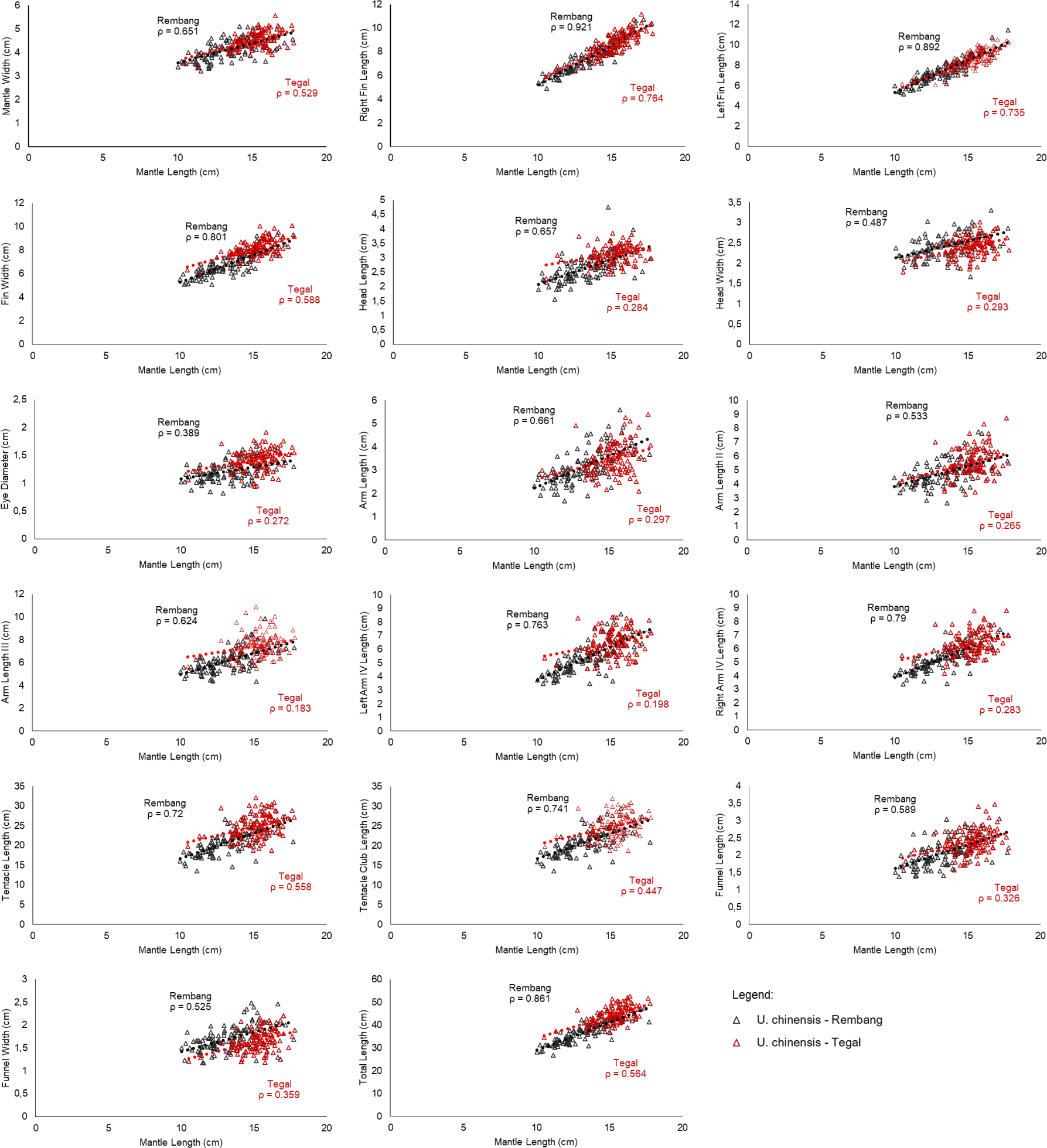
Table 2 shows the Spearman correlation coefficient (ρ) values between ML and various morphometric characters of U. chinensis from two locations, namely Rembang and Tegal. All pairs of morphometric characters at the two locations are positively correlated with mantle length. In the waters of Rembang, the morphometric characters that have a strong correlation with mantle length are RFL (ρ = 0.921), LFL (ρ = 0.892), TL (ρ = 0.861), FW (ρ = 0.801), Ⅳ RAL (ρ = 0.790), Ⅳ LAL (ρ = 0.763), TCL (ρ = 0.741), and TtL (ρ = 0.720). Meanwhile, other characters such as MW, HL, HW, ED, I–III AL, FL, and FuW show moderate correlation with values of ρ between 0.3 and 0.7. In the U. chinensis samples from Tegal waters, the characters with a strong correlation to mantle length are RFL (ρ = 0.764) and LFL (ρ = 0.735). The characters FW, TtL, TCL, FL, FuW, and TL show a moderate correlation (ρ = 0.3–0.7). Meanwhile, the characters HL, HW, ED, I–III AL, IV LAL, and IV RAL show a weak correlation with mantle length, with ρ values ranging from 0.183 to 0.297.
MW, mantle width; RFL, Right fin length; LFL, left fin length; FW, fin width; HL, head length; HW, head width; ED, eye diameter; I–III AL, arm I–III length; IV LAL, left arm IV length; IV RAL, right arm IV length; TtL, tentacle length; TCL, tentacle club length; FL, fin length; FuW, funnel width; TL, total length; CSD, sucker club diamete.
The regression graph of the relationship between mantle length and other morphometric characters can be seen in Fig. 6. In general, the graph shows a pattern of positive linear relationships between mantle length and morphometric characters in both populations in the waters of Rembang and Tegal Regency. Morphometric characters that are strongly correlated with mantle length tend to show a distribution of data points following a positive linear pattern, whereas morphometric characters with weak correlation show a more scattered distribution of data points and a less clear relationship pattern.
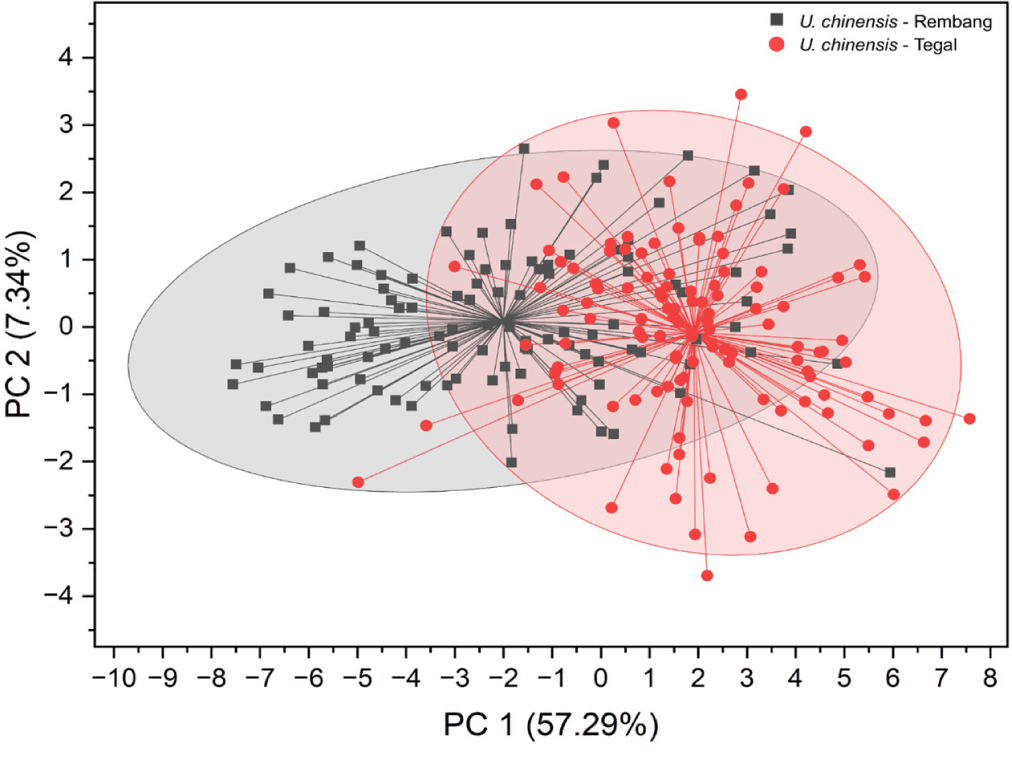
Data from the measurement of the morphometric characters of U. chinensis from the waters of the Northern Coast of Central Java were analyzed using PCA with SPSS software version 26. The results Uof the morphometric character analysis of U. chinensis from the waters of the North Coast of Central Java using PCA can be seen in Table 3. The data analysis conducted on 19 morphometric characters using PCA resulted in 3 main components, namely PC 1, 2, and 3, with values of 1.39%, 7.34%, and 64.63%, respectively. These three components form a cumulative variance value of 71.202%. The interpretation of the data from the three main components of the morphometric characteristics of U. chinensis in the waters of the Central North Coast of Java obtained several significant loading factor values and made a substantial contribution to distinguishing the body diversity of the squid. On PC 1, it shows the character of LFL, PC 2 shows the character of ML, and PC 3 shows the character of HW.
ML, mantle length; MW, mantle width; RFL, Right fin length; LFL, left fin length; FW, fin width; HL, head length; HW, head width; ED, eye diameter; I–III AL, arm I–III length; IV LAL, left arm IV length; IV RAL, right arm IV length; TtL, tentacle length; TCL, tentacle club length; FL, fin length; FuW, funnel width; TL, total length; CSD, sucker club diamete.
The scattergram interprets the correlation of the two PCs with the highest variance proportions, namely PC 1 (X-axis) and PC 2 (Y-axis). The scattergram (Fig. 5) shows that the scatter of U. chinensis from the waters of Rembang and Tegal tends to overlap. These results indicate a similarity in the morphometric characteristics found between the two U. chinensis populations.
Discussion
The morphological characteristics of U. chinensis found in the fish landings of Rembang and Tegal are similar to those of U. chinensis previously reported (Jereb & Roper, 2010). Its body is elongated, cylindrical in shape, and tapering towards the posterior, with rhomboid fins covering more than half the length of the mantle. These characteristics are distinctive of the genus Uroteuthis, which is also marked by the presence of short arms, long tentacles with club suckers, and prominent large eyes (Norman & Reid, 2000). The transparent body color with reddish-brown chromatophore spots is an adaptation to shallow pelagic habitats, allowing for camouflage and protection from predators (Arkhipkin et al., 2015).
According to Turan (1999), morphological characters have been widely used in fisheries biology studies to evaluate variations and relationships among different taxa, as well as to identify stock units within fish populations. Quantitative morphological identification is carried out based on morphometric and meristic characters. The meristic characters of the U. chinensis sample from Rembang are the sucker ring teeth on the tentacles, which number 19–32, and the sucker ring teeth on the third arm, which number 10–14. Meanwhile, the U. chinensis sample from Tegal has 21–32 sucker ring teeth on the tentacles and 10–16 sucker ring teeth on the third arm. The counting of the meristic characters of U. chinensis in the waters of the Northern Central Java Coast shows similarities with the report by Jereb & Roper (2010). In general, meristic characters are conservative or relatively stable because they are not significantly influenced by environmental factors and ontogenetic variation (Waldman, 2004).
Measurements of the morphometric characters of U. chinensis show variations in body size between populations in Rembang and Tegal. U. chinensis from Tegal tends to have a larger body size compared to those from Rembang. The mantle length of the Tegal samples ranged from 13.42 to 17.79 cm, while the squid from Rembang ranged from 10.03 to 17.72 cm. Research by Ervinia et al. (2024) in the waters of the North and South Java coasts shows that the mantle length of U. chinensis squid is 7.9–29.2 cm. Yunrong et al. (2013) reported that the mantle length of U. chinensis squid in the Beibu Gulf, South China Sea, is 4.9–43.8 cm. The mantle length of U. chinensis squid in the waters of Hainan, South China Sea, ranges from 10.8 to 19.9 cm (Jin et al., 2022), while in the waters of Bangka, Indonesia, the mantle length ranges from 7.8 to 37 cm (Oktariza et al., 2015). The difference in mantle length in these various waters is likely due to environmental variations, life strategies, or different population structures between locations (Sin et al., 2009; Wang et al., 2021).
The Shapiro–Wilk test revealed that several morphometric characters of U. chinensis were not normally distributed, particularly in samples from Rembang. The non-normal distribution pattern suggests greater morphological variability among individuals in this area, which could be related to differences in local environmental conditions along the northern coast of East Java. Similar results have been observed in other cephalopod studies, where variations in environmental stability between sampling locations contributed to uneven data dispersion (Chu et al., 2024; Gao et al., 2023). Since the assumption of normality was not met for all characters, non-parametric statistical analyses were applied for subsequent comparisons between populations.
The Mann–Whitney U test revealed significant differences (p < 0.05) in most morphometric characters between the Rembang and Tegal samples. These results indicate measurable morphological variation between populations, particularly in mantle, fin, and arm dimensions, whereas several head-related characters such as HW, FuW, and CSD did not differ significantly (p > 0.05). A similar pattern of morphometric divergence has been reported in other squid species, where non-parametric comparisons successfully identified inter-population differences associated with regional habitat variation (Ervinia et al., 2024). The significant differences found here therefore provide quantitative evidence of morphometric variability between Rembang and Tegal waters.
Significant differences in most characters also indicate that the U. chinensis population has high morphological flexibility. Squid is known for its strong phenotypic plasticity in response to environmental changes (Pecl & Jackson, 2008). Therefore, these results confirm that the morphometric variation detected through statistical analysis not only reflects differences in individual size but also the potential adaptability of the population to local environmental conditions.
Spearman correlation analysis shows that all morphometric characters have a positive relationship with ML. In U. chinensis in the waters of Rembang, morphometric characters such as RFL, LFL, TL, FW, IV RAL, IV LAL, TCL, and TtL show a strong correlation with mantle length (ρ > 0.7). The correlation values indicate that the growth of mantle length is proportional to the increase in other morphometric characters. This strong relationship is particularly evident in the body parts involved in locomotion, such as fins and arms, which grow proportionally to the mantle length (Hinkle et al., 2003). According to Jereb & Roper (2006), the fins of U. chinensis are longer than their width and become more prominent with growth. The length of the fins reaches 0.67 of the mantle length with a fin length index (FLI) of up to 65%–70%, while the width of the fins is about half of the mantle length with a fin width index (FWI) of up to 58%. This study shows that in U. chinensis, the growth of mantle length is related to the length and width of the fins. Meanwhile, the morphometric characters of ED and HW have a ρ < 0.5, indicating that both have a weak correlation with ML. This evidence indicates that the growth of the head is slower compared to the growth of the mantle and fins. The slower growth of the head region of U. chinensis compared to the mantle and fins is due to differences in biological functions and energy allocation priorities (Boyle & Rodhouse, 2005; Moltschaniwskyj, 1997). The mantle and fin play a significant role in movement and defense, requiring rapid growth, while the head has a sensory function that does not necessitate significant size changes during growth (Pecl & Moltschaniwskyj, 2006).
The results of the Spearman correlation analysis indicate that the U. chinensis population from Tegal has generally lower correlation values compared to the population from Rembang. The high Spearman correlation (ρ > 0.7) between fin length (RFL and LFL) and mantle length indicates a strong morphometric relationship between these body parts, particularly in terms of the proportionality of squid body size. The strong relationship between morphometric parameters indicates a functional and growth interdependence between ML and other morphometric characters (Liu et al., 2024). Meanwhile, characters such as HL, HW, ED, and arm length (I–IV AL) show very low correlation values (ρ < 0.3), indicating that these parts experience more independent variation from the mantle length. This is in line with the opinion of Vasconcelos et al. (2018), who state that morphometric characters showing weak correlation are usually influenced by environmental factors, adaptive activities, or non-linear ontogenetic variations. Differences in correlation values between populations can also reflect geographical variations that affect growth and body proportions. Therefore, the difference in Spearman correlation between the Tegal and Rembang populations may indicate the presence of morphometric differentiation due to local environmental influences or the potential existence of subpopulations.
Morphometric character analysis is used to determine variations in size and body shape in fish. The morphometric characters of U. chinensis in the waters of Rembang and Tegal were analyzed using the PCA method with SPSS version 26 software. The PCA analysis aims to reduce or simplify the original variables (19 morphometric characters) into derived variables in the form of PCs that can serve as distinguishing characters between U. chinensis populations (Groth et al., 2013). PCA analysis of U. chinensis in the waters of Rembang and Tegal produced 3 principal components with a cumulative variance value of 71.2%, which can explain the diversity of the 19 original variables. Three PCs have correlation coefficient values (loading factors) with 19 truss morphometric characters. According to Jolliffe (1973), a loading factor value is said to have a significant influence in distinguishing fish shape diversity if its value is > 0.7.
The highest loading factor values on each PC are the morphometric characters that contribute to showing the body shape variation of U. chinensis in the waters of Rembang and Tegal (Table 3). The character with the highest loading factor on PC 1 is the left fin length (LFL), while PC 2 is influenced by the ML and PC 3 by the HW. Muchlisin et al. (2014) reported that the fin, mantle, and head sections are morphometric characters that significantly influence the body shape variation of U. chinensis in the waters of Northern Aceh. Ervinia et al. (2024) also reported that the length of the mantle and fins are distinguishing morphometric characters between U. chinensis and other cephalopod species in the waters of the North and South Java coasts.
A scattergram (Fig. 6) was formed from PC 1 (fin length character) and PC 2 (ML). The populations of U. chinensis from Rembang and Tegal show scattergrams that tend to overlap, but there is a distance between the centers of the scatter plots of the two populations. This indicates that morphometrically, both populations tend to be homogeneous and have not yet shown significant morphometric segregation, which means they are likely still derived from the same biological stock (Kocovsky et al., 2009). The distance between the centers of the PCA scatter plot of the U. chinensis populations from Rembang and Tegal indicates that although both likely originate from the same stock, there is variation in morphometric characters among individuals. The presence of distinguishing morphometric characters in the fins, mantle, and head of U. chinensis may be due to differences in morphological responses to environmental conditions as a form of adaptation, especially in body structures that play a role in movement and self-protection, such as fins and mantle (Ervinia et al., 2024).
Conclusion
The present study investigated the morphometric, meristic, and the correlation of morphometric characteristics in U. chinensis collected from two major landing sites on the north coast of Central Java, Indonesia. The Shapiro–Wilk test revealed that several morphometric variables, particularly from the Rembang population, were not normally distributed, indicating higher morphological variability among individuals in this area. The Mann–Whitney U test further confirmed significant differences (p < 0.05) in most morphometric characters between Rembang and Tegal, particularly in mantle, fin, and arm dimensions. PCA showed that LFL, ML, and HW were the most influential characters in explaining morphometric variation. Although PCA scatterplots showed overlapping patterns between Rembang and Tegal populations, minor morphological differences were detected, especially in fin and mantle proportions. Morphometric correlation analysis indicated strong positive correlations between mantle length and several morphometric characters, particularly in the Rembang population, suggesting consistent proportional growth. In contrast, weaker correlations in the Tegal population may reflect local environmental influences or adaptive responses. These findings suggest that U. chinensis from both regions likely belong to the same biological stock with slight morphological variation. Combined morphometric and meristic analysis is useful for preliminary stock identification and can support sustainable squid fishery management in Indonesia. Overall, the results indicate that U. chinensis from Rembang and Tegal exhibit measurable morphological variation, primarily due to morphometric plasticity. The populations likely belong to the same biological stock, with morphometric character differences due to local adaptation to coastal environmental variability. Combined morphometric and meristic analyses proved useful for preliminary stock identification and can support the development of sustainable squid fishery management strategies.
This study focused on morphometric and meristic variations between populations. Other biological aspects, such as genetic differentiation or behavioral characteristics, were not examined here but are essential for a comprehensive understanding of population structure. Future research integrating genetic, ecological, and behavioral data is recommended to complement these morphological finding and provide a more robust basis for stock delineation in U. chinensis population.


