

Introduction
In 2024, an estimated 307 million Africans, 323 million Asians, and 34 million people in Latin America and the Caribbean were food insecure. By 2030, global hunger is projected to affect nearly 512 million people, with Africa accounting for about 60% (FAO et al., 2025). Sustainable, eco-friendly fisheries are increasingly recognized as vital for alleviating hunger (FAO, 2014). Aquatic foods obtained from capture fisheries are becoming more widely acknowledged for their crucial role in nutrition and food security, not only as a source of protein but also as a special and incredibly varied source of vital omega-3 fatty acids and bioavailable micronutrients (FAO, 2022). Their role, however, varies across countries depending on affordability, accessibility, availability, and cultural dietary traditions (FAO, 2014).
Food insecurity remains a global issue, particularly in developing countries like Ethiopia due to food shortages, climate change, rising prices of agricultural products, inadequate agricultural technology, scarcity of farmland, and income constraints (Gujo & Modiba, 2025). According to the report by Oxford Poverty and Human Development Initiative (2021), about 70% of Ethiopians live in multidimensional poverty, with low living standards and food insecurity. If fisheries are managed properly and remain economically sustainable, they can be a major and necessary source of food to help alleviate global food insecurity by delivering low-cost animal protein to human diets and maintaining the incomes of households and the employment opportunities (FAO, 2000). Considering this, Ethiopia is richly endowed with fishery resources, the problem of food security can be solved (Pal et al., 2025).
Ethiopia is blessed with many inland water bodies that are distributed across the country (Yalew et al., 2015). Such waters provide a habitat for a varied and rich ichthyofauna with a total of more than 200 fish species (Habteselassie, 2012). Even with an abundance of water bodies and fish diversity, Ethiopia’s fish production and marketing are still at a low level. Fisheries are predominantly traditional, small-scale, and non-mechanized, resulting in limited output (Meko et al., 2017). Fishing operations typically employ traditional traps, spears, gillnets, beach seines, hooks, and long lines (Alemayehu et al., 2018).
Ethiopian fish and fisheries faced multiple challenges, including overfishing, wetland degradation, dam construction for hydropower and irrigation, deforestation, urbanization, industrialization, illegal fishing practices like using narrow mesh size nets and poisonous plant seeds that cause toxicity to fish (Desalegn & Shitaw, 2021). In addition, limited community awareness of fisheries management, inadequate institutional, technical, and financial capacity, and low research and development capacity are among the major challenges facing fisheries (Mitike, 2015).
Fish consumption is influenced by multiple factors, including price, convenience, cooking skills, eating habits, accessibility, health concerns, sensory attributes, consumer knowledge, and socio-demographic characteristics (Brunsø et al., 2009). In Ethiopia, fish consumption varies across regions due to socio-economic background, dietary patterns, health status, and attitudes (Wake & Chalchisa Geleto, 2019). During Lent, many Orthodox Christians abstain from consuming fish (Janko, 2014; Wake & Chalchisa Geleto, 2019).
Several researchers have extensively investigated fisheries in various Ethiopian water bodies, for instance, Gendwuha, Guang, Shinfa and Ayima Rivers in Tekeze and Abbay Basins (Tewabe et al., 2010), floodplain Rivers in the Alitash National Park, northwestern Ethiopia (Eyayu, 2019), Omo River Delta and Ethiopian side of Lake Turkana (Getahun et al., 2020), Gilo and Duchi Rivers of the Baro-Akobo Basin (Kajela, 2019), Jemma and Wonchit Rivers (Asmare et al., 2016) and Ganale, Awata and Dawa and Gidabo and Galana Rivers from Guji and Borana zones of Oromia (Abelti et al, 2014). However, Menna River and its tributaries have not been studied so far. Consequently, the present study was intended to assess the status of small-scale fisheries in Menna River and its tributaries, Central Gondar, Ethiopia.
Materials and Methods
Field surveys were conducted between June 2024 and May 2025 in East and West Belesa Woredas within the Menna River and its tributaries, Amhara National Regional State (ANRS) (Fig. 1). The Menna River and its tributaries characterized by a tropical climate with peak rainfall from June to September (Enyew & Wassie, 2024). Three tributaries feed the watershed: Hota (west), Zana (southeast), and Chocha (northeast). These tributaries transport seasonal runoff during summer rains and shape the watershed’s hydrology and landscape of Menna River (Fig. 1). The river network runs through important settlements like Belesa, Arbaya, and Guhala and provides water for local livelihoods (Fig. 1). Land use is dominated by rangelands (63.5%), followed by croplands (32%), forests (0.8%), water bodies (0.1%), and bare land (0.02%) (Enyew & Wassie, 2024).
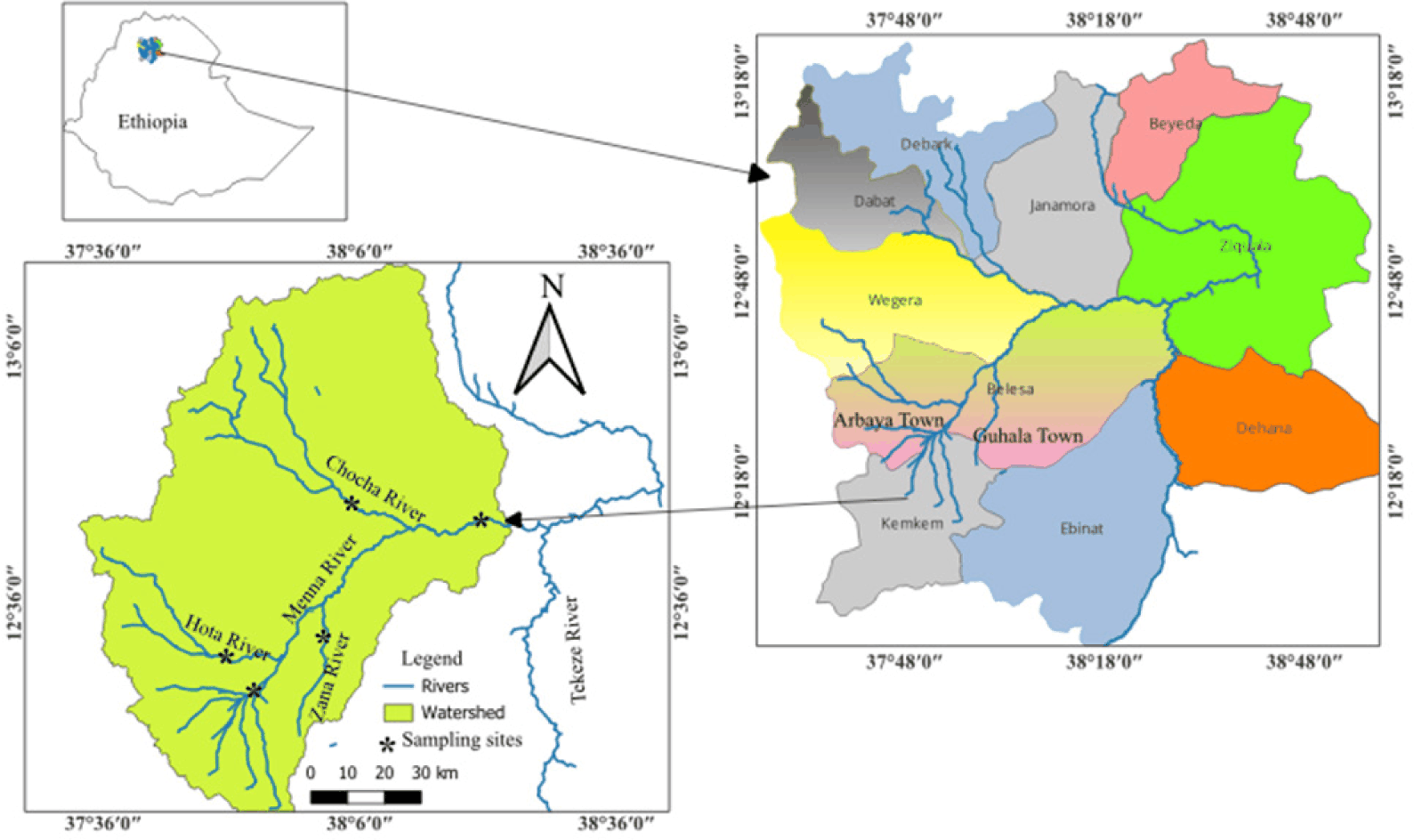
The number of 385 fishers whose interviews took place along the Menna River and its tributaries was determined based on large populations, random sampling, and proportion-based data formula (Cochran, 1963). Consequently, the sample size (N) was calculated while making an assumption of 50% probability (p = 0.5), 95% confidence level (Z = 1.96), and 5% margin of error (e = 0.05).
Then, the fishers at five different rivers were chosen through equal allocation, so the sample size needed for each river was 77 fishers/river (385 / 5 = 77). In addition, 30 key informants (6 per river) and 15 focus group discussions (FGDs; 3 per River) were purposively selected. Besides this, the method used in the study relied on the review of reports, field assessments, and consultations with Agriculture Officers of East and West Belesa Districts. Fish species recorded during the survey were identified based on taxonomic keys (Getahun, 2017; Habteselassie, 2012).
Primary data were collected using systematic observations, interviews, FGDs, and key informant interviews (KIIs), ensuring a rich dataset that enhanced validity.
KIIs (30–40 minutes) were conducted with local officials, fishery experts, and sector professionals residing in the study area. These interviews aimed to gather in-depth insights and perspectives on local fishery practices, challenges and opportunities, ensuring a comprehensive understanding of the role of fishers in their livelihoods. FGDs explored fishing activities, gear use, constraints, and fish marketing. Secondary data on fisheries production were obtained from published books, scholarly articles, and relevant literature.
Socio-economic information of the fishers was documented, encoded, and arranged systematically in the form of tables and figures. Descriptive statistics such as frequency and percentage were employed for data analysis using SPSS version 22 software (IBM, Armonk, NY, USA). Furthermore, qualitative information gathered through FGDs and KIIs was analyzed using themes, with results triangulated with the quantitative data for a better understanding of socio-economic information of fishers.
Results and Discussion
Socio-demographic characteristics including gender, age, marital status, and education are presented in Table 1. In this study, all interviewed fishers were males. Fishers explained that women were engaged in household activities and discouraged from fishing due to security concerns. The findings of this research agreed with those from floodplain Rivers in the Alatish national park (Eyayu, 2019), that all fishers are males. Perhaps, the male superiority over females in fishing was because of the hard and physically demanding nature of the work, cultural norms and the fact that fishing was done in remote areas, and the risks that were associated with it (Teame, 2017; Teame et al., 2016).
Results showed that 3.4% of fishers were under 15 years of age, 40.3% were 15–25 years, 38.2% were 26–46 years, 13.5% were 47–57 years, and 4.7% were over 57 years. In contrast, fishers in the present study are generally younger than those reported from the Tekeze Reservoir, where the dominant age group is 26–35 years (Teame et al., 2016). Tewabe & Asmare (2021) note that younger fishers predominate in fishing activities because it provides a vital source of income for rural youth who are unemployed and landless in remote areas.
In this survey, 45.5% of respondents were married, but 52.7% and 1.8% were single and widowed, respectively. In the Menna River and its tributaries, it seems that there was more involvement of young and unmarried communities in fishing. These survey results are different from those reported by Teame (2017) and Wake et al. (2022).
The educational status of the fishers in Menna River and its tributaries showed that 75.5% were illiterate and 25.1% of them have received formal education, including elementary (17.9%), secondary (3.1%), preparatory (1.6%), diploma (1.3%), and degree (1%). It is clear that fisheries education is critical for capacity building and for increasing fish production through optimized resource utilization, adoption of modern culture systems, application of advanced harvesting and post-harvesting technologies, improved marketing strategies, and enhancement of the socio-economic status of fishing communities (Solanki et al., 2017). Low literacy is a major barrier to the provision of training in fishing techniques, processing, handling, and fisheries management (Getahun et al., 2020). The educational status of fishers in the present study was lower than that reported in other Ethiopian water bodies, including Alitash floodplain Rivers (Eyayu, 2019), Tekeze Reservoir (Teame et al., 2016) and Ganale, Awata, Dawa, Gidabo and Galana Rivers (Abelti et al., 2014).
Of the fishers interviewed, 94.8% were farmers, 3.6% were students, and 1.3% were engaged in other occupations, in line with Teame et al. (2016). This also indicated that Ethiopia is undoubtedly an agrarian country, with over 80% of its people living in rural areas, making agriculture a major source of income (Duguma et al., 2012).
In this study, most fish caught in the Menna River and its tributaries were used for domestic consumption, with 63.6% of interviewed fishers reporting that they harvested fish mainly for household use as shown in Table 2. Fisheries contribute significantly to food security and livelihoods in various Ethiopian water bodies (Pal et al., 2025). For example, fishers in the Jemma and Wonchit Rivers use fish both for food and income generation (Asmare et al., 2016). In Lake Tana, fisheries provide employment opportunities for landless youth and support the livelihoods of fishers, traders, processors, and other community members (Amare et al., 2018). Similarly, in the Ilu Abba Bora Rivers, part-time fishers engage in subsistence fishing, primarily for family consumption and small-scale sales during the dry season (Tesso et al., 2017). Access, availability, and cultural preferences influence the contribution of fish to household food and nutrition security (Asmare et al., 2016).
As shown Table 2, 45.3% of fishers had 1–5 years of experience, 35.7% had 6–11 years, 14.8% had 12–17 years, and 1.2% had 18–23 years. The present findings are closely comparable to those reported by Wake et al. (2022) and Eyayu (2019), but contrast with the results of Getahun et al. (2020). Misganaw & Lemma (2022) observe that experienced fishers are more knowledgeable about fish abundance, practices, fishing hours, and seasons.
As shown Table 2, 92.7% of fishers were part-time, and 7.3% were occasional along the Menna River and its tributaries. Part-time fishers used locally made gear, such as hooks of various sizes, traps, and occasionally gillnets, to fish from a variety of Rivers in the Ilu Abba Bora zone, including Sor Gabba, Dabana, Didhessa, Ganji, Barokela, Kabar, and Gumero, for family consumption and small-scale sales during the dry season (Tesso et al., 2017).
According to this study, 58.7% of fishers fished 1–6 days per month, 40.3% 7–12 days per month, and 1% 13–18 days per month (Table 2). Fishing frequency in this study was lower than averages reported for Tekeze Reservoir (23 days/month) (Teame et al., 2016). Gebremedhin et al. (2013) report that daily fishing yields higher income than infrequent fishing. Monthly fishing frequency in Ethiopian Rivers is influenced by several important factors, mainly seasonal agricultural workloads, rainfall patterns, and regulatory breeding closures (Tewabe & Asmare, 2021).
According to the survey data, fishers consistently ranked February–May as the period of peak activity (68.6%), October–January as moderately active (30.4%), and June-August as the least active fishing period (1.0%) (Table 2). Fishers mentioned that fishing activity was highest during the dry season because fish can be more successfully targeted by their gear at fishing grounds due to clearer, lower water levels, and that it was lowest during the rainy season due to flooding, poor visibility, and intensive farming activities. Comparable seasonal patterns have been reported from Jemma and Wonchit Rivers (Asmare et al., 2016) and Ilu Abba Bora Rivers (Tesso et al., 2017). A point highlighted by key informants but not raised by fishers was that during long fasting periods of followers of the Orthodox religion (February to April), many fishers went to the shore for fishing, particularly those unable to afford high-priced cattle, sheep, goats, and chickens for slaughtering. During the Easter celebration, instead of purchasing those animals, they relied on fish as an economical alternative for their festival meals.
Fishing times varied: 27.8% fished in the afternoon, 31.7% overnight, and 40.5% in the morning (Table 2). The present findings are in agreement with those of Birhanu (2015). During group discussions, fishers said that when fish are most active due to cooler temperatures in the late afternoon, the fish can be easily caught with gears such as gillnets, hooks, and cast nets. Besides, a lot of fishers finish their morning household or farming work and then go to the water in the late afternoon, which is a more convenient and safer time for them.
Fishers fished in groups or alone at fishing sites. Accordingly, fishing alone allows a fisher to work independently, including carrying fishing gears, handling catches, and carrying out all fishing activities. However, fishing in groups allows for the sharing of equipment, coordinated work on fishing tasks, division of the catch, and skill exchange, making the activity more efficient, safe, and socially fulfilling. 25.7% of fishers fished alone, while 74.3% fished in groups (Table 3). Focus group discussions revealed that group fishing enables efficient capture in deep channels and turbulent waters through shared effort and equipment. These findings are comparable to those of Tewabe et al. (2010), who reported that most fishers in Shinfa River fish in group. In contrast, these findings differ from those of Tegegne (2020) and Gebremedhin et al. (2013), who reported that most fishers in Lake Tana fish alone. Gebremedhin et al. (2013) also note several advantages of group fishing compared to fishing alone. Advantages include recognition of fishing rights, training opportunities, shared gear and effort, access to credit and savings, and easier market entry.
Various fishing gears were used to collect the fish found in the Menna River and its tributaries. Findings obtained from a survey data showed that cast net was used most frequently (48.1%), followed by monofilament (14.8%), both cast net and monofilament (7.3%), mosquito net and hand net (22.3%) and hooks and lines (7.5%) for fish harvesting (Table 3 and Fig. 2). Fishers explained that cast nets are preferred because they are effective and easy to use in different situations. A key informant explained that fishers sometimes used Malathion and Birbira (Milletia ferruginea) as fishing gear for fishing activities at fishing sites. Additionally, they stated that West Belesa agricultural offices have made very little effort to prevent fishing grounds from being poisoned by destructive fishing techniques.
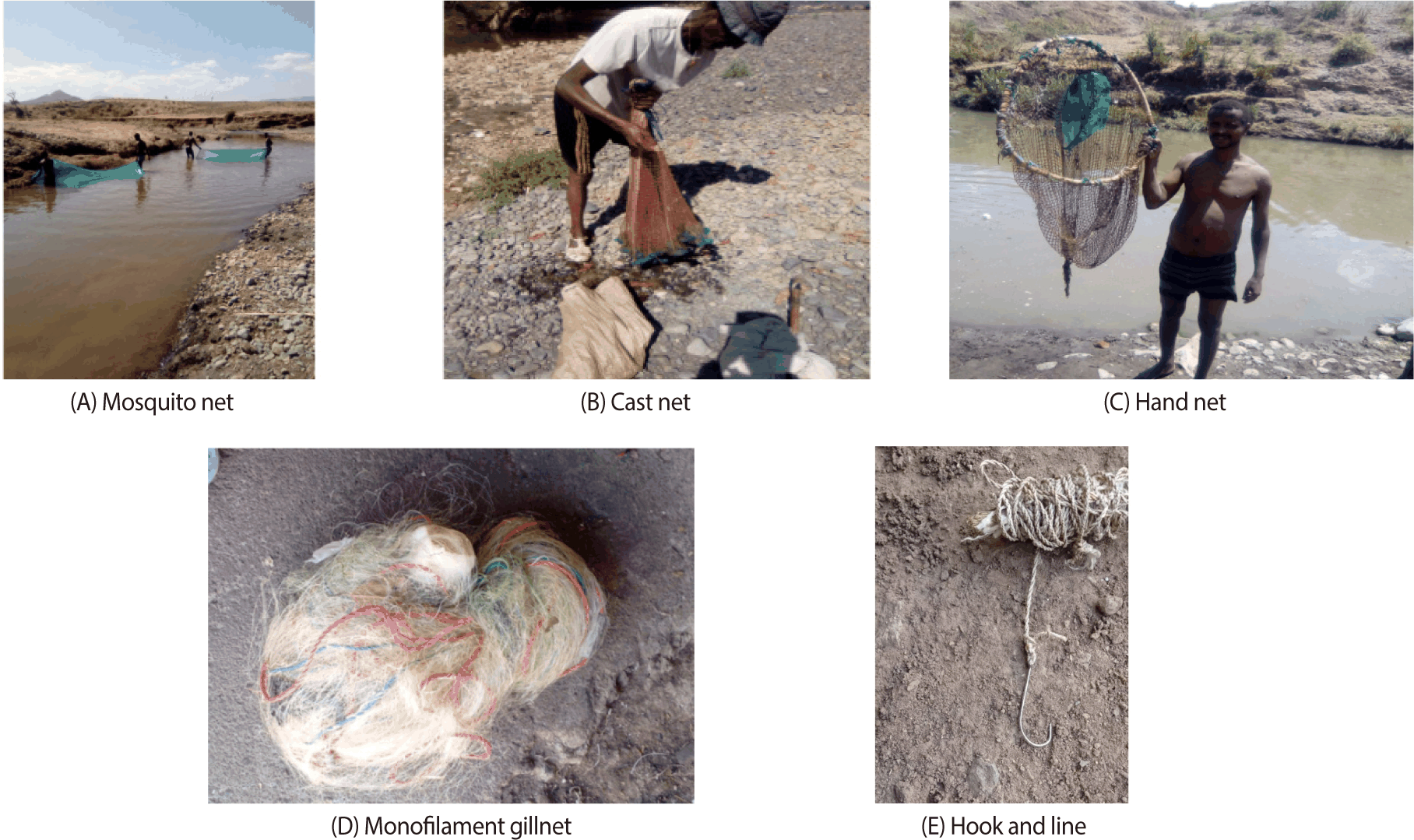
As reported in earlier studies, gillnets are commonly employed by fishers in Omo River Delta and Ethiopian side of Lake Turkana (Getahun et al., 2020), Tekeze Reservoir (Gebru, 2020), Lake Koka (Wake et al., 2022) and Chercher and Adale lakes in East and West Harerghe Zone (Alemayehu et al., 2018). Fishers in the Gilo and Duchi Rivers of the Baro-Akobo Basin use hook and line (Kajela, 2019), while in the Gumara River they use scoop nets and in the Ziway and Langano lakes and Koka Reservoir, they use beach seines (Abera, 2016). Some fishers use chemicals and ichthyotoxic plants as illegal fishing techniques in various Ethiopian water bodies, for instance, M. ferruginea, a plant poison, is used as fishing gear in Gendwuha, Guang, Shinfa and Ayima Rivers in Tekeze and Abbay Basins (Tewabe et al., 2010), Jemma and Wonchit Rivers (Asmare et al., 2016) and Ganji River from the Sale Nono District (Tesso et al., 2017). According to Eyayu (2019), fishing in the floodplain Rivers of Alitash National Park is conducted using plant pesticides and possibly hazardous synthetic chemicals. Malathion shows significant toxicity risks to non-target aquatic fauna, particularly fish (Anusiya Devi & Lekeshmanaswamy, 2018). The exposure of fish to Malathion alters total proteins, free amino acids, and glycogen in fish tissues, disrupting cellular function and potentially causing mortality with chronic exposure (Bharti & Rasool, 2021; Verma et al., 2024; Yadav, 2018). Karunamoorthi et al. (2009) studied that seed extracts of Birbira contains a highly toxic material that are highly toxic to fish and other beneficial aquatic organisms, potentially disrupting the ecosystem and food chain. The toxic effects of this poisonous plant on Barbus spp. were reported from the Gumara River by Ameha (2004).
Focus group participants noted that fishers acquire gear by purchasing, constructing from local materials, or renting from others. Comparable findings have been reported, Guang, Shinfa and Ayima Rivers in Tekeze and Abbay Basins (Tewabe et al., 2010), Lower Omo River and Lake Turkana (Wakjira, 2016) and Tekeze Reservoir (Teame et al., 2016), where fishers also rely on purchasing, constructing, or renting gears.
Survey findings showed that, from a total of 385 fishers, 33%, 53.8%, 7.3%, and 6.0% fishers collected < 30, 30–40, 41–51, and > 51 fish/day, respectively (Table 3). The highest percentage of fishers who harvested a large number of fish per day in this study exceeded the average number of fish species harvested by fishers per day from Ganale, Awata, Dawa, Gidabo and Galana Rivers in Guji and Borana zones of Oromia (Abelti et al., 2014).
According to survey data, 34.0% of fishers caught 1–2 kg of fish per day, 58.4% caught 3–4 kg, and 7.5% caught more than 4 kg (Table 3). In this study, most fishers who harvested total fish catch per day were lower than Tekeze Reservoir (Teame et al., 2016).
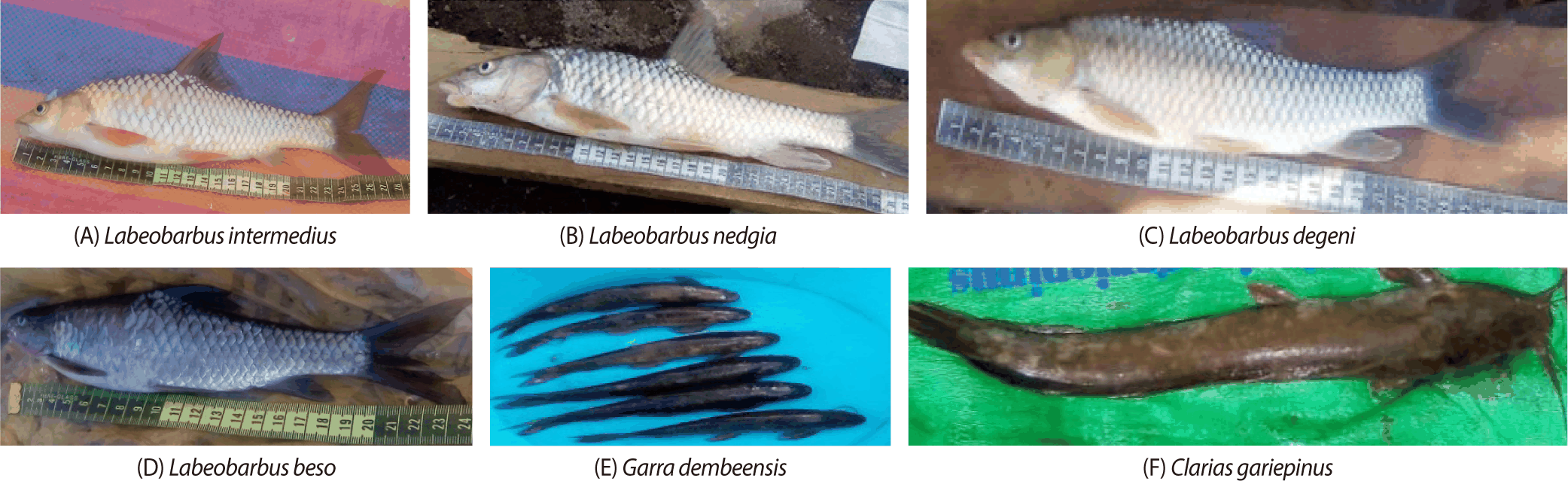
The main fish species consumed by the community were Labeobarbus degeni, Labeobarbus nedgia, Labeobarbus beso, and Labeobarbus intermedius, according to data from monthly fish catch assessments and interviews with fishers at Menna River and its tributaries (Table 4). Information from fishers’ interviews have revealed that local consumers had equal preference for L. degeni, L. nedgia, L. beso, and L. intermedius, but avoided eating Garra dembeensis and Clarias gariepinus because of their cultural belief (Fig. 3). According to Eyayu (2019), fishers in the Floodplain Rivers of Alitash National Park classified fish species based on consumer preferences. He identified Bagrus bajad, Bagrus docmak, Labeo niloticus, Hydrocynus spp., and Labeobarbus spp. as suitable for local markets. Species such as C. gariepinus, Bagrus spp., large Labeobarbus spp. specimens, and Heterotis niloticus were preferred for export. Malapterurus minjiriya and Malapterurus electricus were utilized for traditional healing practices, while consuming Synodontis spp. was believed to alleviate hypertension.
Among interviewed fishers, 90.4% practiced gutting, 3.6% filleting, and 6.0% both (Table 5). Fishers reported that scaling, gutting, and cutting fish into sections were performed using sharp tools such as knives (Fig. 4). Larger fish were cut along the mid-ventral line, opened, and hung by the operculum in a dry place. According to the FGDs, women contributed to the Menna River system’s fisheries by properly salting, storing harvested fish in dry locations, and preparing it for domestic use. Similar to other fish landing sites (Alemayehu et al., 2018; Tegegne, 2020; Wakjira, 2016), fish from Menna River and its tributaries are processed using traditional and low-hygiene methods resulting in lower yields, reduced quality, and increased risks to consumer health from pathogenic contamination (Bedane et al., 2022; Burgess, 1965). Due to its chemical composition, fish is highly perishable, with flavor and texture deteriorating rapidly after harvest without proper preservation (Adeyeye & Oyewole, 2016).
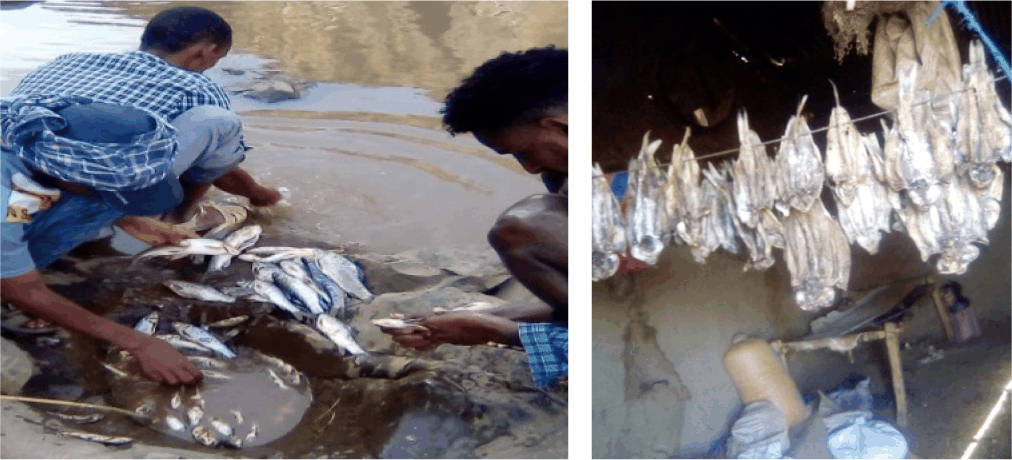
Menna River system fishers reported that there were insufficient facilities for preservation, which made it difficult to maintain the quality of the catch. To address this, 74.5% of fishers used sun-drying alone, 11.9% drying with salt, and 13.5% both methods (Table 5). In contrast to Menna River and its tributaries, studies from Gendwuha, Guang, Shinfa and Ayima Rivers in Tekeze and Abbay Basins (Tewabe et al., 2010) and Lower Omo River and the Ethiopian Part of Lake Turkana (Wakjira, 2016), Jemma and Wonchit Rivers (Asmare et al., 2016), Tekeze Reservoir (Gebru, 2020), fishers are practicing better fishing actvities enable fishers to enhance the distribution and availability of fish products to buyers for personal consumption, resale, or further processing.
In the study area, fishers sorted and mixed their catch by the size and the quantity to maximize their sales’ potential by providing a selection that could attract the consumers. After that, they were transporting it to the small towns of Arbaya, Abaya Tera, Deldy, Mukatera, and Arba Tsegar for selling (Table 6). The fishers presented the fishes to the local consumers in different forms depending on the choice of customers. The marketing system is based on the size and number of fishes harvested, is comparable to the marketing systems reported for the Ganale, Awata, Dawa, Gidabo, and Galana Rivers in the Guji and Borana Zones of Oromia (Abelti et al., 2014) and for Denbi Reservoir in Bench Maji Zone (G/Michael & Fantahun, 2019). The survey revealed that 0.3%, 3.6%, 3.9%, and 92.2% of fishers indicated that consumers purchased filleted fish, whole fish, both whole and gutted fish and gutted fish only respectively. Comparable results have been reported by Tesso et al. (2017) in rivers of Ilu Abba Bora and by Abelti et al. (2014) in the Ganale, Awata, Dawa, Gidabo, Galana, and Borana rivers of the Borana zones of Oromia, where most customers prefer to purchase gutted fish at marketing places. The fact is fish food utilization is influenced by socio-economic background, food consumption patterns, personal health status, attitudinal dimensions, society, age, household income and education level (Demilew & Abebe, 2021).
Among all fishers, 89.1% sold their catch in the local market places, 4.7% sold at sampling sites, and 6.2% combined both local market and sampling sites sales (Table 6). The current survey shows differences compared with the findings of Wake et al. (2022) and Amare et al. (2018).
The survey of fishers along the Menna River and its tributaries revealed that about 12.5%, 40.0%, 44.4% and 3.1% of fishers sold their harvested fish at below < 500, 500–800, 900–1,200, and 1,300–1,600 Ethiopian Birr (ETB) /day, respectively (Table 6). Gebremedhin et al. (2013) state that fishing equipment, fishing experience, fishing activities, fishing frequency, and distance from market influence how much money they make from fishing.
Interviewed fishers explained that they do not receive premium prices for their catch due to the absence of suitable marketplaces and consumer reluctance. They were forced to sell their entire catch on the same day, as they lacked facilities to store or preserve fish. They complained that the major cost of fishing was the time it consumed. Key informants noted that when buyers were unavailable, fishers sold door to door in nearby villages. In contrast, fishers along Menna River and its tributaries have experienced lower access to fish marketing networks compared with those at other landing sites such as Gendwuha, Guang, Shinfa and Ayima rivers in Tekeze and Abbay Basins (Tewabe et al., 2010), Omo River Delta and the Ethiopian sector of Lake Turkana (Getahun et al., 2020), floodplain rivers of Alitash National Park (Eyayu, 2019) and the Tekeze Reservoir (Gebru, 2020) and western shore of Lake Tana (Tegegne, 2020).
Several studies report that fish prices are higher during the Orthodox Christian Lent and lower during non-fasting seasons (Wake & Chalchisa Geleto, 2019; Tewabe et al., 2010; Teame et al., 2016). Tegegne (2020) notes that price instability is driven by differences in species, size, seasonality, religious practices, and market distance.
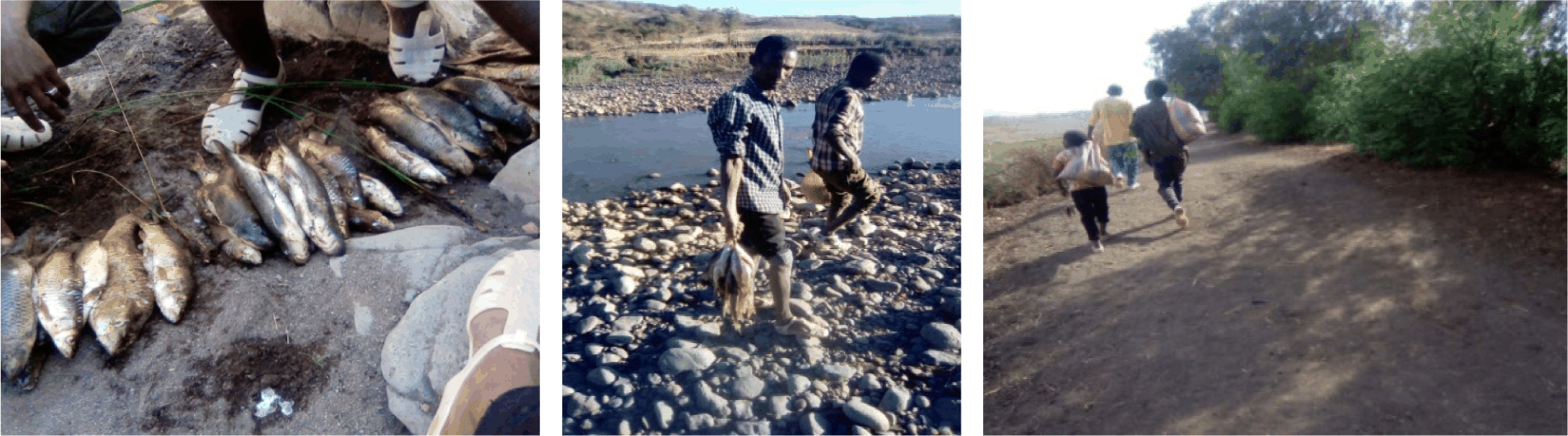
All fishers confirmed that transportation infrastructure was lacking, forcing them to rely on traditional carrying tools such as hook and string devices and sacks (Fig. 5). After harvest, fish were carried by hand to local markets and sold for immediate cash income. In contrast to this study, fishers in the Omo River Delta-Lake Turkana (Getahun et al., 2020) benefit from comparatively better transportation access, including motorcycles, motorboats, and bicycles.
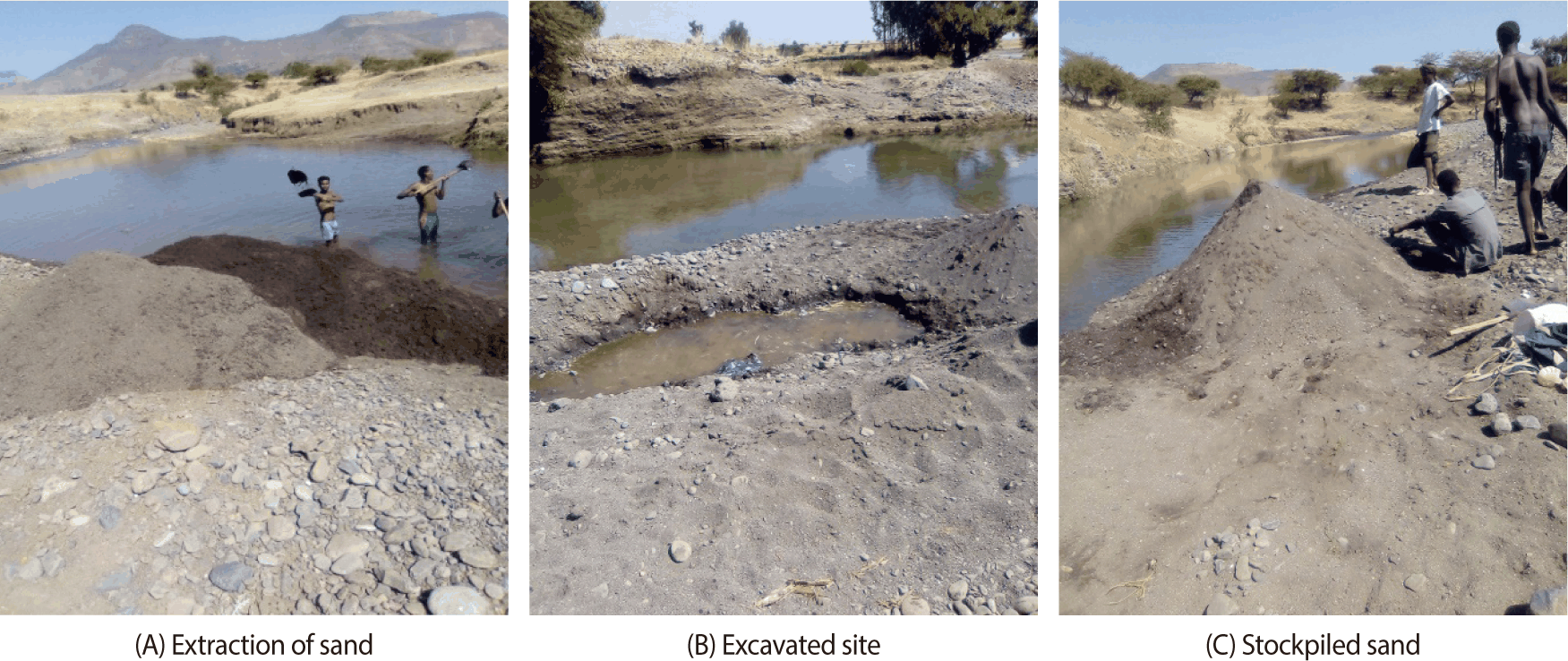
Based on the findings, the major challenges as well as the management constraints of the fisheries in Menna River and its tributaries, in order from lowest to highest frequency, were determined by the fishers to be sand mining (3.6%) as shown in Fig. 6, transport issues (7.3%), lack of infrastructure or inability to access fishing gear (8.3%), inability to access markets (11.7%), lack of training or extension work (24.7%), and illegal, unreported, and unregulated (IUU) fishing (44.4%) (Table 7). The fishers reported a progressive decrease in both the abundance and size of catches over time. The primary causes identified were overfishing, the harvesting of juveniles, and non-selective capture of multiple sizes and species. More specifically, traditional gears used indiscriminately, and the occasional application of harmful gears and techniques, were some major threats that continued to face fishery resources in this river system.
Among the challenges facing fisheries in Ethiopia that have been widely documented are underdeveloped fish processing technologies, limited market access for fish products, weak support from the government itself, poorly developed and weakly implemented policy frameworks, overfishing and illegal fishing practices, and lack of sufficient training and extension services (Hebano & Wake, 2020), human-induced pressures resulting from shoreline modification and deforestation (Desta et al., 2017; Mitike, 2015). Focus group discussions and key informants underscored that sustainable exploitation of Menna River fisheries could provide alternative food and income sources, support scientific studies, conserve threatened species, and maintain the river’s ecological integrity.
Conclusion and Recommendation
In conclusion, the survey results indicated that small-scale fisheries in the Menna River and its tributaries make a substantial contribution to community livelihoods by providing income and food for households in Central Gondar, Ethiopia. Fishing activity typically peaks from February to May, using locally made cast nets, monofilament nets, mosquito nets, hand nets, and hooks and lines. The major species caught in the study area were L. beso, L. intermedius and L. nedgia, which are consumed in fresh and sun-dried forms. Although small-scale fisheries have considerable socio-economic importance, their sustainability is threatened by sand mining, transportation challenges, poor infrastructure and limited access to fishing gear, restricted market access, inadequate training and extension services, and IUU fishing.
Based on the evidence from this study, enhancing the socioeconomic benefits of fisheries in the Menna River and its tributaries requires avoiding destructive fishing methods, such as poisonous substances, very fine monofilament, and mosquito nets, which cause fish stock depletion and biodiversity loss. Sand mining should be conducted carefully to avoid damaging fish habitats, and fishing bans during closed seasons should be strictly enforced. Furthermore, providing appropriate fishing materials used to catch, handle and preserve fish and financial support to fishing communities is essential to promote efficient and sustainable utilization of fishery resources. Essentially, the Belesa Agricultural and Natural Resources Office and fisheries and aquatic resources officers/experts are primarily responsible for ensuring the sustainable use of fishery resources.


