

Introduction
Mangrove ecosystems are important parts of tropical and subtropical coastal areas and are unique intertidal ecosystems that occur at the boundary between land and sea (Lovelock et al., 2024). They provide many important ecological services: Mangroves are important for stabilizing shorelines by dissipating wave energy and trapping sediments with their aggressive root structures which decrease coastal erosion and provide storm-surge and sea-level rise protections inland. Field observations showed mangrove forests can reduce wave heights by 50% during high tide (Samiksha et al., 2019), and empirical studies show that mangroves could reduce wave energy and sediment erosion by 40%–70%, depending on forest density and structure (Weaver & Stehno, 2024).
Mangrove forests cover 160–170 km² in the Arabian Gulf; they are highly fragmented along the coastlines of Saudi Arabia, the United Arab Emirates, Qatar, Iran, and southern Iraq where they are found primarily in sheltered areas. These mangrove areas are dominated by Avicennia marina and face extreme salinity and arid climate conditions, but slightly increased in some areas as a result of restoration projects (Isaa, 2024; Milani, 2018; Rondon et al., 2023; Yap & Al-Mutairi, 2025).
Mangroves are also important for sediment retention and nutrient cycling because they can act as natural filters for pollutants and excess nutrients. The filtration aspect helps to improve water quality as well as support adjacent ecosystems (e.g., seagrass meadows and coral reefs). Numerous studies have indicated mangroves enhance two of the primary forms in nutrient cycling nitrogen fixation and phosphorus solubilization as well as the tidal-mediated sediment dynamics of mangroves impact microbial communities and water chemistry of connected coastal habitats (Zhang et al., 2022). In addition, mangroves can sequester considerable carbon amounts, both above and below ground, because of their relatively slow rates of decomposition and dense biomass (Adame et al., 2024). Mangroves provide the nursery and refuge habitat for many marine species and terrestrial habitats. The depth and complexity of mangrove rooting systems provide cover and potential breeding grounds for larval and juvenile fish and invertebrate communities promoting survival and diversity of species. Mangrove habitats are important for the larval and juvenile life stages of key fisheries species (fish and invertebrates), especially in areas where habitat and structural complexity support high abundance and diversity of juvenile fish and invertebrate communities (Aiken et al., 2009; Borland et al., 2023; Sheridan & Hays, 2003). Mangroves cover about 0.1% of the global coastal areas, but provide a significant contribution to global coastal productivity and biodiversity. Mangrove environments contain greater than 70 species of specialized trees and shrubs, supporting complex trophic connections that link marine, estuarine, and terrestrial systems. Mangroves exist as part of a broader coastal ecosystem complex that provides greater biological productivity supported by multi-trophic interactions across habitat environments (Albert et al., 2022).
Vegetated mangrove areas support higher species richness and crab diversity than adjacent mudflats, driven by factors like organic content and sediment structure (Hajializadeh et al., 2022).
The ecological significance of mangrove forests goes beyond the forests themselves, establishing connections between marine, estuarine, and terrestrial ecosystems in ways that are not yet fully understood. The mangrove forests are incredibly complex, dynamic, and are often referred to as “intertidal forest systems,” often acting as ecological corridors influencing both the structure and function of adjacent ecosystems (e.g., mud flats, estuaries, and coastal ocean). For instance, studies have shown the proximity of mangroves to actually and structurally influence intertidal benthic community composition in mudflats (Meijer et al., 2021), and review papers highlighted the importance of mangroves in estuarine-marine connections at varying scales, from meters to thousands of kilometers (Wolanski, 2017). Furthermore, migratory birds, tides, and human connection further contribute biological and nutrient channels of linkage between mangroves and more distant oceanic systems (Buelow & Sheaves, 2015).
Mangroves are subjected to harsh environmental stressors in dry or hyper-dry areas like the Arabian Gulf (Friis et al., 2022). These stressors include, among others, high salinity, excessive temperatures, low freshwater input, and anthropogenic stress. Restoration efforts have been implemented around the Arabian Gulf in Kuwait, Saudi Arabia, and the United Arab Emirates to restore degraded coastal ecosystems (Almansoori et al., 2024). The planting of mangroves is an innovative ecological project for Iraq with its initial establishment occurring in Kuwait through successful establishment on artificial islands with the introduction of A. marina into a climate that was harsh and challenging (Loughland et al., 2020). Despite mangroves not existing naturally on Iraq’s arid coastline, pilot projects are beginning to develop A. marina (grey mangrove) in the appropriate areas of Iraq’s southern coastline close to Basrah and the mouth of the Tigris/Euphrates Rivers into the Shatt al-Arab estuary. The overall goal of establishing A. marina in these pilot projects is to improve the coast’s ability to protect from storms by dramatically increasing the amount of coastal vegetation that currently exists. The establishment of A. marina in Iraq represents a significant improvement in biodiversity in addition to enhancing the coast’s ability to adapt to climate change and salinization through the creation of a coastal buffer for marine ecosystem services, as well as being one of the earliest attempts at establishing mangroves in Iraq’s unique desert-edified estuarine ecosystems (Al-Zewar et al., 2023). Despite the expansion of mangrove planting efforts, little is known about the early biological colonization of these newly created habitats in Iraq and similar hyper-arid environments. Comparative studies at different planting sites can illustrate the drivers of faunal recruitment, biodiversity patterns and community structures during the early phases of ecological succession (Adame et al., 2024). These drivers include crabs, which are important ecosystem engineers. Crabs directly influence mangrove seedlings as they bioturbate, breakdown organic matter, and ultimately benefit their establishment and health (Neely, 2023). Their colonization of various restoration sites is a crucial aspect of the functional recovery of mangrove ecosystems. Multiple crab families dominate Persian Gulf mangroves, including Camptandriidae, Dotillidae, Ocypodidae, Macrophthalmidae, and Sesarmidae. Molecular barcoding identified 11 species, with many showing close genetic ties to crabs in the northern Arabian Sea (Sharifian et al., 2023).
The aim of this study is to describe and compare the early faunal colonization of crabs at two newly planted A. marina sites, Al-Faw City, and Khor Al-Zubair on the southern coast of Iraq. This study aims to compare species composition, abundance patterns, and diversity indices, to help inform about differences in early community assembly processes at two different coastal planting sites.
Materials and Methods
Fieldwork was conducted at two newly planted mangrove stands along the southern coast of Iraq in the northwestern Arabian Gulf during March–April 2025. Al-Faw City: Located at 29.906976°N, 48.503583°E, this site consists of young A. marina mangrove seedlings planted approximately one year prior to sampling. Seedlings averaged 30 cm in height. Khor Al-Zubair: located at 30.203333°N, 47.876253°E, this site similarly comprised less than one-year-old. Both study sites are located within the lower Mesopotamian deltaic region, influenced by tidal flows from the Arabian Gulf and sediment inputs from the Shatt Al-Arab estuary.
Al-Faw City Location at the southernmost edge of Iraq, at the junction of the Tigris and Euphrates Rivers, while Khor Al-Zubair is an industrial area of high anthropogenic impact; including port operations, wastewater, and disruption of continuity in habitat structure. The difference in immediate ecosystem features and anthropogenic development may be part of the reason for the differences in observed fauna between these two study areas (Naser et al., 2024; Rahi, 2018; Yasser et al., 2024b).
The mangrove ecosystems located at both study areas support a community of Avicennia marina with an average seedling height of approximately 30 cm. The tides in both areas are semi-diurnal and are comprised of intertidal zones with mud to sand substrates. At the time of sampling, the ranges of salinity were between 31.4 and 34.5 ppt and water temperatures ranged from 23℃ to 25℃.
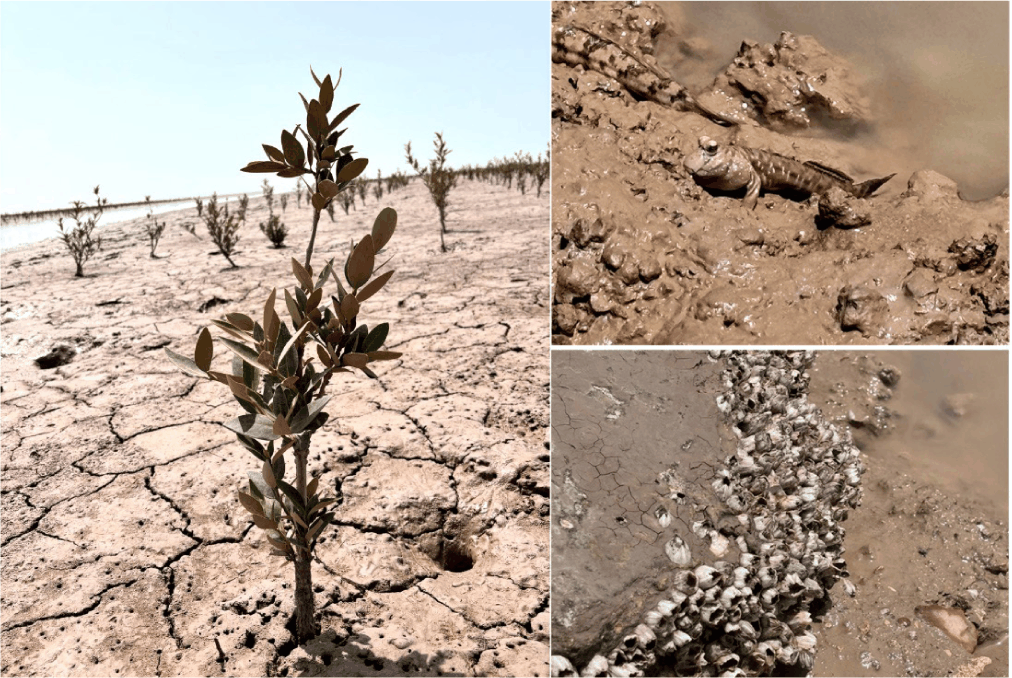
A total of five quadrats measuring 25 by 25 cm (0.0625 square metres) were randomly placed in areas of newly planted mangrove stands in early Spring between the months of March and April of 2025. All of the crabs located inside each quadrat were manually removed and preserved for future identification using known identification keys (Ng et al., 2009), in addition to the crab sampling, all other early colonising animals were opportunistically observed. Mudskippers (Oxudercinae) were noted to be burrowing in close proximity to mangrove seedling installations as well as dense groupings of barnacles of the species Amphibalanus amphitrite to have been noted to be on submerged mangrove foliage and neighbouring hard substrate surfaces. Sediment analysis revealed that both sites possessed fine-grained, muddy-sandy substrates conducive to mangrove establishment and early faunal colonization. At Khor Al-Zubair, the sediment was characterized as silty clay loam (63.9% silt, 32.2% clay, 3.9% sand). At Al-Faw City, soils along the Shatt Al-Arab levees contained approximately 98% fine particles, with an organic matter content of 0.07%, a plasticity index of 21%, and a liquid limit of 51%. Across both sites, bulk density averaged 1.28 g/cm³ and porosity was 39.2%, indicating cohesive substrates typical of Iraq’s southern intertidal zones. Particle size distribution was determined using standard wet-sieving and hydrometer methods following American Society for testing and materials (ASTM) soil analysis procedures.
Functional traits of the recorded crab species (Opusia indicum, Manningis arabicum, and Nasima dotilliformis) were examined by combining both direct observation and literature review. The use of direct observation in the field (the behavior of burrowing and habitat zonation in the intertidal area) and quantitative measurement of their activity patterns provided an objective assessment of these behaviors. The mode of feeding and the role of these species in the food web have been established through the study of ecological and stable isotope studies conducted previously on the arid Mangrove ecosystems in the Persian Gulf. Trait categories included feeding mode, burrowing behavior, and trophic role. The findings of Hemmati et al. (2021) show that the study species rely mostly on microphytobenthos, as indicated by stable isotope analysis. This supports previous classifications of these species as ecosystem engineers that feed on sediment. For example, studies conducted in arid mangroves of the southwestern Arabian Gulf provided evidence that crab species like N. dotilliformis serve as bioturbation engineers, providing necessary sediment turnover and contributing to the establishment of early zonation (Al-Khayat & Giraldes, 2020). In conjunction with previous studies, observations of burrowing behavior and the distribution of species along the intertidal zone corroborated the results of the unique functional traits determined by previous literature, thus showing an agreement in the assignment of functional traits across geographical locations.
We gathered crab data (numbers and species) for 2 locations—Al-Faw City and Khor Al-Zubair with 5 quadrat samples/quadrats for each site. The total number of crabs found was obtained from the replicated quadrats from each site and each species was obtained by adding together the number of individuals per site. From these totals, the relative number of crabs (i.e., the percentage of total crabs from each site), was calculated to measure how well represented each species was amongst all crabs of that particular site.
Using the Kruskal–Wallis analysis, the degree of variation in mean crab density across species at each site, was evaluated and statistically tested for differences among sites. A p-value of < 0.05 was considered evidence of statistical significance.
The Shannon diversity index (H') and the Pielou evenness index (J') were calculated to evaluate biodiversity for each site based on the pooled information from the quadrat replicates. The Shannon index provided information on both the number of species (richness) found on each site, and in turn the degree of even distribution of species. Species abundance data from all quadrats were further analyzed using non-metric multidimensional scaling (NMDS) based on Bray–Curtis dissimilarity to visualize differences in community composition. NMDS ordination was conducted in two dimensions, and the final stress value was used to assess fit reliability. To statistically test for community separation, a permutational multivariate analysis of variance (PERMANOVA) was performed on the Bray–Curtis distance matrix with 999 permutations.
All statistical analyses were conducted using R software (R Core Team, 2025). Diversity Indices (H' for Shannon-Wiener and J' for Pielou’s evenness) were calculated from the use of the vegan library (Oksanen et al., 2013). The methods by which difference testing occurred regarding species designation of crab abundance between sites were through non-parametric rank-based statistical methods from the stats library. Community composition analyses were performed upon NMDS based upon Bray–Curtis Dis-similarity measures, and were compared through analysis of similarity (ANOSIM) via the vegan library; visualization of data occurred through ggplot2 (Wickham, 2016).
Results
Quadrat-level examination revealed spatial heterogeneity in species distribution. At Al-Faw City, O. indicum and M. arabicum were found in separate quadrats, indicating spatial segregation. At Khor Al-Zubair, M. arabicum and N. dotilliformis also appeared in distinct quadrats without overlap. This lack of co-occurrence suggests that early colonizing species were spatially partitioned, contributing to the observed community divergence between sites.
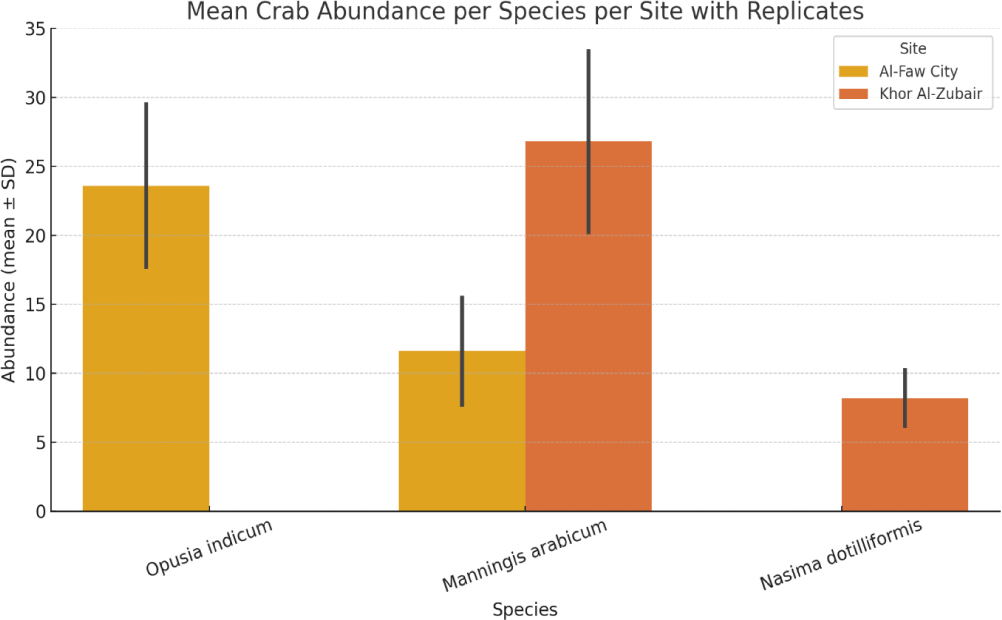
A total of 351 individual crabs belonging to three species were recorded across two newly planted mangrove sites: Al-Faw City and Khor Al-Zubair. At Al-Faw City, O. indicum was the most abundant species with 118 individuals, followed by M. arabicum with 58 individuals. In addition to crabs, early colonizing intertidal fauna were also noted: mudskippers were actively burrowing near mangrove seedlings, and dense aggregations of the barnacle A. amphitrite were observed on submerged mangrove leaves and adjacent rocky substrates (Fig. 1). These observations indicate multi-taxa recruitment and early faunal assembly in the restored upper-intertidal zone (Table 1).
At Khor Al-Zubair, M. arabicum dominated the assemblage with a total of 134 individuals, while N. dotilliformis was represented by 41 individuals. These species were distributed across different intertidal zones, with O. indicum observed only at Al-Faw City, where it occupied the upper intertidal area. In contrast, M. arabicum and N. dotilliformis were primarily found in the mid-intertidal zone at Khor Al-Zubair. All recorded crab species exhibited burrowing behavior, constructing shallow burrows in the muddy-sandy substrate, indicating early establishment of benthic activity in the restored habitat.
These habitat preferences and burrowing behaviors observed in the field align with known functional traits of camptandriid crabs. O. indicum was predominantly active in the upper intertidal zone with deeper burrows, suggesting tolerance to desiccation and higher sediment disturbance potential. M. arabicum and N. dotilliformis occupied lower zones and constructed shallower burrows, indicating different sediment interaction and feeding strategies. While direct feeding observations were not conducted, these patterns are consistent with deposit-feeding and ecosystem-engineering traits described by Hemmati et al. (2021) based on stable isotope analyses in nearby mangrove ecosystems.
The number of individual crabs found in both restoration sites totaled 351. Three species of crabs were found at both sites. Comparison of all the replicate level data indicated that the number of crabs in both sites differed by species. At Al-Faw City, O. indicum had the highest number (118) of crabs, while M. arabicum (58) had much lower numbers (Kruskal–Wallis test: H = 5.81, p = 0.016). At Khor Al-Zubair, there were significantly more M. arabicum (134) than N. dotilliformis (41) (H = 6.90, p = 0.009). Both studies identified early indications of species dominance and how species used sites differently. The updated bar graphs (Fig. 2) summarize the mean crab abundance per species using five quadrats for each site, with the error bars representing the amount of intra-site variation. These observations highlight the early establishment of a multi-species intertidal community, with distinct faunal compositions emerging between Al-Faw City and Khor Al-Zubair despite the young age of the planted mangroves.
Higher diversity and evenness were recorded at Al-Faw City, reflecting a more balanced species distribution compared to Khor Al-Zubair (Table 2).
| Site | Shannon diversity index (H') | Pielou’s evenness (J') |
|---|---|---|
| Al-Faw City | 0.637 | 0.918 |
| Khor Al-Zubair | 0.538 | 0.776 |
NMDS ordination based on Bray–Curtis dissimilarity revealed a distinct separation in crab community composition between Al-Faw City and Khor Al-Zubair. Replicate quadrats from each site formed non-overlapping clusters, indicating clear site-specific faunal assemblages. The ordination exhibited a stress value of 0.12, within the acceptable threshold (< 0.2), ensuring a reliable two-dimensional representation (Fig. 3).
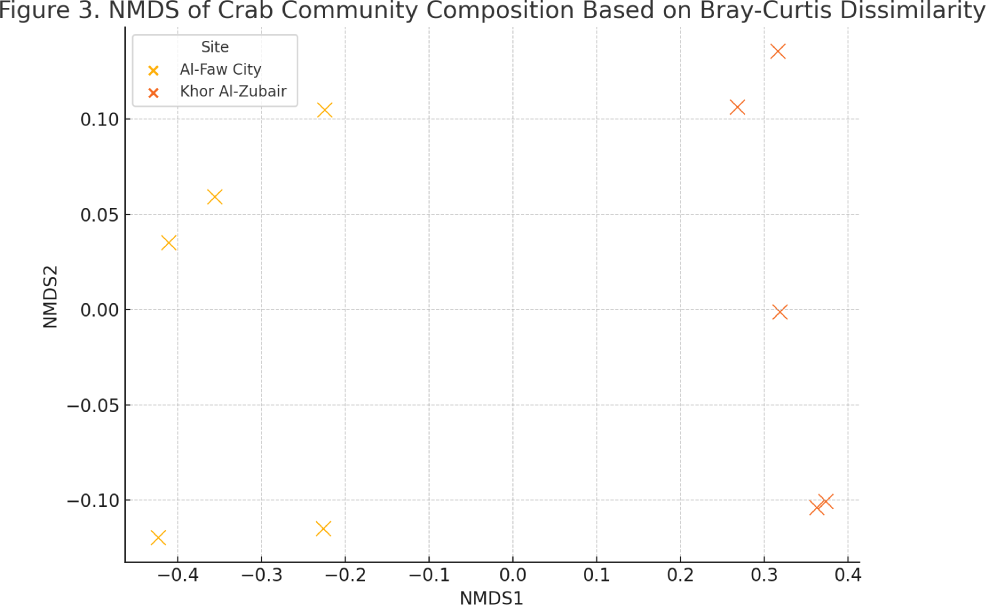
A PERMANOVA test based on Bray–Curtis dissimilarity confirmed these differences were statistically significant (pseudo-F = 62.27, p = 0.007), reinforcing that early community assembly patterns are strongly influenced by site-level environmental conditions.
Discussion
This study was limited by its short temporal window and the fact that only brachyuran crabs were observed during the sampling period. No mollusks, polychaetes, or fish larvae were detected. While this may reflect true early-stage faunal composition, future studies should incorporate seasonal sampling across multiple years to capture temporal variability in recruitment, species turnover, and functional development and expansion to other faunal groups would provide a more comprehensive view of community dynamics and functional development.
The Early colonisation of mangrove forests along southern Iraq’s coast demonstrates highlight rapid establishment of intertidal fauna characteristic of the natural habitat for colonisation and development of mangrove habitats. Restoration studies have shown that brachyuran crabs, gastropods and polychaetes, all of which can be classified as benthic species, arrived at newly restored mangrove areas rapidly after they were established, and play an important role in the establishment and development of the benthos within the mangrove ecosystem, as well as facilitating the transfer of nutrients through the sediment system (Ferreira et al., 2019; Malley, 1977). Geological evidence indicates that mangrove habitats existed in historical times on the Iraqi coast, supporting the possibility that the faunal community of the mangrove would have been a typical part of the faunal assemblage if mangroves existed previously (Isaa, 2024). Interactions between the roots of mangrove trees and the burrowed crabs create an environment where each species supports the development of the other—roots support and stabilise sediments and, in turn, crabs create a more porous and aerated sediment system, allowing for more efficient nutrient transfer and greater stability of the sediment system, thereby leading to the rapid establishment of the intertidal zone’s ecological functions (Nagelkerken et al., 2008). Across the two studied sites, Al-Faw City and Khor Al-Zubair, three crab species were recorded: O. indicum, M. arabicum, and N. dotilliformis, with a combined total of 351 individuals collected from replicate quadrats.
At Al-Faw City, O. indicum was the dominant species, accompanied by M. arabicum, with notable aggregations of mudskippers and the barnacle A. amphitrite. In contrast, M. arabicum dominated the faunal assemblage at Khor Al-Zubair alongside N. dotilliformis. These findings underscore significant site-specific differences in early faunal colonization, despite comparable planting histories and environmental conditions.
This trend is consistent with other research that finds local site factors such as hydrology, salinity gradients, sediment characteristics and vegetation structure are primary drivers of early faunal community dynamics in restored mangroves. As an example, Salmo et al. (2017) have described dissimilar patterns of mollusc succession across different aged Rhizophora stands, driven in large part by forest structure and sediment characteristics (Salmo et al., 2017). According to the research by McKee & Faulkner (2000), site specific characteristics affecting the processing of macrofauna associated with litter and the cycling of nutrients in the ecosystem. This high level of ecological diversity across multiple sites reinforces the need for close monitoring of colonisation patterns at a fine scale to support adaptive management of mangrove restoration efforts. The significantly different distributions of crab species between the two sites were further supported by diversity indices. Al-Faw City exhibited higher diversity and evenness, with a Shannon Diversity Index (H' = 0.637) and Pielou’s Evenness Index (J' = 0.918), compared to Khor Al-Zubair (H' = 0.538; J' = 0.776). The distinctions identified in community structure result from disparities found within habitat parameters, including sediment characteristics, tidal movement (influences), and variable habitat types within the same habitat area (microhabitat variability). (Study comprised of 5 quadrats per study location). Specifically, an increase in pollution levels occurring within Khor Al-Zubair caused by industrial activities (such as industrial effluent discharge from the petrochemical industry), as well as face port operations creates a significant threat to sediment quality, ecological system processes associated with biogeochemical cycling, and recruitment of early life stages of invertebrates. The Khor Al-Zubair estuary receives a combinatory mix of untreated and partially treated industrial and municipal effluents due to industrialisation and shipping in the petrochemical and oil terminal industry, thus resulting in an increase in the concentration of hazardous waste such as heavy metals and various contaminants from these sources released into both the aquatic and sediment-based ecosystems. The work by Yasser et al. (2024a) produced histopathological evidence and a marked increase in micronuclei density associated with fishes collected from southern Iraq. Therefore, the changes that occurred within these biological organisms are attributed to their exposure to industrial effluents related to the petrochemical and shipping industry, subsequently linked to pollutants in the aquatic environment (Yasser et al., 2024a). The implications of continuing contamination of this magnitude on benthic invertebrate recruitment via reduced oxygenation will clearly continue to hinder the success of restoration efforts involving virgin (previously disturbed) mangroves in heavily (industrialised) coastal systems (Haseeba et al., 2025; Yasser et al., 2024a).
The variation in functional roles during early colonization is suggested by the differences seen in the species composition, their distributions, and behaviours. The species that dominated the upper intertidal zone at Al-Faw City, O. indicum, had deeper burrows with a higher average δ¹⁵N than the other crabs found in the upper intertidal zone, possibly indicating that it has a larger trophic breadth with an omnivorous component (Hemmati et al., 2021). The two other species, M. arabicum and N. dotilliformis, were both found exclusively in the middle intertidal zone and are likely sediment deposit feeders whose main contribution is to bioturbate sediments. The spatial and behaviour patterns seen in these three species correspond to functional traits that have been documented in previous studies, therefore it supports the idea that even though the taxonomic classifications of crabs are different among different sites, their functional roles can also be different. These differences will affect the ways that sediments are turned over, the cycling of nutrients within sediments and in the development of early ecosystems.
Similar patterns have been reported elsewhere, for example, Aschenbroich et al. (2016) found that early-stage mangrove crab communities in French Guiana were strongly shaped by sediment properties and spatial variability. Likewise, Sen et al. (2014) demonstrated that crab diversity in India’s Sundarbans was influenced by a combination of soil characteristics, water chemistry, and anthropogenic pressures.
Quadrat-level data showed that species were largely spatially segregated rather than sympatric, suggesting early colonization was shaped by habitat filtering or interspecific spatial avoidance. Such spatial structuring may indicate niche differentiation, even at the early stages of succession. The distinct ordination patterns shown in NMDS and confirmed by PERMANOVA further emphasize that local environmental conditions are driving divergent community assembly processes between the sites.
The high presence of O. indicum in the sites of Al-Faw City indicates that it was very well suited to the upper-intertidal, newly colonized muddy sandy zone (is muddy sandy regimes), probably due to characteristic burrowing to disturb sediment, and possibly affecting local spatial structure (Angeletti et al., 2018; Citadin et al., 2016; Escapa et al., 2004). The presence of M. arabicum at both sites and especially in Khor Al-Zubair at both sites also suggests some degree of ecological plasticity for this species across mid-intertidal habitats.
The presence of mudskippers at both Al-Faw City and Khor Al-Zubair further highlights an important bisecting factor between multifunctional faunal assemblages at different restoration sites; the role mudskippers have as bioturbators in sediment disturbance, aeration, and the modification of the physical structure of intertidal mudflats through extensive burrowing and benthic foraging (Polgar & Lim, 2011). Mudskippers will change the properties of sediments within the intertidal zone, and by their actions on sediments mudskippers will influence the structure of microbial communities living in that substrate; therefore, mudskippers are important for enhancing ecological development of newly established mangrove ecosystems. Furthermore, by being the first species to bioturbate, mudskippers will help increase other ecosystem functions including enhancement of nutrient cycling, mediation of organic matter decomposition, and stabilization of sediments. Therefore, the presence of mudskippers likely will help develop edaphic conditions that will support the long-term viability of restored mangrove forests (Booth et al., 2023).The findings here provide the first evidence that mangrove restoration efforts in Iraq are facilitating early, site-specific ecological development, potentially leading to divergent ecological trajectories depending on local habitat conditions (Su et al., 2021; Zimmer et al., 2022).
Conclusion
In conclusion, these findings demonstrate that even though the recently restored mangrove eco-systems have restored animal community assembly processes are not homogenous, however, there are a number of local environmental factors that play a key role in determining animal community structures. Long term monitoring of the ecological functions of mangroves and their development into Iraq through the process of succession over time should provide insight into these processes as they diversify.


