

Introduction
The Cypriniformes are the most diverse group of freshwater fishes, with the family Cyprinidae sensu lato comprising more than 3,000 species in over 220 genera (Liao et al., 2010). Recent revisions have divided Cyprinidae sensu lato into 12 families, with subfamily Rasborinae now placed under Danionidae (Tan & Armbruster, 2018). Within this group, Rasbora is one of the most species-rich genera, with over 80 recognized species widely distributed from India to the Philippines (Froese & Pauly, 2026; Günther, 1880; Kusuma et al., 2016; Liao et al., 2010). These small-bodied fishes are a prominent component of Asian freshwater ecosystems (Brittan, 1972). They are morphologically distinguished by an elongated, laterally compressed body (5–20 cm SL), a symphyseal knob on the lower jaw, absence of barbels, and a lateral stripe running from the operculum to the caudal-fin base (Kusuma et al., 2016).
Despite their ecological and taxonomic importance, species-level identification in Rasbora is notoriously difficult. Many species are morphologically similar, leading to frequent misidentifications (Aminan et al., 2020). Previous attempts to subdivide the genus into subgenera or species complexes (Brittan, 1972; Kottelat & Vidthayanon, 1993) have not resolved these ambiguities, highlighting the need for molecular tools to complement traditional taxonomy.
In the Philippines, the diversity of the genus Rasbora is greater than previously recognized. Early accounts documented only a limited number of species, including Rasbora argyrotaenia (Bleeker), Rasbora taytayensis (Herre), and Rasbora philippina (Günther) (Brittan & Brattstrom, 1952). However, recent syntheses and database updates indicate that at least six to seven Rasbora species occur in the country (Froese & Pauly, 2026; Jamandre, 2023). Based on the provisional checklist of Philippine freshwater fishes (Jamandre, 2023), the currently recognized Rasbora species in the Philippines include R. argyrotaenia (native), Rasbora borapetensis (introduced), Rasbora everetti (endemic to Palawan), R. lateristriata (native to southwestern Mindanao), R. philippina (endemic to Mindanao and Palawan), and Rasbora taytayensis (endemic to northern Palawan). FishBase additionally lists Rasbora semilineata as occurring in Philippine waters (Froese & Pauly, 2026). These species vary in distribution, conservation status, and morphological traits, underscoring the need for careful taxonomic assessment when identifying Philippine Rasbora. Within Mindanao, historical records recognize R. philippina and Rasbora punctulata (Seale & Bean, 1907). The latter was synonymized with R. philippina by Brittan & Brattstrom (1952), who placed the species within the R. argyrotaenia complex and suggested divergence during the Pleistocene or late Tertiary.
Recent investigations have highlighted persistent taxonomic uncertainty surrounding Rasbora populations in Mindanao. In Lake Wood, an ancient lake of ecological and cultural significance to the Subanen people (Baludo et al., 2021), a local fish known as “porang” has been variously identified as R. philippina (Genovia et al., 2023) or Rasbora argyrotaenia everetti (Ganzon & Demayo, 2022), while others have conservatively referred to it as Rasbora sp. (Gonzaga-Torino et al., 2025). Additional reports record R. philippina in Lake Mainit (Mercene, 1997), the Pasonanca River in Zamboanga (Kottelat & Vidthayanon, 1993), Titunod River in Lanao del Norte, Cagayan River in Misamis Oriental, and streams in Tawi-Tawi Island (Herre, 1924, 1953). These inconsistencies highlight the uncertainty surrounding the true identity, distribution, and taxonomic status of R. philippina.
DNA barcoding using the mitochondrial cytochrome c oxidase subunit I (COI) gene has proven to be an effective method for resolving taxonomic uncertainty in freshwater fishes (Hebert et al., 2003, 2004; Ward et al., 2005) and has already been applied successfully to Rasbora species (Retnoaji et al., 2023) including those that are native in Malaysia (Aminan et al., 2020), Indonesia (Nazran et al., 2025), Sri Lanka (Sudasinghe et al., 2020), and India (Suryawanshi et al., 2024). However, no DNA barcode data currently exist for Philippine representatives of the genus.
Thus, the present study aims to clarify the taxonomic identity of R. philippina from Lake Wood, Mindanao, by integrating morphometric analysis with mitochondrial COI DNA barcoding. Specifically, this study seeks to (1) confirm species identity through comparison with established diagnostic morphological characters, (2) generate the first COI reference sequences for R. philippina and assess its genetic distinctiveness relative to congeners, and (3) provide baseline molecular data that will support future biodiversity assessments and conservation efforts involving Philippine freshwater fishes.
Materials and Methods
The putative R. philippina specimens analyzed in this study were collected from local fishermen in Lake Wood, Zamboanga del Sur, Mindanao, Philippines (Fig. 1). All specimens used for morphological and molecular analyses originated from this single locality. Lake Wood, locally known as Danao, is situated at 320 m above sea level and covers an area of 7.38 km2. The lake has a maximum depth of 85 m and a volume of 356 × 106 m3 (Baludo et al., 2021). It is surrounded by mountainous terrain, with rugged northeast and southwest shores and relatively gentle plains along the western and eastern lakeshores.
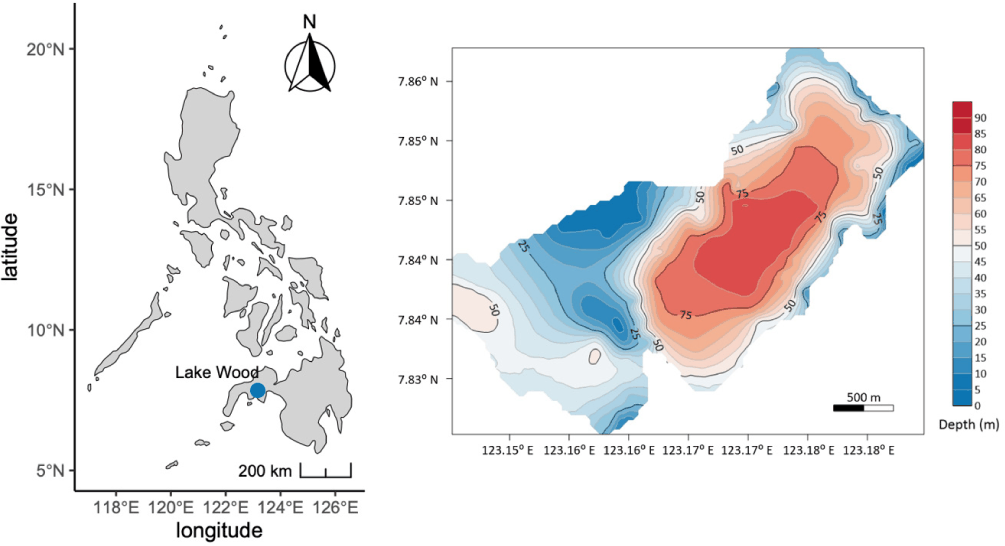
The lake is fed by rainfall, small rivers, and groundwater, and drains into Dumanquilas Bay via the Biswangan River. The surrounding area is predominantly cultivated land, and the lake is currently classified as eutrophic (Baludo et al., 2021). Specimen identification followed the taxonomic keys of Brittan & Brattstrom (1952). Key diagnostic characters include a slender body with a blunt snout, a darkly pigmented dorsal surface gradually fading to yellowish on the ventral side, a body depth approximately 3.1–3.8 times the standard length, and the presence of 12 predorsal scales.
A tissue sample was excised from the epaxial muscle located posterior to the operculum on the right side of each specimen. Each muscle tissue was preserved in absolute ethanol and stored at −20°C prior to DNA extraction. Genomic DNA was extracted from 25 milligrams of the ethanol-preserved muscle tissue using the DNeasy® Blood & Tissue Kit (Qiagen, Valencia, CA, USA). On the other hand, to generate DNA barcodes for each specimen, the extracted crude DNA was amplified for the COI gene of the mitochondrial DNA (mtDNA) using the polymerase chain reaction (PCR) technique. The PCR amplification was carried out in a final reaction volume of 25 μL, consisting of 10.25 μL of ultra-pure water, 10.00 μL of 5X reaction buffer containing 5 mM of deoxynucleotide triphosphates (dNTPs), 0.50 μL magnesium chloride (MgCl₂), 1.00 μL each of forward and reverse primers at a concentration of 10 μM, 0.25 μL of Taq DNA polymerase, and 2.00 μL of purified genomic DNA template. The forward primer used was F1-5'TCAACCAACCACAAAGACATTGGCAC-3', while the reverse primer used was R1-5'TAGACTTCTGGGTGGCCAAAGAATCA-3' (Aminan et al., 2020; Ward et al., 2005). The PCR condition was set at 95°C for 2.00 minutes, followed by 35 cycles of 94°C for 0.50 minutes, 59.7°C for 0.50 minutes, and 72°C for 0.50 minutes. Finally, samples were kept at 72°C for 1.00 minute and then held at 4°C (Aminan et al., 2020).
Visualization of the amplified PCR products was performed through electrophoresis on a 1% agarose gel stained with ethidium bromide. The DNA bands with an expected length of 650 bp for COI (Hubert et al., 2008) were excised and subjected to gel extraction using NucleoSpin Gel and PCR Clean-up. Finally, the five (5) purified PCR products were sent to Macrogen, Inc. (Seoul, Korea) for bidirectional DNA sequencing using Applied Biosystems™ 3730xl DNA analyzer.
The COI sequences generated were processed using the Staden Package (Staden, 1996), wherein the forward and reverse reads were assembled using Pregap4 version 1.6 (The GAP Group, 2026). Subsequently, Gap4 version 4.11.2 (The GAP Group, 2026) was employed to generate the consensus sequences. The consensus sequence of each putative R. philippina specimen was then subjected to BLAST analysis (Altschul et al., 1997) to facilitate preliminary identification by comparing the sequences against publicly available sequences in the GenBank database.
A total of 123 COI sequences were analyzed, including five (5) sequences generated in this study and 118 additional sequences downloaded from the GenBank database (Appendix Table A1). The latter included COI sequences from other Rasbora species and outgroup taxa, with five sequences each from Danio rerio, Trigonostigma somphongsi, Trigonostigma heteromorpha, Trigonostigma espei, and Trigonopoma gracile. These 118 sequences were selected as the top 100 closest matches to the newly generated data, along with Rasbora species currently recorded in the Philippines. The outgroup taxa were selected based on their close phylogenetic affiliation (Tan & Armbruster, 2018) and their inclusion among the top 100 closest sequence matches to the newly generated data. The alignment of all the sequences was performed using MEGA version 7 (Kumar et al., 2016). A maximum-likelihood (ML) tree was constructed using the GTR + G + I model with 1,000 bootstrap replicates. The appropriate base substitution model was selected based on model testing in MEGA using the corrected Akaike Information Criterion (AIC). Lastly, the corrected genetic distances were calculated in PAUP*4.0 (Swofford & Bell, 2017) under the General Time Reversible model with gamma-distributed rate variation and a proportion of invariant sites (GTR + G + I).
Graphical representations of pairwise genetic distances among R. philippina and related taxa were generated in R 4.3.1 (R Core Team, 2023). A boxplot and a histogram were produced using the ggplot2 package (Wickham, 2016).
Results
The putative R. philippina specimens have an average total length of 8.36 cm, an average standard length of 6.52 cm, and an average body depth of 1.72 cm. Likewise, the average body weight was recorded as 2.94 g, and each specimen exhibited 12 predorsal scales (Appendix Table A2). These are consistent with the key morphometric characteristics established by Brittan & Brattstrom (1952). Specifically, the body depth was approximately one-third (3.80 times) of the standard length, and each specimen exhibited 12 predorsal scales. Additionally, Lake Wood falls within the reported geographic range of R. philippina. A comparison of these morphological traits with other Rasbora species found in the Philippines (Appendix Table A3) further supports this identification. Additionally, the sampling site at Lake Wood falls within the known geographic range of R. philippina, further corroborating species identity.
A 643 bp fragment of the COI gene of the mtDNA was successfully amplified and sequenced from each of the five specimens. The COI sequences showed no deletions or insertions in the aligned sequences and no stop codons in the translated sequences. These sequences represent the first molecular data for R. philippina and will be deposited in GenBank as a species reference.
BLASTn results showed that each of the five specimens matched Rasbora sp. with sequence identity ranging from 92.32% to 92.99% (Appendix Table A4), whereas the closest match at the species level was R. rheophila, ranging from 92.06% to 92.72% (Appendix Table A5).
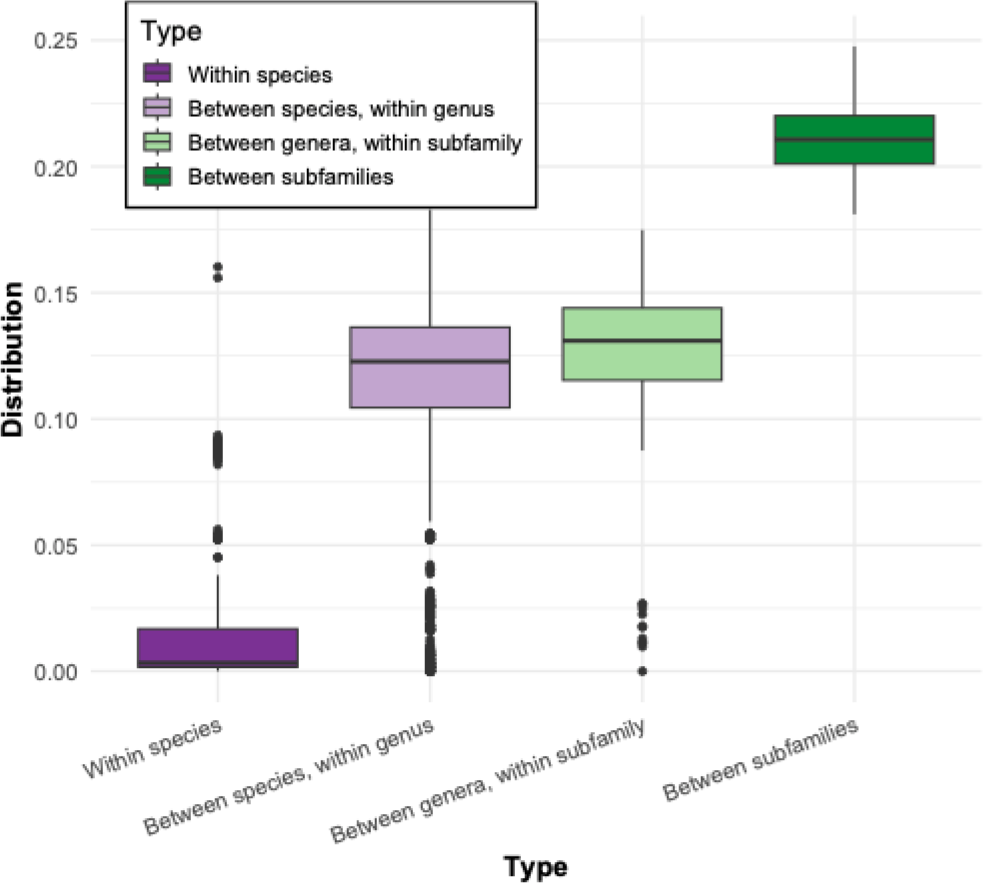
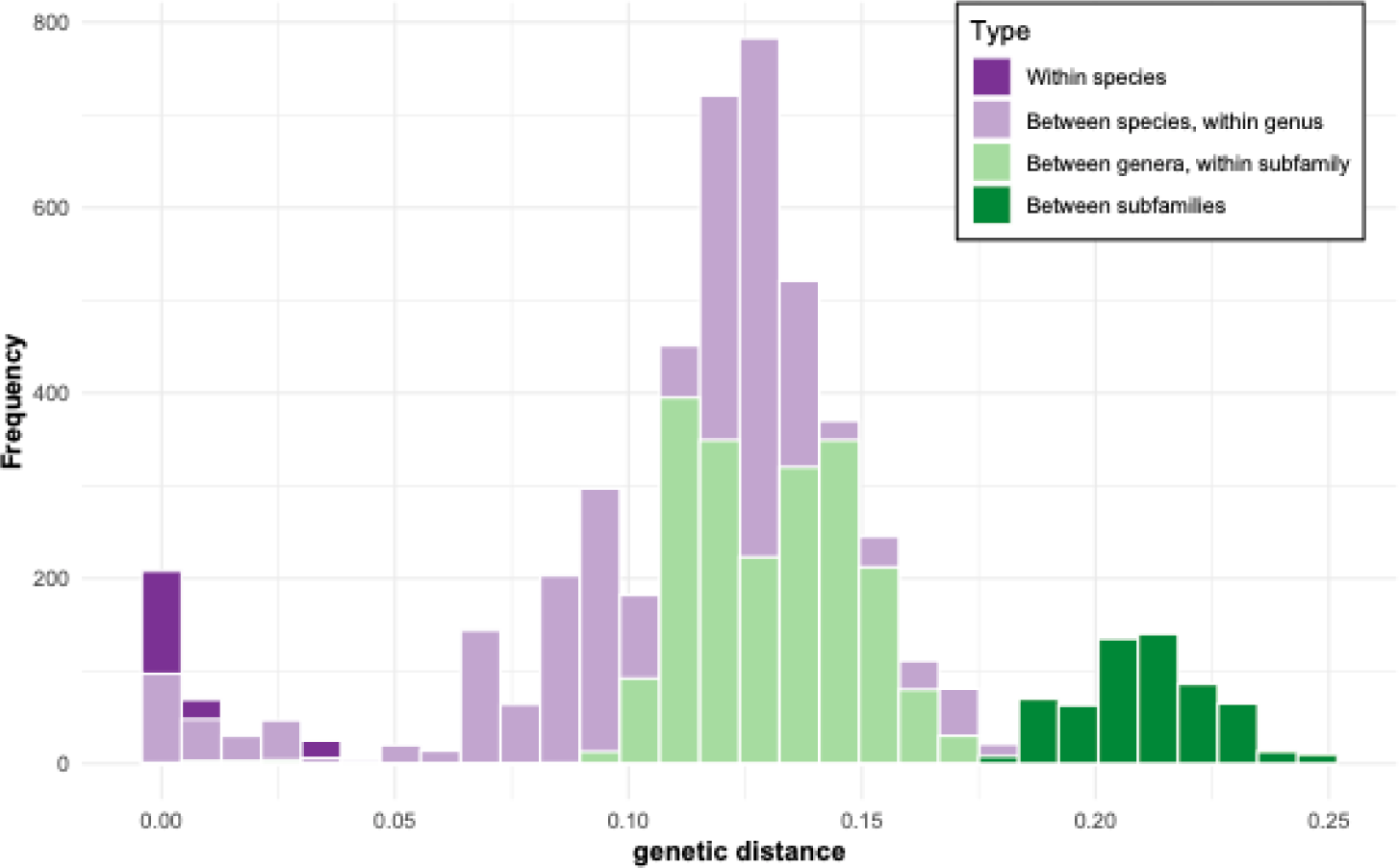
A total of 123 COI sequences, five (5) from this study and 118 from GenBank, representing 25 species, were aligned and analyzed. The calculated average genetic distance within R. philippina was 0.36%. In contrast, the average genetic distance between Rasbora species was 11.71%, while the mean genetic distance among genera within Rasborinae was slightly higher at 13.01%. The greatest divergence was observed between subfamilies, with Danio rerio (from subfamily Danioninae) and members of subfamily Rasborinae showing an average genetic distance of 21.04% (Table 1). Similarly, the distribution of the genetic distances is illustrated in a boxplot (Fig. 2), which shows an increase in divergence across taxonomic levels. Distances within R. philippina were clustered near zero, reflecting less intraspecific variation. Interspecific comparisons within the genus Rasbora exhibited a broader spread with a median of 0.12, while comparisons between genera within the subfamily Rasborinae showed slightly higher divergence centered around 0.14. The highest divergences were observed between the two subfamilies, Rasborinae and Danioninae, where distances averaged above 0.20 and formed a distinct, non-overlapping cluster. In congruence with this, the histogram of pairwise genetic distances (Fig. 3) highlights the frequency distribution of genetic divergence across categories. Intraspecific distances were concentrated near zero, while interspecific and intergeneric comparisons peaked around 0.10 to 0.15.
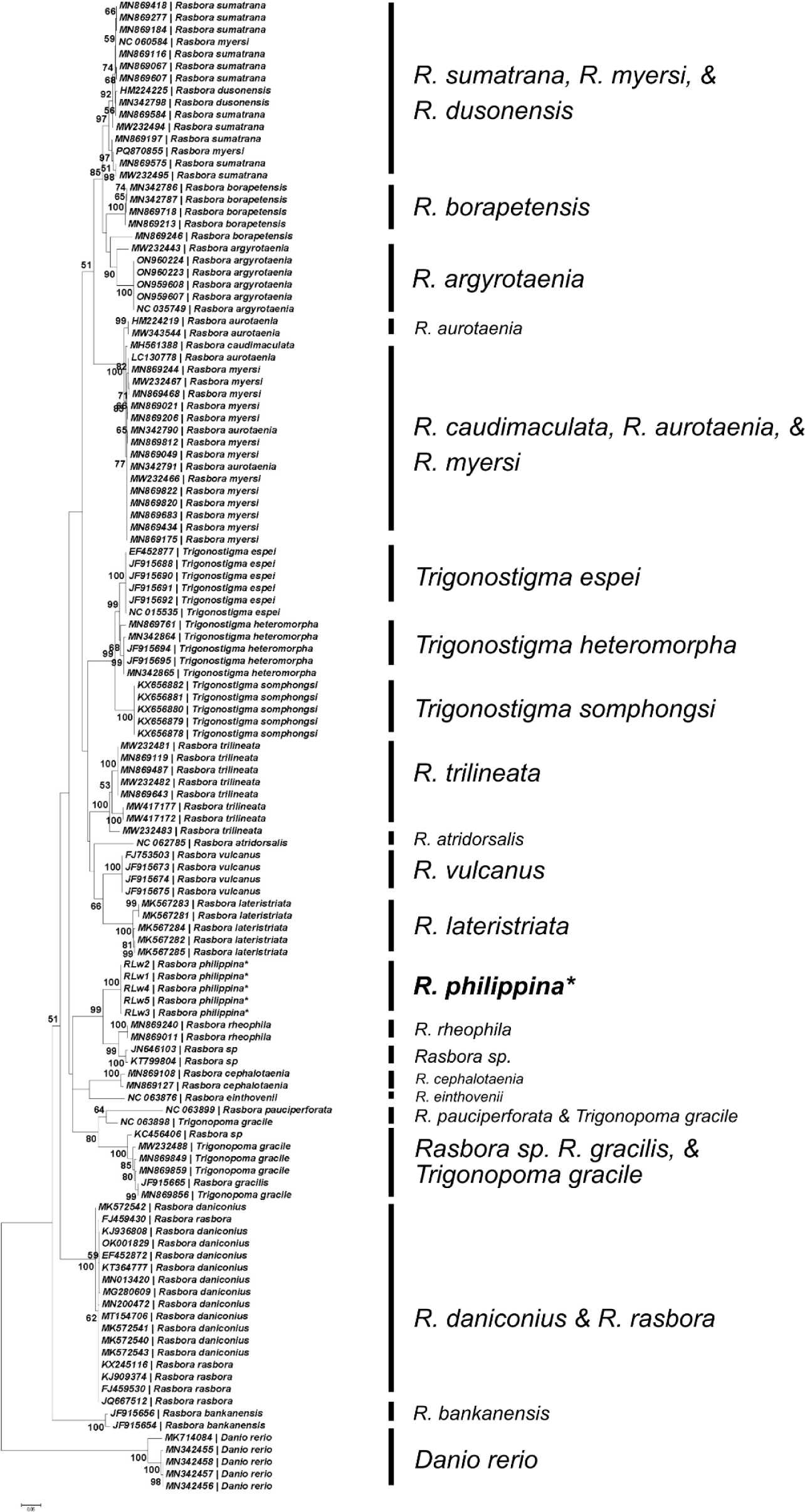
Lastly, Fig. 4 shows the maximum likelihood (ML) tree generated from the members of the subfamilies Rasborinae and Danioninae. A total of 22 clades were observed in the ML tree, which do not strictly correspond to species designation, as some congeners clustered more closely with taxa from other groups rather than forming species-specific clusters. An exception to this pattern is R. philippina, whose sequences generated in this study formed an independent clade with 100% bootstrap support, clearly separated from R. argyrotaenia and other congeners (Fig. 4).
Discussion
This study successfully generated mitochondrial COI gene barcodes for five R. philippina specimens, representing the first published genetic sequences for this species to date. The amplified length of the COI gene sequence exceeded 600 bp without stop codons, indicating that the sequence represents a functional mitochondrial COI gene and the absence of nuclear DNA of mitochondrial origin (NUMTS) (Hubert et al., 2008). These DNA barcodes provide a valuable genetic resource that will support future taxonomic and conservation studies on the Philippine Rasbora.
Phylogenetic analysis using the maximum likelihood method revealed that the five R. philippina specimens clustered together with strong support (bootstrap = 100%). This clade was clearly separated from R. argyrotaenia, a species also reported from Mindanao (Ganzon & Demayo, 2022). This pattern may suggest that R. philippina represents a genetically distinct lineage and should not be regarded as part of the R. argyrotaenia species complex as previously described by Brittan & Brattstrom (1952). It is important to note, however, that the R. argyrotaenia sequences compared in this study were sourced from Indonesia (Hubert et al., 2019). At present, there are no available COI data on R. argyrotaenia from the Philippines (including the R. a. everetti, native to the Palawan-Culion-Busuanga).
The calculated average intraspecific genetic distance for R. philippina was 0.36%, consistent with reported intraspecific distances in freshwater fishes (~0.60%; Aquilino et al., 2011). In contrast, the average interspecific genetic distances were substantially higher, measuring 11.71% between species within the Rasbora genus, 13.01% between genera within the subfamily Rasborinae, 21.04% between subfamilies Danioninae and Rasborinae. These values are approximately 32-, 36-, and 58-fold greater, respectively, than the intraspecific distance of R. philippina. The boxplot (Fig. 2) and histogram (Fig. 3) provide a visual summary of these patterns. On the other hand, the broader spread of interspecific comparisons within Rasbora and even among members of the subfamily Rasborinae is consistent with the ML tree (Fig. 4), which shows that not all Rasbora species form well-supported and clearly distinct clades. For instance, R. myersi was observed to cluster with the clade of R. sumatrana, suggesting that certain congeners remain genetically unresolved at the COI gene. This pattern may be attributed to various factors that could contribute to the observed taxonomic ambiguities within the genus and subfamily. Some of these factors may include biological processes (e.g., recent divergence, limited gene flow, or potential effects of selection acting on mitochondrial genes), as well as methodological limitations, including limited taxon sampling and the possible presence of misidentified reference sequences in public databases. These complexities highlight the need for further research to resolve the taxonomic ambiguities in this group. Nevertheless, despite these challenges, the R. philippina sequences generated in this study consistently formed a distinct and well-supported clade, thereby showing its genetic distinctiveness relative to other congeners.
These results verify that fish locally referred to as “porang” in Lake Wood correspond to R. philippina. This resolves earlier ambiguity, as some populations had been variably identified as R. argyrotaenia everetti or simply identified as Rasbora sp. This study provides the first COI reference sequences for Rasbora philippina, which will serve as an important baseline for future DNA barcoding and genetic analyses.
Conclusion
The present study highlights the importance of integrating geographic distribution, morphological, and molecular data in elucidating the taxonomic identity of species, particularly within the Rasbora group. The COI sequences generated in this study represent the first DNA barcodes for R. philippina, providing a reference library for species identification and confirming R. philippina as a distinct species. Taxonomic re-examination of the Rasbora sp. in the country is needed, given that the existing descriptions were old and may require the incorporation of new diagnostic traits or methodologies, such as geometric morphometrics and genetic analysis. Implementing such approaches can enhance the accuracy of taxonomic resolution within the genus and can provide an extensive documentation of biodiversity in the country. This is especially important for R. philippina given the ecological and cultural importance of this endemic species.


