

Introduction
Seafood has attracted increasing garnered as a health-promoting food group due to its rich content of high-quality protein, omega-3 fatty acids, and marine-derived bioactive compounds (Hosomi et al., 2012; Senadheera et al., 2023). In particular, the consumption of fish and shellfish has been associated with various health benefits, including the prevention of cardiovascular diseases (CVD), maintenance of cognitive function, anti-inflammatory effects, and improvement of metabolic disorders (Sun, 2024; Venugopal & Gopakumar, 2017). While a growing body of epidemiological and mechanistic studies supports these associations, large-scale, long-term observational studies-namely, cohort studies—are essential to evaluate the consistency of such effects at the population level (Lomartire et al., 2021; Salido et al., 2024).
To address the lack of an integrated perspective, this review incorporates a bibliometric analysis using the Web of Science Core Collection for the period 2010–2024, enabling a quantitative comparison of seafood-related cohort study trends across major countries. This approach allows for an objective evaluation of Korea’s relative research activity and highlights the extent of the research gap despite the country’s high seafood consumption. Over the past few decades, numerous cohort studies conducted worldwide have quantitatively examined the relationship between seafood intake and health outcomes, providing scientific evidence for the development of dietary guidelines and public health strategies. This review aims to comprehensively analyze Korean and international cohort studies that have assessed seafood consumption as a primary exposure variable. Key aspects evaluated include the types of data sources used (e.g., national health surveys, food frequency questionnaires [FFQs], biobanks), follow-up duration, sample size and demographic characteristics, and health outcomes measured (e.g., CVD, cancer, mortality). The reliability and applicability of each study’s design were critically assessed.
Cohort studies examining the association between seafood consumption and health outcomes have steadily accumulated over the past several decades, particularly concerning chronic disease indicators such as cardiovascular (CV) conditions, metabolic syndrome, certain cancers, and cognitive decline. In this review, we categorized and analyzed these studies based on health domains (e.g., CV, metabolic, neurological), geographical and cultural contexts (e.g., East Asia, Europe, North America), dietary assessment methods (e.g., FFQs, 24-hour recalls, dietary records), observed outcomes (e.g., disease incidence, mortality, biochemical markers), and cohort scale and duration.
In Korea, analyses have primarily utilized data from large population-based resources such as the Korean Genome and Epidemiology Study (KoGES) (https://nih.go.kr/ko/main/main.do) and the Korea National Health and Nutrition Examination Survey (KNHANES) (https://kdca.go.kr/index.es?sid=a2). Internationally, major cohort studies—including the Prospective Urban Rural Epidemiology (PURE) (https://www.phri.ca/research/pure/), European Prospective Investigation into Cancer and Nutrition (EPIC) (https://epic.iarc.fr/), Japan Public Health Center-based Prospective Study (JPHC) (https://epi.ncc.go.jp/en/jphc/), and the UK Biobank (https://www.ukbiobank.ac.uk/) have served as key data sources. These studies have followed populations ranging from several thousand to hundreds of thousands over periods of 5 to 20 years, providing evidence for potential causal links between seafood consumption and disease risk. For instance, the PURE study, which involving 191,558 participants across 58 countries, reported that consuming approximately 175 g of fish per week was significantly associated with a lower risk of CV mortality, consistent with findings from omega-3 fatty acid research (Mohan et al., 2021).
This review moves beyond a single-nutrient perspective by examining seafood as a whole-food exposure within cohort study frameworks. It focuses on evaluating the heterogeneity of health effects across different types of seafood and cultural dietary patterns, as well as assessing the overall reliability and limitations of existing study designs.
To examine the number of cohort-based studies related to food consumption across various countries and food categories, a keyword-based search was performed using the Web of Science Core Collection database (https://www.webofscience.com/wos/woscc/basic-search). This database is a comprehensive and widely recognized academic database that indexes high-quality, peer-reviewed literature across multiple disciplines, including nutrition, public health, and epidemiology.
For this analysis, keyword combinations of “cohort” and each food category term (agricultural, livestock, seafood), along with country names (e.g., Korea), were used to identify relevant publications. The search was limited to articles published between 2010 and 2024 and specifically aimed at identifying studies that focused on each food group within the context of cohort research. Using this approach, the number of cohort-based research publications for each food category was systematically collected and compared, enabling cross-category and cross-national analysis.
Fig. 1 shows the number of cohort-based publications related to agricultural, livestock, and seafood products across Korea, China, Japan, the United States, and Europe from 2010 to 2024 (based on original data analysis).
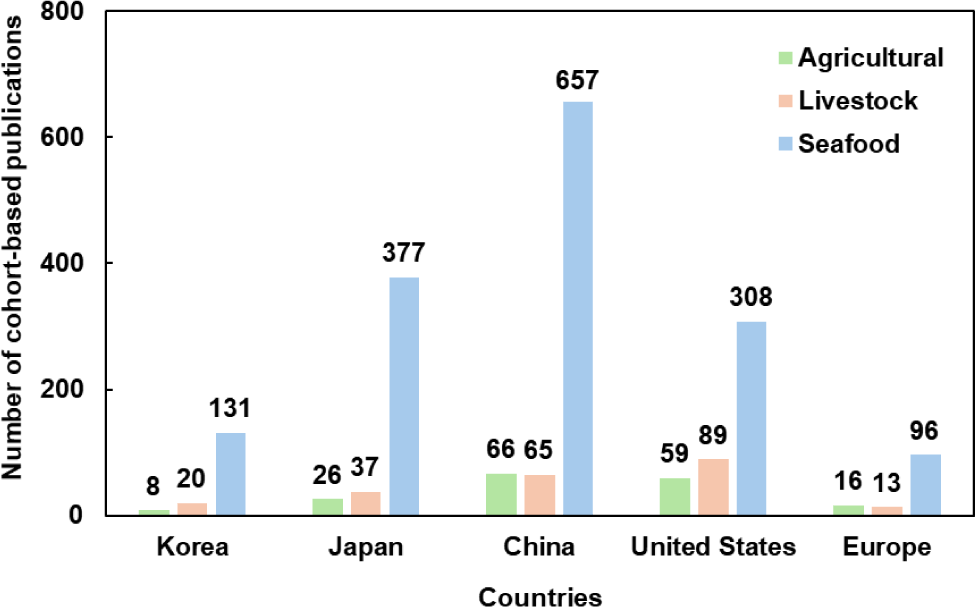
The results indicate that China has conducted the highest number of studies across all three categories, particularly in agricultural (66 studies), livestock (65 studies), and seafood (657 studies) products. The United States and Europe also showed sustained research activity, especially in the agricultural and seafood domains. Japan showed a balanced distribution of studies across all three food groups. In contrast, Korea had significantly fewer cohort studies related to agricultural (8 studies), livestock (20 studies), and seafood (131 studies) products compared to other countries. Notably, despite being one of the countries with the highest seafood consumption, Korea’s cohort-based research on seafood remains extremely limited.
These findings highlight a clear gap between Korea’s dietary characteristics and its research output, especially when compared to other countries that recognize the long-term health implications of seafood consumption and actively pursue cohort studies in this field. This underscores the need to expand epidemiological research on seafood in Korea to support the development of future nutrition and public health policy.
In the Korea, cohort studies investigating the association between seafood intake and health outcomes have primarily been conducted using large population-based cohorts (Fig. 2). Notable examples include analyses based on the KoGES and KNHANES datasets.
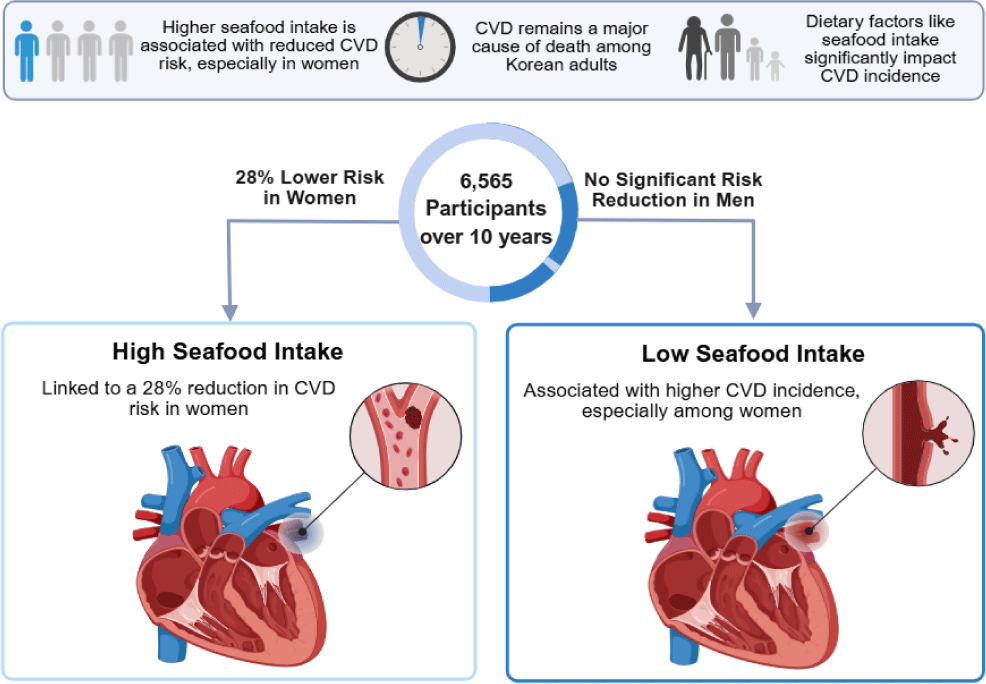
KoGES-based studies have examined the relationship between seafood consumption and the incidence of CVD, metabolic syndrome, and certain cancers in adults aged 40 years and older, with an average follow-up period exceeding 10 years (Park et al., 2022). Using an FFQ, these studies found that consuming fish at least three times per week was significantly associated with a reduced incidence of CVD, particularly among women, while higher seaweed consumption was inversely associated with the risk of metabolic syndrome. These findings suggest sex-specific differences in health benefits and underscore the potential role of both fish and seaweed in the prevention of chronic disease.
KNHANES-based studies have utilized nationally representative cross-sectional data to analyze associations between seafood consumption and various health markers. Individuals with higher seafood intake tended to have elevated blood levels of omega-3 fatty acids, which were positively associated with CV health indicators. Furthermore, significant correlations were observed between seaweed intake and biomarkers related to blood pressure and glucose regulation (Yang et al., 2021).
These Korean studies, utilizing long-term follow-up and large-scale cohorts, have provided valuable insights into the associations between seafood consumption and health outcomes. The use of standardized dietary assessment tools and adjustments for various confounding variables have enhanced the credibility of the findings. However, some studies lacked detailed classification of seafood types or excluded specific categories such as seaweed and shellfish. Future research should focus on more precise analyses of the intake of specific seafood categories and their relationships with health outcomes.
A recent Korean study utilizing 10-year longitudinal data from KoGES investigated the association between seafood intake and CVD (Park et al., 2022). This study followed 6,565 adults with a mean age of 55.65 years over a 10-year period, using FFQs to estimate seafood consumption. The study examined the relationship between seafood intake and various CVD outcomes, including myocardial infarction, coronary artery disease, congestive heart failure, cerebrovascular disease, and peripheral vascular disease. This results indicated that participants with higher seafood intake had significantly lower all-cause and CVD-specific mortality rates, with the protective effect being more pronounced among women. These findings align with previous research highlighting the CV benefits of seafood consumption and provide robust, population-level evidence from a long-term Korean cohort.
In addition to this study, several other cohort studies in Korea over the past decade have explored associations between seafood intake and various health outcomes. For instance (Kim et al., 2019), tracked approximately 20,000 adults over five years and reported an inverse association between oily fish consumption and dyslipidemia incidence (Ahn et al., 2023), examined a four-year dataset of older adults and found that higher fish intake was associated with a reduced risk of frailty. Similarly (Kim & Je, 2024), analyzed data from over 31,000 participants and found that frequent fish consumption over nine years was significantly inversely associated with depression risk. Collectively, these studies have examined the effects of fish consumption on CV, metabolic, and mental health indicators in various demographic groups. The increasing refinement of analyses by age, sex, and health status has improved the quality of recent research.
Nevertheless, systematic cohort studies focusing on specific seafood categories, such as shellfish and seaweed, remain limited in Korea. Future research should include a wider variety of seafood types and adopt more detailed dietary assessments to clarify the causal relationships between seafood consumption and disease risk.
In Denmark, a study based on the Diet, Cancer, and Health cohort examined the association between the intake of marine-derived omega-3 polyunsaturated fatty acids (n-3 PUFAs) and the incidence of atrial fibrillation (AF) and atrial flutter (AFL) (Rix et al., 2014). A total of 57,053 adults aged 50–64 years were followed for a mean duration of 13.6 years, and dietary intake of eicosapentaenoic acid, docosahexaenoic acid, and docosapentaenoic acid was assessed using an FFQ. Multivariate Cox regression analysis revealed a U-shaped, non-linear relationship between marine n-3 PUFA intake and the risk of AF/AFL, with the lowest risk observed at a moderate intake level (to 0.63 g/day). These findings suggest that excessive intake may not provide additional benefits and underscore the importance of defining optimal intake levels when recommending seafood consumption for CV prevention.
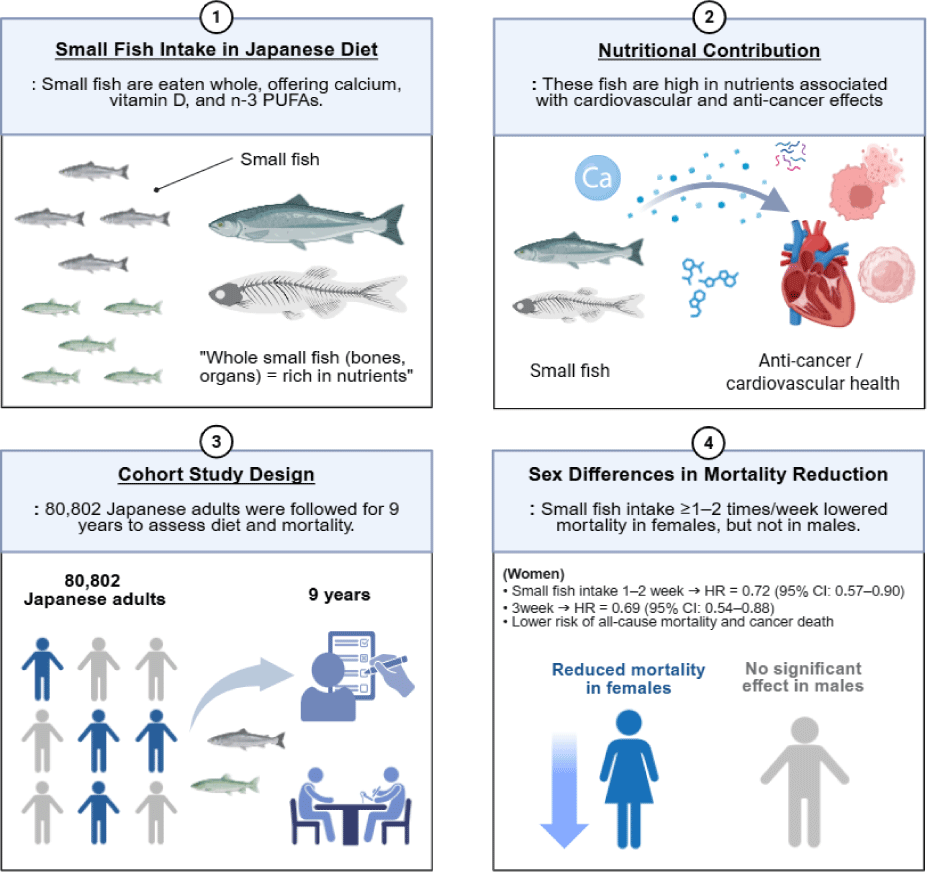
In Japan, the Japan Multi-Institutional Collaborative Cohort (J-MICC) Study investigated the relationship between the consumption of small fish (such as whitebait, Atlantic capelin, Japanese smelt, and small horse mackerel) and all-cause and cancer mortality (Fig. 3), (Kasahara et al., 2024). A total of 80,802 adults were followed for an average of 9 years, during which FFQs were used to assess the frequency of consuming small fish typically eaten whole, including bones and organs, such as anchovies, shishamo, and icefish. Multivariate Cox regression revealed a statistically significant inverse association between small fish intake and mortality among women, with those consuming small fish three or more times per week showing a hazard ratio (HR) of 0.69 (95% CI: 0.54–0.88) for all-cause mortality. No significant association was observed in men. These findings suggest that small fish, due to their high nutrient density (e.g., calcium, vitamin D, omega-3s), may offer greater health benefits than larger fish, particularly for women. This underscores the potential for sex-specific dietary recommendations.
Internationally, cohort studies assessing the health effects of seafood consumption have been actively conducted across various populations and countries (Table 1). Countries such as Denmark, Japan, the United States, China, and Iran, along with multinational European cohorts, have conducted long-term analyses of the relationships between specific seafood components (e.g., fish, marine omega-3 fatty acids, small fish, seaweed) and disease risk. For example, in Japan, (Miyake et al., 2014) conducted a 9-year study linking seaweed intake with reduced risk of depression; similarly, the JPHC study reported that higher seaweed intake was associated with a lower risk of CVD; in the United States(Deng et al., 2018), reported an inverse association between fish consumption and type 2 diabetes incidence over 18 years; and in China (Shao et al., 2022) followed 18,215 participants for 11.4 years and reporting a significant inverse relationship between seafood intake and CV mortality. In Iran, fish consumption has been associated with reduced risks of metabolic syndrome (Mirmiran et al., 2019), and multiple sclerosis (Abdollahpour et al., 2018). In Europe, large-scale cohort studies such as EPIC and InterAct have quantitatively assessed the relationships between seafood intake and chronic diseases such as cancer, diabetes, and CVD (Engeset et al., 2015; Patel et al., 2012). In addition(Mohan et al., 2021), using data from 191,558 participants in 58 countries, reported that fish consumption significantly reduced all-cause and CV mortality among individuals with pre-existing CV conditions, strengthening the global evidence for the preventive effects of seafood.
| Country | Seafood material | Notable health focus | Number of participants (people) | Investigation period (year) | Reference |
|---|---|---|---|---|---|
| Korea | Seafood | CVD | 6,565 | 10 | Park et al. (2022) |
| Oily fish | Dyslipidemia | 20,670 | 5 | Kim et al. (2019) | |
| Fish | Prevalence of frailty | 623 | 4 | Ahn et al. (2023) | |
| Fish | Depression | 31,632 | 9 | Kim & Je (2024) | |
| Japan | Small fish | Longevity | 80,802 | 9 | Kasahara et al. (2024) |
| Seaweed | Depression | 1,745 | 1 | Miyake et al. (2014) | |
| Seaweed | CVD | 86,113 | 20 | Murai et al. (2021) | |
| Denmark | Marine n-3 fatty acids | Development of atrial fibrillation/atrial flutter | 57,053 | 5 | Rix et al. (2014) |
| United States | Fish | Diabetes | 1,136 | 18 | Deng et al. (2018) |
| Iran | Fish | Metabolic syndrome | 3,382 | 3.6 | Mirmiran et al. (2019) |
| Fish | Multiple sclerosis | 547 | 2.3 | Abdollahpour et al. (2018) | |
| China | Fish | CVD mortality | 18,215 | 11.4 | Shao et al. (2022) |
| Spain | Fish | Mental disorder | 7,903 | 2 | Sanchez-Villegas et al. (2007) |
| UK | Seafood | Behavioral development | 5,969 | 2 | Nel et al. (2025) |
| 10 European countries | Fish | Cancer | 500,000 | 8 | Engeset et al. (2015) |
| 8 European countries | Fish | Type 2 diabetes | 16,835 | 12 | Patel et al. (2012) |
| 58 countries | Fish | CVD | 191,558 | 9.1 | Mohan et al. (2021) |
Importantly, many of these international studies have explored not only mortality and disease incidence but also other domains such as child behavioral development (Nel et al., 2025), mental health in older adults (Sanchez-Villegas et al., 2007), and biochemical markers. Furthermore, these studies have accounted for variations in seafood types (e.g., fish, shellfish, seaweed) and intake patterns through multidimensional analyses. Based on large sample sizes—ranging from several thousand to several hundred thousand participants—and extended follow-up durations (typically 5–20 years), the robustness of causal inferences is considerably strengthened. In contrast to the international landscape, Korean studies have primarily focused on fish consumption and have yet to examine other seafood subcategories, such as seaweed or shellfish, in depth. International research efforts have moved toward more comprehensive analysis frameworks, incorporating seafood diversity, sex- and age-specific effects, and cultural dietary contexts. This contrast underscores the need for Korean research to expand both its scope and analytical sophistication.
Discussion
This review comprehensively analyzed cohort studies conducted in both Korean and international contexts to evaluate the health effects of seafood consumption. The findings confirm that seafood contributes to the prevention of various chronic diseases and supports overall health maintenance. Notably, the health impacts varied by type of seafood—such as fish (Nooyens et al., 2018; Zhao et al., 2016), shellfish (Xu et al., 2022), seaweed (Chichibu et al., 2021), and small fish (Kasahara et al., 2024)—and were most strongly associated with CVD, cancer (Hu et al., 2019; Kolahdooz et al., 2010), metabolic disorders (Liaset et al., 2019; Tørris et al., 2018), cognitive decline (Nooyens et al., 2018; Zhang et al., 2016), depression (Lin & Su, 2007; Yang et al., 2018), and mortality (Chung et al., 2023; He et al., 2004; Jayedi et al., 2018).
Comprehensive analyses of Korean and international cohort studies confirm that seafood consumption plays a beneficial role in preventing chronic diseases and maintaining overall health (Guasch-Ferré & Willett, 2021; Jayedi & Shab-Bidar, 2020). However, the health effects vary considerably depending on the type of seafood consumed (Durazzo et al., 2022; Premarathna et al., 2022). For example, a Japanese cohort study reported that frequent consumption of small fish was significantly associated with reduced all-cause and cancer mortality in women (HR = 0.69, 95% CI: 0.54–0.88), whereas no such association was observed in men (Kasahara et al., 2024). Similarly, the Danish diet, cancer, and health cohort study found a U-shaped relationship between marine-derived n-3 PUFA intake and the risk of AF, suggesting that moderate consumption offers optimal protective effects (Rix et al., 2014). Another Japanese study linked increased seaweed consumption during pregnancy to reduced depressive symptoms, highlighting potential neurological benefits in addition to CV advantages (Miyake et al., 2014). These varied outcomes likely reflect differences in the nutritional composition among seafood types, including calcium, iodine, and long-chain polyunsaturated fatty acids (Farmery et al., 2020; Reksten et al., 2024).
Korea ranks among the highest seafood-consuming countries globally; however, existing cohort studies have predominantly focused on overall fish intake, with limited investigation into other seafood types or species-specific effects. Furthermore, international comparative studies indicate that countries with higher seafood diversity and higher consumption levels, such as Japan, tend to have lower CVD incidence compared to Western countries with lower seafood intake (Shirota et al., 2022; Tsugane, 2021). These observations underscore the need for Korean cohort studies to conduct more detailed analyses by seafood type, consumption frequency, cooking methods, and disease-specific outcomes.
In the Korean context, the limited scope of cohort-based seafood research-particularly the lack of studies on seaweed and shellfish—can be attributed to several structural and methodological factors. First, most national cohort datasets, such as KoGES and KNHANES, aggregate seafood categories, making it difficult to distinguish between specific types (e.g., oily fish, mollusks, crustaceans, and different classes of seaweed) in dietary analyses. This restricts the ability to conduct species-specific or nutrient-specific investigations. Second, dietary assessment instruments, including FFQs and 24-hour recalls, often include a limited number of seafood items, which may underrepresent actual consumption patterns, especially for less frequently consumed but nutritionally significant species. Third, research funding and policy priorities in Korea have historically focused on staple foods and terrestrial animal products, leading to relatively lower investment in long-term seafood-related cohort studies despite the country’s high seafood consumption. Finally, a lack of integration among fisheries statistics, nutrient composition databases, and health outcome datasets hinders multi-source data linkage and comprehensive analysis.
These limitations not only reduce the granularity and accuracy of epidemiological evidence but also delay the development of evidence-based dietary guidelines and functional food policies tailored to the diverse range of seafood consumed in Korea. Without addressing these structural constraints, national nutrition policy risks continuing to rely on generalized recommendations, potentially overlooking the specific health benefits or risks associated with different seafood categories.
Going forward, it is essential for Korean research to determine whether certain types of seafood provide superior protective effects, as suggested by findings from Japan and Europe (Chung et al., 2023; Murakami, 2022; Suk et al., 2024). However, internationally, comparative evidence on the relationship between specific seafood types and disease incidence remains limited. Therefore, there is a pressing need for more long-term, and detailed cohort studies across multiple countries (Vergères et al., 2024; Zelber-Sagi et al., 2017). Such research will strengthen the scientific evidence on the physiological functions and health-promoting properties of seafood, supporting the development of functional foods, the formulation of dietary guidelines, and national health promotion policies (Alpers et al., 2014; Satija et al., 2015). Given Korea’s rich seafood consumption culture and resource availability, the country is well positioned to lead seafood nutrition research and make meaningful contributions to global public health advancement.


