

Introduction
Sea cucumbers (Holothuroidea) are highly diverse marine invertebrates that play a pivotal role in maintaining the health and sustainability of aquatic ecosystems (Bhuyan et al., 2024; Ciriminna et al., 2024). These soft-bodied, elongated organisms are predominantly found in temperate and shallow seawater benthic zones, thriving in various marine environments (Chandra & Raghunathan, 2022). Their unique morphology, characterized by a lack of body segments, skeletal structures, and arms, distinguishes them from other marine invertebrates (Mercier et al., 2023). Typically, sea cucumbers exhibit species-specific skin coloration, with a lighter ventral surface and a darker dorsal side, aiding in camouflage and predator avoidance (Purcell et al., 2023).
The Philippines, is globally recognized hotspot for marine biodiversity, is home to an estimated 170 species of sea cucumbers, with 25–41 species belonging to Holothuriidae and Stichopodidae (Torreno et al., 2023). This remarkable diversity underscores the country’s critical role as a global hub for sea cucumber biodiversity and highlights the urgent need for targeted research and conservation initiatives (de Guzman & Quiñones, 2021). Beyond their ecological significance, sea cucumbers hold immense cultural and economic value, particularly in Asian markets where they are prized as a delicacy and for their use in traditional medicine (Pérez-Lloréns & Mouritsen, 2024; Song et al., 2020).
Ecologically, sea cucumbers are indispensable as deposit feeders, consuming organic matter and recycling nutrients into the ecosystem, enhancing nutrient cycling and sediment health (Besoña et al., 2024). Their feeding behavior also plays a crucial role in mitigating the accumulation of organic debris, reducing the risk of harmful algal blooms and other detrimental environmental impacts (Purcell et al., 2016). Additionally, sea cucumbers possess unique internal defense mechanisms, such as expelling their internal organs to deter predators, further enhancing their survival in predator-rich environments (Gianasi et al., 2021).
In Governor Generoso, Davao Oriental, sea cucumbers are ecologically significant and are a vital protein source for local coastal communities (Escobedo et al., 2025). However, the unregulated harvesting of these organisms has raised important concerns about their long-term sustainability. While residents report an abundance of sea cucumbers in the area, anecdotal evidence alone is insufficient to inform effective management strategies. Scientific assessments of sea cucumber populations in Governor Generoso remain scarce, leaving a critical gap in our understanding of their status and ecological dynamics (Arriesgado et al., 2022). Despite their ecological and economic importance, sea cucumbers face numerous threats, including over-harvesting, habitat destruction, and climate change (Jontila et al., 2014). Overharvesting, driven by high demand in international markets, has led to the depletion of many sea cucumber populations worldwide (Purcell et al., 2023). Habitat destruction, resulting from coastal development, pollution, and destructive fishing practices, further exacerbates the decline of these organisms. Climate change, with its associated impacts such as ocean acidification and rising sea temperatures, poses additional challenges to the survival of sea cucumbers, as it can alter their reproductive cycles and habitat suitability (Mercier et al., 2023).
Given their importance in marine ecosystems (e.g., bioturbation and nutrient recycling) and their socioeconomic value, it is vital to investigate their abundance, diversity, and the environmental factors influencing their abundance and distribution. This study addresses this knowledge gap by comprehensively assessing sea cucumber species diversity in Governor Generoso, Davao Oriental, and analyzing their relationship with key environmental parameters. By establishing a robust baseline of data, this research seeks to support the Local Government Unit (LGU) of Governor Generoso in formulating science-based policies and sustainable management strategies. Furthermore, the findings will contribute to broader conservation efforts, ensuring the preservation of sea cucumber populations and the ecosystems they sustain for future generations.
Materials and Methods
The study was conducted in three barangays in Governor Generoso, Davao Oriental, located at the southeastern tip of Mindanao, Philippines (see Fig. 1). Governor Generoso covers an area of 37,855.04 ha. The three study sites, each with distinct coordinates and habitats. Barangay Tiblawan (6°29’32”°N, 126°06’05”°E; 17.2410 ha): Dominated by seagrass beds, coral formations, and rubble, particularly toward the seaward end. Barangay Tamban (6°35’23”°N, 126°05’16”°E; 10.3366 ha): Primarily covered by seagrass beds and coral reefs, with rubble areas near the seaward side. Barangay Lavigan (6°19’01”°N, 126°11’06”°E; 24.9355 ha): Features seagrass beds, mangroves, and rubble-dominated zones toward the seaward end. All three sites share rubble areas near the seaward end, providing critical habitats for sea cucumbers. The variation in habitat types across the barangays allows for a comprehensive assessment of sea cucumber populations in Governor Generoso.
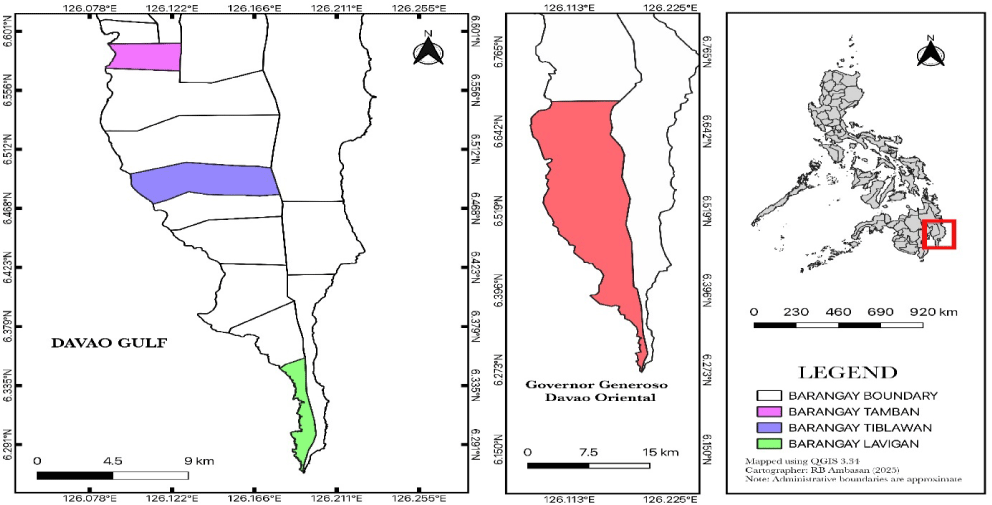
The study used transect tape, meter sticks, and tiebacks (plastic ropes) to collect data. The belt transect method was employed, with six transects established per site, 50 m running vertically from the shoreline. Each transect extended 2.5 m to the right and left, with 25-m intervals between transects (for each transect, there would be a total of 250 m2 that was scoured to find sea cucumbers). Sampling was conducted at night during the lowest tide to maximize visibility and accessibility. Sea cucumbers within the transects were identified, counted, and measured (cm). For preservation, one dorsal and one ventral specimen from each species were collected and preserved in 95% ethyl alcohol. Before preservation, specimens were cleaned with seawater to remove sediments. Laboratory preparations involved cutting and preservation techniques to ensure sample integrity. To support the field data, a questionnaire survey was distributed to 30 sea cucumber gleaners, with 10 respondents selected from the three barangays. The study aimed to gather additional fishing data, including harvesting practices and local knowledge about sea cucumber populations.
Morphological analysis of sea cucumbers involved measuring their length and width (cm). Length was measured from the mouth to the anus using a ruler, while width was recorded at the widest ventral part of the body. Additional characteristics, such as skin color, spots, and surface markings, were documented to identify species. These morphological features were critical for distinguishing between species and understanding their physical adaptations.
Spicule analysis was conducted at the Science Laboratory of Davao Oriental State College of Science and Technology, following the method outlined by Toral-Granda (2005). A 10 × 1 mm sample of the dorsal epidermis was extracted using a scalpel and blade. The sample was placed in labeled Eppendorf tubes and treated with a drop of household bleach for 10–20 minutes to dissolve collagen fibers. The spicules were then examined under a binocular microscope at 10× magnification using glass slides and cover slips. Species identification was performed using references from Kerr et al. (2006), Massin et al. (2002), and Schoppe (2000).
Environmental parameters such as water depth, temperature, and grain size of substrate were measured to help characterize the habitat conditions of sea cucumbers and their influence on their distribution. Water depth was recorded at each site using a meter stick. Substrate samples were collected using a trowel, with random sampling up to 10 cm deep. Samples were stored in labeled plastic cellophane mixed for homogeneity, and wet-weighed before placing inside cool containers. Later the sampled was air-dried for a week, re-weighed, and sieved to classify substrate composition (gravel, coarse sand, fine sand, and silt). Marine debris within transects, including plastics, cellophane, and bottles, was collected, stored in mesh bags, and dry-weighed using a scale. Definitions from Dissanayake & Stefansson (2012) were used as references for substrate classification.
Regression analysis was conducted to evaluate the relationship between environmental conditions and the abundance and diversity of sea cucumbers. This helped determine the dependency of sea cucumber populations on the examined ecological factors. Principal component analysis (PCA) was employed to analyze the association between the relative abundance of sea cucumbers and environmental conditions, providing insights into the key factors influencing their distribution. Additionally, a one-way analysis of variance (ANOVA) was applied to assess the significance of differences in catch species across the study sites. This statistical test helped identify whether variations in species composition were statistically significant.
Species diversity was calculated using the Shannon-Wiener Index (H’), a widely used metric for assessing biodiversity (Barnes et al., 1998; Maynawang et al., 2024). The formula for the Shannon-Wiener Index is as follows: The diversity was calculated using the following calculation:
This index measures species richness and evenness, with higher values indicating greater diversity. By applying this formula, the study quantified the area’s diversity of sea cucumber populations, clearly understanding their ecological distribution and community structure.
Results
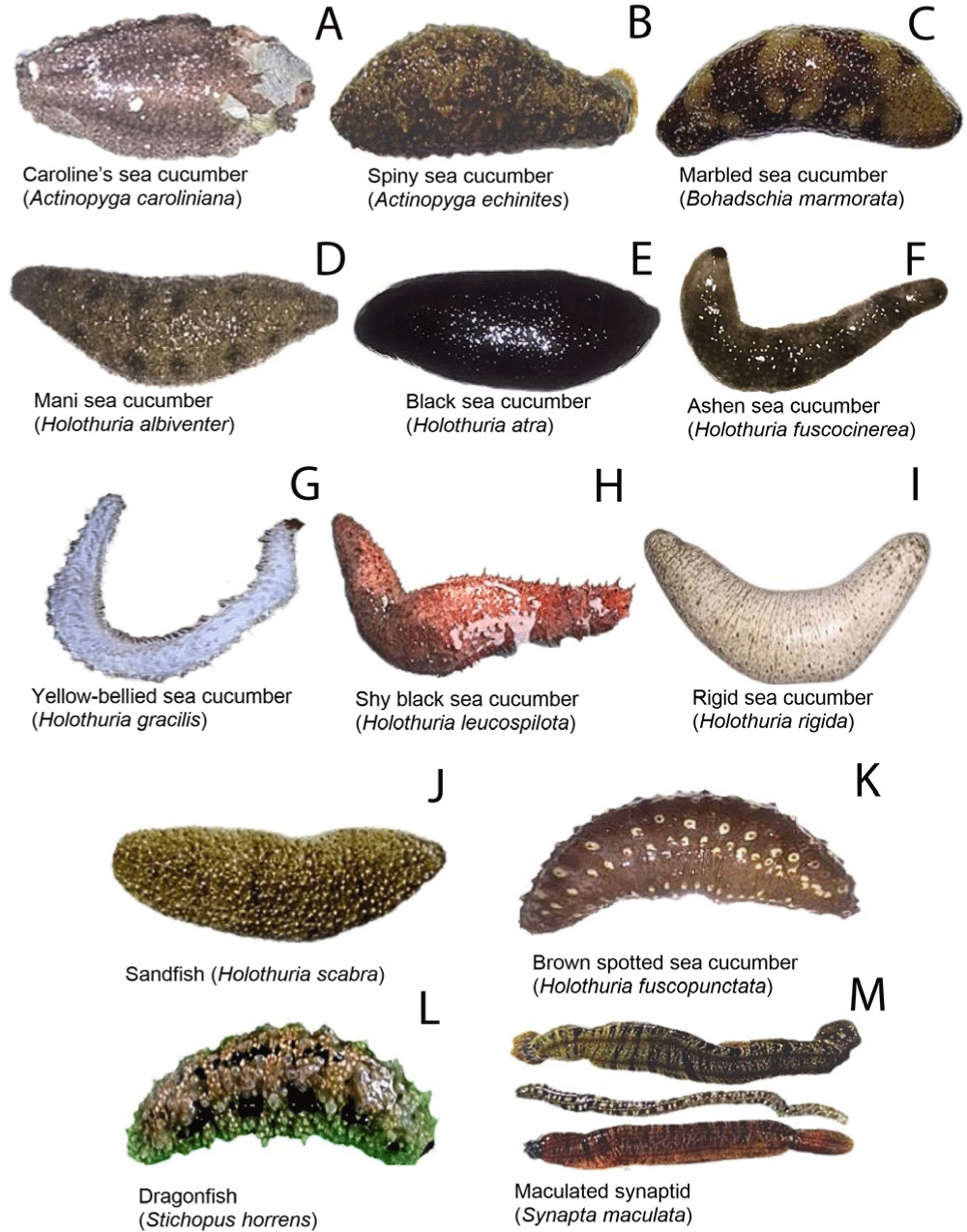
Thirteen sea cucumber species were identified across the three barangays in Governor Generoso, Davao Oriental (see Fig. 2). Barangay Lavigan recorded the highest species richness with 10 species, followed by Barangay Tiblawan (7 species) and Barangay Tamban (6 species). Five species—Actinopyga echinites, Bohadschia marmorata, Holothuria scabra, Holothuria leucospilota, and Synapta maculata—were consistently present in all sites, indicating their broad distribution and adaptability to varying habitat conditions.
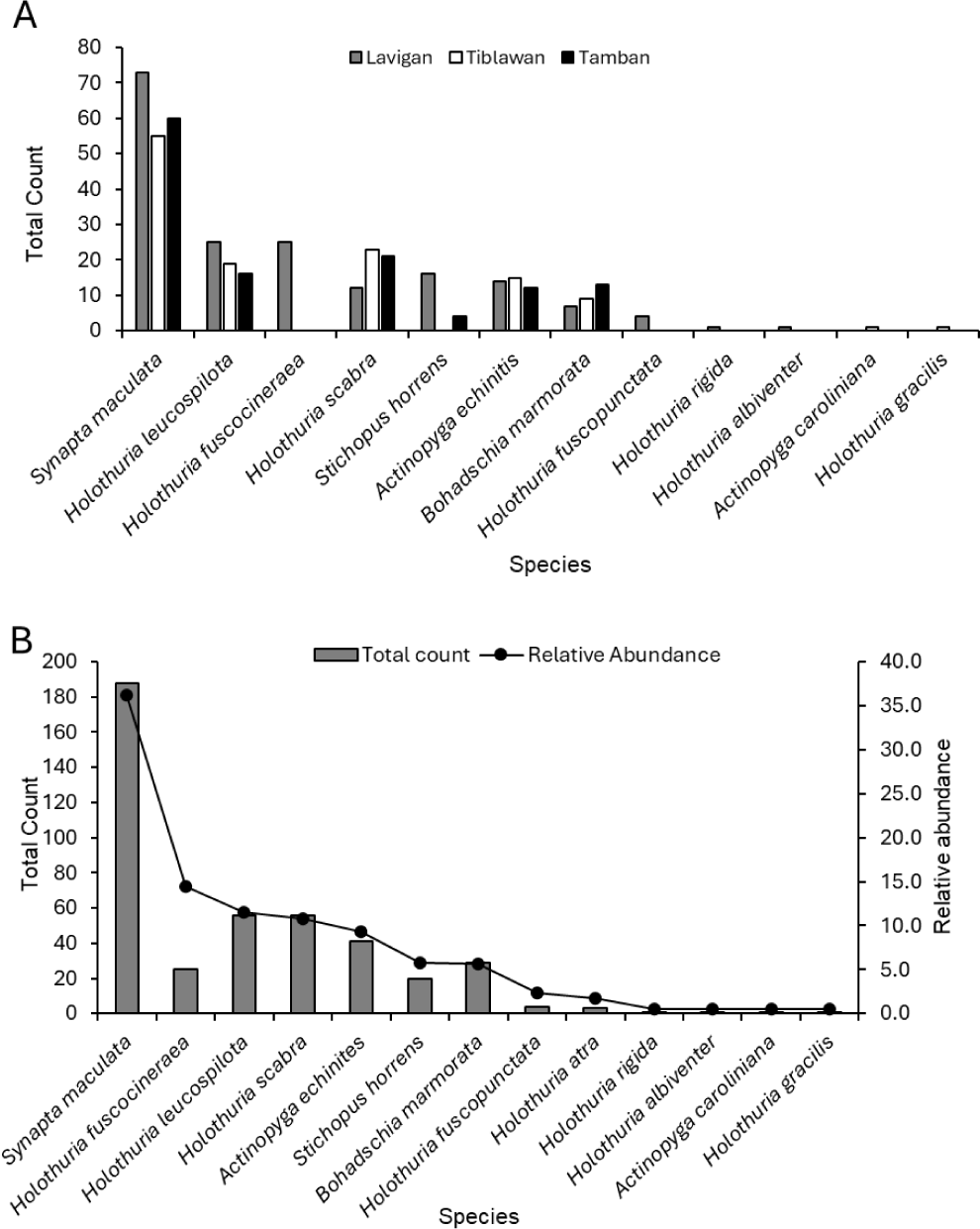
S. maculata was the most abundant species in all study sites with 73 individual counts in Lavigan, 55 in Tiblawan, and 60 in Tamban. This was followed by Holothuria leucospilota with 25 in Lavigan, 19 in Tiblawan and 16 in Tamban; then followed by H. scabra with 12 in Lavigan, 23 in Tiblawan and 21 in Tamban. Next, the fourth most abundant species was Actinopyga echinites with 14 in Lavigan and 15 in Tiblawan and 12 in Tamban. Species such as Holothuria fuscocineraea (25 in Lavigan) and Stichopus horrens (20 in Lavigan) showed moderate abundance (Fig. 3A). In terms of total counts, around 427 sea cucumber individuals were recorded across the study area. S. maculata was the most abundant species, with total count of 188 individuals, followed by H. scabra (56) and H. leucospilota (56) then A. echinites (41). This was followed by B. marmorata (29), Holothuria fuscocineraea (25), and Stichopus horrens (20); all the other species have limited contributions (Fig. 3B). Consequently, the relative abundance also showed that S. maculata dominated with a relative abundance of 36.9%, followed by H. fuscocineraea (14.4%), H. leucospilota (11.5%), and H. scabra (11.0%). The Shannon-Wiener diversity index was highest in Lavigan (H’ = 1.76), followed by Tiblawan (H’ = 1.49) and Tamban (H’ = 1.48), indicating more extraordinary species richness and evenness in Lavigan (Fig. 3B).
Interviews and logbook entries revealed that sea cucumber gleaning is a significant livelihood activity, particularly in Lavigan. Gleaners aged 35–55 collected sea cucumbers daily, weekly, or thrice a month, using hands in shallow waters and a tool called “pana” in deeper waters. Fresh sea cucumbers were sold locally or consumed as “kinilaw” or “pulutan,” while processed beche-de-mer was sold to traders. The most sold species over three months were A. echinites (4,150 g at 800 pesos/kg), Stichopus horrens (3,703 g), Holothuria nobilis (3,477 g), H. leucospilota (2,142 g), and H. scabra (840 g; Table 1).
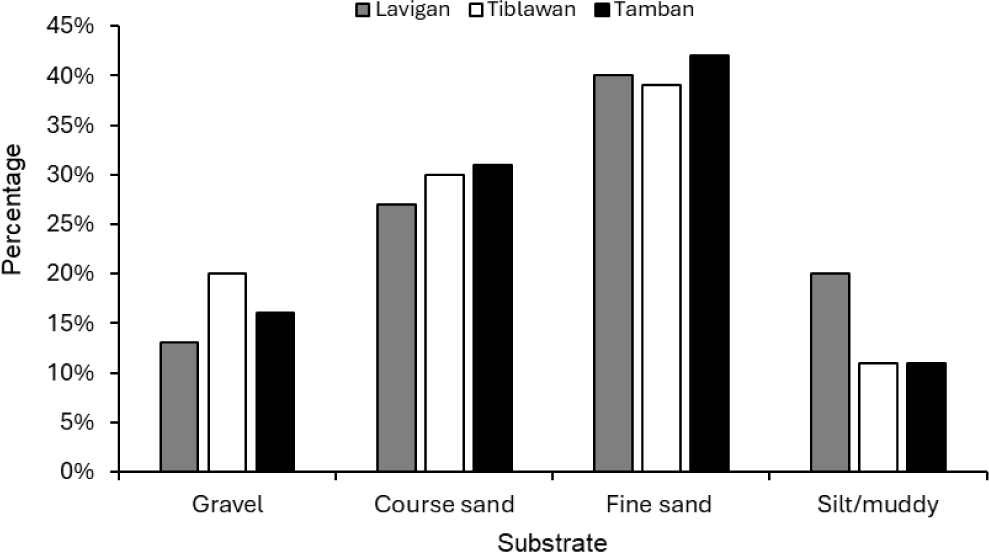
The surveyed sites had water depths ranging from 0.5 m to 1 m. Anthropogenic marine debris, primarily plastics and wrappers, was recorded at 1,040 g in Lavigan, 1,380 g in Tiblawan, ands 1,170 g in Tamban. Fine sand was the dominant substrate (4,500 m²), followed by coarse sand, gravel, and silt. The silt was particularly dominant in Lavigan.
PCA revealed that Component 1 explained about 58.50% of the variation (depth, course sand, gravel, and fine sand have high positive factor loadings) and Component 2 explained 28.20% of the variation (gravel had high positive factor loadings while anthropogenic marine debris had high but negative factor loading) were most significant in explaining environmental influences on sea cucumber counts (Table 2; Fig. 5). Silt showed a slight negative relationship with counts, while depth, coarse sand, find sand, and gravel were interrelated but distinctively linked to counts. In Component 2, gravel on a substrate also contributed highly and positively to its component, while Component 3 (12.30% variation) had minimal influence.
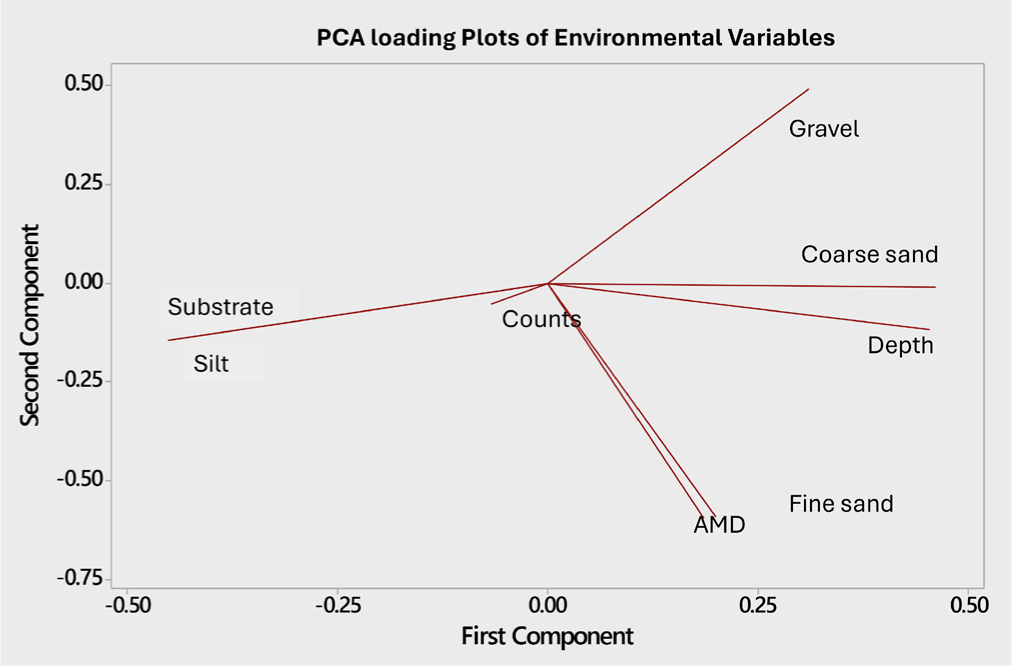
The ANOVA results showed no significant difference in catch across three months (df = 2; MS = 0.32; F = 1.16; p = 0.32), indicating consistent harvesting patterns and species composition. The ANOVA result for the different catch species of sea cucumber was obtained in Governor Generoso. There were no significant differences (df = 4; MS = 0.18; F = 1.34; p = 0.26) of the catch species in the area. This could mean that the volume of sea cucumbers being taken out of on area is similar in terms of the number of species caught.
Discussion
The results of this study provided valuable insights into the species composition, distribution, and environmental factors influencing sea cucumber populations in Governor Generoso, Davao Oriental. A total of 13 sea cucumber species were identified across the three barangays, with Barangay Lavigan exhibiting the highest species richness (10 species), followed by Barangay Tiblawan (7 species) and Barangay Tamban (6 species). This variation in species richness likely reflects differences in habitat complexity, environmental conditions, and human activities. Lavigan’s diverse habitat, which includes seagrass beds, mangroves, and rubble-dominated zones, may provide a more favorable environment for a broader range of species compared to Tiblawan and Tamban (Gianasi et al., 2021; Purcell et al., 2016). Many studies have demonstrated that seagrass beds host a higher diversity of sea cucumber species. For example, Arriesgado et al. (2022) reported that seagrass beds were associated with the presence of high-value sea cucumber species. Their accessibility for harvesting and high market value have driven the rapid overexploitation of these sea cucumber species.
Five species—A. echinites, B. marmorata, H. scabra, H. leucospilota, and S. maculata—were consistently present in all sites, indicating their ecological adaptability and resilience. These species thrive in diverse environmental conditions, making them key indicators of ecosystem health. Their widespread distribution suggests they play a significant role in maintaining ecological balance, particularly in nutrient cycling and sediment bioturbation (Besoña et al., 2024).
S. maculata emerged as the most abundant species, with high counts recorded in all three barangays. Its ecological tolerance and adaptability likely contribute to its widespread presence (Gianasi et al., 2021). Similarly, H. scabra and H. leucospilota showed significant abundance, reflecting their adaptability to varying habitat conditions. In contrast, B. marmorata exhibited a more localized distribution, with higher abundance in Tamban, suggesting habitat-specific preferences (Massin et al., 2002). The low abundance or absence of certain species, such as Actinopyga caroliniana, Holothuria albiventer, and Holothuria gracilis, may indicate their sensitivity to environmental conditions or restricted habitat preferences, highlighting the need for targeted conservation measures (Schoppe, 2000).
The Shannon-Wiener diversity index revealed that variation in diversity indices reflects differences in habitat quality and environmental conditions (Asaytuno & Baustista, 2024; de Guzman & Quiñones, 2021). Lavigan’s higher diversity may be attributed to its complex habitat structure and minimal human disturbance. The lower diversity in Tamban and Tiblawan could be due to environmental stress or habitat degradation (Purcell et al., 2016). Similarly, Arriesgado et al. (2022) observed low diversity in Laguindingan, Misamis Oriental, due to overharvesting in shallow areas. Sea cucumber harvesters in Mindanao noted the declining catch of sea cucumbers as the number of gleaners rise (Juinio-Meñez et al., 2024). These findings align with previous studies emphasizing the importance of habitat complexity in promoting marine biodiversity (Gianasi et al., 2021).
Environmental parameters, including substrate type and anthropogenic marine debris, significantly influence sea cucumber distribution. The dominance of coarse sand, fine sand, and gravel in Lavigan likely supports a diverse range of species, while anthropogenic marine debris in Tiblawan and Tamban may indicate habitat degradation (Roman et al., 2020). The PCA results highlight the importance of depth, coarse sand, and gravel in shaping sea cucumber populations, while anthropogenic marine debris and silt showed negative relationships with counts, suggesting suboptimal conditions (Maggioni et al., 2021). These findings emphasize the need for effective waste management and habitat restoration to mitigate the impacts of pollution and habitat degradation (Bersaldo et al., 2024).
The lack of significant differences in catch data indicates consistent harvesting patterns and species composition across the study area. However, the limited number of gleaners and the absence of comprehensive monitoring highlight the need for improved data collection and management strategies (Chambon et al., 2024). The findings of this study provide a valuable baseline for future research and conservation efforts, emphasizing the importance of science-based policies to ensure the long-term sustainability of sea cucumber populations and the ecosystems they support (Guizol, 2024).
Sea cucumber gleaning is a vital livelihood activity for local communities, particularly in Lavigan, where it serves as a primary or secondary source of income. The involvement of individuals aged 35–55 years with 3–20 years of experience highlights the traditional nature of this activity (Davis, 2022). However, consistently harvesting high-value species such as A. echinites and Stichopus horrens raises concerns about overexploitation. The seasonal trends in catch and sales suggest that certain species may have specific harvesting periods influenced by environmental conditions or species activity patterns (Parajuli et al., 2019; Zhang et al., 2022). This seasonal variability underscores the need for adaptive management strategies to ensure sustainable harvesting practices.
The predominance of fine sand and silt in Lavigan creates an environment that supports a higher diversity of sea cucumber species, whereas the presence of anthropogenic marine debris in Tiblawan and Tamban suggests habitat degradation, which may negatively affect species distribution. Immediate action is needed through comprehensive waste management programs and habitat restoration efforts to mitigate the harmful effects of pollution and habitat degradation, which threaten the sustainability of sea cucumber populations and the overall health of marine ecosystems (Morales et al., 2023; Verzosa et al., 2024). However, the lack of comprehensive monitoring, despite consistent harvesting patterns, underscores the need for enhanced data collection and management approaches. Given that sea cucumber gleaning is a key livelihood in Lavigan, adaptive management strategies are essential to regulate the harvest of high-value species like A. echinites and Stichopus horrens, ensuring sustainable practices and long-term ecological balance. Strengthening data collection and fostering community involvement will further enable effective, science-based conservation policies, and community-based management is crucial for long-term conservation.
Conclusion
Key strategies to achieve long-term, rigorous monitoring, and the implementation of science-based policies, to address overexploitation and environmental degradation aligns with the provisions of RA 10654 (the Philippine Fisheries Code). To combat seacucumber overexploitation, closures are necessary to allow for their population recovery, with robust enforcement mechanisms playing a critical role in the success of these interventions. While this study only looked at three study sites, which is limited, it can only provide a detailed analysis for those species that come out in the evening and during low-tide but not in the morning, and specifically those found underwater or under tidal influences, which was a limitation of our study sampling. We recognize that conservation efforts need more data but given what we have, it could be a starting point to consider and focus on protecting critical habitats, promoting sustainable harvesting practices, and regulating trade and export activities of sea cucumber. This study emphasized the pressing need for comprehensive monitoring, accurate reporting, and the development of scientifically informed assessments. For instance, the consistent harvesting of high-value species such as A. echinites and Stichopus horrens raises concerns about their overexploitation in the area. Our findings provide a valuable baseline for future research and conservation efforts, emphasizing the importance of science-based policies to ensure the long-term sustainability of sea cucumber populations and the ecosystems they support.


