

Introduction
The waters impacted by port activities such as vessel docking, cargo loading and unloading, and maritime transportation often generate pollutants that contaminate surrounding waters (Rozirwan et al., 2023a). Pollutants such as heavy metals, microplastics, and waste produced from these actions can result in a decline in the quality of water and have negative impacts on marine organisms residing in the vicinity (Khotimah et al., 2024). Pollutants absorbed by marine organisms can trigger increased antioxidant activity, enabling them to mitigate damage caused by free radicals (Jomova et al., 2023). In environments exposed to pollutants or other stress factors, marine organisms can rely on their antioxidant defense system to maintain internal balance and optimal health (Ritchie & Friesen, 2022). As a consequence of chronic exposure to environmental stressors, many marine species enhance the production or accumulation of antioxidant-related metabolites, reflecting adaptive biochemical responses rather than merely toxicological effects (Zhang et al., 2025).
Pollution from various anthropogenic sources has significantly impacted aquatic ecosystems worldwide. Pollutants like heavy metals, nanoplastics, and polycyclic aromatic hydrocarbons (PAHs) have been shown to adversely affect aquatic organisms, especially gastropods, which are used as bioindicators because they are sensitive to changes in their environment. For instance, trace metal elements along the northeastern sector of the Algerian coastline have been shown to induce oxidative stress in the gastropod Stramonita haemastoma as indicated by elevated levels of antioxidant enzymes and suppressed acetylcholinesterase activity (Bouzahouane et al., 2024). In Yanghu Wetland Park, heavy metal contamination has led to the regulation of catalase activity and reduced glutathione content in Bellamya aeruginosa (Yao et al., 2020). Similar oxidative stress responses have been observed in freshwater gastropods exposed to various other pollutants, such as nanoplastics in Geneva, Switzerland, and silver nanoparticles in protected aquatic gardens in France (Wang & Liu, 2024). Gastropod mollusks have been reported to contain a variety of bioactive secondary metabolites that contribute to ecological defense and pharmacological potential. Chromenyl derivatives with antioxidant and anti-inflammatory activities have been isolated from the marine gastropod Babylonia spirata, demonstrating significant free-radical scavenging and enzyme inhibition properties relevant to oxidative stress (Chakraborty & Salas, 2020). Beyond peptides and chromenyls, crude extracts of gastropod species such as Telescopium telescopium have been shown to contain common antioxidant and bioactive classes including alkaloids, steroids, and flavonoids, which are linked to radical scavenging activity and other biological effects (Rozirwan et al., 2025). Additionally, the release of thermal waste from atomic power plants in Tarapur, India, and PAHs in the Barents region have further demonstrated the detrimental effects of these pollutants on the physiological and reproductive health of gastropods (Ambekar et al., 2023). Collectively, these studies highlight the widespread impact of pollutants on aquatic organisms and underscore the importance of continued monitoring and assessment of aquatic environments to mitigate these effects.
An imbalance between free radical production and antioxidant activity can cause oxidative stress (Cecerska-Heryć et al., 2022). Antioxidants are compounds that play a role in inhibiting or reducing damage caused by free radicals in biological systems. Plants, animals, and marine organisms are rich sources of antioxidant compounds (Abeyrathne et al., 2022). Extraction of antioxidant compounds from plants involves taking various parts of the plant (fruits, roots, seeds, and leaves), which contain diverse compounds such as flavonoids, tannins, and vitamin C. Meanwhile, animals also provide antioxidant compounds, especially in the form of proteins and omega-3 fatty acids that can act as antioxidant agents (Furniturewalla & Barve, 2023).
Marine organisms in the class of gastropoda can serve as important bioindicators for environmental quality (Rozirwan et al., 2023b). The gastropods are a benthic group that has relatively high resistance to living in river estuaries compared to the Bivalvia class. Gastropods have a waterproof shell that functions as protection. In line with opinion of Hasibuan et al. (2021), the morphological characteristics of the shell are flexible and adaptable, with size and shape often correlated with defense mechanisms and anti-predator strategies within their habitat. Both species are often found in transitional zones between freshwater and saltwater environments that are vulnerable to pollution from human activities. Additionally, their life cycle and behavior can provide insights into organism responses to specific environmental factors. These gastropods can be a source of food for various living creatures, including migratory birds that visit the area (Rozirwan et al., 2023b). In this way, gastropods play a crucial contribution to maintaining the balance of the mangrove ecosystem and significantly contribute to the region’s biodiversity (Veettil et al., 2023). Changes in antioxidant activity in these gastropods can reflect environmental conditions. Furthermore, gastropoda are also recognized for its abundance of bioactive substances. Extraction from these gastropods can yield compounds. Marine organisms also utilize non-enzymatic antioxidant molecules such as glutathione, vitamin E, vitamin C, and other compounds that act as reactive oxygen species (ROS) scavengers, neutralizing them before they can cause cellular damage. The important role of antioxidants obtained from natural sources is to assist the endogenous antioxidant system to neutralize the negative effects of oxidative stress (Rozirwan et al., 2023c).
Examining the comparison between marine organisms living in areas exposed to port activities and those in conservation areas becomes relevant. Conservation areas tend to have more preserved environments and are minimally disturbed by human interference. The present study aims to investigate effect of species Nerita balteata and Cassidula aurisfelis on oxidative stress caused by environmental factors and its effect on health and stability of the ecosystem. The development of antioxidant agents is increasingly important due to the growing impact of oxidative stress and environmental pollution. Concerns over the long-term safety of synthetic antioxidants have driven interest in natural alternatives. Marine organisms, particularly gastropods inhabiting stress-prone mangrove ecosystems, possess adaptive biochemical mechanisms that enable the production of antioxidant-related compounds. Investigating these natural antioxidants is therefore essential for both pharmacological applications and understanding ecological responses to pollution-induced oxidative stress.
Materials and Methods
The sample of gastropods were obtained around the mangrove areas of Tanjung Api-Api Port and the conservation zones of Berbak Sembilang National Park, Banyuasin District, South Sumatra, Indonesia shown in Fig. 1. In these locations, there is abundant mangrove vegetation growing along the coastal shore. Mangroves provide shelter, food, and breeding grounds for various types of living creatures. The mangrove ecosystem provides an ideal environment for many organisms, including gastropods (snails) and crustaceans (shrimp, crabs, etc.) (Rozirwan et al., 2023c). All gastropod samples were collected within a single, consistent sampling period to minimize potential temporal variation in chemical composition. The selected samples consisted of two species from the gastropod class (N. balteata and C. aurisfelis), which were found to be dominant. N. balteata and C. aurisfelis are widely distributed and consistently abundant in both port-impacted and conservation zones, making them suitable representatives for comparative environmental studies. Their benthic lifestyle, close association with sediments and mangrove substrates, and limited mobility increase their exposure to environmental stressors such as pollutants, thereby enhancing their reliability as bioindicator species.
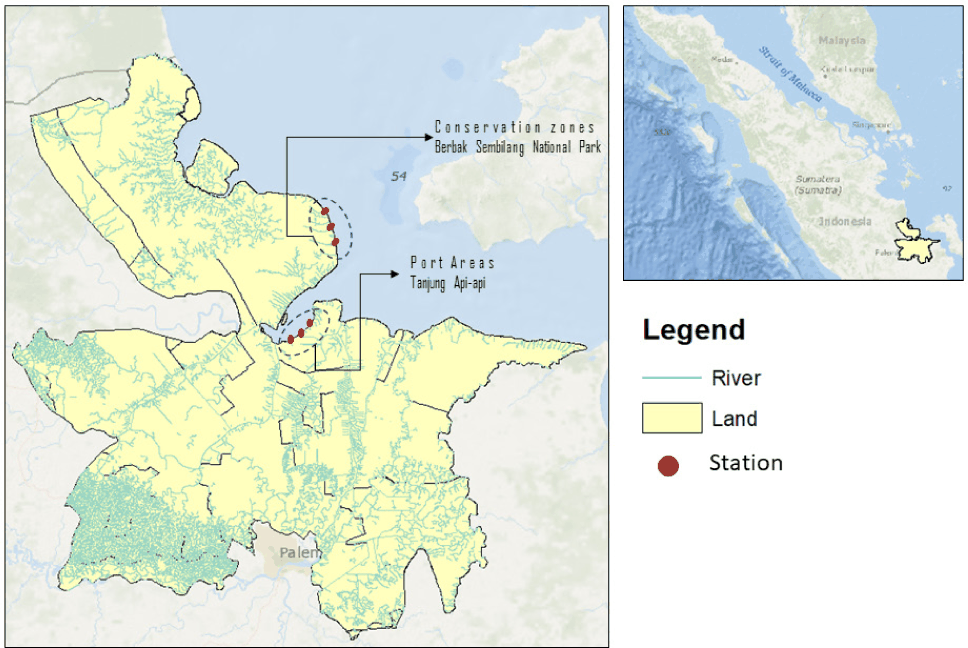
Environmental factors influence the presence of bioactive compounds in gastropods in a particular area. This relates to the presence of secondary metabolite production factors influenced by external biotic and abiotic factors Bagian Atas Formulir. Environmental parameters are assessed near the collection locations. These encompass salinity, dissolved oxygen (DO), pH level, and temperature (Rozirwan et al., 2023d). All environmental parameters are measured utilizing a multiparameter tool.
The modified sample preparation process refers to Wang et al. (2018). Sample were collected approximately 2 kg of whole gastropod specimens (shell-on) per species per site. All gastropod specimens were collected manually during low tide and transported to the laboratory in clean polyethylene bags under chilled conditions. Samples were thoroughly washed with running tap water to remove adhering sediment and epiphytes. The shells were manually separated from the soft tissues using stainless-steel dissection tools, and the soft tissues were further rinsed with distilled water (aquadest) to eliminate remaining debris or foreign materials. The wet weight of the soft tissues was recorded using an analytical balance (± 0.001 g accuracy). Samples were then oven-dried at 40℃ using a laboratory drying oven until constant weight was achieved. Depending on species and sampling location, the dry tissue mass obtained ranged from < 200 g to approximately 700 g. All dried soft tissues from the same species and site were pooled and ground into a homogeneous powder using a laboratory blender/grinder, then stored in airtight glass containers at room temperature in a dry and dark condition prior to extraction. From each homogenized sample, 30 g of dry powder was sub-sampled and macerated with 2 L of absolute ethanol (analytical grade, ≥ 96% purity) at a ratio of 1:4 (w/v) for 48 h at room temperature. Ethanol was selected as the extraction solvent because it has been reported to extract higher levels of flavonoids and other polar bioactive compounds compared to less polar solvents. In general, polar solvents are known to exhibit higher effectiveness in extracting antioxidant-related compounds, and the efficiency of extraction is strongly influenced by solvent selection. After maceration, the mixture was filtered using Whatman No. 40 filter paper (Cytiva, Maidstone, UK) to separate the liquid extract from the residue. The filtrate was concentrated using a rotary evaporator operated at 40℃ under reduced pressure until complete solvent removal, yielding a crude ethanolic extract. The extracts were then stored in amber glass vials at 4℃ until further analysis.
The antioxidant testing using the modified 2,2-diphenyl-1-picrylhydrazyl (DPPH) method refers to. A stock solution of 0.1 mM DPPH reagent (analytical grade, Sigma-Aldrich or equivalent) was prepared by dissolving 0.0019716 g of DPPH crystals in ethanol up to 50 ml in a volumetric flask. The preparation of serial concentration solutions was carried out by stepwise dilution with the stock solution of 2,000 ppm, resulting in serial concentrations of 62.5 ppm, 125 ppm, 250 ppm, 500 ppm, and 1,000 ppm. Each concentration was then mixed with 1 ml of 0.1 μM DPPH solution and 1 ml of 96% ethanol in vials to determine antioxidant activity, while for the pure vitamin C (ascorbic acid, analytical grade) extract solution, 1 ml of 0.1 μM DPPH solution was mixed and then homogenized. After that, it was incubated in a dark, light-minimized place for 30 minutes, subsequent to that, a wavelength of 517 nm was used used in the ultraviolet-visible (UV-Vis) spectrophotometer to measure absorbance and the process was replicated three times.
Qualitative chemical profile of gastropod extracts was conducted through qualitative methods. Involving tests for alkaloids, flavonoids, saponins, terpenoids/steroids, and tannins (Harborne, 1998).
Chemical screening analyses, including gas chromatography–mass (GC–MS) profiling, were conducted using extract samples obtained from a single representative sampling area.
The chemical profiles of the ethanolic extracts from N. balteata and C. aurisfelis were analyzed using GC–MS to identify volatile and semi-volatile bioactive compounds present in the samples. GC–MS was selected as an effective and widely used analytical technique for preliminary chemical profiling, particularly for the detection of low-molecular-weight compounds with sufficient thermal stability, which are commonly associated with antioxidant activity (Abd Rahim et al., 2018). The 1 μl extract was introduced or loaded on RTx-5MS capillary column. Helium (99.999% purity) with helium as a gas carrier at a differentiation of 1:50. The initial oven temperature was established at 50℃ for a duration of 5 minutes, then increased by 5℃ per minute until reaching a maximum temperature of 280℃ for 5 minutes. At a temperature of 280℃ the sample was injected.
The extract’s antioxidant capability is quantified as IC50, which has characteristic criteria to assess the potency of its antioxidative content (Brand-Williams et al., 1995) (Table 1). The IC50 value represents of the level antioxidant, in milligrams of dry material per milliliter, which hinders the formation of DPPH radicals by 50%, with the following formula (1).
| Concentration (μg/mL) | Classification |
|---|---|
| 150–200 | Low |
| 100–150 | Moderate |
| 50–100 | Strong |
| < 50 | Very strong |
The IC50 values were incorporated into an equation for linear regression, graphing the concentration of the samples on the horizontal (X-axis) and the antioxidant inhibition percentage on the vertical (Y-axis), utilizing the equation y = ax + b.
Results and Discussion
The growth and maturation of gastropods in estuarine waters are ecologically influenced by the quality of the water environment or its habitat. Water environmental parameters include temperature, DO, salinity, and pH (Table 2).
| Location | Environment quality | |||
|---|---|---|---|---|
| Dissolved oxygen (mg/L) | Acidity level | Temperature (℃) | Salinity (PSU) | |
| Port area | 5.91 | 7.3 | 31.5 | 10 |
|
Conservation zone |
6.93 | 7.08 | 27.6 | 20.4 |
Based on Table 2, the data indicates that the concentration of DO in the conservation zone (6.93 mg/L) is higher compared to that in the port area (5.91 mg/L). This indicates that the water quality in the conservation zone likely exhibits improved oxygen availability, enhancing conditions for aquatic organisms. The pH values were similar in both areas. The water temperature concentration in the port area (31.5℃) is higher than that in the conservation zone (27.6℃). Furthermore, the salinity of the water in the port area (10 practical salinity unit [PSU]) is lower compared to that in the conservation zone (20.4 PSU). This result provides an overview of the differences in environmental quality between the port area and the conservation zone. One possible factor that may cause this difference is the presence of pollution sources in the port area, such as industrial waste, domestic waste, or agricultural waste (Khotimah et al., 2024; Rozirwan et al., 2024a). This waste can reduce the accessibility of oxygen in the water through the decomposition of organic matter, which requires oxygen for decay. The conservation zone may receive a greater supply of fresh water or have better water movement, which brings oxygen from the atmosphere into the water. On the other hand, in port areas, water movement may be limited or obstructed by human infrastructure such as docks or embankments, which can reduce oxygen supply. The variance in water quality between the conservation zone and the port area can affect biodiversity in both locations. Areas with better water quality may support more diverse and healthier populations of organisms, while areas with poor water quality may have lower biodiversity (Ramses et al., 2020).
The gastropod species obtained in the field are N. balteata and C. aurisfelis (Fig. 2). Gastropods commonly inhabit estuarine mangrove areas, which are suitable habitats for them. N. balteata exhibits a shell length of approximately 3.1 cm and a shell width ranging from 2.1 to 2.2 cm. C. aurisfelis is characterized by a dark brown to blackish shell, with an overall shell size ranging between 2.5 and 3.0 cm.
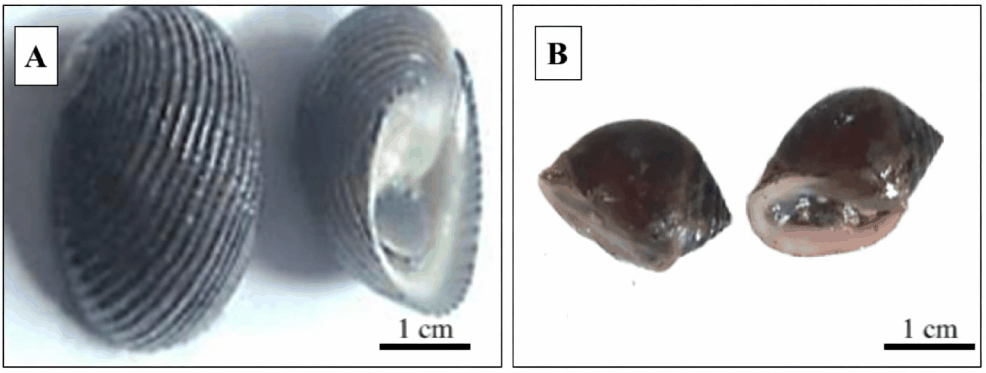
Gastropoda is a class within the phylum Mollusca, which is part of the Kingdom Animalia. Characterized by a wide range of shell diversity, which can vary significantly in shape, color, and pattern. However, the majority of gastropod shells are spiral-shaped with chiral symmetry. N. balteata is a species of marine snail belonging to the family Neritidae. This snail has a convex shell with a pointed apex. The shell color ranges from brown to greenish-gray, often adorned with dark or white stripes (Salvador & Yu, 2022). Meanwhile, C. aurisfelis is a species of land snail belonging to the family Succineidae, which has a relatively small and thin shell with a convex shape, typically brownish or grayish in color. This genus lives attached to rocks in rivers and rocky estuaries with relatively strong currents (Masithah & Islamy, 2023).
The proportion of weight loss in wet and dry samples of gastropods consistently for C. aurisfelis has the highest values in both areas at 76.59% and 77.14%, respectively, while N. balteata has the lowest values at 75.19% and 75.90% (Table 3).
Based on Table 3, the results indicate that the damp and arid weights of C. aurisfelis tend to be higher in the conservation zone, while for N. balteata, the values are higher in the port area. In the conservation zone have a more stable environment and be less disturbed by damaging human activities; thus, gastropods may have access to better food resources and an environment supportive of optimal growth. Gastropods in the conservation zone may tend to have a larger size and weight compared to those living in disturbed environments. On the other hand, the environment in the port area tends to have lower humidity levels and may be more influenced by human activities as well as environmental changes caused by shipping and industrial activities (Rozirwan et al., 2023e). Low humidity levels can affect the availability of water and food resources for gastropods, which in turn can limit their growth and development (Onwona Kwakye et al., 2021). The extraction process for gastropod samples is conducted using an ethanol solvent. The findings indicate that the yield of the extract generated by the C. aurisfelis has the highest value for the percentage of extract in both areas, amounting to 10.43% and 13.57%, respectively (Table 4).
The percentage of crude extract results indicates that both gastropod species (N. balteata and C. aurisfelis) tend to be higher in the port area compared to the conservation zone. The high environmental pressure in the port area may be one of the factors causing organisms such as gastropods to produce higher levels of bioactive compounds as self-protection (Rozirwan et al., 2023c). High environmental pressure in port areas can arise from various factors, such as exposure to chemical pollutants, changes in water temperature, fluctuations in salinity, or interactions with other organisms that may be harmful (Rozirwan et al., 2023c).
A decreasing IC50 value means that the inhibitor’s potential is stronger. The antioxidant assay results on two gastropod species from two different areas using the DPPH radical scavenging method with an ethanol solvent are summarized in Table 5. C. aurisfelis has higher IC50 values (38.984 μg/ml in the port area and 33.301 μg/ml in the conservation zone) compared to N. balteata (37.188 μg/ml in the port area and 40.011 μg/ml in the conservation area) in both tested environments.
Based on Table 5, vitamin C (ascorbic acid) used as a positive control showed an IC50 value of 22.821 µg/mL, classified as very strong antioxidant activity. Compared with this standard, the gastropod extracts exhibited slightly higher IC50 values ranging from 33.301 to 40.011 µg/mL, but they are still categorized as very strong antioxidants. C. aurisfelis has the highest in the port area and the lowest in the conservation area. Conversely, N. balteata has the highest in the conservation area and the lowest in the port area. However, the results also indicate that both N. balteata and C. aurisfelis in the port area as well as in the conservation zone exhibit very strong antioxidant activity. This suggests that these gastropod species have significant potential for providing protection to combat oxidative stress and damage induced by free radicals. The high antioxidant activity of these species may be attributed to various environmental factors in both locations, one of which may be heavy metal pollution (Khotimah et al., 2024). Based on previous research results in the study area, heavy metal concentrations in the Tanjung Api-Api port ranged from 7.01 to 11.81 mg/kg (pb in sediment), 0.0001 to 0.0021 mg/kg (pb in Scylla serrata), 3.7127 to 4.5347 mg/kg (Cu in sediment), and 0.03 to 0.0791 (Cu in S. serrata) (Rozirwan et al., 2023c). Meanwhile, for the conservation area study region, previous research conducted in 2021 also reported that heavy metal in the Barong River area ranged from 5.07 to 8.73 mg/kg (Pb) and 2.04 to 3.45 mg/kg (Cu) (Rozirwan et al., 2024a). The possibility of heavy metal pollution in conservation forest areas cannot be ignored. This area is not yet included in protected forests, meaning human activities such as fishing are still possible, although on a smaller scale. The antioxidant activity in gastropod species can be considered an indicator of environmental health (Astani et al., 2023).
The ethanolic crude extracts of gastropods, which exhibited the strongest antioxidant activity from both areas, underwent phytochemical screening. Based on the findings of this study, the gastropods N. balteata and C. aurisfelis contained groups of bioactive compounds, including alkaloids, terpenoids, and saponins (Table 6). The preliminary phytochemical screening conducted in this study failed to detect the existence of clusters of tannins, flavonoids, and steroids.
| Chemical classes |
Nerita balteata (port area) |
Cassidula aurisfelis(conservatioan zone) | Analysis type |
|---|---|---|---|
| Alkaloid | + | + | Qualitative |
| Flavonoid | – | – | |
| Terpenoid | + | + | |
| Steroid | – | – | |
| Saponin | + | + | |
| Tanin | – | – |
The results of chemical screening for secondary metabolite compound groups revealed the presence of alkaloids in both species (N. balteata and C. aurisfelis) in both areas. Although flavonoids, steroids, and tannins are also present in animal sources in certain amounts, they are generally more abundant and commonly found in plants. This is because plants utilize these compounds for various physiological functions and protection, while animals often acquire them from their diet (Tai & Chang, 2022). In addition, animals may also contain small amounts of alkaloids, terpenoids, and saponins through the consumption of plant-based foods. Alkaloids possess anti-inflammatory effects that can help decrease inflammation within the body (Li et al., 2020). Furthermore, alkaloids also exhibit antimicrobial properties that can help fight bacterial, fungal, and parasitic infections. Terpenoids often exhibit strong antioxidant activity and can help combat oxidative damage in the body caused by free radicals (Masyita et al., 2022). Saponins possess antimicrobial properties that can aid in combating bacteria, fungi, and viruses.
GC–MS analysis using samples of N. balteata (port area) and C. aurisfelis (conservation zone) was conducted due to their classification, with IC50 values ranked among the strongest compared to others. Detected compounds include various groups such as alcohols, aliphatic amines, lactones, alkaloids, glucose, esters, steroids, ketones, and organic fatty acids (Fig. 3). Compounds identified through matching peak heights on the chromatogram and mass spectra in the chromatogram graph corresponded precisely with those in the database library: WILEY 7 (Tables 7 and 8).
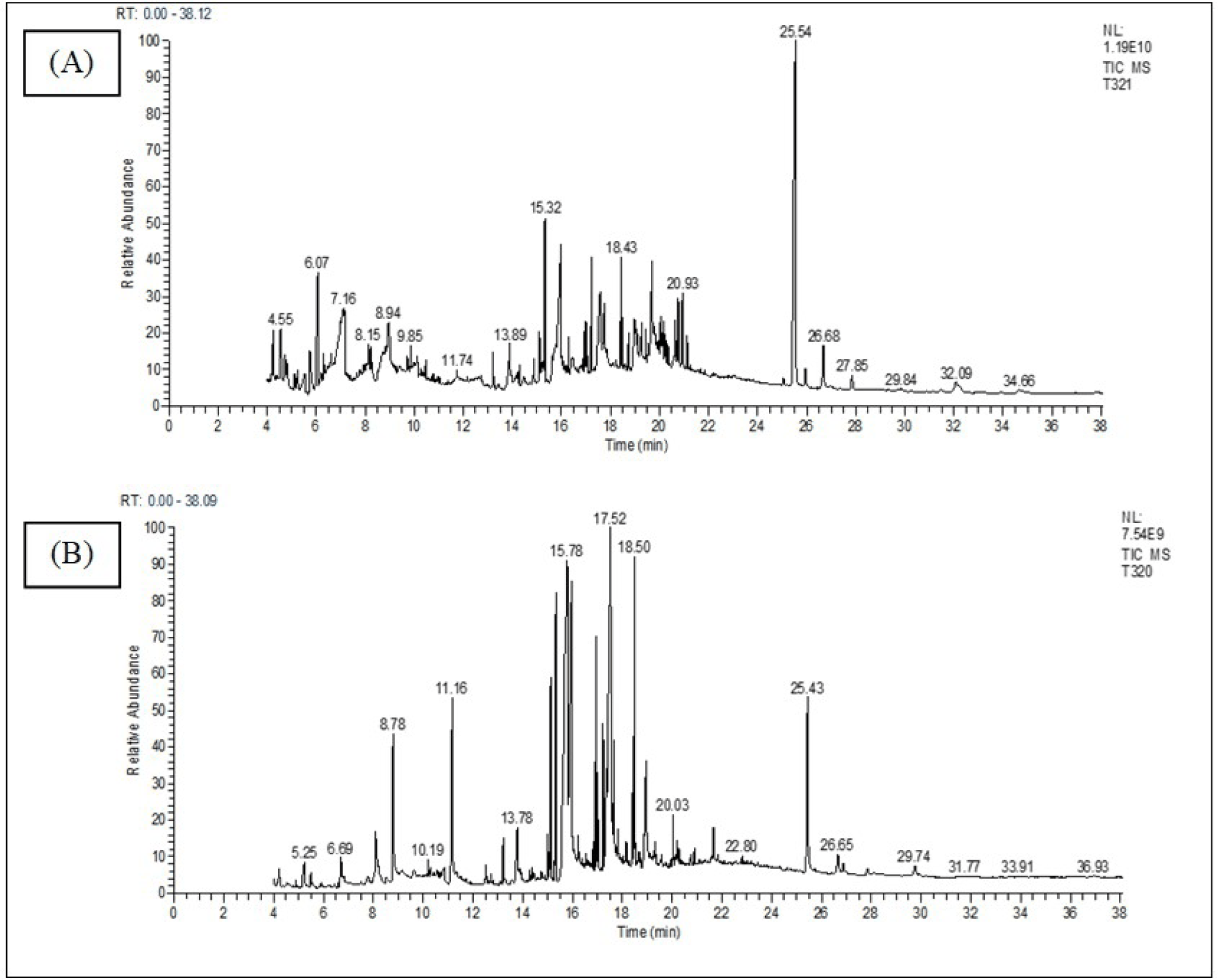
The results of screening secondary metabolite compounds from gastropod extracts using GC–MS can offer information about the molecular composition of the extracts and the potential bioactive compounds present in the gastropods. According to the GC–MS data of this research, the primary compounds in the N. balteata extract are cholesterol, which shows the highest peak at 19.97%, followed by n-hexadecanoic acid at 8.13%, and 2-piperidinone at a total of 9.85%. While, the main compounds in the C. aurisfelis extract belong to the Palmitic acid group, which constitutes 47.07% of the total composition. Other significant compounds include those in the fatty acid group (20.12%) and eicosapentaenoic acid (EPA) group (9.94%). The highest peak corresponds to cis-9-hexadecenoic acid from the Palmitic acid group at 15.6%, followed by trans-13-octadecenoic acid from the oleic acid group at 15.49%. These compounds are key components that define the biochemical profile of the species.
Importantly, several compounds identified in both gastropod extracts have been widely reported to possess antioxidant or radical-scavenging properties. Fatty acids such as palmitic acid, oleic acid, linoleic acid, and EPA are known to contribute to antioxidant activity either directly through radical scavenging or indirectly by modulating oxidative stress pathways and membrane stability. Unsaturated fatty acids, in particular, have been associated with the inhibition of lipid peroxidation and the regulation of cellular redox balance (Gawron-Skarbek et al., 2023; Nengroo & Rauf, 2019).
The compounds such as alcohols, aliphatic amines, lactones, alkaloids, glucose, esters, steroids, ketones, organic fatty acids, and their derivatives were detected as the main constituents. Alcohol compounds found in certain gastropods may produce toxic or unpleasant-smelling compounds disliked by their predators (Radwan et al., 2020). Some of the alcohol produced can act as a barrier agent or as an aphrodisiac to attract mates (Roychoudhury et al., 2022). Aliphatic amine compounds can possess antimicrobial properties, such as antibacterial or antifungal properties. This can help protect gastropods from bacterial or fungal infections that can be harmful to them. Lactone compounds can have antimicrobial or antibacterial properties that help protect gastropods from infections by pathogenic microorganisms. Alkaloids also exhibit toxic activity against animals. This is evident, as alkaloids are described not only as substances with antimicrobial or anticancer agents but also as substances that show insecticidal activity. Glucose is the main source of energy in living organisms and is stored as glycogen in animals and as starch in plants (Thawabteh et al., 2019). The ester compound group demonstrates both immediate and long-term anti-inflammatory characteristics, along with central analgesic properties (Rozirwan et al., 2024b). Steroid compounds play a vital regulatory role in all stages of insect development and reproduction, overseeing numerous biochemical and physiological processes (Rozirwan et al., 2024b). Ketone compounds for gastropods can play a role in the energy metabolism. They are capable of be used as an alternative source of energy besides glucose, especially in situations where the glucose supply is limited.
Organic fatty acids and their derivatives are compounds commonly found in the animal kingdom. They are essential components of animal fats and play various biological roles, including serving as a source of energy, cell membrane, and precursors for synthesizing various important molecules such as hormones and cellular signals. Palmitic acid, a fully saturated fatty acid, is frequently encountered in both plant and animal sources. When oxidized, palmitic acid can provide the energy needed for various biological processes within organisms (Jumina et al., 2023). Fatty acid can contribute to the regulation of cell growth and cellular specialization in organisms. The oleic acid group represents the predominant monounsaturated fatty acid found in higher organisms (Mitra et al., 2023). Arachidonic acid (ARA) plays crucial roles in vital biological functions such as growth, development, and act as a precursor to diverse lipid mediators. Research indicates that EPA can modify the composition of red blood cells and the cell membranes of myocardium and skeletal muscles in humans and animals. Linoleic acid, an unsaturated fatty acid, plays crucial roles in cellular physiology, immunity, and reproduction, serving as essential nutrition in various organisms.
Conclusion
The biochemical analysis of N. balteata and C. aurisfelis extracts revealed a range of bioactive metabolic compounds, including triterpenoids, saponins, and alkaloids. Notable compounds identified by GC–MS include alcohols, aliphatic amines, lactones, glucose, esters, steroids, ketones, and organic fatty acids and their derivatives. These bioactive compounds demonstrate strong antioxidant activity, which may play a crucial role in protecting the organisms from oxidative stress induced by environmental challenges such as pollution. The production of such compounds is likely part of the organism’s defense mechanisms, enabling them to maintain cellular integrity and mitigate damage caused by harmful external factors.


