Introduction
Marine fisheries play important roles in global food security and provide job opportunities and livelihoods for numerous coastal communities. The rapid growth of the human population and the rise in animal protein intake in developing countries make the need for marine food production increase in the next future (Armorim et al., 2019). Increased fishing pressures and excessive exploitation from this demand have made the long-term sustainability become global attention, especially in developing countries, where the appropriate management tools and political will are still low and hungers occur (Alam et al., 2021).
Indonesia is the second largest grouper-snapper-producing country of the world (Cawthorn & Mariani, 2017) contributing to 36% of the global catch production (Amorim et al., 2020).
Previous studies have described the stock condition of grouper-snapper fisheries using different approaches, such as spawning potential ratio (SPR) estimation dealing with the degree of exploitation (Ernawati & Budiarti, 2020; Herwaty et al., 2023; Rincón-Sandoval & López-Rocha, 2024) and harvest rule implementation, such as size limit and spatial closure (Herdiana et al., 2023), mostly reflected the low SPR value. In spite of above the recommended SPR, it is very close to the minimum critical level (Ernawati & Budiarti, 2020; Waterhouse et al., 2020).
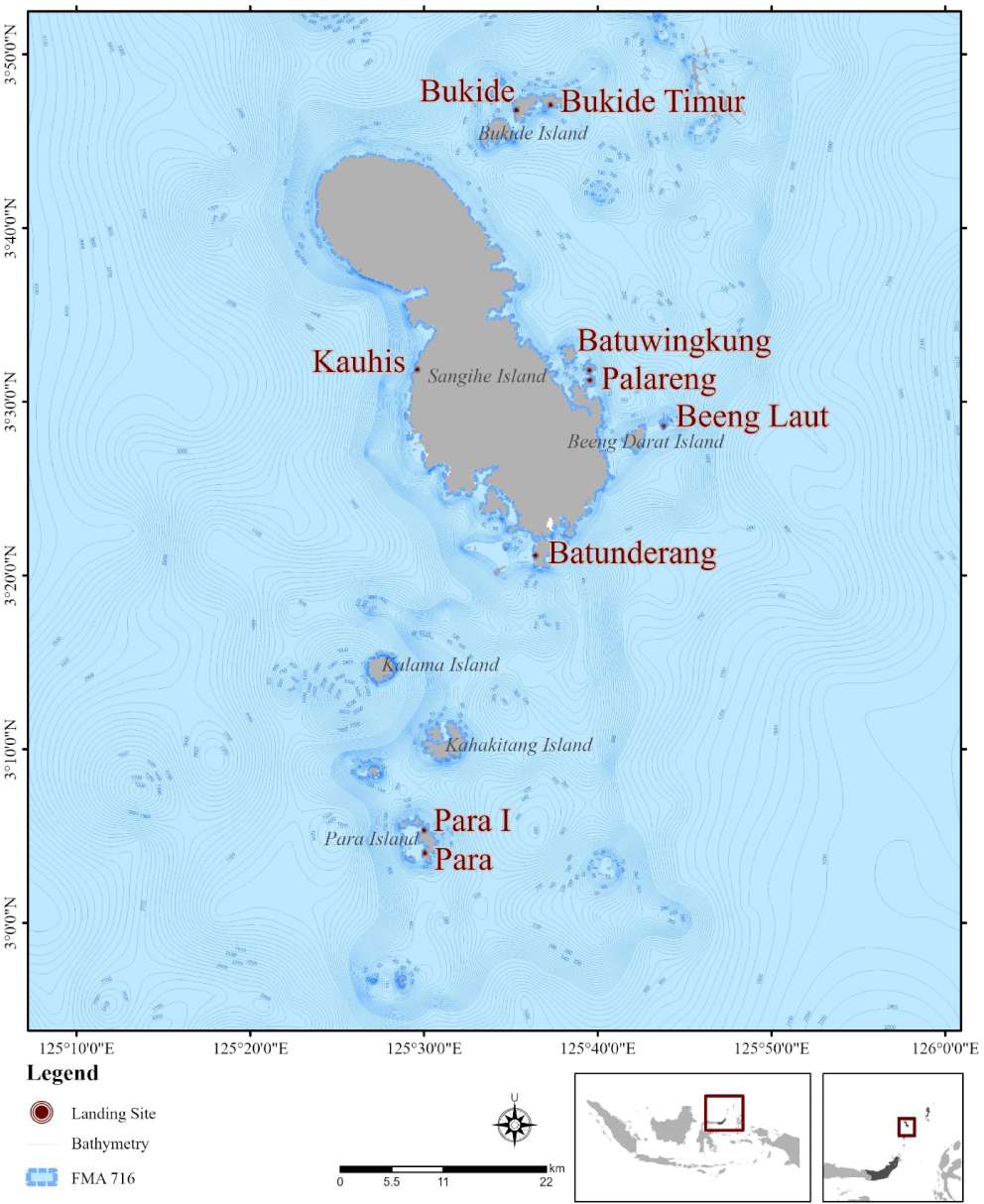
Sangihe Group of Islands possesses a significant fisheries resources potency, particularly reef and demersal fishes. It is located in North Sulawesi Province at the geographic position of 2°4’13”–4°44’22”N and 125°9’28”–125°56’57”E (Fig. 1) between the south of the Sulawesi Island and Mindanao, the Philippine (Sarapil et al., 2022). These waters are known as an important habitat for various reef and demersal fish of high economic value, such as grouper (Epinephelus spp.), snapper (Lutjanidae), and other coral fish.
One of the fish groups exploited in North Sulawesi belongs to coral-demersal fish group, such as snapper, trevally, and grouper, In general, snapper and grouper fisheries production has the first priority in North Sulawesi Province for coral-demersal fish commodity and becomes one of the major national contributor of grouper-snapper fisheries production (National Fisheries Data Board-MMAF, 2020). This study aims to evaluate and describe the status of grouper-snapper fish resources in the Sangihe Group of Islands regency.
Due to ecologically and economically important grouper-snapper fisheries, particularly for small-scaled fishermen, this finding is expected to be able to significantly contribute to the sustainability of grouper-snapper fish population in the waters of the Sangihe Group of Islands, support the local economic development. and become a reference to the stakeholders in making science-based decision to maintain the fisheries resources in the area.
Length-based fisheries are mostly developed in fisheries management, especially for limited data fisheries, and become one of the indicators in fisheries reference point (Cope & Punt, 2009; Punt et al., 2001), and can be taken as a fisheries stock status indicator (Trenkel et al., 2007). The reference point obtained through fisheries stock condition analysis is important in the policy making process related to fishing activity regulations (FAO, 1995).
Materials and Methods
Data collection was done in the period of May 2019–December 2021 and November 2022–December 2023, in Batunderang, Batuwingkung, Beeng Laut, Bukide, Bukide Timur, Kauhis, Palareng, Para, Para 1, the Sangihe Group of Islands (Fig. 1).
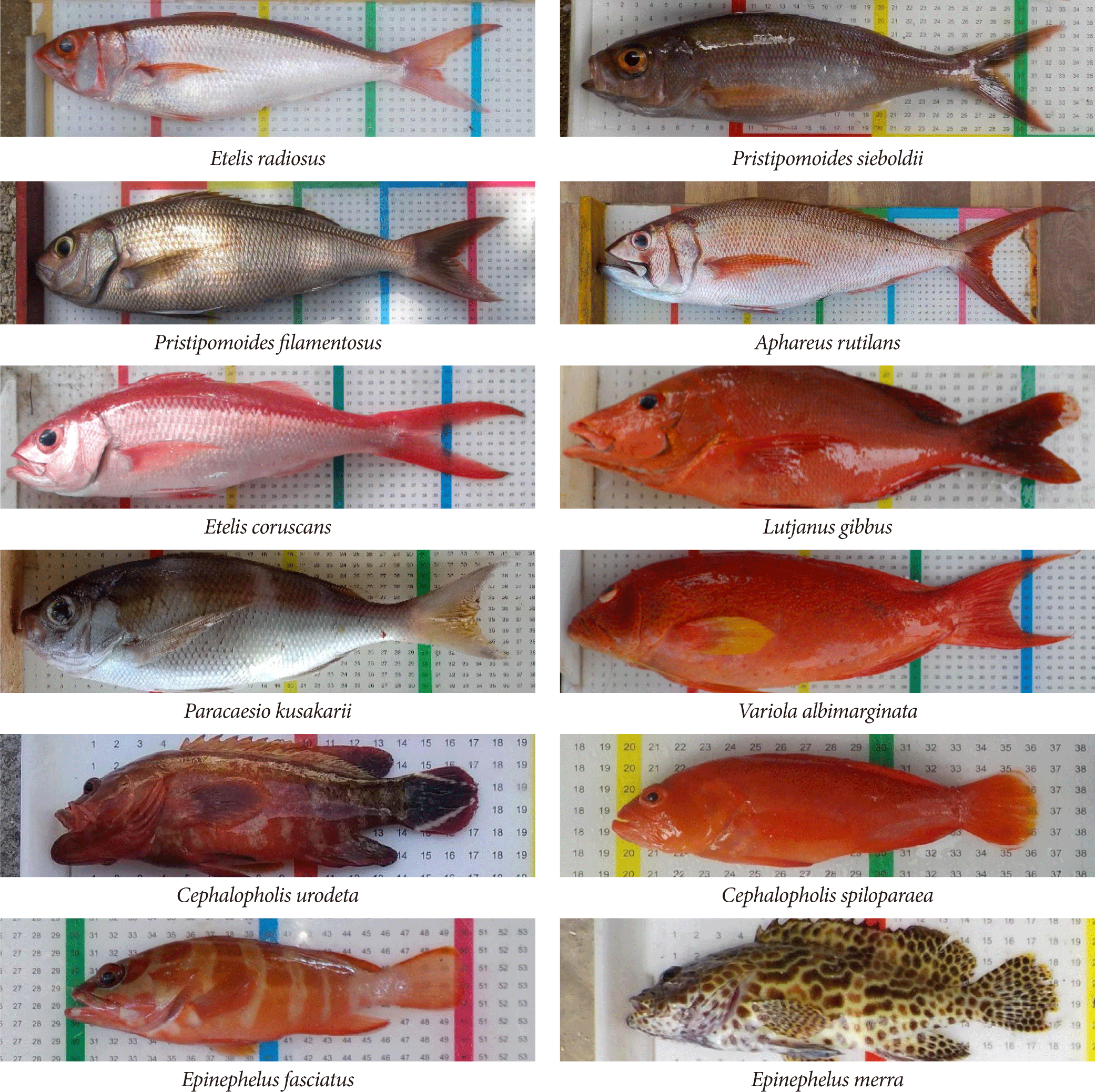
Data collection was done in fish landing center using sampling method for 7–15 days a month. Total individual length was recorded at the landing base using a 0.1 cm-ruler. There were 42 species of snappers and 52 species of groupers landed in the landing base with total catch of 29,224 individuals in 2019–2022 and 4,991 individuals in 2022–2023, respectively. The dominant snappers are Pale snapper (Etelis radiosus), Lavender snapper (Pristipomoides sieboldii), Crimson jobfish (Pristipomoides filamentosus), Rusty jobfish (Aphareus rutilans), Ruby snapper (Etelis coruscans), Humpback red snapper (Lutjanus gibbus) and saddle-back snapper (Paracaesio kusakarii), whereas groupers comprise White-edged lyretail (Variola albimarginata), Darkfin hind (Cephalopholis urodeta), Strawberry hind (Cephalopholis spiloparaea), Blacktip grouper (Epinephelus fasciatus) and Honeycomb grouper (Epinephelus merra; Fig. 2). For fish population condition analysis of snapper-grouper, only 12 dominant species were utilized.
Catch per unit effort (CPUE) analysis followed Gulland (1969) and Malasha et al. (2003) as follows:
where Ci is catch and fi is effort. Since fish were caught in various different fishing gears, the fishing effort was standardized using fishing power index (FPI) (Gulland, 1983):
where CPUEr = total catch per fishing effort of the gear needed to be standardized (ton trip–1), CPUEs = total catch per fishing effort of the standard gear (ton trip–1), and FPIi = fishing power index of the standardized and standard gear.
The length data were used to analyze growth parameters, mean length (), length at first maturity (Lm), optimal length at first caught (Lc_opt), mortality, exploitation rate, and SPR to describe the fisheries condition of the grouper-snapper in the Sangihe Group of Islands regency.
Growth parameters were estimated Von Bertalanffy equation (Sparre & Venema, 1999) as follows:
where Lt = the fish length at age t (cm), L∞= asymptotic length (cm); k = growth coefficient, and t0 is hypothetic age at the length equalling to zero. This analysis was facilitated with TropFishR software (Mildenberger et al., 2017).
Mean total length (L̅) was calculated in year unit using the following equation:
where L̅ = mean total length; Li = fish length i, and = number of samples.
Length at first maturity (Lm), 50% of the caught individuals are mature, was estimated following Froese & Binohlan (2000):
Log Log Lm = 0,8979 × Log Log L∞ – 0,0782
where Lm= length at first maturity and L∞= asymptotic length.
The optimum length (Lopt) was also calculated following Froese & Binohlan (2000):
Lopt = optimum length and L∞ = asymptotic length. Lopt is used as catchable individual fish size. In fisheries management, Lopt is bigger than length at first maturity (Lm) and smaller than the asymptotic (L∞).
Length at first capture (Lc) is the fish length where 50% of fish individuals are vulnerable to the fishing (ICES, 2018). The fish size below Lc will escape from fishing and can grow to bigger size. Length at first capture (Lc) was calculated using RStudio program (Mildenberger et al., 2017).
The optimum length at first capture (Lc_opt) was estimated following Froese et al. (2016):
Moreover, natural mortality and total mortality were estimated following Alverson & Carney (1975), Gislason et al. (2010), Pauly (1980), and Then et al. (2015) facilitated with R-Studio software. (Mildenberger et al., 2017). Total mortality (Z) and natural mortality (M) were used to obtain the fishing mortality (F) as follows:
The exploitation rate (E) was calculated following Pauly (1984) as follows:
where F is fishing mortality (yr–1), Z is total mortality (yr–1), and E is exploitation rate. The optimum exploitation rate is 0.5 (Pauly, 1984).
Length-based Spawning Potential Ratio (LB-SPR) estimation was carried out online through http://barefootecologist.com.au/lbspr referring to Hordyk et al. (2015). LB-SPR analysis needs length frequency data and was based on the biomass of each length class and the spawning stock biomass (SSB) as follows:
where Wt is mean “weight-at-age” and Nt is population at certain time. SSB was calculated at “pristine” (B0). The LB-SPR calculation was accomplished at different Lc and F as follows:
The reference point of the coral fish SPR was set following Ault et al. (2008). Internationally acceptable reference point of SPR is 20% as limit reference point, 30% as the lowest target reference point at the Maximum Sustainable Yield or the highest target reference point at the MSY, and 50% as target reference point at the Maximum Economic Yield (Prince et al., 2015). The National Committee for Fish Stock Assessment of Indonesia (Badrudin, 2015) has established the SPR values as a signal of fisheries resources exploitation condition, in which < 20% is categorized as over exploited (RED), 20%–30% as fully exploited (YELLOW), and > 30% as under exploited (GREEN).
The SPR ranges between 0–1. At pristine condition, the SPR can reach 1.0% or 100% of the natural potency, then will fall after the resouirces have been exploited. The SPR of 30–40% and 50% are proxy targets of the maximum sustainable yield (MSY) and the maximum economic yield (MEY) (Badrudin, 2015).
Results and Discussion
CPUE is one of the indicators used to describe a relative abundance of a fish resources in certain fishing ground (Harley et al., 2001; Quirijns et al., 2008). Since the exploitation used various different types of fishing gears, such as bottom trap, encircling gill net, set gill net, speargun, handline, and bottom longline, the fishing gears were standardized. The standarization was accomplished based on the fishing gear of the highest CPUE with the FPI = 1, the fishing gear possessing a high effectivity and efficiency in fishing operations. Based on the CPUE and FPI estimation, the handline had the highest CPUE, 6.82 kg trip–1 with an FPI of 1.0 (Table 1) meaning that the handline is the most effective and efficient fishing gear to catch coral-demersal fish, particularly in the Sangihe Group of Islands waters.
An increasing CPUE trend indicates a developing condition of fish exploitation rate, flat CPUE trend indicates the explotation rate approaching to maximum effort, and declining CPUE trend indicates an overfishing condition if continuously neglected.
The highest CPUE of the snapper and grouper occurred in 2020, approximately 7.43 kg trip–1 and the lowest in 2022, 5.27 kg trip–1, with mean CPUE of 6.40 kg trip–1 (Table 2). It means that the fisherman can catch snapper-groupers with mean catch of 6.40 kg trip–1. Even though the declined CPUE does not occur significantly, this condition needs to be aware to prevent overfishing.
| Year | Fishing effort (trip) | Catch (Kg) | CPUE |
|---|---|---|---|
| 2019 | 1149 | 8,222.82 | 7.16 |
| 2020 | 3501 | 26,008.93 | 7.43 |
| 2021 | 3109 | 18,687.66 | 6.01 |
| 2022 | 339 | 1,787.17 | 5.27 |
| 2023 | 905 | 5,770.37 | 6.38 |
| 2024 | 69 | 425.05 | 6.16 |
| Mean | 6.40 |
Table 3 demonstrates the population parameters and grouper-snapper fish stock conditions in the Sangihe Group of Islands. The fish resources indicated to be overfished were Crimson jobfish (Pristipomoides filamentosus), Humpback red snapper (L. gibbus), and saddle-back snapper (P. kusakarii). The fish of this group had an SPR < 0.2 and high fishing pressures with F/M > 1. Considering the SPR values, the over-exploited fish species have only < 20% of adult stock in nature that can contribute new offsprings compared with that of the “unfished” fish stock.
Lmin, min. Length of all measured samples (cm); Lmax, max. Length of all measured samples (cm); L, mean length (cm); Lm, length at first maturity (cm); Lc, length at first capture (cm); Lopt, optimum length (cm); Lcopt, optimal length at first capture; L∞, asymptotic length (cm); k, growth coefficient (yr–1); t0, age at length = 0 (yr.); Amax, max age (yr.); M, natural mortality (yr – i); Z, total mortality (yr – i); F, fishing mortality (yr – i); E, exploitation rate; % immature, percent immature fish caught; F/M, fishing and natural mortality ratio; SPR, spawning potential ratio.
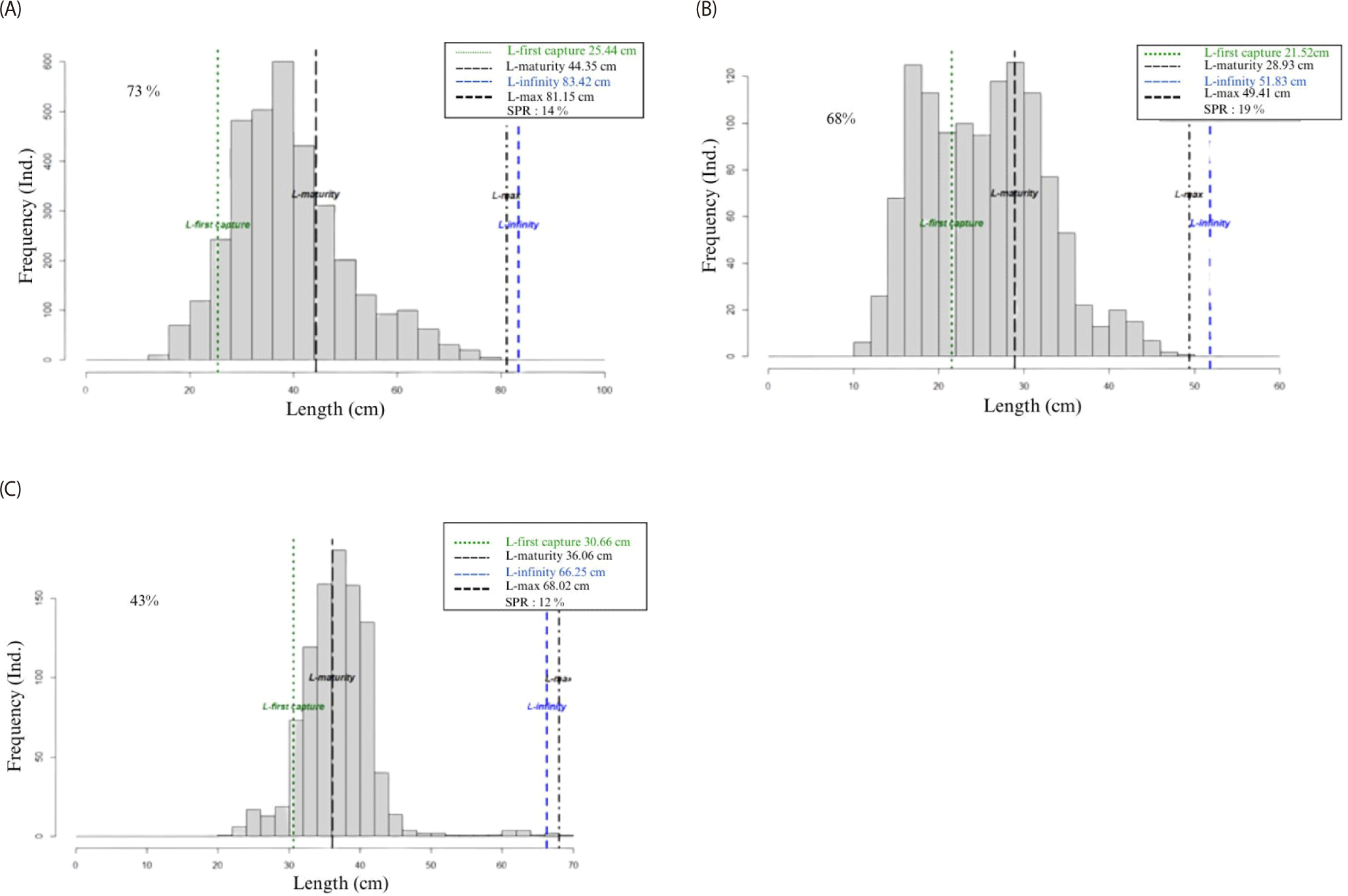
The size composition-based fishing condition with low SPR (< 0.2) is dominated by small size and immature individuals (Prince et al., 2015) and can be seen from Lc–Lm ratio (Froese & Binohlan, 2000). Mean length of Crimson jobfish (Pristipomoides filamentosus) at first caught (Lc) was 25.44 cm, much below the length at first maturity (Lm), 44.35 cm, indicating that Crimson jobfish (Pristipomoides filamentosus) is declining with 73% immature individuals. Similar situation could also be observed in Humpback red snapper (L. gibbus) with mean length at first caught was 21.52 cm, smaller than length at first maturity (Lm), 28.93 cm with 68% immature. High percent of the caught immature individuals can be an indicator of high explotation and fishing pressures (Froese, 2004; Pauly, 1984) and can lead to overfishing (Hilborn & Walters, 1992). Other overexploited fish species is saddle-back snapper (P. kusakarii) with high percent of immature small size (43%), Lc of 30.66 cm and Lm of 36.06 cm, respectively.
Besides SPR, F/M ratio and exploitation rate (E) also become key parameters to describe the exploitation rate and fishing pressures, with reference point of 1.0 for F/M ratio and 0.5 for F = M (Pauly, 1984; Rochet & Trenkel, 2003). The present study found that P. filamentosus, L. gibbus, and P. kusakarii had F/M of 1.35–2.41 with expoitation rate of 0.58–0.71. This condition indicates that the exploitation rate has exceeded the optimum rate (E > 0.5) causing a higher fishing mortality (F) than natural mortality (M) or F/M > 1 which results in stock decline (Fig. 3).
In management plan, the fish resources indicated as over-exploited are major target. Maintaining the fish stock sustainability could be done by regulating the Lc to be bigger than the size at first maturity (Lm) and the optimal size (Lopt) (Froese & Binohlan, 2000). It can reduce the catches of immature individuals and increase the SPR (Prince et al., 2015). Eighty percent of Crimson jobfish Pristipomoides filamentosus, Humpback Red snapper (L. gibbus), and saddle-back snapper (P. kusakarii) catches were mostly obtained using vertical handlines with hooks of number 6 to 22. Besides, sustainable fisheries management could be done by reducing the fishing efforts and avoiding the fishing target (Hilborn & Walters, 1992), especially Pristipomoides filamentosus, L. gibbus, and P. kusakarii in the present study.
The fish species categorized in fully-exploited stocks with an SPR of 0.2–0.3 were Pale snapper (E. radiosus), Lavender snapper (P. sieboldii), Ruby snapper (Etelis coruscans), White-edged lyretail (V. albimarginata), Darkfin hind (C. urodeta), and Strawberry hind (Cephalopholis spiloparaea). There are several species at immature stage caught in high numbers, E. coruscans, V. albimarginata, C. urodeta. These species have the Lc below Lm with 26%–45% of immature individuals. Based on F/M ratio and exploitation rate, 1.50–1.89 (F/M) and 0.60–0.65 (E), respectively, the stock condition will lead to overfishing risks and need specific fishing regulations, particularly Etelis coruscans and V. albimarginata which had catches of immature individuals ≥ 40%.
Meanwhile, Pale snapper (E. radiosus), Lavender snapper (P. sieboldii), and Strawberry hind (Cephalopholis spiloparaea) were mostly caught above minimum legal size with < 20% of immature individuals. However, these species had the exploitation rate far above the optimum level with F/M ratio of 1.31–3.68 and exploitation rate (E) of 0.57–0.79 so that they lead to overfishing (Hilborn & Walters, 1992; Pauly, 1984). For population management, the fish group of fully-exploited becomes the second priority for management after the fish stock is in over-exploited condition (FAO, 1995). An alternative handling could be directed to establishing the minimum individual size at the optimumm length (Lopt) (Froese & Binohlan, 2000), regulating fishing gears (Prince et al., 2015), and maintaning the extent of fishing efforts (Hilborn & Walters, 1992).
The under-exploited fish species with an SPR > 0.3 were recorded in Rusty jobfish (A. rutilans), Blacktip grouper (E. fasciatus), and Honeycomb grouper (Epinephelus merra). These species are dominated catches at the legal size (Lc > Lm) with immature individuals less than 20%. Such a fishing condition needs to be maintained to keep the the resource sustainability. The F/M ratio of Rusty jobfish (A. rutilans) was 0.69 with an exploitation rate below minimum exploitation (E < 0.5), indicating that the fishing activity belongs to underfishing category, so that fishing activities could be raised up to minimum limit (Pauly, 1984). Furthermore, Blacktip grouper (E. fasciatus) and Honeycomb grouper (Epinephelus merra) had F/M ratio of 1.14 and 1.06, respectively, with expoloitation rate of 0.53 and 0.51, respectively, so that fishing pressures on Blacktip grouper (E. fasciatus) and Honeycomb grouper (Epinephelus merra) need to be monitored without addition of fishing efforts to prevent the fish stock decline (Erisman et al., 2015; Sadovy et al., 2003).
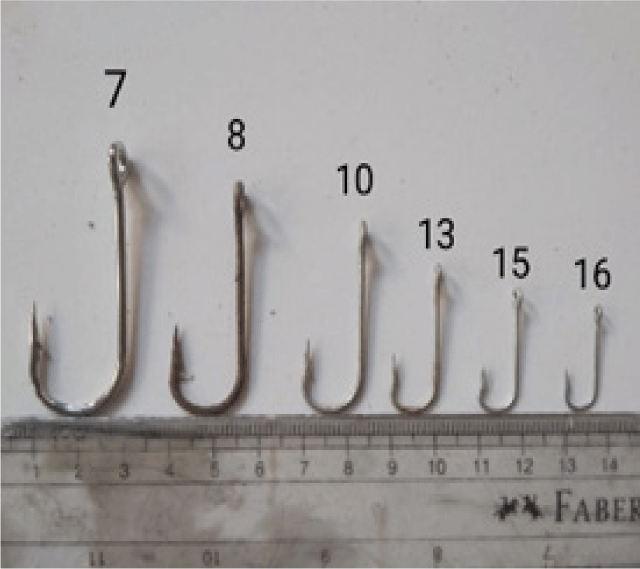
The fish stock condition of an SPR < 20% has alarmed the future of the grouper-snapper fisheries in the waters of the Sangihe Group of Islands and needs an effective management policy through science-based fishing control regulation implementation on the target species. It is in agreement with Dowling et al. (2015) that the use of fish stock status indicator needs to be followed through law enforcement. Previous studies in 2019–2021 are taken as a reference point to evaluate the stock condition and determine the harvest strategy based on stock abundance estimation, since science-based management is crucial in formulating the management plan (McQuaw et al., 2021). The previous study in 2019–2021 has recommended to use the hook > #5 to reduce small immature fish catches as established in the decree of the Ministry of Marine Affairs and Fisheries, Indonesian Republic No.123, 2021 concerning Management Plan of Grouper-Snapper Fisheries.
In 2022–2023, there were 2 species of under-exploited status, 4 species fully-exploited status, 4 species of over-exploited status, and 2 other priority species of insufficient available data (n < 100; Table 4). The under-exploited species with an SPR of 0.3 were Rusty jobfish (A. rutilans) and White-edged lyretail (V. albimarginata); the fully-exploited species were Humpback red snapper (L. gibbus), Saddle-back snapper (P. kusakarii), Darkfin hind (C. urodeta), Strawberry hind (Cephalopholis spiloparaea); the over-exploited species were Pale snapper (E. radiosus), Lavender jobfish (P. sieboldii), Crimson jobfish (Pristipomoides filamentosus), Ruby snapper (Etelis Coruscans). There were 2 grouper species could not be analyzed due to insufficient minimum number of individuals (n < 100) with a total of 4,491 individuals mostly caught by vertical handliners (Table 5).
In comparison with the previous stock condition (2019–2021), the present study found that changes in stock condition occur in some species of grouper-snapper indicated with the SPR value. The fish stock condition could be affected by fishing pressures (F/M) and mean length of the catch.
Table 4 shows that 3 snapper species of genera Etelis and Pristipomoides have a status change from fully-exploited to over-exploited due to increased F/M and declined mean length, whereas White-edged lyretail grouper (V. albimarginata) stock condition recovered at the evaluation year of 2022–2023 from fully-exploited to under-exploited due to declined fishing pressures from 1.6 to 0.6 and increased mean length by 1.2 cm (Table 4).
Based on 2022–2023 data, snapper and grouper handline fishing activities did not use the hook size recomended in the study period of 2019–2021. Fishermen’s compliance on the hook size regulation ranged between 0%–36% for the twelve managed species and these are considered to be low enough. The compliance on hook size implementation on 7 priority species of managed snappers (no. > 8) ranged between 2%–36%, and most fishermen used hook size of 12 (24%). For 5 priority species of the manage groupers, the compliance ranged between 0%–12% and fishing tended to use hook size of #14 (56%) (Figs. 4 and 5). It impacts on the catch below the minimum legal size that affects the fish stock condition in nature.
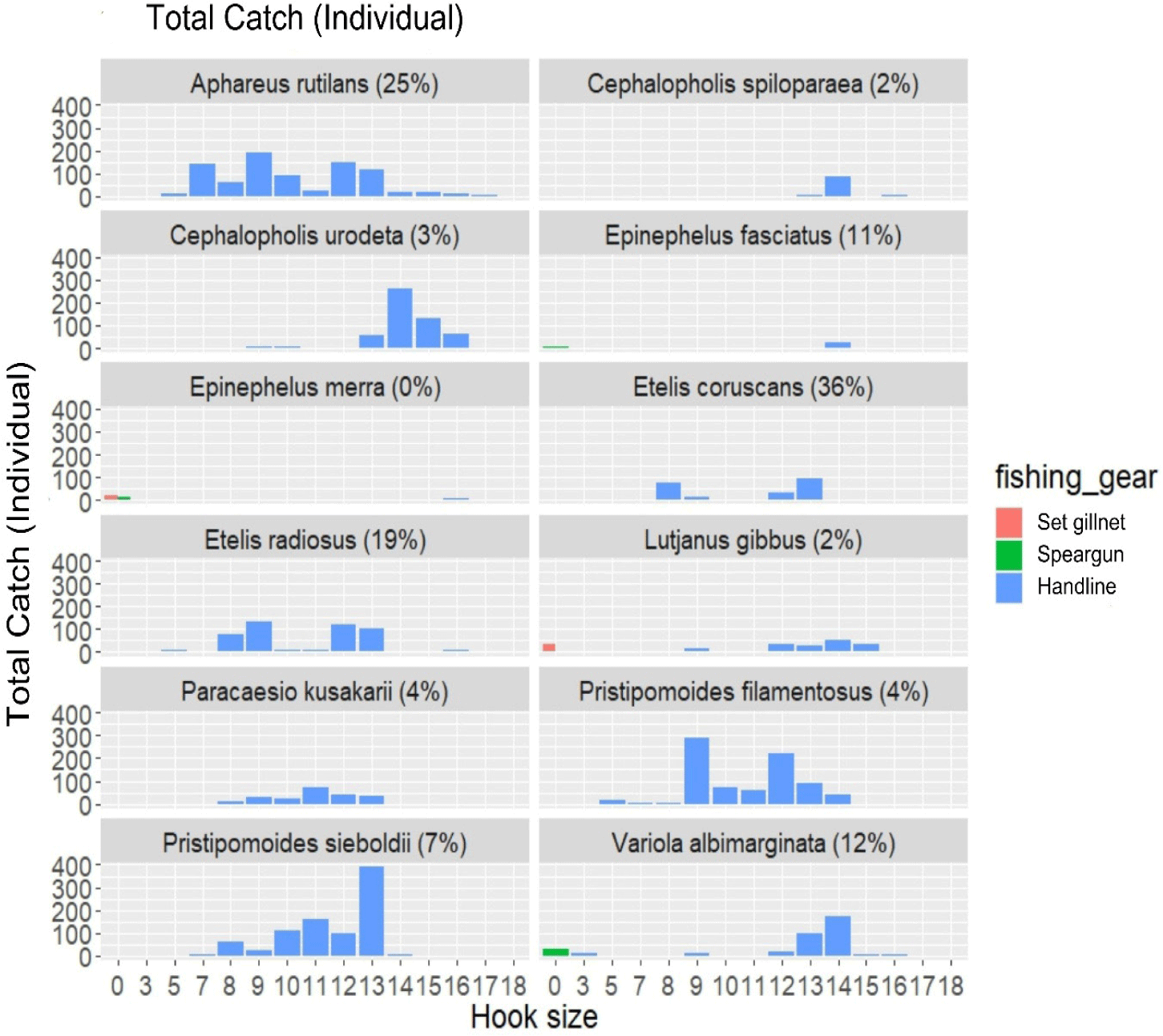
In 2022–2023, fishermen used the hook size of 9–14 to fish snapper Pristipomoides filamentosus. Nevertheless, the fishermen’s compliance to implement the use of hook size regulation was only 4%. As a result, 88% of the total catches are dominated by immature individuals. This species reach maturity at 44.35 cm long. It impacts on a low SPR, 0.03, the stock condition is over-exploited (Fig. 6). Similar situation is also shown by Herdiana et al. (2023) on the grouper fishery in Saleh Bay, Indonesia, that the fishermen’s compliance to the harvest control rules needs sufficent awareness to be able to maintain the fish stock potentiality to deliver new offsprings.
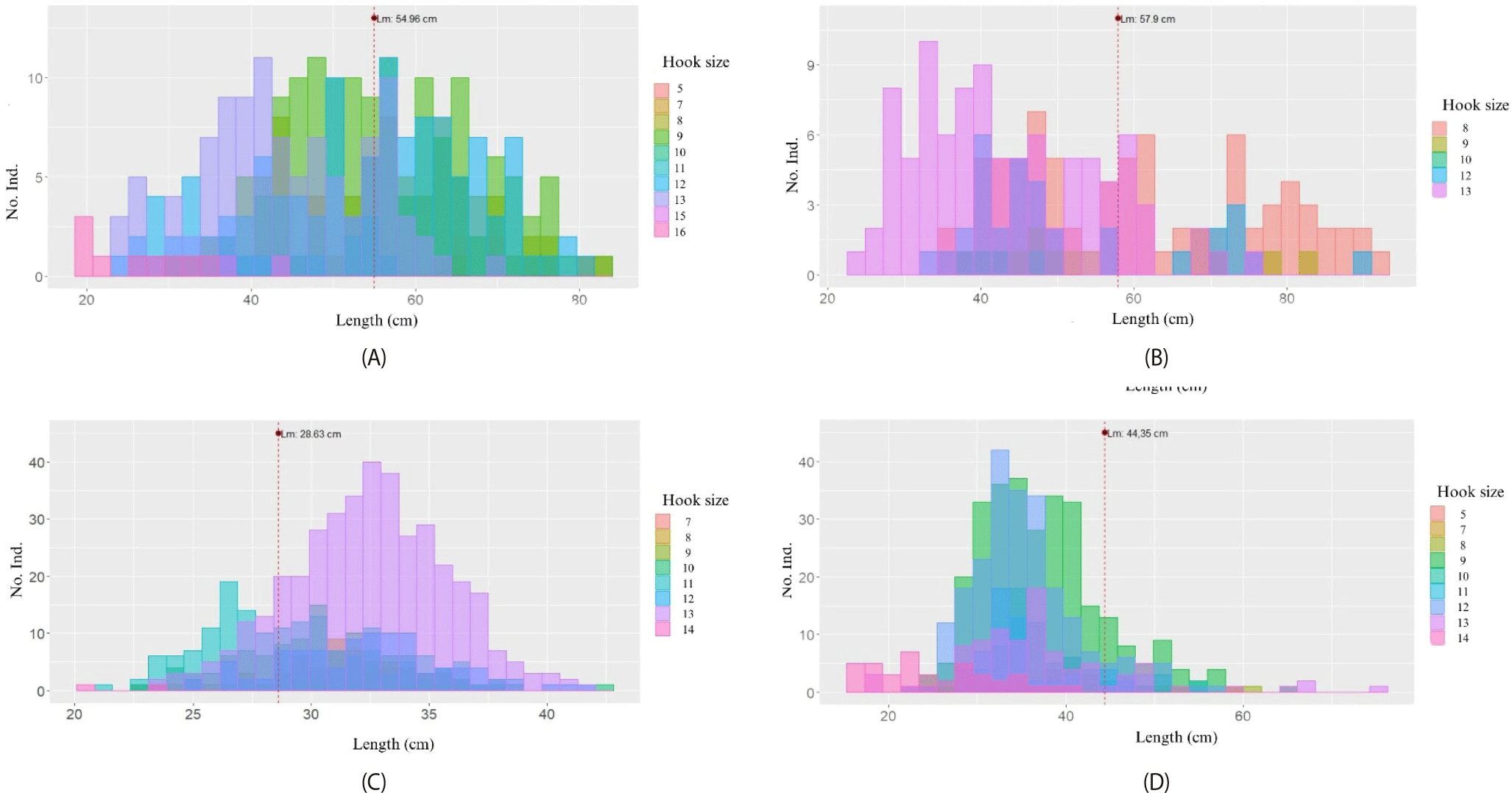
This fishing practice will cause fewer and fewer juveniles reach maturity and reproduce, so that they are not able to rebulild the stock (McQuaw et al., 2021). Changing the hook size influences the individual fish size of the catches. The use of bigger hook size could increase the the size at first caught (Lc) and reduce the possibility to catch immature individuals and give sufficient time the fish to reach sexual maturity and spawn before being caught as well (Alós et al., 2008).
Conclusion
Present study indicated that change in fish stock condition occurred in pale snapper (E. radiosus), ruby snapper (Etelis coruscans), and lavender snapper (P. sieboldii) from fully-exploited status in 2019–2021 to over-exploited in 2022–2023. Better condition was recorded in saddle-back snapper (P. kusakarii) and Humpback red Snapper (L. gibbus) from over-exploited status in 2019–2021 to fully-exploited in 2022–2023. Crimson jobfish (Pristipomoides filamentosus) had over-exploited status during these two periods of time. Moreover, the compliance to the use of recommended hook sizes was still low, but higher awareness could reduce small individual sized-catches and give more time them to reach size at first maturity before caught.