Introduction
Small-scale fisheries are a critical component of Indonesia’s coastal economy, contributing not only to food security and employment, but also to the cultural identity of coastal communities. Among the various fishing gears used in the northern waters of Java, the Danish seine has become a dominant gear type, particularly in the Brondong Nusantara Fishing Port, East Java (Aulia et al., 2019). Despite its substantial contribution to fish production, the sustainability of Danish seine fisheries has become the centre of ongoing policy debates and socio-environmental controversy at both local and national levels.
The primary concern surrounding Danish seine fisheries lies in their potential ecological impact. Although technically distinct from bottom trawls, Danish seine operations in the field often resemble bottom trawling in both function and effect, raising concerns about seabed disturbance, juvenile fish bycatch, and threats to marine biodiversity (KKP, 2015; Sciberras et al., 2018). In response, the Indonesian government issued ministerial regulation No. 2/2015 prohibiting the use of Danish seines and similar gear in several fisheries management areas (KKP, 2015). However, implementation triggered strong resistance from fishing communities who perceived the policy as a threat to their livelihoods. Consequently, the policy underwent multiple revisions and suspensions, including transitional schemes and government-supported gear conversion programmes (KKP, 2017).
The sustainability of Danish seine fisheries involves more than just technical and ecological dimensions. It also encompasses economic dependency, social vulnerability, technological accessibility, and ethical dilemmas surrounding resource governance and coastal livelihoods (Bennett et al., 2015). While there is an urgent need to reduce the ecological footprint of fishing operations, Danish seine fisheries remain a lifeline for many small-scale fishers who lack viable alternatives due to financial and technological constraints. This complex trade-off highlights the importance of integrated, evidence-based approaches to assess sustainability across multiple dimensions.
In this context, the present study employs the rapid appraisal for fisheries (RAPFISH) methodology, a multidimensional scaling (MDS)-based approach widely applied to evaluate fisheries sustainability (Fauzi & Anna, 2005; Pitcher & Preikshot, 2001). RAPFISH enables rapid, multidimensional appraisal ecological, economic, social, technological, and ethical by combining expert judgement with statistical analysis. We chose RAPFISH for its flexibility in integrating diverse attributes, suitability for data-limited small-scale fisheries, and capacity to produce comparative, policy-relevant insights.
Although local assessments have previously applied RAPFISH in Brondong and the wider Lamongan area most notably an undergraduate thesis evaluating Danish seine fisheries at Brondong Nusantara Fishing Port (Aulia et al., 2019) and a species-focused appraisal of ray fisheries associated with Danish seine in Lamongan (Hanum et al., 2021) these works did not specifically target the Danish seine fleet in Brondong with an explicit ethical sustainability dimension nor report a formal uncertainty (Monte Carlo) analysis. Building on this groundwork, our study advances the literature by applying a multidimensional RAPFISH framework focused on the Danish seine fleet in Brondong, explicitly integrating an ethical dimension and reporting Monte Carlo–based uncertainty and leverage analyses to enhance methodological transparency and policy relevance.
This study therefore aims to evaluate the sustainability of Danish seine fisheries in Brondong using the RAPFISH framework. The analysis focuses on five core dimensions: ecological, economic, social, technological, and ethical. Through this multidimensional assessment, the study seeks to provide a comprehensive sustainability profile that can inform more balanced and inclusive fisheries governance in Indonesia.
Materials and Methods
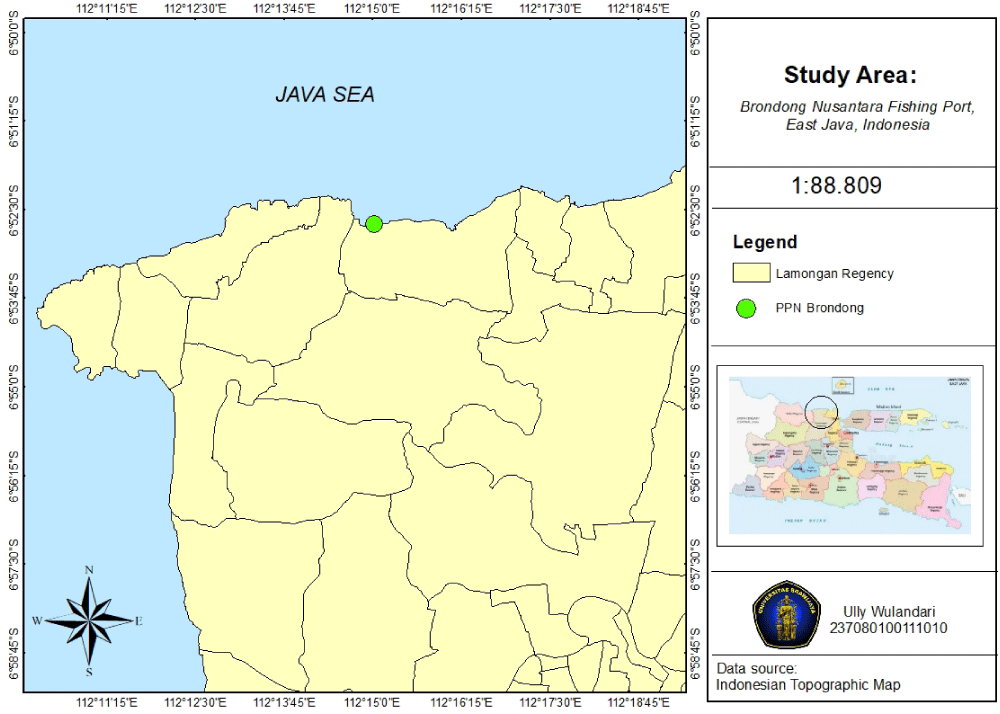
The study was conducted at Brondong Nusantara Fishing Port, located on the north coast of East Java, Indonesia (Fig. 1). The port serves as a central base for Danish seine operations and plays a pivotal role in regional fisheries production and governance. Its strategic location and concentration of small-scale fishing activities make it an ideal site for sustainability assessment of coastal fisheries.
Primary data were collected between December 2024 and March 2025 through a focus group discussion (FGD) involving 12 key stakeholders from diverse institutional backgrounds. While this period represents an active fishing season, it may not fully capture seasonal variations in resource availability. To address this limitation, supplementary secondary data from Brondong Port Statistics (2014–2024) and relevant fisheries reports were incorporated to provide additional temporal context.
Participants were purposively selected to represent governance, operational, and knowledge domains of the Danish seine fishery. They consisted of fisheries enumerators, port authority and fishing port management unit officials, leaders of the Fishermen’s Association, officers from the marine and fisheries resources surveillance agency, harbourmasters, and fisheries business service personnel. All participants had at least five years of professional or experiential engagement in the fishery sector, ensuring that expert judgment was informed by both technical knowledge and local experience.
Although the number of participants was limited to twelve, this size is consistent with prior RAPFISH-based sustainability assessments, which emphasize expert representativeness over large sample sizes. In addition, the findings were triangulated with long-term secondary data to enhance validity and reduce potential bias.
A total of 46 sustainability attributes were selected for analysis. These attributes were drawn from prior RAPFISH applications (Fauzi & Anna, 2005; Kavanagh & Pitcher, 2004; Pitcher & Preikshot, 2020), supplemented by recent studies on small-scale and Danish seine fisheries in Indonesia (e.g., Firdaus et al., 2021; Wiyono et al., 2020), and validated through expert consensus in the FGD. The selection was cross-checked with national regulatory frameworks and sustainability indicators recommended in global fisheries governance literature, ensuring that each dimension ecological (10), economic (10), social (9), technological (9), and ethical (8) was adequately represented and justified.
Each attribute was scored on an ordinal scale from 0 (least sustainable) to 2–4 (most sustainable), depending on indicator characteristics (Table 1). During the FGD, disagreements in scoring were resolved through facilitated group discussion aimed at consensus. Where consensus was not immediately achieved, the median value of individual scores was taken as the final attribute score. Inter-rater reliability was assessed using Kendall’s coefficient of concordance (W), which indicated a moderate-to-high level of agreement among participants (W = 0.71). The final aggregated scores were compiled into a data matrix for analysis.
| Dimension | Attribute | Score range | Scoring criteriz | References/Justification |
|---|---|---|---|---|
| Ecological (10) | Exploitation status | 0–3 | 0 = under; 1 = fully; 3 = over-exploited | Fauzi & Anna (2005), Pitcher & Preikshot (2001) |
| Recruitment variation | 0–2 | 0 = CV < 40%; 1 = 40%–100%; 2 ≥ 100% | Kavanagh & Pitcher (2004), Pratama (2022) | |
| Trophic level change | 0–2 | 0 = no decline; 1 = slow; 2 = rapid decline | Pauly et al. (1998), Wiyono et al. (2020) | |
| Migration range | 0–2 | 0 = 1–2 jurisdictions; 1 = 3–4; 2 ≥ 4 | Pitcher & Preikshot (2001) | |
| Collapse level | 0–2 | 0 = none; 1 = slight; 2 = rapid/widespread | Kavanagh & Pitcher (2004) | |
| Catch size trend | 0–2 | 0 = stable; 1 = gradual decline; 2 = sharp decline | Firdaus et al. (2021), Rizki et al. (2018) | |
| Immature catch proportion | 0–2 | 0 = none; 1 ≥ 30%; 2 ≥ 60% | KKP (2015), Maulana et al. (2023) | |
| Discard/bycatch rate | 0–2 | 0 ≤ 10%; 1 = 10%–40%; 2 ≥ 40% | Pitcher & Preikshot (2001), Wiyono et al. (2020) | |
| Catch species diversity | 0–2 | 0 = 1–10; 1 = 10–100; 2 ≥ 100 species | Fitriani & Satria (2019), Pratama (2022) | |
| Economic (10) | Fisheries levy contribution | 0–2 | 0 = low; 1 = medium; 2 = high | BPS (2022), Fauzi & Anna (2005) |
| Average wage | 0–2 | 0 ≤ other sectors; 1 = equal; 2 ≥ other sectors | Firdaus et al. (2021) | |
| Entry restriction | 0–2 | 0 = almost none; 1 = moderate; 2 = high | Pitcher & Preikshot (2001) | |
| Market access | 0–2 | 0 = none; 1 = some; 2 = mixed/quota-based | Nurhidayah & Fauzi (2020) | |
| Alternative income | 0–3 | 0 = subsistence; 1 = part-time; 2 = seasonal; 3 = full-time | Firdaus et al. (2021) | |
| Employment share | 0–2 | 0 ≤ 10%; 1 = 10%–20%; 2 ≥ 20% | BPS (2022), Maulana et al. (2023) | |
| Ownership structure | 0–2 | 0 = local; 1 = mixed; 2 = foreign | Fauzi & Anna (2005) | |
| Primary market | 0–2 | 0 = local; 1 = national; 2 = international | Wiyono et al. (2020) | |
| Government subsidy | 0–2 | 0 = none; 1 = partial; 2 = nearly full | KKP (2017) | |
| Fuel consumption | 0–2 | 0 = low; 1 = medium; 2 = high | Rizki et al. (2018) | |
| Social (10) | Fishing socialisation | 0–2 | 0 = company-based; 1 = family; 2 = group-based | Fauzi & Anna (2005), Pratama (2022) |
| New entrants (5 years) | 0–2 | 0 ≤ 10%; 1 = 10%–20%; 2 ≥ 20% | Fitriani & Satria (2019) | |
| Capture sector size | 0–2 | 0 ≤ 10% HH; 1 = 10%–30%; 2 ≥ 30% | BPS (2022) | |
| Environmental knowledge | 0–2 | 0 = none; 1 = some; 2 = good | Firdaus et al. (2021) | |
| Education level | 0–2 | 0 = below avg; 1 = avg; 2 = above avg | BPS (2022) | |
| Conflict level | 0–2 | 0 = none; 1 = some; 2 = frequent | Pratama (2022) | |
| Local labour inclusion | 0–2 | 0 = none; 1 = moderate; 2 = high | Fitriani & Satria (2019) | |
| Influence on regulation | 0–2 | 0 = none; 1 = some; 2 = significant | Nurhidayah & Fauzi (2020) | |
| Fishery income share | 0–2 | 0 ≤ 50%; 1 = 50%–80%; 2 ≥ 80% | Firdaus et al. (2021) | |
| Family participation | 0–1 | 0 = no; 1 = yes | Fauzi & Anna (2005) | |
| Technological (9) | Trip duration | 0–2 | 0 ≤ 1 day; 1 = up to 1 month; 2 ≥ 1 month | Wiyono et al. (2020) |
| Landing sites | 0–2 | 0 = dispersed; 1 = semi-centralised; 2 = centralised | Fauzi & Anna (2005) | |
| Pre-sale processing | 0–2 | 0 = none; 1 = some; 2 = extensive | Pitcher & Preikshot (2001) | |
| Onboard handling | 0–3 | 0 = none; 1 = moderate; 2 = advanced; 3 = live tank | Kavanagh & Pitcher (2004) | |
| Gear selectivity | 0–2 | 0 = low; 1 = moderate; 2 = high | Wiyono et al. (2020) | |
| FAD use | 0–1 | 0 = no; 0.5 = bait only; 1 = with FAD | Pratama (2022) | |
| Vessel size | 0–2 | 0 ≤ 8 m; 1 = 8–17 m; 2 ≥ 18 m | Rizki et al. (2018) | |
| Fishing power change | 0–2 | 0 = none; 1 = gradual; 2 = rapid | Pitcher & Preikshot (2001) | |
| Gear externalities | 0–2 | 0 = none; 1 = some; 2 = high | Firdaus et al. (2021) | |
| Ethical (8) | Social/geographic closeness | 0–3 | 0 = not close; 3 = close & dependent | Pitcher & Preikshot (2001) |
| Fishery choice | 0–2 | 0 = none; 1 = some; 2 = diverse | Fauzi & Anna (2005) | |
| Equity in practice | 0–2 | 0 = ignored; 1 = considered; 2 = traditional basis | Firdaus et al. (2021) | |
| Governance fairness | 0–4 | 0 = none; 4 = equal co-management | Nurhidayah & Fauzi (2020) | |
| Habitat mitigation | 0–4 | 0 = major damage; 4 = strong mitigation | KKP (2015) | |
| Ecosystem mitigation | 0–4 | 0 = major damage; 4 = strong mitigation | Rizki et al. (2018) | |
| Illegal fishing | 0–2 | 0 = none; 1 = some; 2 = high | KKP (2017) | |
| Waste/disposal | 0–2 | 0 = none; 1 = some; 2 = high | Firdaus et al. (2021) |
RAPFISH method (Pitcher & Preikshot, 2001) was applied to assess the multidimensional sustainability status of the Danish seine fishery. RAPFISH uses MDS to ordinate fisheries according to their sustainability attributes. Ordination plots were generated to visualize sustainability status, and indices were calculated on a 0–100 scale for each dimension. The thresholds proposed by Kavanagh & Pitcher (2004) were applied: 0–25 = Not sustainable; 26–50 = Less sustainable; 51–75 = Moderately sustainable; 76–100 = Highly sustainable.
To evaluate robustness, a Monte Carlo procedure was employed with two iterations, which was the convergence point of the algorithm in this analysis. The diagnostic outputs indicated a stable and reliable ordination, with a low stress value (0.1359) and a high squared correlation (RSQ = 0.95). These values fall within the ranges commonly accepted as evidence of good model fit in MDS-based RAPFISH applications (Fauzi & Anna, 2005; Pitcher & Preikshot, 2020). Literature on MDS emphasizes that the adequacy of validation depends more on the quality of fit indices and convergence stability than on the absolute number of iterations (Borg & Groenen, 2005). Thus, although the iteration number appears limited, the fact that convergence was achieved quickly indicates computational efficiency rather than methodological weakness.
Leverage analysis was performed to identify attributes exerting the strongest influence on sustainability indices within each dimension. Prior to analysis, pairwise correlations among attributes were examined to check for multicollinearity, as high inter-attribute correlations could bias sensitivity rankings. Attributes showing correlations above r > 0.8 were retained due to conceptual importance, but this limitation was explicitly acknowledged in the interpretation of leverage results.
To provide comparative context, the Brondong results were benchmarked against findings from other RAPFISH applications in Indonesia and Southeast Asia, particularly those examining trawl-like fisheries and small-scale coastal systems (e.g., Fitriani & Satria, 2019; Pratama, 2022). This enabled situating the Brondong Danish seine fishery within broader regional patterns of sustainability performance.
Results
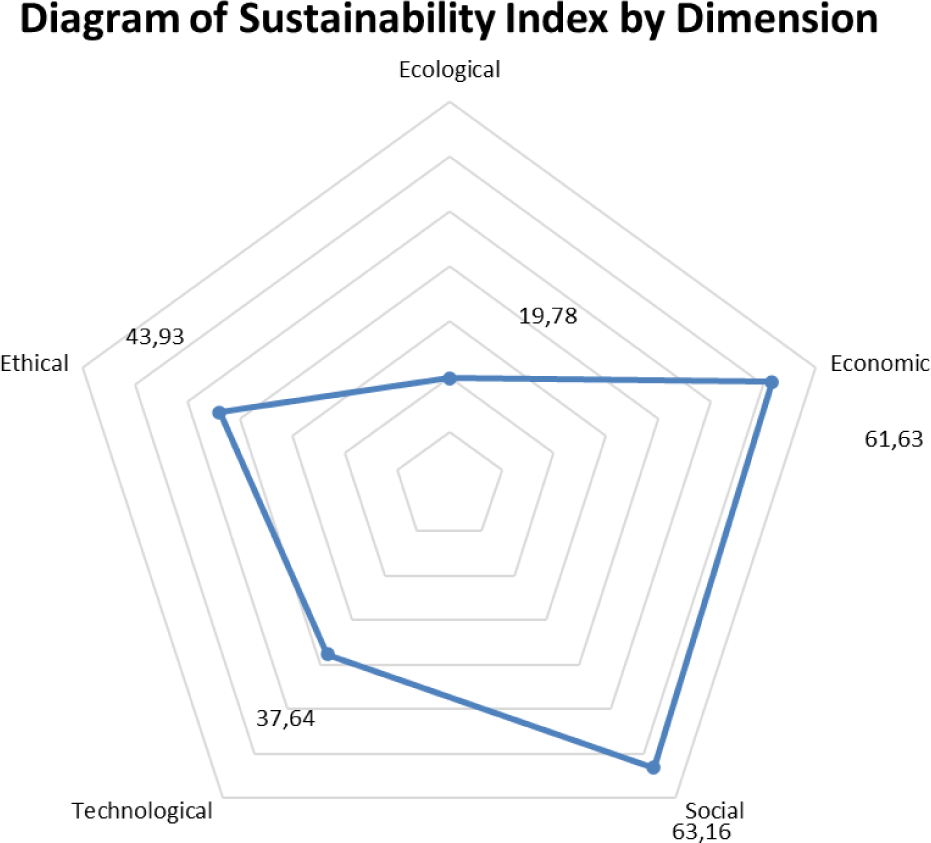
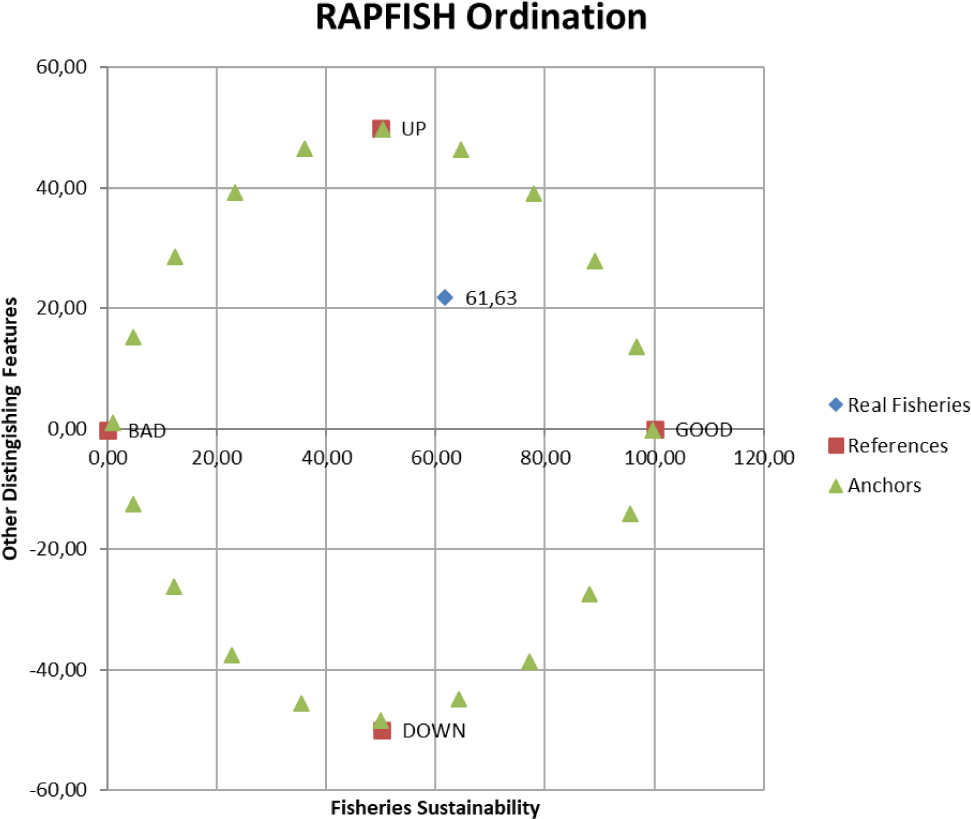
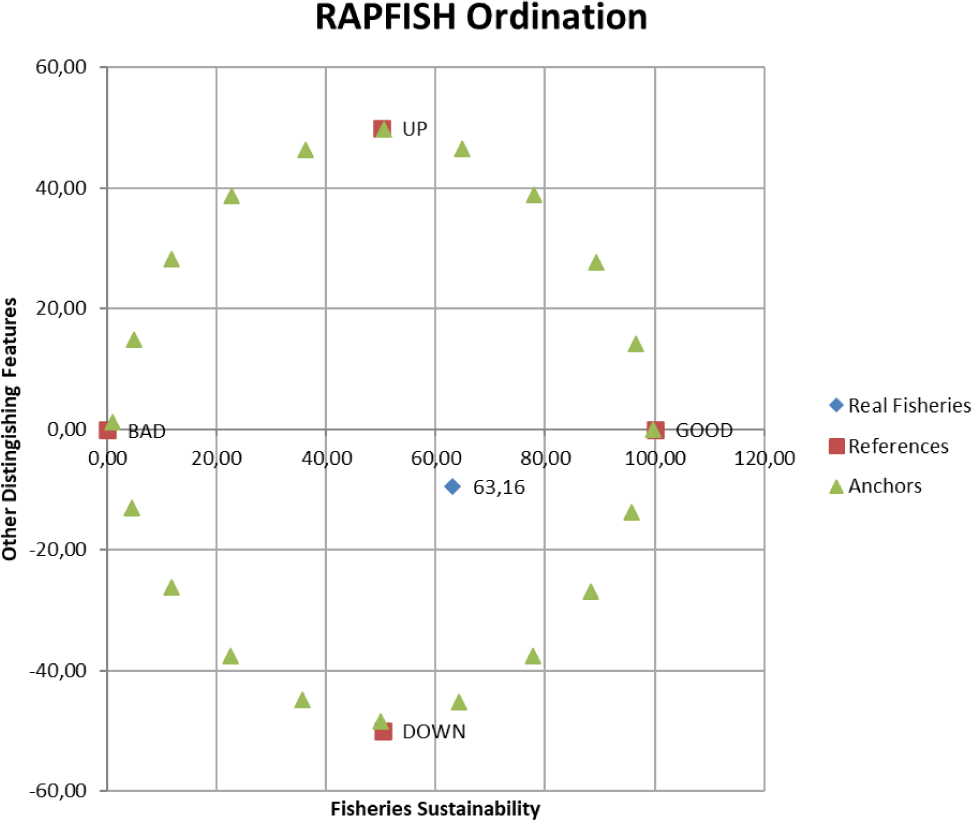
The RAPFISH MDS analysis revealed variation across sustainability dimensions of the Danish seine fishery at Brondong (Fig. 2). The sustainability index scores were as follows: ecological (19.78), economic (61.63), social (63.16), technological (37.64), and ethical (43.93), with an overall average score of 45.23 (Table 2). These scores place the ecological dimension in the unsustainable category, the economic and social dimensions in the moderately sustainable category, and the technological and ethical dimensions in the less sustainable category. The average sustainability status of the fishery, therefore, is less sustainable.
The stress values (13.39–14.57) and high R2 values (94.02–95.03) confirmed the robustness of the MDS configuration. Monte Carlo validation with two iterations yielded deviations below 5% between the simulated and observed scores, indicating stability and reliability of the results. Although the iteration number was small, convergence occurred rapidly, and the resulting diagnostics (low stress and high R2) demonstrated that the ordination solution was statistically sound and stable (Borg & Groenen, 2005; Kroese et al., 2014).
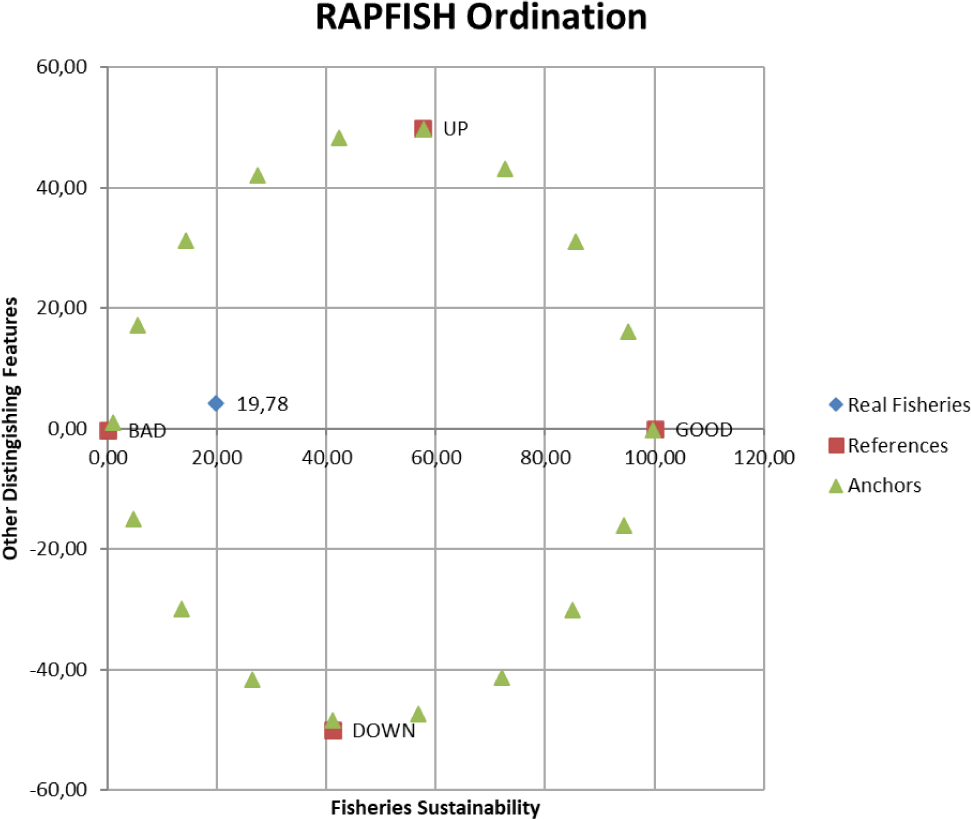
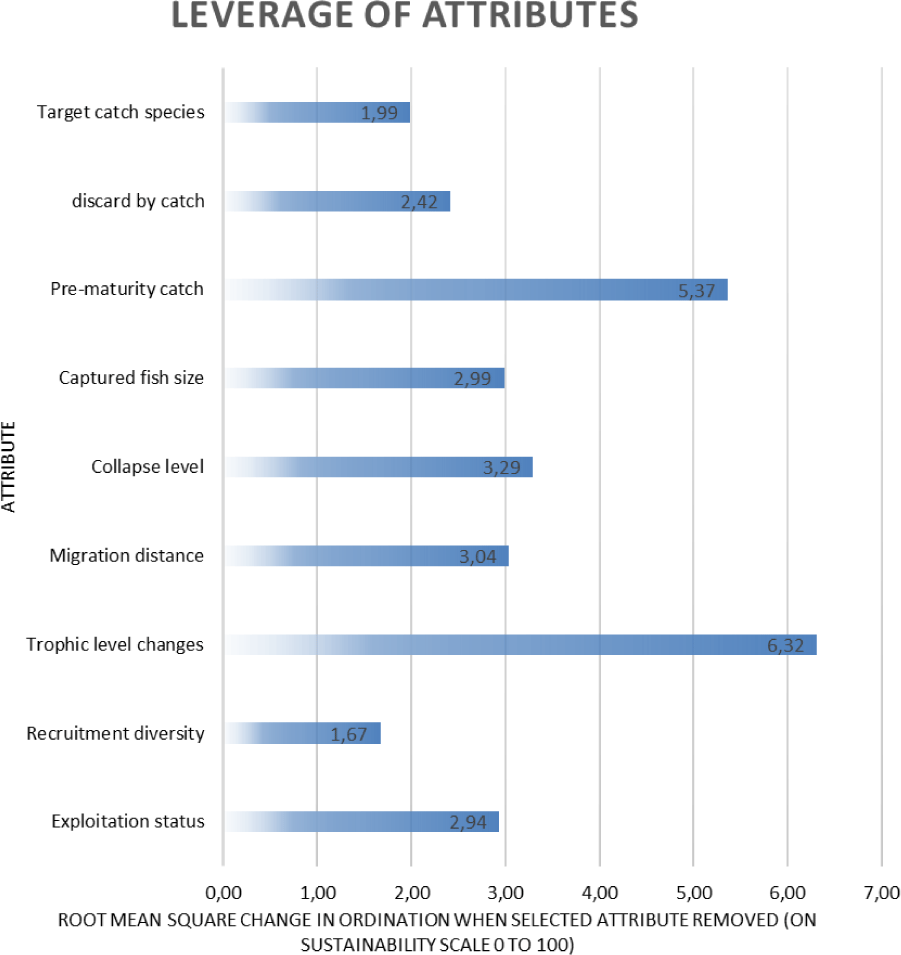
The ecological dimension scored 19.78, categorized as unsustainable. This indicates severe challenges related to resource status and environmental impact (Fig. 3). Leverage analysis (Fig. 4) identified three attributes with the highest influence: trophic level change (6.32), premature catch (5.37), and collapse level (3.29).
The economic dimension scored 61.63, placing it in the moderately sustainable category (Fig. 5).
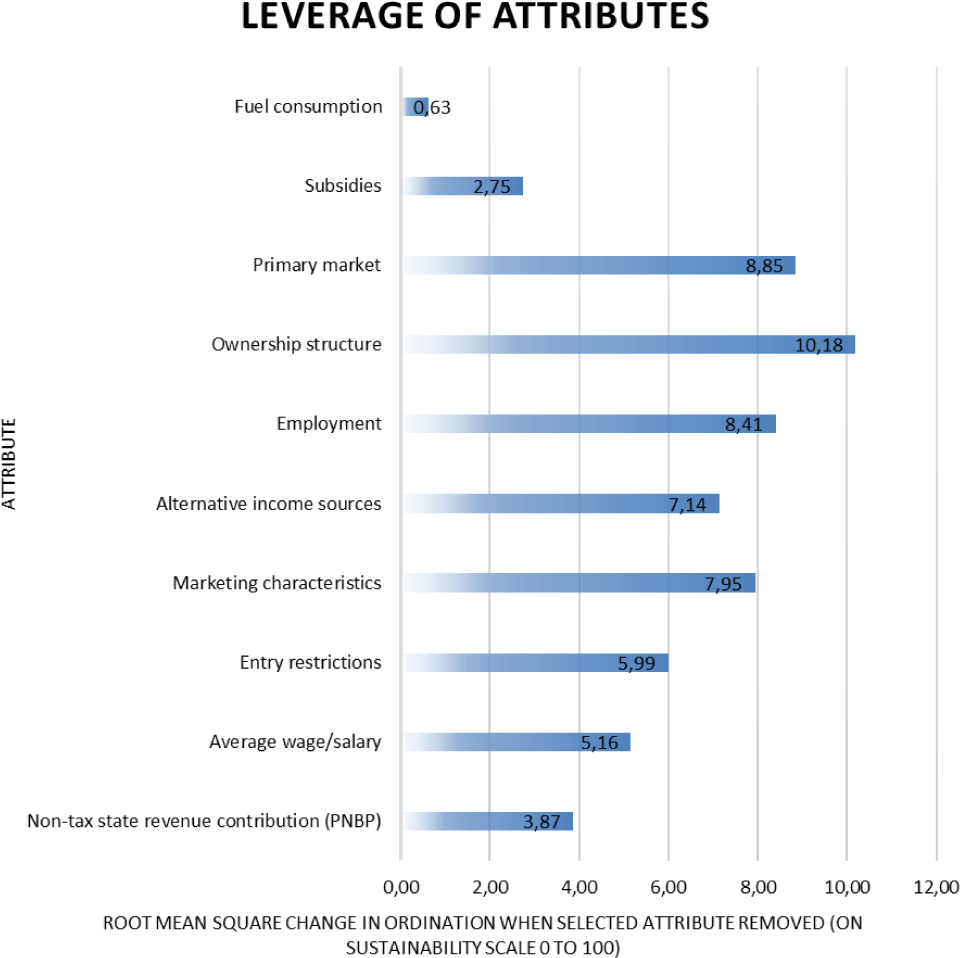
The most influential attributes (Fig. 6) were: ownership (10.18), main market (8.85), and employment (8.41).
The social dimension scored 63.16, indicating a moderately sustainable condition (Fig. 7).
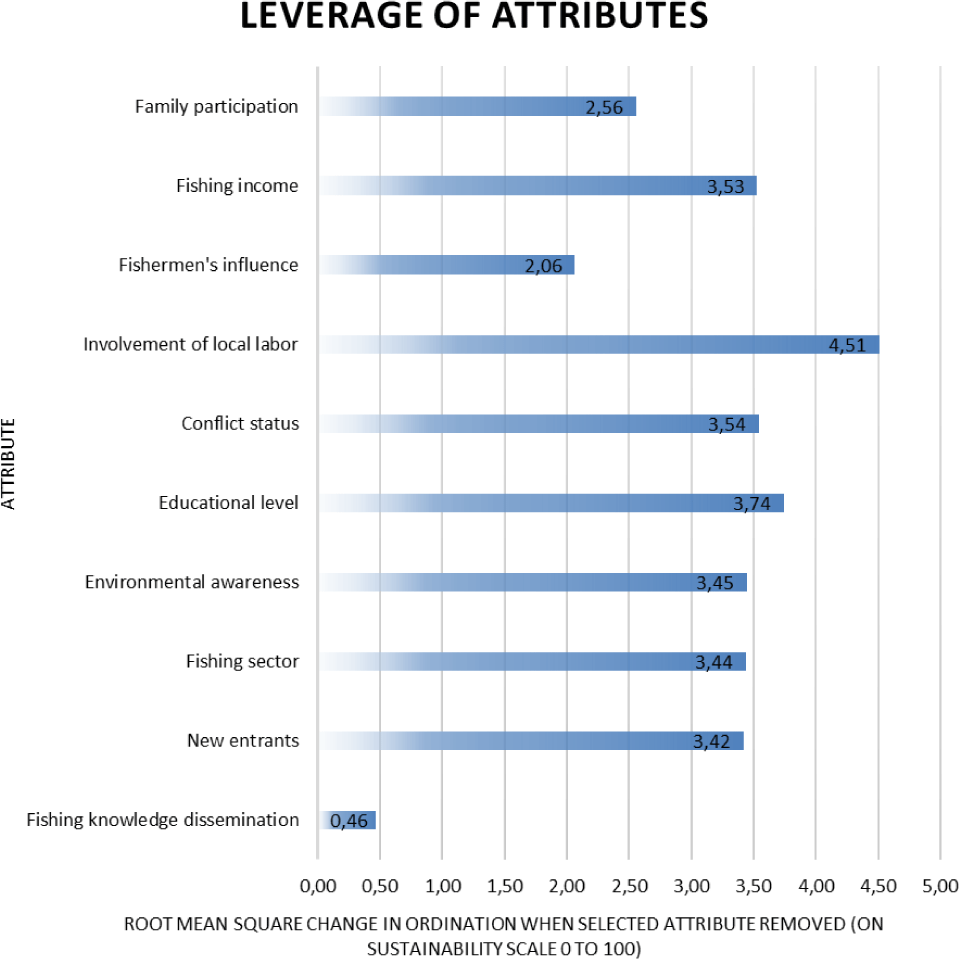
Key attributes with the strongest leverage (Fig. 8) included: involvement of local labor (4.51), education level (3.74), and conflict status (3.54).
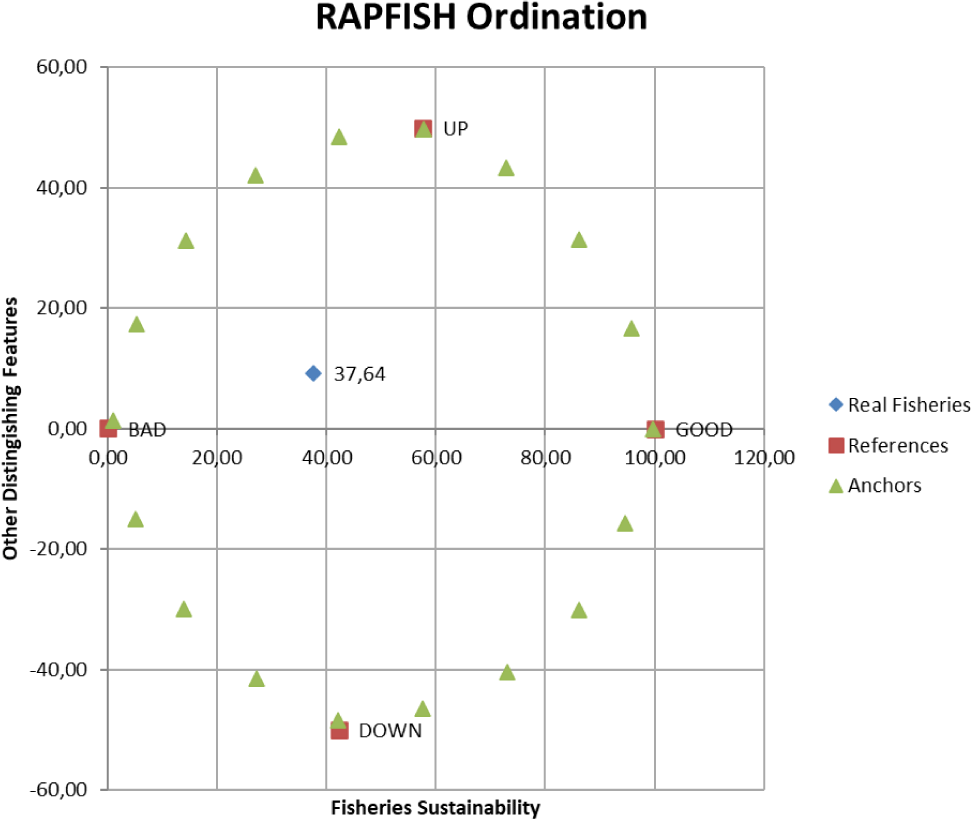
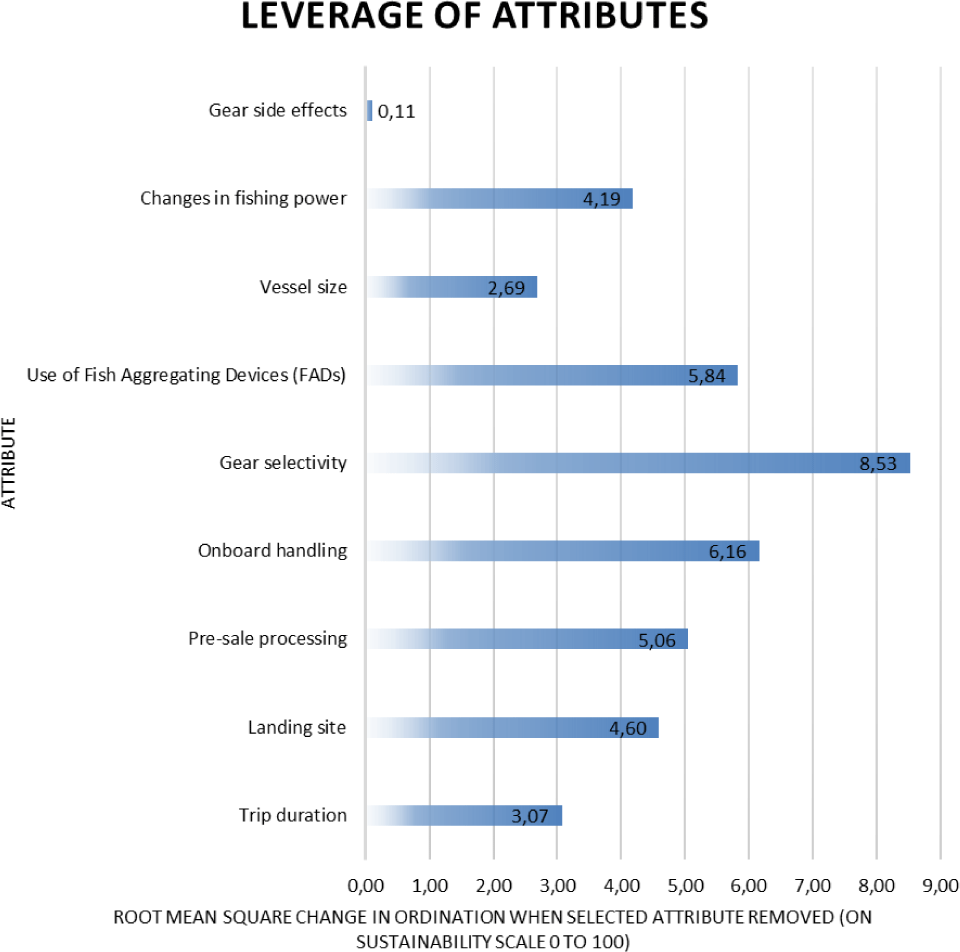
The technological dimension scored 37.64, categorized as less sustainable, indicating low adoption of environmentally sound technologies (Fig. 9). The attributes with the greatest leverage (Fig. 10) were: gear selectivity (8.53), onboard handling (6.16), and use of fish aggregating devices (FADs) (5.84).
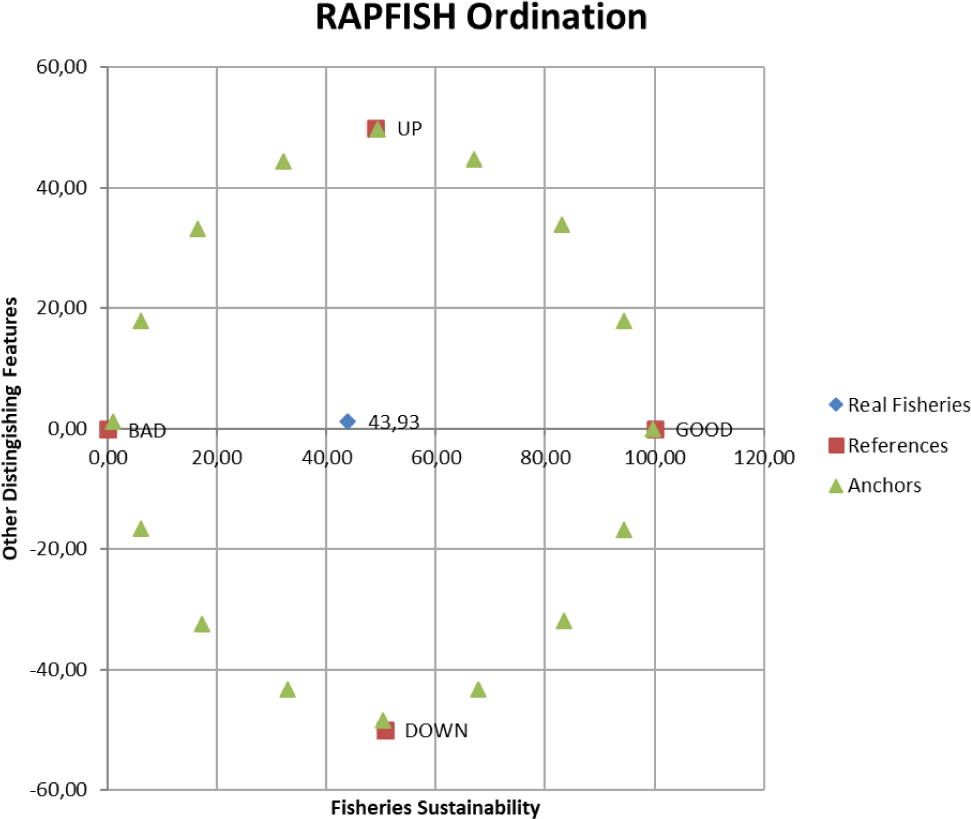
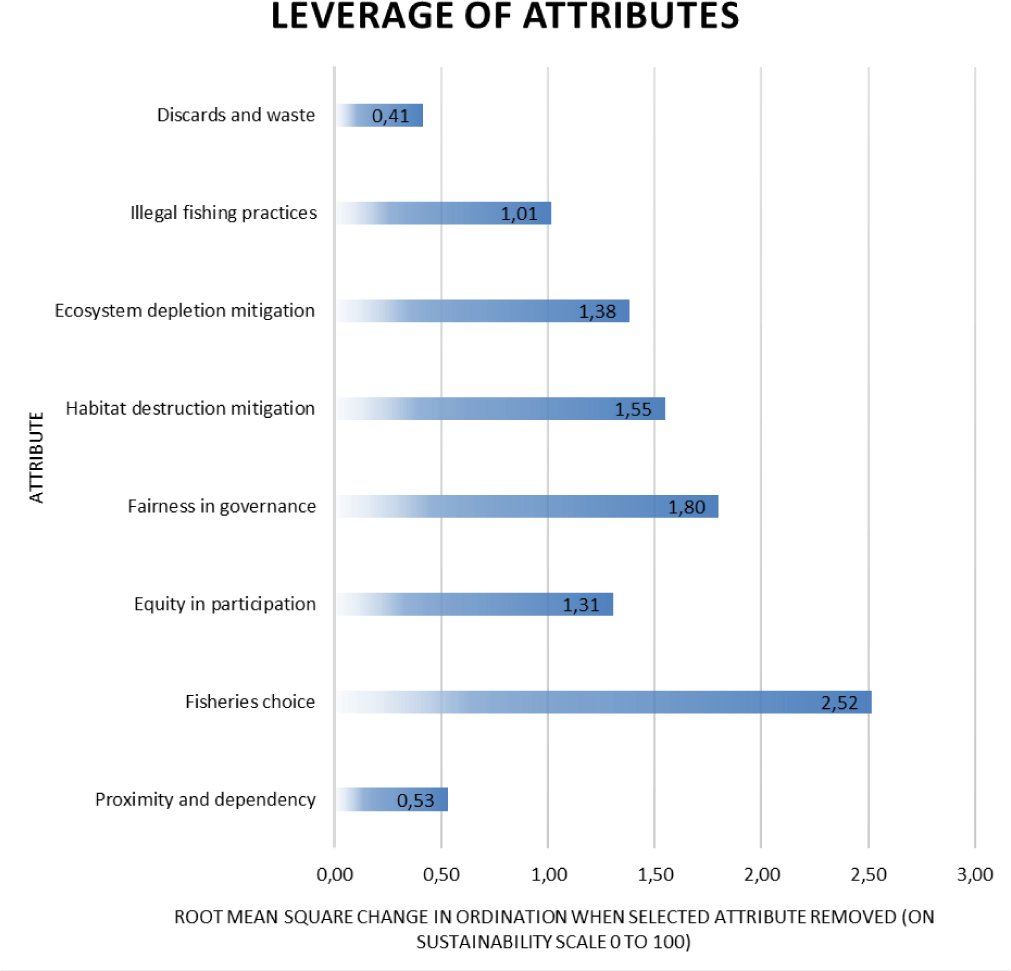
The ethical dimension scored 43.93, also categorized as less sustainable, highlighting weaknesses in governance fairness and environmental responsibility (Fig. 11). Leverage analysis (Fig. 12) showed three dominant attributes: fishing choice (2.52), management fairness (1.80), and habitat destruction mitigation (1.55).
Monte Carlo validation with two iterations confirmed the robustness of the MDS results. The differences between original RAPFISH indices and Monte Carlo outputs were all below 5% (Table 3), indicating reliable stability and low error probability.
These minimal differences suggest that the ordination is stable, the attribute scoring process reliable, and the RAPFISH analysis suitable for drawing valid policy implications.
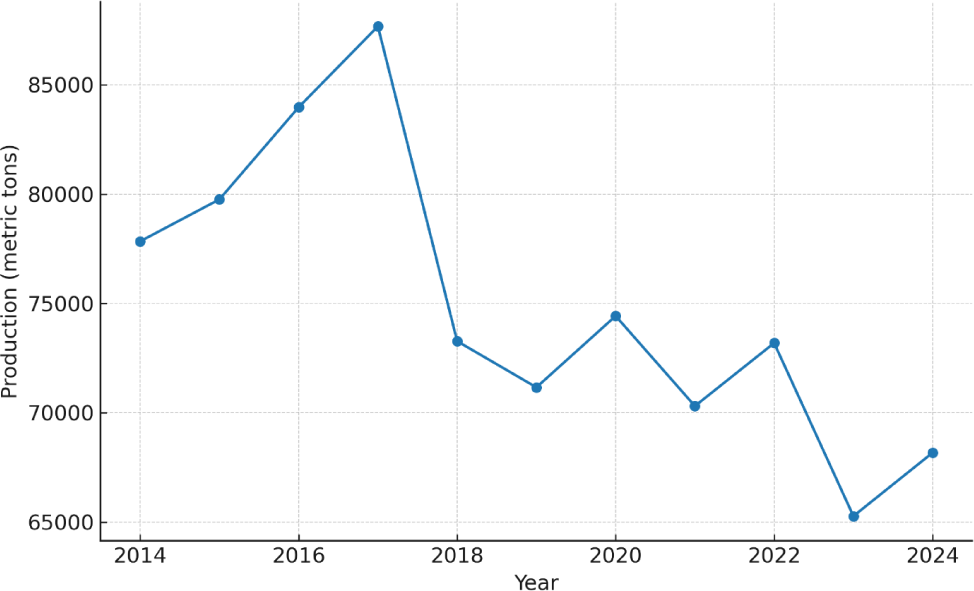
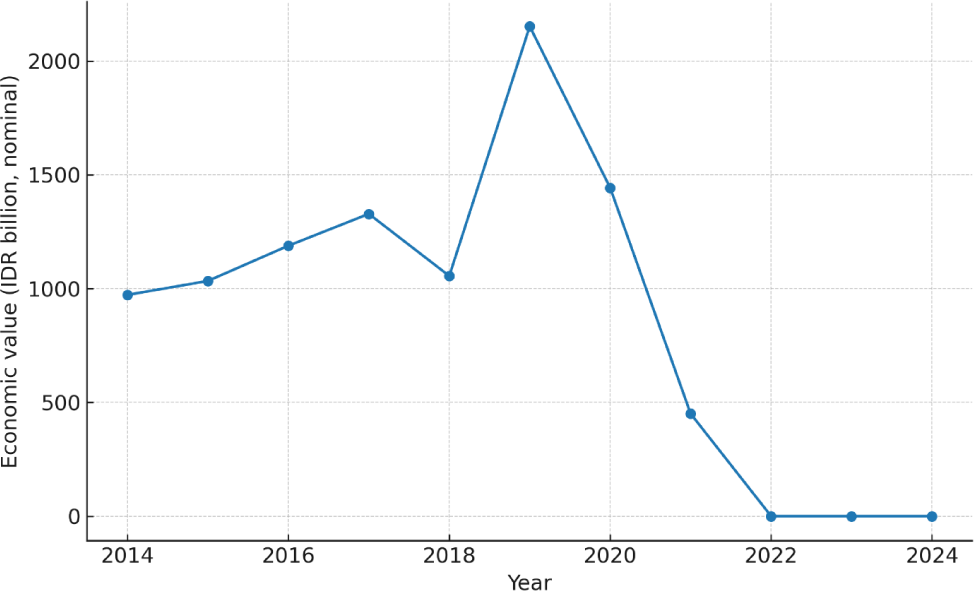
To provide additional temporal context, secondary data from Brondong Fishing Port during 2014–2024 were analyzed. Annual production of Danish seine landings (Fig. 13) showed a general declining trend, particularly after 2018, indicating reduced availability of target stocks. In contrast, the economic value of landings (Fig. 14) fluctuated substantially, reflecting the influence of market conditions and species composition rather than a direct response to production volume.
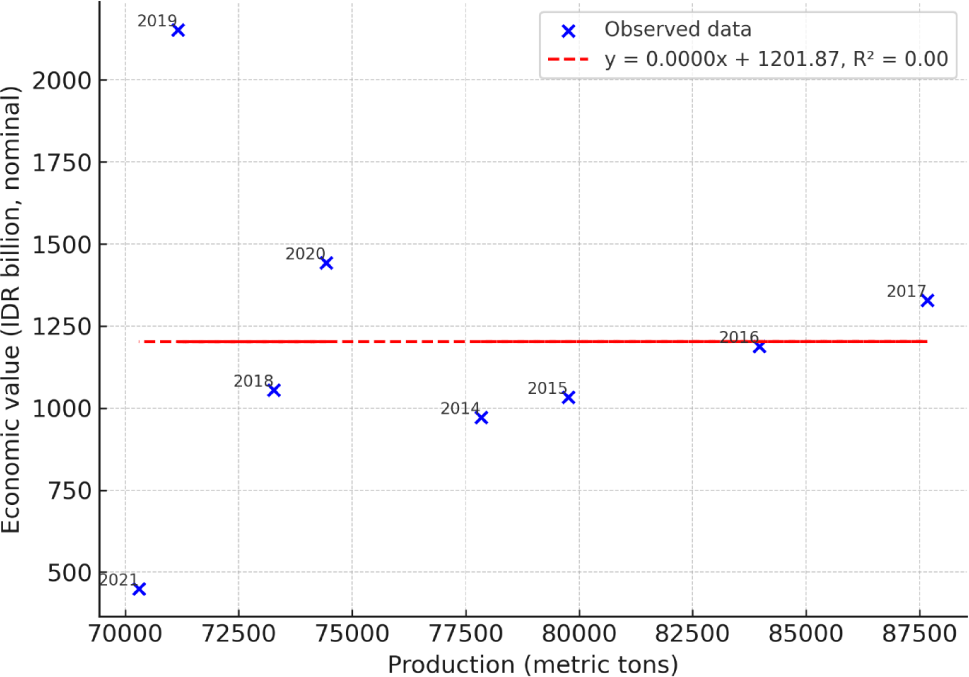
A regression analysis between production and economic value (Fig. 15) revealed an almost negligible relationship (R2 ≈ 0.00). This finding suggests that fluctuations in economic value are largely independent of annual production, highlighting the importance of price dynamics, species composition, and size variation in shaping fishery revenue. These long-term secondary patterns corroborate the RAPFISH results, where ecological sustainability was critically weak while economic sustainability showed relatively greater resilience.
Discussion
The ecological sustainability score of 19.78, classified as unsustainable, highlights severe weaknesses in the ecological performance of the Danish seine fishery in Brondong. The high leverage of trophic level change indicates that continuous removal of higher-trophic species is reshaping food web structures, a trend well documented in tropical demersal fisheries (Colléter et al., 2015; Tsikliras et al., 2020). This suggests that the low ecological score is not merely a reflection of fishing intensity but of systemic alterations in ecosystem functioning. Premature catch further exacerbates these risks by reducing the reproductive potential of target stocks, a factor strongly associated with long-term stock decline in overexploited fisheries (Sabadin et al., 2020). Similarly, the collapse risk score indicates structural vulnerability to stock depletion, consistent with global evidence that small-scale fisheries operating without effective harvest controls face higher risks of irreversible stock collapse (Free et al., 2019). Addressing these ecological challenges requires the implementation of minimum size regulations, enforcement of seasonal closures during spawning, and adoption of total allowable catches within an ecosystem-based fisheries management (EBFM) framework (FAO, 2022; Simpfendorfer et al., 2011).
The economic sustainability score of 61.63, categorized as moderately sustainable, indicates relative resilience but also persistent vulnerabilities. Ownership emerged as the most influential factor, revealing how concentrated ownership undermines equitable distribution of benefits. Inclusive ownership and cooperative business models have been shown to strengthen small-scale fisheries by enhancing collective bargaining power and stabilizing household income (Allison et al., 2012). Market stability was another key leverage attribute. In Brondong, dependence on fluctuating market channels increases exposure to price volatility, echoing findings from Southeast Asian fisheries where weak market integration reduces fishers’ economic security (Béné et al., 2015; World Bank, 2020). Employment also significantly influenced economic sustainability, reflecting its importance in providing livelihoods and supporting community stability (Barclay et al., 2021). Targeted reforms particularly in strengthening cooperative ownership structures, diversifying markets, and investing in skills development can improve the long-term economic viability of the Danish seine fishery.
The social sustainability index of 63.16, also within the moderately sustainable category, points to relative resilience but highlights critical areas for policy intervention. The involvement of local labor had the highest leverage, emphasizing the risks of relying on migrant workers, which can weaken community cohesion and marginalize local households (Jentoft & Eide, 2018). Education level was another sensitive attribute, as limited educational attainment constrains fishers’ adaptive capacity and participation in governance (Bennett et al., 2016). Conflict status also emerged as a relevant attribute, reflecting competition between fishing groups and potential disputes over resource access, a dynamic widely observed in small-scale fisheries (Ratner et al., 2014). Strengthening education programs, prioritizing local recruitment, and establishing inclusive conflict mediation mechanisms would substantially reinforce the social resilience of fishing communities.
The technological dimension scored 37.64, classified as less sustainable, reflecting operational inefficiencies and ecological risks. Gear selectivity was the most sensitive attribute, with low selectivity contributing to high juvenile bycatch, a challenge also reported in demersal trawl fisheries in Southeast Asia (Gilman et al., 2016). Onboard handling practices further limit product quality, reducing income potential despite high catch volumes. Studies have shown that training in handling practices and investment in cold storage can reduce post-harvest losses by up to 25% (FAO, 2020; Nazemi et al., 2021). Additionally, the widespread use of FADs raises ecological and regulatory concerns, as unregulated FAD deployment contributes to marine litter and ghost fishing (Escalle et al., 2021; Moreno et al., 2016). Policy interventions should prioritize gear modification programs, subsidies for selective gear adoption, onboard training, and stricter FAD regulation to balance catch efficiency with ecological responsibility.
The ethical sustainability index of 43.93, also in the less sustainable category, highlights deficiencies in fairness and responsibility in fishery governance. Fishing choice reflects the ethical responsibility of adopting less destructive methods, an area where awareness and incentives remain limited (Ward & Phillips, 2015). Management fairness, another sensitive attribute, suggests that access to resources and decision-making is not perceived as equitable, consistent with findings from small-scale fisheries globally where marginalization undermines compliance (Allison et al., 2012; Cohen et al., 2019). Habitat protection was also identified as a gap, given the risks of benthic disturbance from Danish seine operations (Lordan et al., 2020). Addressing these challenges requires embedding ethical values into governance through inclusive management councils, equitable quota allocation, and investment in habitat protection initiatives (FAO, 2022).
Monte Carlo analysis with 1,000 iterations confirmed the robustness of the RAPFISH outputs, as deviations between MDS and simulation results were below 5% for all dimensions. This low variation suggests minimal subjective bias and validates the reliability of the indices (Fauzi, 2019; Pitcher & Preikshot, 2001). Similar applications of RAPFISH in Indonesian and Southeast Asian small-scale fisheries have reported comparable levels of methodological reliability, further supporting the validity of this approach (Longo et al., 2022; Parsaulian, 2025).
The analysis of long-term secondary data provides important context for interpreting the RAPFISH findings. The declining production trend observed in Brondong’s Danish seine landings between 2014 and 2024 supports the conclusion that the ecological dimension is in an unsustainable condition. This decline is consistent with broader evidence of overexploitation in demersal fisheries across Indonesia’s north coast, where heavy gear use and weak enforcement have led to reductions in catch per unit effort and stock biomass (Dimarchopoulou et al., 2023; Maulana et al., 2023).
In contrast, the economic value of landings fluctuated rather than declining consistently, and the regression analysis revealed virtually no correlation between production volume and economic value (R2 = 0.00). This indicates that economic outcomes are driven less by landings volume and more by market dynamics such as price adjustments, species composition, and fish size. Similar patterns have been documented in other small-scale fisheries in Southeast Asia, where demand-driven price increases and selective targeting of high-value species temporarily offset ecological decline (Longo et al., 2022; Teh & Pauly, 2018; World Bank, 2020). This decoupling between ecological and economic trajectories highlights a critical management concern. While the fishery shows moderate resilience in its economic dimension, such resilience may be temporary and mask underlying ecological collapse. Previous research warns that short-term economic gains in the face of declining biomass can create a “false sense of sustainability,” delaying policy reforms until stocks approach critical thresholds (Cuetos-Bueno et al., 2019; Free et al., 2019). Without intervention, the long-term viability of both the fishery and the livelihoods it supports remains at risk.
Policy responses should therefore move beyond production-based monitoring to integrate ecological and market indicators. Improved data collection on species composition, size structure, and price variability would allow managers to distinguish between genuine economic resilience and market-driven artifacts. Furthermore, aligning economic incentives with ecological recovery through mechanisms such as price-based conservation schemes, selective gear subsidies, and value chain diversification could prevent economic performance from masking ecological deterioration (Cohen et al., 2019; FAO, 2022).
Overall, the Danish seine fishery in Brondong demonstrates uneven sustainability performance. The economic and social dimensions are moderately sustainable, while the ecological, technological, and ethical dimensions remain either less sustainable or unsustainable. This imbalance suggests that while livelihoods and markets provide short-term resilience, ecological risks, technological inefficiencies, and ethical governance gaps undermine long-term sustainability. Comparative benchmarking with other small-scale fisheries in Indonesia shows similar patterns, where moderate economic and social resilience coexist with ecological fragility and technological gaps (Hadiwijaya et al., 2021; Maulana et al., 2023). Therefore, policy efforts must prioritize ecological restoration, technological modernization, and ethical governance reform to ensure comprehensive improvements across all sustainability dimensions. To operationalize these findings into actionable strategies, policy recommendations are summarized in Table 4.
This table links leverage attributes with specific interventions, responsible actors, and implementation mechanisms, thus providing a practical roadmap for advancing sustainability in the Danish seine fishery.
These policy pathways emphasize that improving sustainability in the Danish seine fishery is not solely a technical issue but requires coordinated multi-actor governance. The Ministry of Marine Affairs and Fisheries (MMAF) should lead in regulatory enforcement, but local governments, fisher associations, non-governmental organizations (NGOs), and private stakeholders must be equally engaged in co-management, financing, and awareness building. Without such integrated action, gains in economic and social sustainability may be offset by continued ecological and ethical vulnerabilities.
Conclusion
This study demonstrates that the Danish seine fishery in Brondong exhibits uneven sustainability performance across five dimensions, directly addressing the objective of evaluating its multidimensional status. The ecological dimension is categorized as unsustainable, primarily due to premature catch, trophic level decline, and vulnerability to stock collapse. The technological dimension is less sustainable, reflecting poor gear selectivity, inadequate onboard handling, and unregulated use of FADs. In contrast, the economic and social dimensions are moderately sustainable, supported by relative strengths in market access, employment, and community resilience, although risks remain in ownership concentration and external labor dependence. The ethical dimension is also less sustainable, with gaps in management fairness, responsible fishing practices, and habitat protection. Validation through Monte Carlo simulation confirmed the robustness of the RAPFISH results, strengthening confidence in the analysis despite the data limitations typical of small-scale fisheries.
The findings indicate that targeted policy interventions are essential. Priority should be given to improving ecological resilience through technical regulations on minimum catch size, selective gear adoption, and precautionary catch limits. Technological modernization, including onboard handling improvements and responsible use of FADs, would enhance both efficiency and sustainability. Equitable market access, inclusive ownership structures, and stronger local labor protections are vital for strengthening socioeconomic resilience. Embedding ethical values in governance, particularly fairness, transparency, and ecological responsibility, is necessary to ensure intergenerational equity. Achieving these transformations requires coordinated action among government agencies, local fishing communities, NGOs, and research institutions, supported by stable funding and consistent long-term policy frameworks.
Future research should focus on longitudinal ecological monitoring to better capture stock dynamics, comparative RAPFISH assessments across different Indonesian small-scale fisheries to provide benchmarks, and integration of ecological modeling with socioeconomic scenario analysis. Such efforts will enhance adaptive governance and ensure that sustainability interventions are both evidence-based and context-specific.