Introduction
Coastal lagoons are dynamic transitional ecosystems that are subject to substantial physicochemical fluctuations due to seawater–freshwater exchange (Lill et al., 2013; Montagna et al., 2023). In such environments, microfaunal communities, including planktonic and protozoan groups, often exhibit distinctive community structures and life-history traits shaped by species-specific physiological characteristics (Sanvicente-Añorve et al., 2022). However, in highly dynamic lagoon ecosystems, the adaptive responses of microfauna to rapid environmental changes remain poorly understood (Danovaro & Pusceddu, 2007; Marshall & Duggan, 2024). In this context, accurate identification of microfaunal communities in aquatic ecosystems provides essential reference data for biodiversity assessments. It also facilitates the identification of previously unrecorded or potentially novel biological resources, enhancing biodiversity assessments (Leasi & Cline, 2022). In particular, studying microfauna in lagoon ecosystems along the eastern coast of Korea may provide valuable insights into regional biodiversity and serve as a foundation for future assessments of trophic structure and food-web dynamics (Mieczan et al., 2015).
Rotifers of the subclass Monogononta (Rotifera: Eurotatoria) are widespread microfauna inhabiting a broad range of aquatic environments, from freshwater to marine ecosystems (Dumont, 1983). Due to their short life cycles, rapid growth rates, and high reproductive capacities, rotifers function as important primary consumers in aquatic food webs, facilitating the transfer of energy and nutrients from phytoplankton to higher trophic levels (Segers, 2004; Yoshimatsu & Hossain, 2014). In addition to their ecological roles, rotifers are widely used as model organisms in aquaculture, physiology, toxicology, and molecular ecology due to their ease of laboratory culture and suitability for mass production (Park et al., 2022; Snell & Janssen, 1995). In particular, Brachionusplicatilis and Brachionusrotundiformis are among the most widely used rotifer species, serving as model organisms in fields such as aquaculture, ecotoxicology, and molecular ecology (Dahms et al., 2011; Lee et al., 2022; Lubzens et al., 2001). Their suitability for mass culture and ease of handling makes them indispensable in hatchery systems, where they are used as live feed for larval fish. Due to their efficiency in nutrient transfer to early-stage larvae, they are often referred to as “live food capsules” (Das et al., 2012; Kandathil Radhakrishnan et al., 2020). However, despite their widespread application, the majority of rotifer strains employed in research and aquaculture are of non-native origin, thereby emphasizing the need for identification and utilization of indigenous Korean species to support sustainable domestic seed production.
Rotifers are known to exhibit a high degree of phenotypic plasticity, with body size and morphological traits varying substantially in response to environmental factors such as temperature (Ge et al., 2025), pH (Lee et al., 2020), and microplastic (Kim et al., 2024). Although such plasticity can lead to taxonomic ambiguity and potential misidentification, morphological traits remain a fundamental basis for species identification, particularly when applied with ecological and biogeographical context in mind (Fontaneto et al., 2009). This is especially critical in morphologically similar or environmentally plastic species groups, where distinct evolutionary lineages may be conflated or conspecific individuals may be mistakenly split into multiple taxa (Xiao et al., 2026). These challenges are magnified in highly variable ecosystems such as coastal lagoons; nevertheless, when guided by detailed trait evaluation and site-specific environmental data, morphology-based approaches remain effective for detecting both recognized and cryptic species.
In this study, we combined morphology-based identification through visual observation with laboratory isolation and cultivation to investigate two rotifer species collected from a natural lagoon environment. Furthermore, by examining morphological traits expressed under standardized culture conditions, we assessed whether these strains exhibit consistent characteristics indicative of indigenous taxa, potentially distinct from previously described Brachionus species.
Materials and Methods
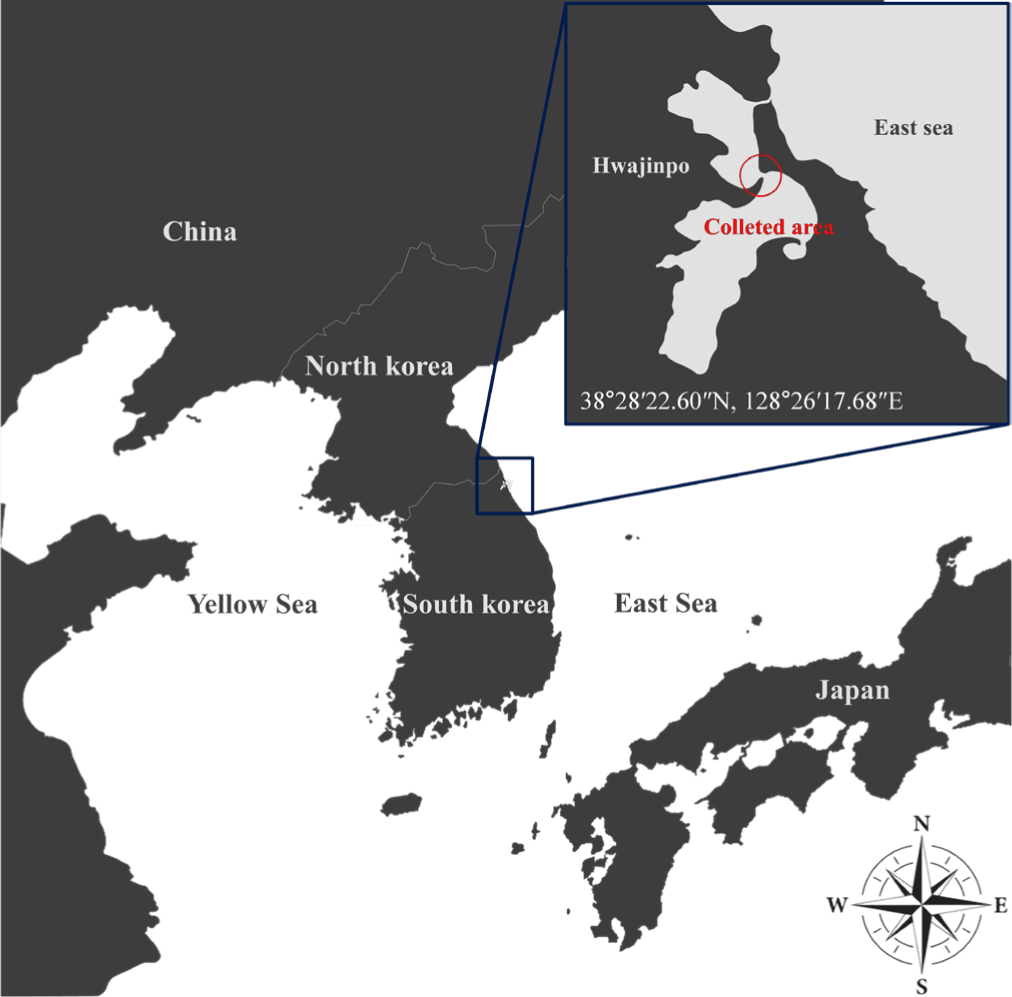
Monogonont rotifers were collected and isolated using a 45 μm mesh plankton net (CL-NP4045A with a mouth diameter of 40 cm and a net length of 80 cm, DAIHAN CHEMLAB, Incheon, Korea) from Hwajinpo Lagoon in Goseong, Korea (38°28'22.60"N, 128°26'17.68"E; Fig. 1). Rotifers were morphologically identified under a stereomicroscope (S8APO, Leica, Wetzlar, Germany) using petri dishes. Ovigerous amictic females were individually isolated, transferred into 12-well plates, and cultured under controlled conditions (24°C and 15 psu salinity). Cultures were fed daily with Chlorella vulgaris at approximately 2 × 10⁵ cells mL−1 to establish and maintain single clonal lineages. B. plicatilis and B. rotundiformis strains used for comparative experiments were maintained in parallel under identical conditions in an aquarium at the Department of Marine Convergence Science, College of Life Sciences, Kangwon National University, Gangneung, Korea.
Morphological analyses were conducted using wild-caught rotifer individuals that were immediately fixed in 1% neutral formalin following field sampling. Morphometric analysis of the lorica was conducted using individuals of identical age. Neonates were selected within 30 min immediately after hatching, and adult females were selected within 30 min after laying their first egg according to the biological minimum size criterion. All specimens were rinsed with sterile seawater (15 psu) and fixed in 1% formalin. To minimize inter-image positional errors, only rotifers positioned with their dorsal sides facing downward were imaged, and all individuals were carefully oriented and centered within the microscopic field prior to imaging to prevent distortion. All stereomicroscopic images were acquired using a stereomicroscope (BX50, Olympus, Tokyo, Japan) equipped with a digital camera (DP73, Olympus).
Whole-body specimens for scanning electron microscopy (SEM) observation were prepared as follows: (1) rotifers were fixed in a 2.5% glutaraldehyde solution at 4°C for 4 h and then rinsed with 1% PBS buffer; (2) specimens were dehydrated through an ascending ethanol series (25%, 50%, 70%, 90%, 95%, and 100%), with each step lasting 10 min; (3) 100% ethanol was replaced twice, for 10 min each; and (4) specimens were subsequently processed using a critical point dryer (EM CPD300, Leica) to replace the remaining alcohol prior to drying. Furthermore, for trophi analysis, trophi were isolated using 4%–5% sodium hypochlorite (Yuhan-Chlorox, Seoul, Korea) for approximately 3 min and prepared for SEM (IT-700, JEOL, Tokyo, Japan) according to De Smet (1998). SEM observations were performed using a scanning electron microscope operated at an accelerating voltage of 10 kV.
For DNA extraction, rotifers were maintained under controlled laboratory conditions to obtain sufficient biomass. Healthy amictic females were cultured for multiple generations under standardized conditions to ensure consistency. The culture conditions included a salinity of 15 psu, a 12:12 h light:dark photoperiod, and a diet of C. vulgaris at 2 × 10⁵ cells individual−1 day−1. To determine the genetic identity of two rotifer species collected from Hwajinpo, approximately 5,000 amictic females were starved before DNA extraction to avoid potential contamination from culture media. Rotifers were homogenized in extraction buffer (100 mM NaCl, 10 mM Tris-Cl pH 8.0, 25 mM ethylenediaminetetraacetic acid [EDTA], 0.5% sodium dodecyl sulfate [SDS], 20 μg/mL proteinase K, 1 μg/mL ribonuclease [RNase]) using a Teflon homogenizer, followed by overnight incubation at room temperature. DNA was extracted using the phenol–chloroform–isopropanol method, and precipitated with 0.2 M ammonium acetate by centrifugation at 10,000×g for 10 min. The pellet was washed with 70% ethanol, air-dried, and resuspended in tris-EDTA (TE) buffer (10 mM Tris-Cl, 1 mM EDTA, pH 8.0). DNA quality and quantity were assessed using a Nanodrop spectrophotometer and 1.2% agarose gel electrophoresis.
To amplify partial mitochondrial cytochrome c oxidase subunit I (mtDNA COI) sequences, species-specific forward and reverse primers were designed based on three representative euryhaline Brachionus sp. (B. plicatilis, B. rotundiformis, and Brachionus koreanus) (Table 1). These primers were adapted from previously validated species-specific protocols, with each pair producing a diagnostic amplicon of known size under standardized polymerase chain reaction (PCR) conditions. In this approach, PCR functions as a diagnostic tool: successful amplification of a specific-sized band indicates identity with the corresponding reference species, whereas absence of amplification suggests mitochondrial sequence divergence or the presence of a distinct lineage. The mitochondrial COI gene has been widely used as a DNA barcode marker due to its high resolution for species identification across diverse animal taxa, achieving over 95% species-level resolution in previous large-scale studies (Ratnasingham & Hebert, 2007).
PCR amplifications were carried out in a total reaction volume of 20 µL, containing 3 µL of template DNA, 1 µL each of forward and reverse primers, 2 µL of 10 × PCR reaction buffer, 2 µL of 10 mM dNTP mixture, 1.٥ µL of 20 mM MgCl₂, and 0.2 µL of Taq DNA polymerase, with nuclease-free water added to adjust the final volume. Thermal cycling was performed with an initial denaturation at ٩٥°C for 5 min, followed by 35 cycles of denaturation at 95°C for 40 s, annealing at 58°C for 30 s, and extension at 72°C for 90 s. A final extension step was conducted at 72°C for 10 min, and the reactions were subsequently held at 4°C. Amplification products were confirmed by electrophoresis on a 1.2% agarose gel.
Statistical analyses were performed using SPSS v29.0 (IBM, Armonk, NY, USA). Data from all experiments are presented as mean ± SE. To compare rotifer strains, data were analyzed using one-way analysis of variance (ANOVA) followed by Tukey’s post hoc test at a significance level of p < 0.05. Significant differences among rotifer strains are indicated by different letters.
Results and Discussion
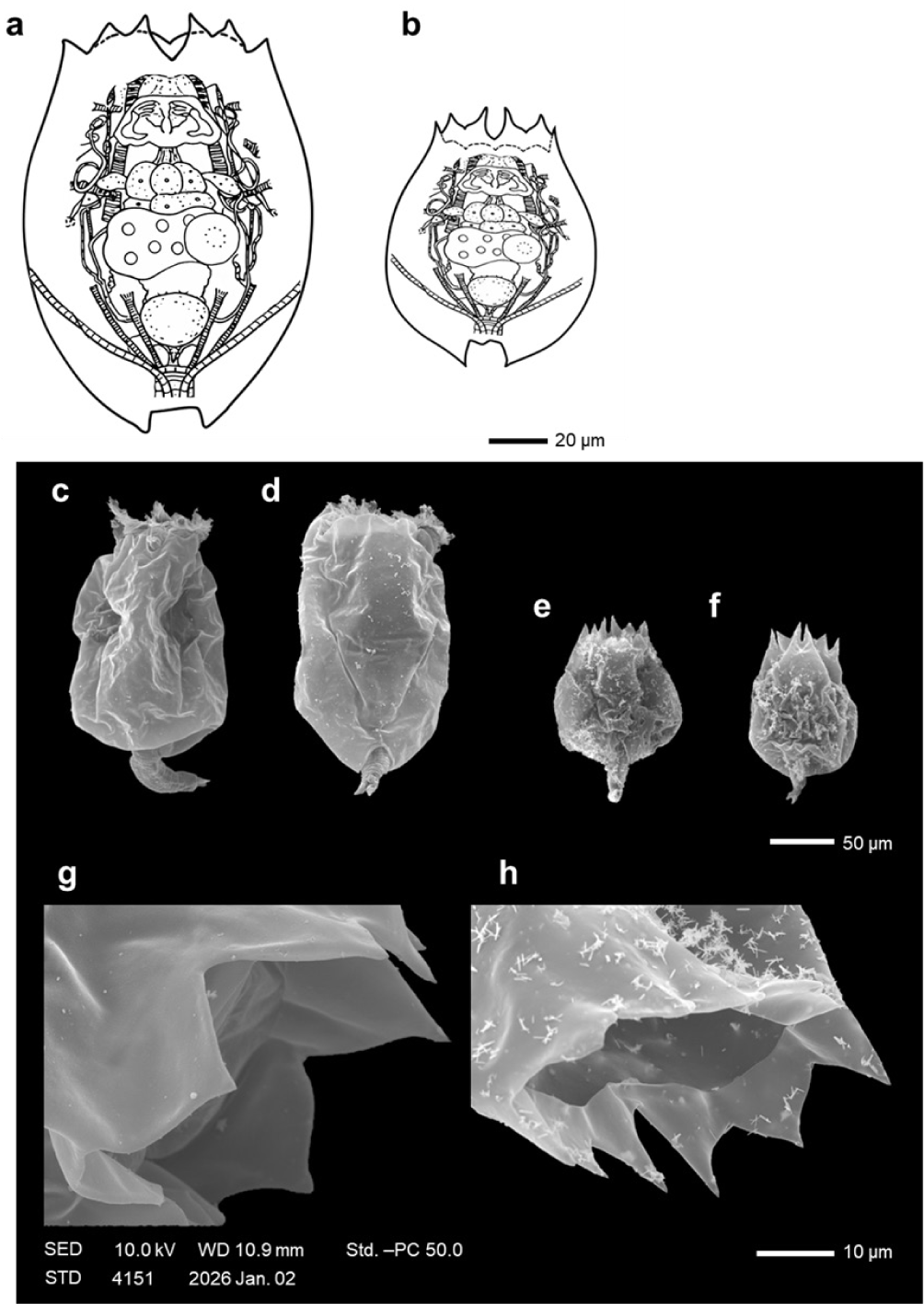
Our data showed that both collected strains are loricate rotifers characterized by the presence of a rigid lorica and belonging to the class Monogononta (Wallace et al., 2006). The large-type strain exhibited a mean lorica length of 214 ± 8.3 µm and a width of 184 ± 12.1 µm, while the small-type strain displayed a mean lorica length of 184 ± 12.1 µm and a width of 163 ± 9.3 µm. Based on comparisons with previously reported size ranges, the large-type corresponds to the average size range reported for B. ibericus, B. plicatilis, and B. rotundiformis, whereas the small-type closely matches the size range of B. ibericus and B. koreanus (Table 2). Both strains exhibited a dorsal lorica bearing six anterior spines, with the median pair being the longest and separated by a deep U-shaped sulcus. SEM revealed distinct variations in anterior spine morphology. The large-type exhibited relatively blunt, less sharply pointed spines, whereas the small-type had distinctly sharper and more pointed spines (Fig. 2). This difference in anterior spine morphology is consistent with previous findings that highlight anterior spine sharpness as a key morphological trait for differentiating rotifer types in aquaculture (Han et al., 2025). Such morphological differentiation may reflect underlying species-level divergence, especially considering that microfaunal communities, including rotifers, often comprise multiple co-occurring species within the same habitat. This pattern of spatiotemporal coexistence is particularly well documented in the genus Brachionus (Gilbert, 2022; Montero-Pau et al., 2011). Accordingly, although the two strains in this study were collected from the same locality, they likely represent distinct species rather than intraspecific morphological variants.
| Species | Body size (μm) | References | |
|---|---|---|---|
| Length | Width | ||
| Brachionus angularis | 86 ± 3.1 | 75 ± 3.6 | Ogello et al. (2016) |
| Brachionus asplanchnoidis | 295 ± 8.1 | 205 ± 4.8 | Guerrero-Jiménez et al. (2019) |
| Brachionus calyciflorus | 235–256 | 155–161 | Xue et al. (2017) |
| Brachionus ibericus | 176–220 | 126–163 | Ciros-Pérez et al. (2001) |
| Brachionus koreanus | 172 ± 11 | – | Kang et al. (2019) |
| Brachionus manjavacas | 254 | 202 | Johnston et al. (2018) |
| Brachionus paranguensis | 217 ± 13.8 | 160 ± 10.9 | Guerrero-Jiménez et al. (2019) |
| Brachionus plicatilis | 123–292 | 114–119 | Snell & Carrillo (1984) |
| Brachionus quadridentatus | 170 | 120 | Saksena & Kulkarni (1986) |
| Brachionus rotundiformis | 140 ± 6 | 124 ± 7.8 | Song et al. (1999) |
| Brachionus rubens | 200–250 | – | Mohr & Adrian (2002) |
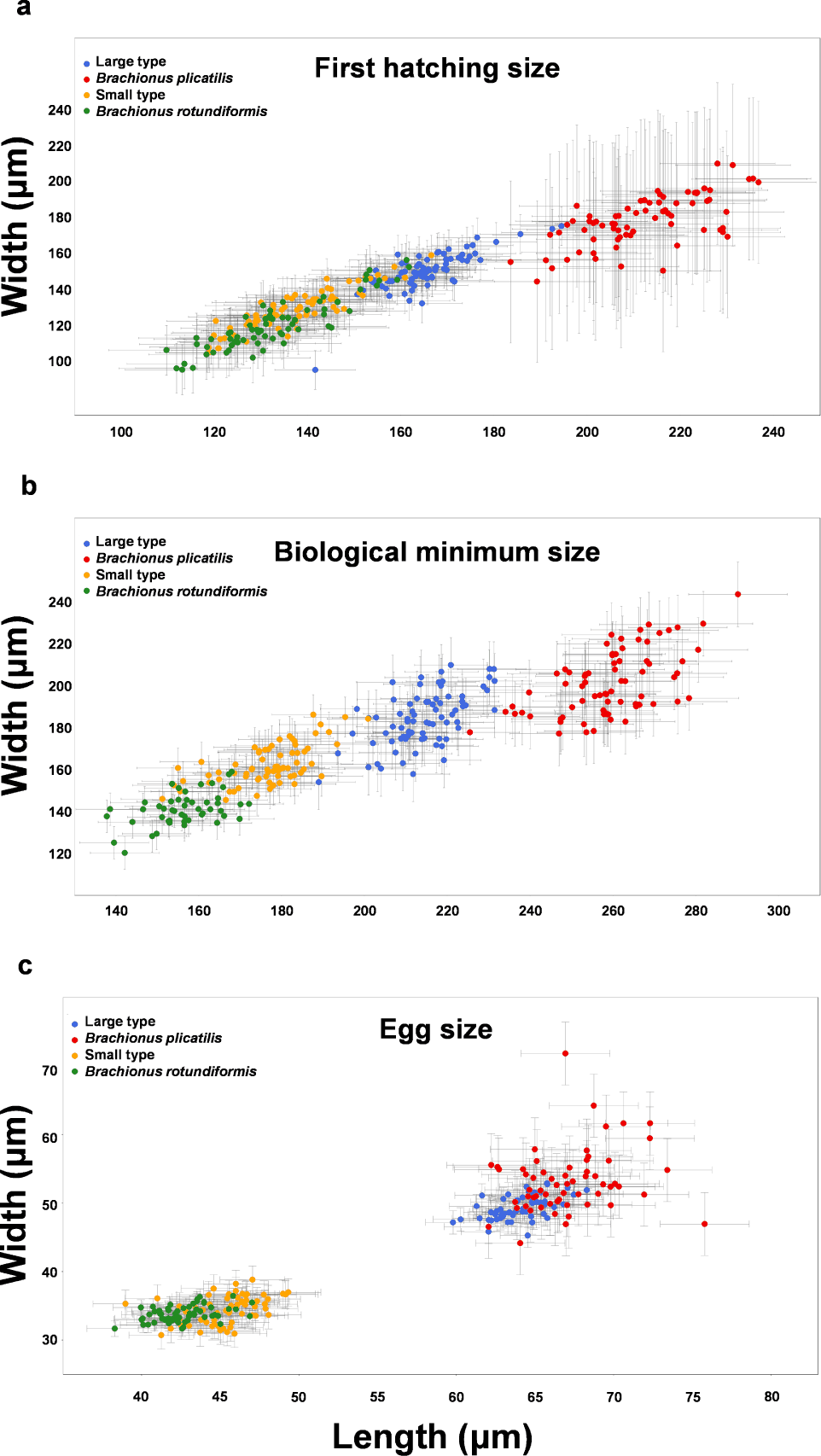
To accurately compare the Hwajinpo strains with previously reported species (B. plicatilis and B. rotundiformis), we measured lorica size under standardized and controlled culture conditions. Morphological traits, including body size, are known to be strongly influenced by environmental factors such as temperature, salinity, and food availability (Ge et al., 2025; Walczyńska & Serra, 2022). As a result, species identification based solely on field-fixed specimens may lead to misinterpretation. Phenotypic plasticity, in particular, is widely recognized as a major limitation in the taxonomic identification of aquatic invertebrates, including rotifers. To minimize this issue and enable reliable morphological discrimination among closely related taxa, all comparisons were conducted under identical laboratory conditions. Size differences between taxa were observed among neonate individuals hatched synchronously within a 30-minute interval at the end of the culture experiment. The Hwajinpo-collected strains exhibited significantly smaller hatchling sizes than B. plicatilis, while the small-type strain showed sizes comparable to B. rotundiformis. These results suggest that, at the neonate stage, the Hwajinpo strains are morphologically distinct from B. plicatilis, indicating potential species-level divergence. A similar pattern was observed in adults at their minimum developmental size. The size difference detected at the neonate stage became even more evident in adults. In comparison with the Hwajinpo strains, B. plicatilis consistently exhibited a larger body size, indicating clear morphological separation. The large-type strain also displayed a substantially greater body size than both the small-type and B. rotundiformis, further supporting their classification as distinct morphotypes despite being collected from the same habitat. At the egg stage, the large-type strain produced eggs similar in size to those of B. plicatilis, whereas the small-type strain produced eggs comparable to B. rotundiformis (Fig. 3). This pattern aligns with previous observations that, within the genus Brachionus, large-bodied strains generally produce larger eggs, while smaller strains produce correspondingly smaller eggs (Snell et al., 2019).
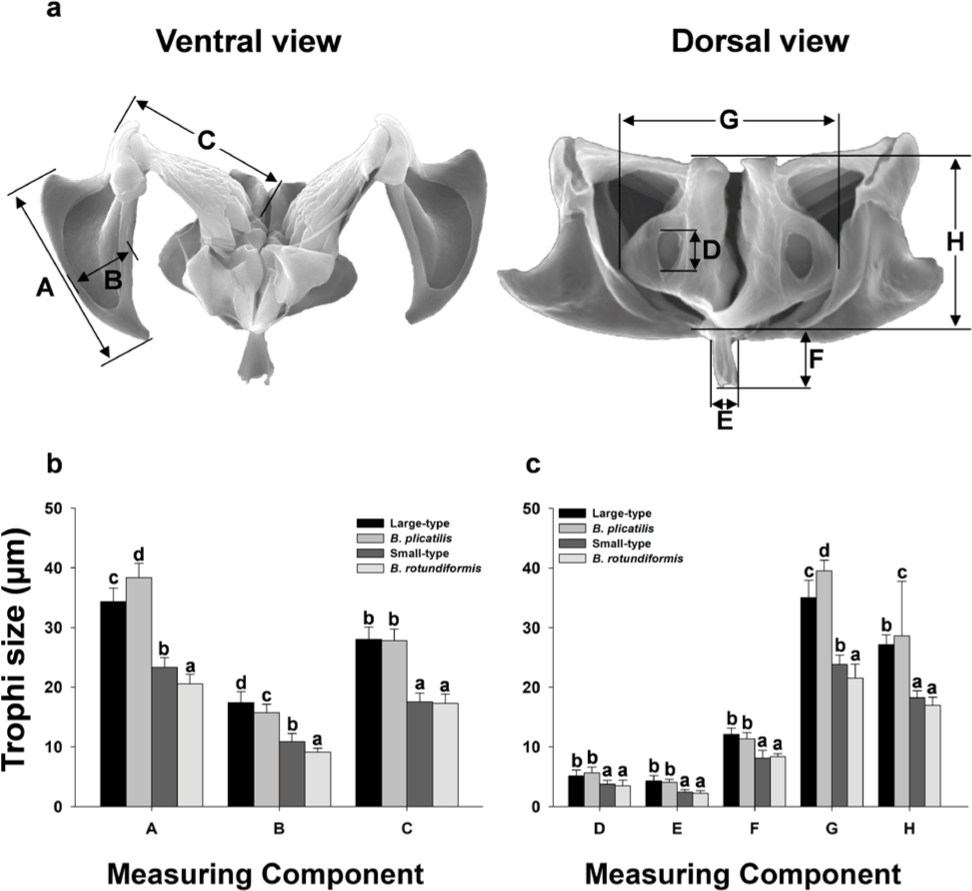
To allow a detailed morphological comparison among the examined rotifer strains, the trophi within the mastax were examined and compared. Comparative analyses of trophi size in both ventral and dorsal views revealed significant differences among the examined strains. In the ventral view, measurements of manubrium length (A) and width (B) clearly differentiated the strains, while in the dorsal view, ramus width (G) and length (H) also showed significant size variation (p < 0.05). Overall, B. rotundiformis consistently exhibited the smallest trophi dimensions. Manubrium length (A) was greatest in B. plicatilis (38.3 ± 2.41 µm) and smallest in B. rotundiformis (20.6 ± 1.57 µm), with the difference being statistically significant. Similarly, manubrium width (B) was largest in large-type (17.4 ± 1.87 µm) and smallest in B. rotundiformis (9.1 ± 0.66 µm; p < 0.05). Uncus length (C) was relatively large in large-type and B. plicatilis (28.0 ± 2.04 µm and 27.8 ± 1.90 µm, respectively), whereas significantly smaller values were observed in small-type and B. rotundiformis (17.5 ± 1.47 µm and 17.2 ± 1.61 µm, respectively; p < 0.05). In contrast, basifenestra length (D), fulcrum width (E), and fulcrum length (F) exhibited patterns similar to uncus length, with comparable sizes between large-type and B. plicatilis, as well as between small-type and B. rotundiformis. Ramus width (G) differed significantly among strains, with B. plicatilis showing the largest value (39.5 ± 1.76 µm), followed by large-type (35.1 ± 2.84 µm), small-type (23.9 ± 1.55 µm), and B. rotundiformis (21.5 ± 2.35 µm; p < 0.05). Ramus length (H) exhibited a similar pattern; however, no significant difference was detected between small-type and B. rotundiformis (p > 0.05; Fig. 4 and Table 3). Overall morphology of individual trophi components in the two collected rotifer strains revealed that both exhibited malleate type. This trophi type is widely recognized as characteristic of the genus Brachionus (Wallace et al., 2006). The presence of malleate trophi in both strains therefore provides additional morphological evidence supporting their assignment to the genus Brachionus. Furthermore, subtle but consistent differences in trophi morphology were observed between the two collected rotifer strains. These differences provide further support for the possibility that the two rotifers, despite being collected from the same habitat, represent distinct strains (Fontaneto & Melone, 2006).
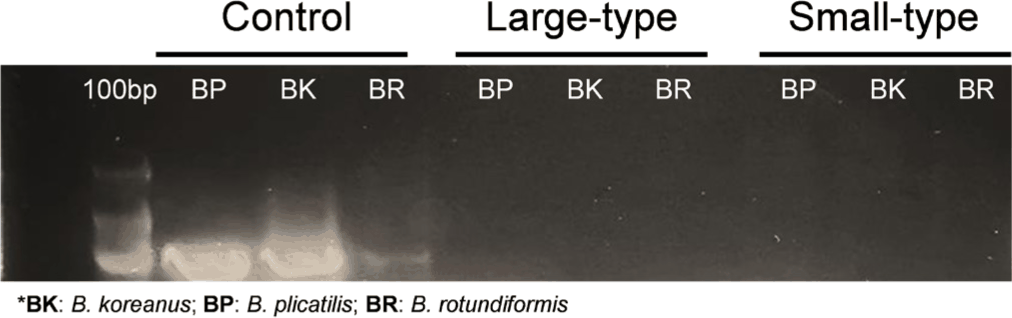
We performed PCR amplification of the mitochondrial COI marker under standardized conditions across all experimental groups. In the control group (B. plicatilis and B. rotundiformis), clear amplicons of the expected size were successfully generated, confirming the validity of the primer sets and the reliability of the PCR protocol (Fig. 5). In contrast, no PCR products were obtained from either the large-type or small-type Hwajinpo strains, despite multiple attempts using high-quality genomic DNA and optimized reaction conditions. The COI primers used in this study were not universal primers, but species-specific primers previously validated against multiple Brachionus taxa commonly used in aquaculture and phylogenetic studies. Therefore, this consistent lack of amplification is not indicative of technical failure, but rather suggests that the mitochondrial COI regions in the Hwajinpo strains differ significantly from known reference sequences. This finding provides preliminary molecular evidence that the two collected strains may represent distinct genetic lineages not currently represented in existing COI databases for the genus Brachionus. Considering that the primers successfully amplified COI sequences in closely related Brachionus species under identical conditions, it is likely that the absence of amplification in the Hwajinpo strains reflects biologically meaningful mitochondrial sequence divergence. However, we only performed COI-based PCR analysis using species-specific primers, and further studies incorporating complete mitochondrial genome sequencing and nuclear markers such as 18S ribosomal RNA (rRNA) or internal transcribed spacer (ITS) are needed to clarify the phylogenetic placement and confirm the taxonomic status of the Hwajinpo strains.
Conclusion
In this study, we examined two rotifer strains collected from the Hwajinpo coastal lagoon on the eastern coast of Korea using detailed morphological comparisons and a preliminary molecular approach. Morphological assessments performed under standardized culture conditions revealed that the large-type and small-type strains exhibited clear differences in body size, spine structure, egg size, and trophi morphology, while both were consistent with diagnostic features of the genus Brachionus. When compared with reference species, the large-type strain showed partial morphological similarity to B. plicatilis, and the small-type strain resembled B. rotundiformis. However, amplification of the mitochondrial COI region was not detected in either Hwajinpo strain, although the primers yielded expected products in the control group under identical conditions. This result suggests that the possibility of mitochondrial sequence divergence relative to commonly used Brachionus taxa and highlights the need for further sequencing to clarify their phylogenetic identity. Taken together, the observed morphological distinctiveness and preliminary molecular findings suggest that the two Hwajinpo rotifer strains may represent potentially distinct indigenous lineages within the genus Brachionus. In light of the dynamic environmental conditions characteristic of coastal lagoons, these strains may serve as ecologically compatible and valuable indigenous resources for domestic aquaculture. Furthermore, they can be considered promising model organisms for future studies in ecotoxicology and molecular ecology in Korea.