Introduction
Southeast Asia represents one of the most biologically diverse freshwater regions in the world, characterized by complex river networks, high species endemism, and intricate biogeographic histories (Hughes, 2017). Within this region, the island of Borneo is a hotspot for ichthyological diversity, supporting unique assemblages shaped by geological processes, fluctuating sea levels during the Pleistocene, and prolonged watershed isolation (de Bruyn et al., 2014). However, despite its ecological significance, the freshwater biodiversity of Borneo remains insufficiently characterized, as many taxa are understudied and face increasing threats such as deforestation, hydrological modification, and mining pollution (Davies-Barnard et al., 2023; Keong & Onuma, 2021). Accurate species identification therefore plays a vital role in conservation planning and ecological monitoring (Hobern, 2021).
The family Pristolepididae comprises a small lineage of perciform fishes primarily distributed in freshwater habitats of South and Southeast Asia. Members of the genus Pristolepis, commonly called leaffishes, exhibit a laterally compressed, leaf-like body shape that facilitates camouflage among submerged vegetation and woody debris (Kottelat et al., 1993; Plamoottil, 2013). These fishes are benthic-to-demersal ambush predators, feeding on aquatic invertebrates and small fishes, and they play a functional role in maintaining community structure within lowland streams and swamps (Sangpradub & Hanjavanit, 2017). Several species also have local artisanal value as a protein resource and are occasionally traded as ornamental fishes due to their distinctive body form and fin coloration (Muslim et al., 2022).
Morphological distinction among Pristolepis species, however, has long been problematic. Traditional diagnostics rely on meristic traits and pigmentation patterns that often overlap across species or vary with ontogeny and environmental conditions (Muslim, 2019). For example,Pristolepis grootii and Pristolepis fasciata—two species reported widely across Sundaland—share similar overall morphology, leading to frequent misidentification in field surveys (Kottelat et al., 1993). Molecular tools offer powerful solutions to these taxonomic uncertainties (Amin et al., 2020a). DNA barcoding using the mitochondrial cytochrome c oxidase subunit I (COI) gene has become a global standard for species discrimination in fishes due to its ease of amplification, high interspecific variability, and availability of reference sequences through initiatives such as the Barcode of Life Data Systems (BOLD) (Ratnasingham et al., 2024). Beyond simple matching-based identification, DNA barcoding can detect cryptic species, clarify species boundaries through barcode gap analyses, and provide a backbone for phylogenetic inference and evolutionary studies (Abdulmalik-Labe et al., 2022).
To date, both P. grootii and P. fasciata have been examined primarily in relation to morphological traits (Akbar et al., 2025; Muslim, 2021), length–weight relationships (Muslim et al., 2022), diet composition (Sangpradub & Hanjavanit, 2017), and geographic distribution patterns (Akbar et al., 2025; Suyatna et al., 2017). In contrast, genetic investigations explicitly addressing both species remain scarce, with only a limited number of studies providing molecular insights into P. grootii and P. fasciata (Panprommin et al., 2019; Syaifudin, 2023). Moreover, the molecular phylogeny of Pristolepis remains poorly resolved (Collins et al., 2015), particularly regarding relationships between Southeast Asian species and their Indian subcontinent counterparts. Geological dynamics of Indian subcontinent and Sundaic landmasses likely drove deep evolutionary divergence between these regional lineages, yet few studies have assessed such biogeographic patterns using robust genetic datasets (Morley, 2018). Borneo’s major river drainages, including the Barito and Mahakam systems, may also represent historical barriers to gene flow that contribute to lineage diversification within the island (Sholihah et al., 2021).
Given these taxonomic challenges and knowledge gaps, the present study applies an integrative DNA barcoding framework to Pristolepis specimens collected from two principal river basins in Borneo, including Barito and Mahakam River. Using COI sequence data, we aim to authenticate species identity through database-based similarity assessment, delineate genetic boundaries using species delimitation approaches, and reconstruct phylogenetic relationships among Bornean and regional Pristolepis species. By generating novel barcodes and clarifying the evolutionary context of Bornean leaffishes, this study contributes foundational data for future taxonomic revisions, biodiversity assessments, and freshwater conservation programs in the Sundaic region.
Materials and Methods
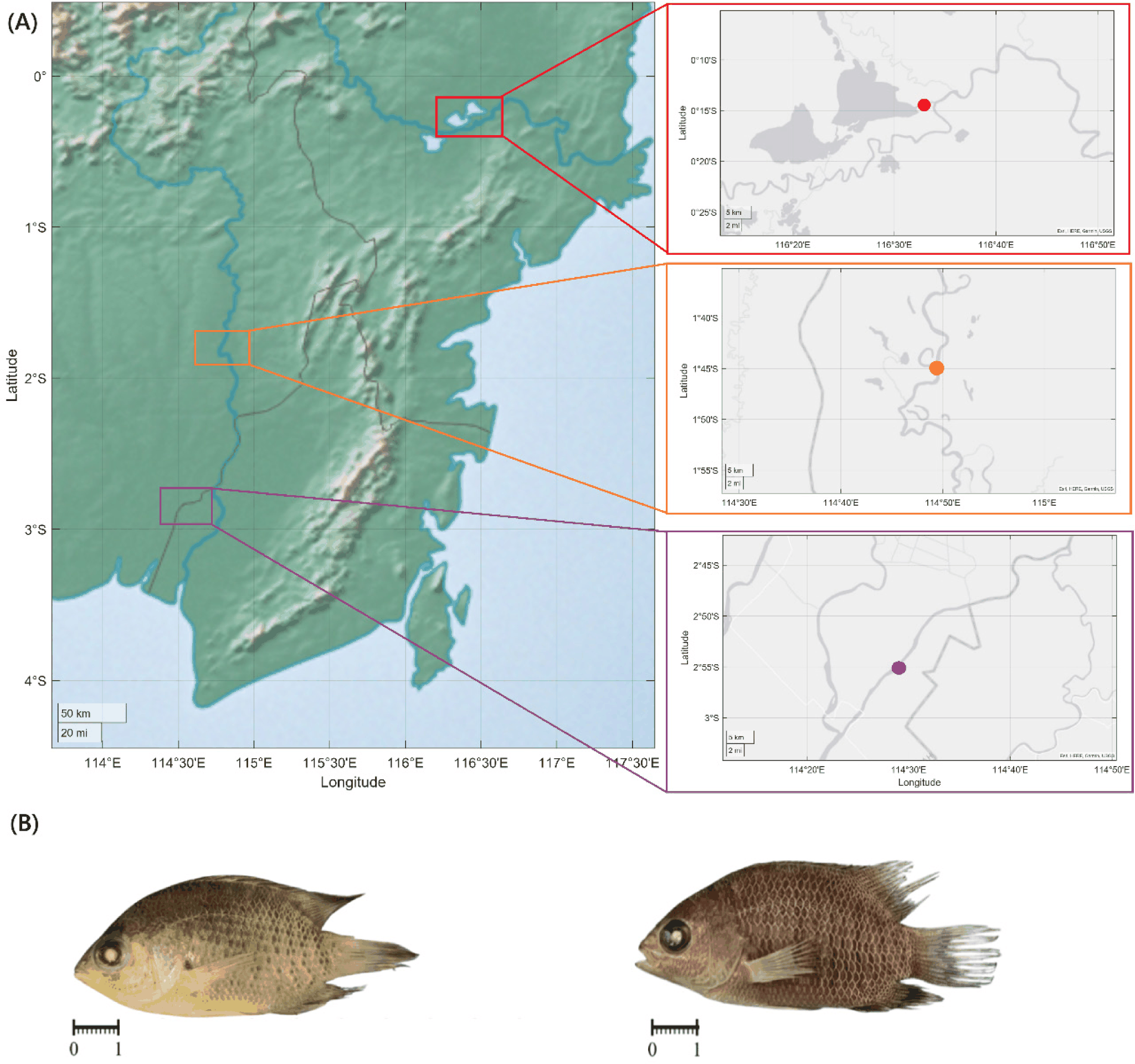
Fish specimens were collected from multiple sampling sites located within two major river basins in Borneo, namely the Barito River Basin (Central and South Kalimantan) and the Mahakam River Basin (East Kalimantan) (Fig. 1). The two Pristolepis species can be distinguished by several consistent morphological characters, particularly the position of the lateral line and the relative length of the pelvic fin. In P. fasciata, the lateral line originates at the fifth scale counted from the dorsal-fin base, whereas in P. grootii it begins at the fourth scale from the dorsal-fin base. Additionally, the pelvic fin in P. fasciata extends posteriorly to reach the anal opening, while in P. grootii the pelvic fin is shorter and does not reach the anus (Kottelat et al., 1996). Both specimens were preserved in 70% ethanol and deposited in the Laboratory of Biosystematics, Universitas Airlangga, under voucher numbers BIOUA-OST-MHK-00001 for P. fasciata and BIOUA-OST-BAR-00016 for P. grootii. Genomic DNA (gDNA) was extracted from pectoral fin using guanidine hydrochloride method (Amin et al., 2024) and rehydrated in 50 µl of tris- ethylenediaminetetraacetic acid (EDTA) buffer. After evaluation using μDrop™ plate MultiScan spectrometer (Thermo Fisher Scientific, Waltham, MA, USA), gDNA was stored –20°C until further analysis.
Polymerase chain reaction (PCR) was employed to amplify partial fragments of the cytochrome c oxidase subunit I (COI) gene was amplified using universal primers Fish-BCH (5'-TAAACTTCAGGGTGACCAAAAAATCA-3') and Fish-BCL (5'-TCAACYAATCAYAAAGATATYGGCAC-3') (Baldwin et al., 2009). Amplifications were carried out in a 20 μL reaction mixture composed of 2.0 μL of genomic DNA, 1.0 μL of each primer (10 pmol), 10 μL of MyTaq HS Red Mix (Meridian Bioscience, Cincinnati, OH, USA), 0.6 μL of 3% DMSO, and nuclease-free water to volume. The PCR profile included an initial denaturation at 94°C for 5 min, followed by 35 cycles of denaturation at 94°C for 30 s, annealing at 54.3°C for 30 s, and extension at 72°C for 45 s, with a final elongation step at 72°C for 5 min. Amplicons were visualized on a 2% agarose gel to confirm successful amplification. Verified PCR products were subsequently submitted to Apical Scientific Sdn. Bhd. (Selangor, Malaysia) for sequencing using the BigDye® Terminator v3.1 cycle sequencing chemistry.
The sequence of amplicons were visually inspected using Geneious v9.1.8. For the specimen identification process, each sequence of specimens was initially compared to sequences available in public database using identification engine in BOLD system (https://id.boldsystems.org/).
Prior to further analysis, the 37 reference sequences from BOLD system and GenBank (https://www.ncbi.nlm.nih.gov/genbank/) were retrieve. All sequences were trimmed and standardized to a 591 bp fragment and were subsequently employed for comparative genetic and phylogenetic analyses. To analyze barcoding gap, the Kimura-2-Parameter (K2P) genetic distances at different taxonomic levels were calculated, including intra-specific distance and inter-specific distance within the same genus. Species delimitation were inferred using two distance-based approaches, including Automatic Barcode Gap Discovery (ABGD) (Puillandre et al., 2012) and Assemble Species by Automatic Partitioning (ASAP) (Puillandre et al., 2021). Both analyses were performed via the SPART-Explorer online platform (https://spartexplorer.mnhn.fr/) using K2P substitution model. To ensure robust taxonomic conclusions through methodological triangulation, a tree-based Bayesian Poisson Tree Process (bPTP) was concurrently implemented (Zhang et al., 2013). This multi-analytical strategy allows for a rigorous cross-verification of molecular operational taxonomic units (MOTUs), particularly in resolving the cryptic diversification observed between the South Asian and Sundaland lineages.
Furthermore, the sequences of this study and sequences from database were aligned by CLUSTAL W (Larkin et al., 2007) with Anabas testudineus as outgroup. The HKY+I evolutionary model was selected from best model estimation and the maximum-likelihood (ML) phylogenetic tree was constructed in MEGA-X (Kumar et al., 2018) with 1,000 bootstrap replicates.
Results
The mitochondrial COI gene from eleven specimens were successfully sequenced, including eight specimens from Barito River and three specimens from Mahakam River. All sequences were deposited in GenBank (https://www.ncbi.nlm.nih.gov/genbank/) under accession PX780502–PX780511 and PV034316. DNA barcoding using the mitochondrial COI gene successfully identified all collected Pristolepis specimens to species level through BOLD search results. Samples collected from the Barito River showed 100% sequence identity to P. grootii (Table 1), indicating a definitive match and supporting the species-level accuracy of COI barcoding for this taxon. In contrast, Mahakam River samples clustered with P. fasciata, with BOLD identity values ranging from 99.68% to 100%.
Phylogenetic reconstruction based on the mitochondrial COI fragment recovered P. grootii as monophyletic lineage (Clade I) with strongly bootstrap supports and formed a tight cluster with minimal branch length (Fig. 2). In contrast,P. fasciata fails to form a single, exclusive evolutionary lineage. Instead, the species is fragmented into three distinct, geographically correlated clades, including the Sumatra group (Clade II), the East Borneo group (Clade III), and the Thailand group (Clade IV). Moreover, internal topology within this clade exhibits branch lengths between some haplotypes are longer than observed in P. grootii. Even though P. fasciata of this study collected from single location in Mahakam River, genetic divergences were observed among samples (K2P = 0.00341–0.00686).
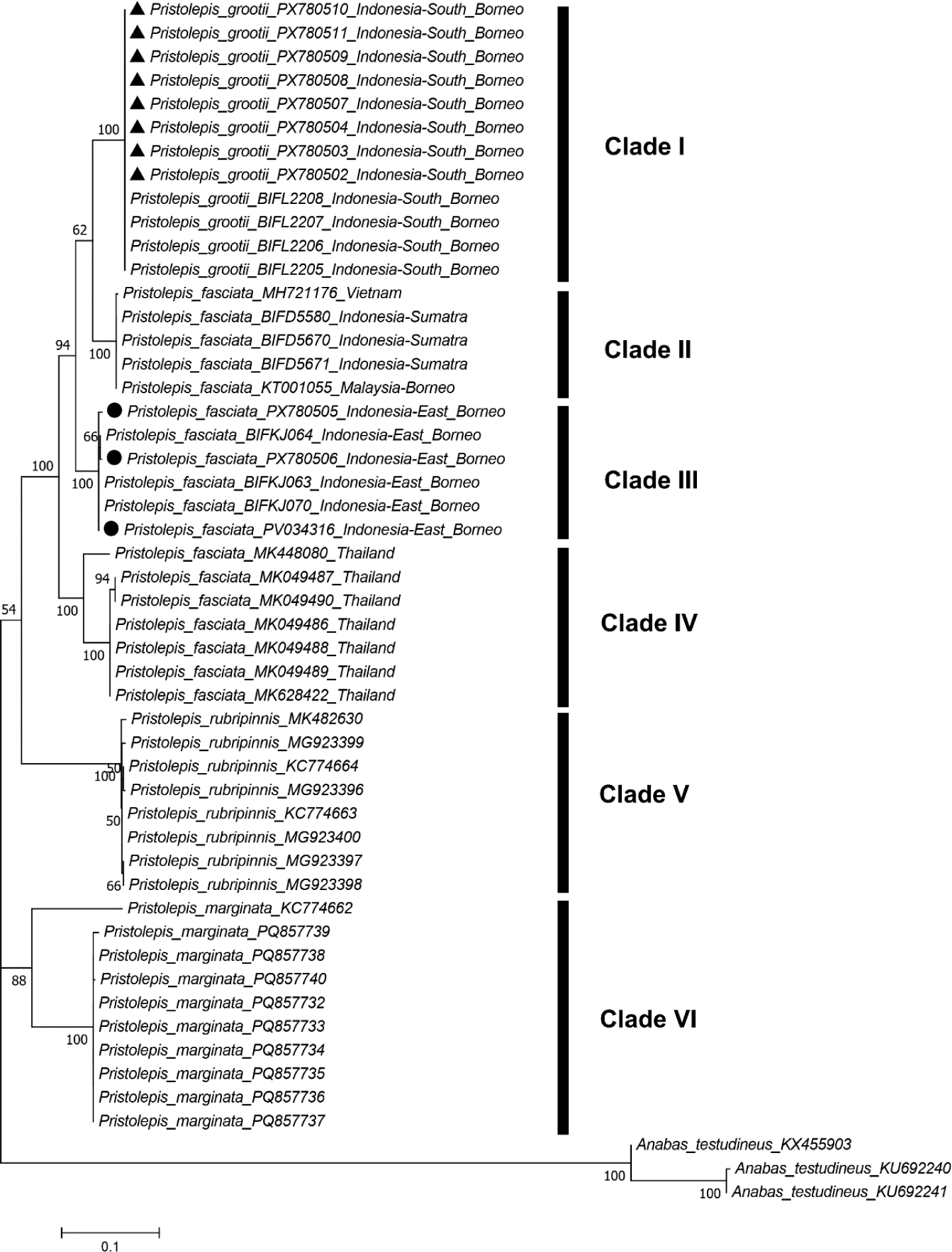
In addition to resolving species-level relationships in Borneo, the COI phylogeny also recovered a clear biogeographic dichotomy between Southeast Asian Pristolepis lineages and those from the Indian subcontinent. The phylogenetic topography establishes Pristolepis rubripinnis and Pristolepis marginata, autochthonous to the Indian subcontinent, as the basal lineages to the Southeast Asian radiation. These Southern Indian taxa form a sister-group relationship that is phylogenetically divergent from the core Sundaland clade, which encompasses the P. grootii and P. fasciata complexes.
Species delimitation analyses based on the COI dataset consistently recovered multiple well-supported lineages within the genus Pristolepis, identifying the major clades as distinct MOTUs. The three approaches—ABGD, ASAP, and bPTP—produced highly congruent patterns of lineage partitioning across the phylogenetic tree, although minor differences in cluster boundaries were observed among methods (Fig. 3). Across all methods, the specimens identified as P. grootii formed a distinct and well-supported MOTU corresponding to the South Borneo samples. This clade was consistently delimited as a single species-level unit and was clearly separated from all other congeners, with strong phylogenetic support. Similarly, sequences belonging to P. rubripinnis were consistently recovered as a distinct MOTU across all delimitation analyses. The clade showed strong genetic cohesion and was clearly differentiated from other species in the phylogeny.
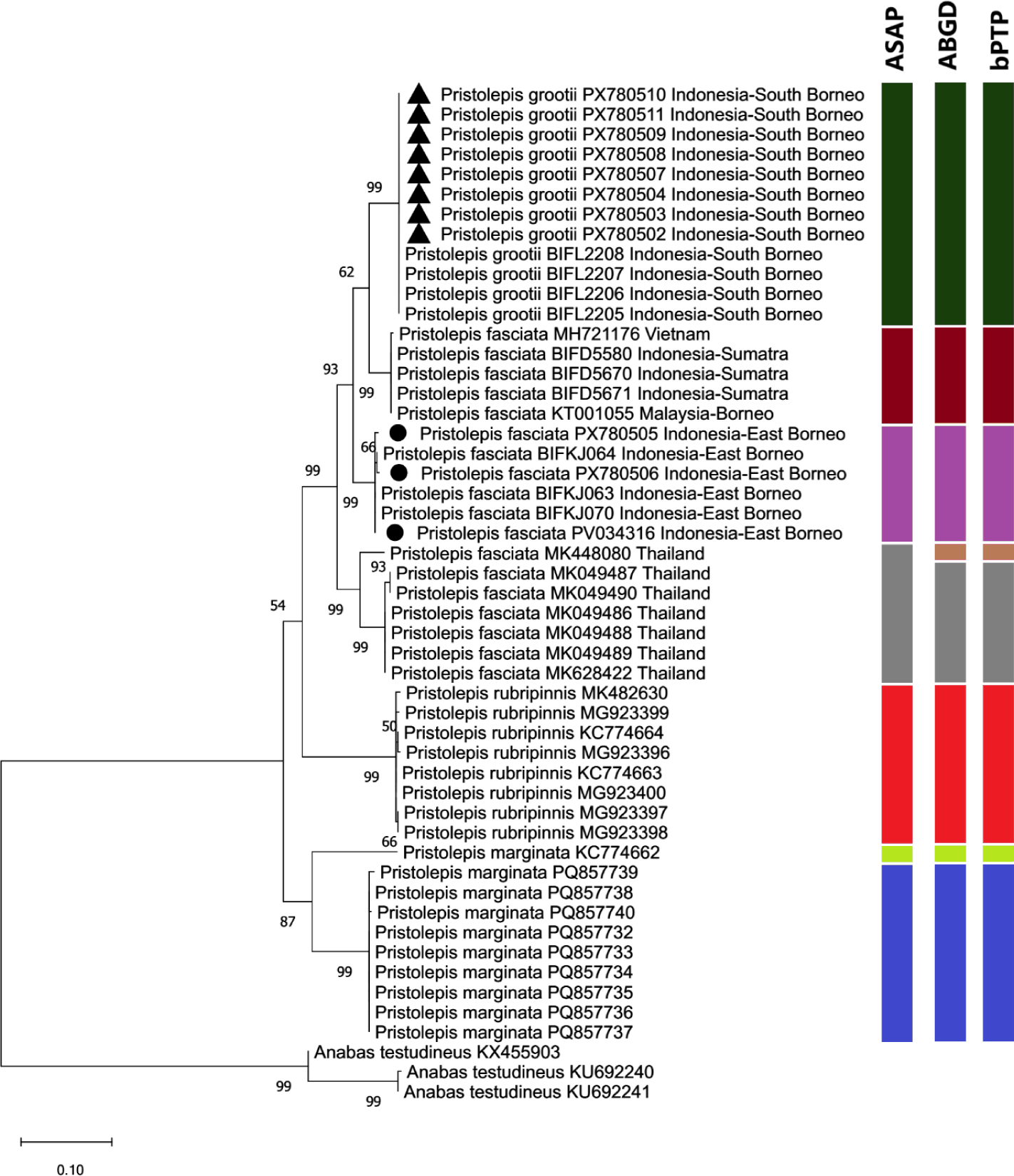
Although most sequences of P. marginata clustered together as a well-supported monophyletic group, the delimitation methods detected two closely related but distinct MOTU. The majority of sequences (PQ857732–PQ857740) formed a primary cluster characterized by high internal similarity, suggesting a genetically cohesive population. However, the sequence KC774662 was consistently separated from this main cluster and recovered as an independent lineage by all three species delimitation approaches, indicating nascent speciation or deep phylogeographic structuring.
In contrast, the widespread species P. fasciata exhibited a markedly different pattern. Instead of forming a single cohesive lineage,P. fasciata was subdivided into at least three genetically distinct MOTUs corresponding largely to geographic origin, including East Borneo, Thailand, and the Sumatra. While ASAP showed a single MOTU of Thailand clade, the ABGD and bPTP analysis suggested a further subdivision within the cluster.
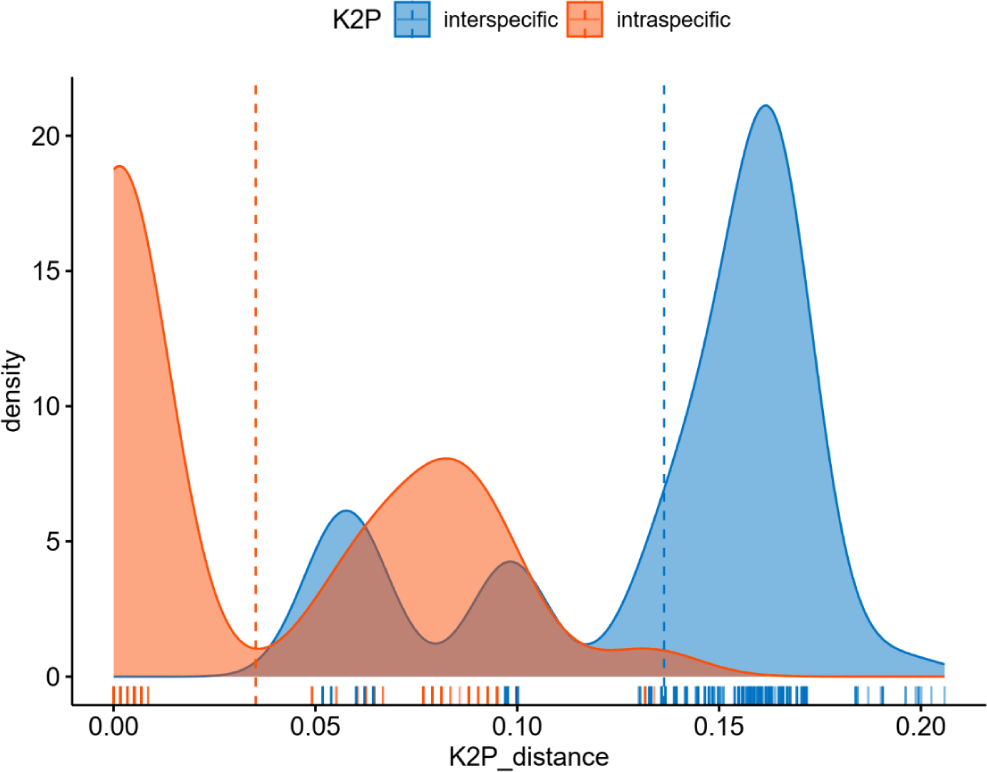
The distribution of genetic distances based on the K2P distance model was examined to evaluate the presence of a barcoding gap among species within the genus Pristolepis. The frequency distribution of pairwise genetic distances revealed substantial overlap between intra- and interspecific divergences, indicating the absence of a distinct barcoding gap across the dataset (Fig. 4). In general, intraspecific K2P distances were concentrated at low divergence values (mean = 0.03519) but extended into ranges that overlapped with interspecific distances. While, the mean interspecific comparison was relatively high (K2P = 0.13637). Genetic distances across the matrix reveal a clear hierarchy of divergence, with interspecific mean distances (lower diagonal) ranging from 0.07346 between P. grootii and P. fasciata to a maximum of 0.16801 between P. grootii and P. marginata (Table 2). These high interspecific values are markedly distinct from the intraspecific variation observed within P. rubripinnis (K2P = 0.00403) and P. marginata (K2P = 0.02776). Notably, the exceptionally high internal variation recorded for the P. fasciata complex (K2P = 0.05826)—which exceeds the typical species-level threshold for teleosts—further validates the presence of cryptic diversity and reinforces the paraphyletic nature of the group identified in the phylogenetic reconstruction.
Discussion
This study provides compelling molecular evidence supporting the species boundaries and phylogenetic analysis within the genus Pristolepis across Borneo. Based on mitochondrial COI data, all specimens collected from the Barito River system were unambiguously assigned to P. grootii, while those from the Mahakam basin consistently matched P. fasciata with high sequence identity (> 99.6%). Although slightly lower than P. grootii, these scores still fall within the accepted threshold (≥ 98% similarity) for species-level identification in freshwater fishes (Tang et al., 2023), thereby confirming the presence of P. fasciata in the Mahakam region. In this study, species identification was performed using the BOLD identification engine, as previous work demonstrated that Basic Local Alignment Search Tool (BLAST) searches were insufficient for achieving reliable species-level assignments (Syaifudin, 2023). BOLD provides a more robust platform for COI-based identification because it integrates both public and private reference sequences, thereby expanding taxonomic coverage and enhancing the accuracy of barcode matching relative to BLAST, which is limited to publicly released records (Stein & Gailing, 2025).
Phylogenetic reconstruction and species delimitation analyses based on COI sequences further corroborated the DNA barcoding results of P. grootii, recovering as a monophyletic lineage with strong bootstrap support, confirming their evolutionary independence. The P. grootii clade exhibited short internal branch lengths, indicative of low intraspecific mitochondrial variation and suggesting either recent population expansion (Russell et al., 2005) or ongoing connectivity within the river basin (Syaifudin, 2023).
In contrast, substantial genetic structuring was revealed within P. fasciata, suggesting that this nominal taxon may represent a complex of deeply divergent evolutionary lineages rather than a single homogeneous species. Our results demonstrate a profound level of paraphyly within the currently recognized P. fasciata, as the species is fragmented into three highly supported, geographically discrete clades (Clades II, III, and IV). This pattern indicates strong phylogeographic structuring within the species, which may reflect historical isolation among populations, limited gene flow across biogeographic barriers, or long-term diversification within regional freshwater systems. The presence of geographically structured clades within P. fasciata is consistent with the complex geological and hydrological history of Southeast Asia, particularly the Sunda Shelf region. During periods of Pleistocene sea-level fluctuations, river systems across present-day islands were periodically connected and fragmented, potentially facilitating both dispersal and subsequent isolation of freshwater taxa (Voris, 2000). Such processes have been widely recognized as important drivers of diversification in Southeast Asian freshwater fishes (Amin et al., 2025). The distinct clustering of populations from each type localities observed in the present study suggests that these historical landscape dynamics may have contributed to lineage divergence within P. fasciata, resulting in substantial genetic differentiation among populations that are currently assigned to the same species, as reported in previous studies (Bañón et al., 2025). The concordance between phylogenetic reconstruction and species delimitation methods suggests that these lineages may represent evolutionarily significant units (ESUs) and potentially undescribed or cryptic taxa within the currently recognized species.
The DNA barcoding gap analysis also reflected this complex pattern. Unlike the distinct separation typically expected between intra- and interspecific divergences, the distribution of pairwise genetic distances in Pristolepis showed considerable overlap. The relatively high intraspecific divergence observed within P. fasciata contributed substantially to this overlap, resulting in the absence of a clear barcode gap. Despite the exclusive uses of COI for species delimitation and phylogenetics (Htoo et al., 2025; Van In et al., 2017), this pattern suggests that COI divergence thresholds alone may not reliably distinguish species boundaries within the genus, particularly for taxa exhibiting strong geographic structuring. Nevertheless, despite the lack of a clear barcode gap, the phylogenetic and species delimitation analyses consistently recovered structured lineages within P. fasciata, reinforcing the biological significance of the observed genetic differentiation.
Taken together, the combined evidence from phylogenetic topology, species delimitation analyses, DNA barcoding patterns, and K2P genetic distances indicates that P. fasciata likely represents a species complex comprising several divergent lineages distributed across Southeast Asia. This interpretation is further reinforced by recent taxonomic developments within the genus Pristolepis, where at least two new species have been described over the past decade (Plamoottil, 2017; Plamoottil & Win, 2017). These discoveries highlight the previously underestimated diversity within the group and raise the possibility that the currently recognized P. fasciata may conceal additional undescribed taxa within its broad geographic range.
However, taxonomic revision should be approached cautiously because the present dataset is primarily based on mitochondrial DNA and limited geographic sampling. Integrative approaches incorporating multilocus genomic data, and detailed morphological reassessment will be necessary to determine whether these lineages represent distinct species, subspecies, or geographically structured populations (Londoño-Burbano & Britto, 2025). Additionally, the incorporation of complete mitochondrial genomes would substantially strengthen future analyses by providing higher phylogenetic resolution, more reliable divergence estimates, and improved detection of historical demographic processes (Amin et al., 2020b). Full mitogenome data would also facilitate more accurate comparisons with global genetic repositories and enhance the utility of Pristolepis as a reference taxon in biodiversity monitoring and evolutionary studies.
Beyond the Bornean focus, the phylogeny also reveals broader regional divergence within the genus Pristolepis, characterized by a clear partition between Southeast Asian lineages and a distinct assemblage distributed across the Indian subcontinent. This east–west phylogenetic split supports earlier evolutionary hypotheses suggesting long-term geographic isolation between ichthyofaunas of Sundaland and South Asia, driven by the complex tectonic history associated with the northward movement and collision of the Indian plate as well as repeated reorganization of freshwater drainage systems across the Indo-Malayan region (De Alwis et al., 2023). Such geological processes likely promoted historical vicariance and limited dispersal between western and eastern freshwater basins, thereby facilitating independent evolutionary trajectories among regional Pristolepis lineages. Currently, eight species are recognized within the genus, five of which occur in the Indian subcontinent. However, the phylogenetic topology suggests a degree of paraphyly among the available Indian representatives, rather than forming a single cohesive clade. This pattern should be interpreted cautiously because it is likely influenced by incomplete representation of Indian taxa in public genetic repositories such as GenBank and BOLD, including P. malabarica, P. pentacantha, and P. procerus. The limited availability of sequences from several recognized or potentially undescribed species from Indian river basins may obscure the true evolutionary relationships within the South Asian assemblage and artificially produce a paraphyletic pattern in the current phylogeny (Rosenberg & Kumar, 2001). Therefore, more comprehensive sampling of Indian Pristolepis diversity, combined with expanded molecular datasets, will be essential to fully resolve the biogeographic history and evolutionary relationships of the genus across South and Southeast Asia.
The molecular distinctiveness detected here also holds conservation relevance. Borneo’s aquatic ecosystems are undergoing rapid anthropogenic alteration linked to deforestation, mining, and hydrological modifications (Davies-Barnard et al., 2023; Keong & Onuma, 2021). The confirmation of strong population structure and cryptic evolutionary boundaries underscores the importance of river-specific conservation management, as the loss of localized lineages may erode evolutionary diversity disproportionately. Recognition of Pristolepis species as ESUs may aid in prioritizing habitat protection, especially in river systems currently facing intense environmental pressures.
Conclusion
In conclusion, the integrative analyses based on DNA barcoding, phylogenetic reconstruction, species delimitation, and K2P distances provide new insights into the evolutionary diversity within the genus Pristolepis. The results clearly support the genetic distinctiveness of P. grootii, which forms a well-supported and cohesive lineage with clear separation from other congeners, reinforcing its taxonomic validity and highlighting the unique evolutionary component of Bornean freshwater ichthyofauna. In contrast,P. fasciata exhibits substantial genetic structuring across its distribution, with multiple geographically associated lineages revealed by phylogenetic and species delimitation analyses. The relatively high intraspecific divergence and lack of a clear barcoding gap further indicate that P. fasciata likely represents a complex of divergent evolutionary units rather than a single homogeneous species. Together, these findings emphasize both the distinctiveness of P. grootii and the hidden diversity within the P. fasciata complex, underscoring the need for broader geographic sampling and integrative taxonomic approaches to clarify species boundaries and better understand the evolutionary history of Pristolepis in Southeast Asia.