Introduction
Aquaculture is the primary source of seafood for human consumption, meeting the growing demand for high-quality protein driven by global population growth and the decline in capture fisheries production. Penaeid shrimp are among the most promising aquatic species, accounting for approximately 62.2% of total crustacean production in 2022, a 15.3% increase compared to 2020. Among these, Pacific white shrimp (Pneaeus vannamei) ranked first, with a production volume of 6.8 million tonnes, representing 85.7% of total penaeid shrimp production (FAO, 2024). P. vannamei is widely regarded as one of the most euryhaline species among penaeid shrimp, capable of both hyper- and hypo-osmoregulation, and can tolerate a wide salinity range, making it an ideal candidate for inland aquaculture.
Kuwait’s aquaculture sector is in a developmental phase, with production increasing by 123% in 2022 compared to 2018. In contrast, capture fisheries production declined by 34.3% during the same period (FAO, 2024). Shrimp capture production dropped from 3,900 tonnes in the 1980s to just 600 tonnes in 2018 (Alqattan & Gray, 2021). Moreover, shrimp aquaculture remains underdeveloped, with only 2.0 tonnes produced in 2022 (FishStat, 2024). Consequently, shrimp imports have risen to meet domestic demand, with projections indicating imports will reach 7,615 tonnes by 2024 and increase to 8,813.5 tonnes by 2028 (ReportLinker Research, 2024). Expanding domestic shrimp farming could help meet this rising demand. Given that most of Kuwait’s population and industrial activity are concentrated along the coastline where land costs are high and aquaculture is tightly regulated, inland shrimp farming using low-salinity groundwater presents a promising alternative.
Biofloc technology (BFT) is widely recognized as an economically viable and environmentally friendly aquaculture method. It involves the formation of microbial aggregates composed of bacteria, algae, protozoa, detritus, and decomposed organic material, which can be directly utilized by farmed organisms or processed into feed ingredients (Avnimelech & Kochba, 2009). P. vannamei is particularly well-suited to BFT systems due to its omnivorous diet and tolerance to high concentrations of suspended solids. BFT has been shown to improve shrimp performance by enhancing survival, growth, and feed conversion ratio (FCR), while also improving water quality, reducing water exchange, supporting high-density rearing, lowering the risk of Vibrio parahaemolyticus infection, and enabling reduced feeding frequency without compromising performance. These advantages contribute to lower production costs and enhanced economic sustainability (Abakari et al., 2022). Additionally, recent studies have highlighted BFT’s positive role in promoting disease resistance, improving labor and feeding efficiency, producing microbial protein, and upregulating immune-related genes in shrimp (Khanjani et al., 2024).
One of the key challenges in shrimp aquaculture is the high cost of feed, which can represent 40%–60% of total operational expenses in intensive farming systems. Fishmeal, a primary protein source in aquafeeds, has become increasingly expensive due to high demand, with over 87% of global fishmeal production used in aquaculture as of 2021, up from 76% in 2010 (FAO, 2024). Consequently, various alternative protein sources have been investigated to reduce reliance on fishmeal and lower feed costs. Studies have explored both animal-based proteins, such as poultry by-product meal (McLean et al., 2020) and insect meal (Zainorahim et al., 2024), and plant-based proteins, including soybean meal (Yun et al., 2017; Zhang et al., 2023), rice protein concentrate, corn gluten meal, and cottonseed meal (Cai et al., 2023).
BFT may further enhance the use of alternative protein sources by providing in situ microbial protein and essential fatty acids that compensate for reduced dietary fishmeal. Several studies have demonstrated the nutritional feasibility of incorporating alternative ingredients into shrimp diets under BFT systems, including black soldier fly (Hermetia illucens) meal (Zainorahim et al., 2024), soybean protein concentrate (Jatobá et al., 2017; Zhang et al., 2023), and others. Collectively, these findings suggest that fishmeal can be partially or even fully replaced in BFT-based shrimp diets. Furthermore, BFT has been reported to reduce feed costs by 25%–30%, thereby improving the profitability of shrimp farming operations (McCusker et al., 2023).
The development of shrimp farming in Kuwait should emphasize sustainable practices that minimize environmental impact while ensuring economic viability. As noted, shrimp aquaculture in the Kuwait Desert remains underdeveloped. To address this, a collaborative research initiative between the governments of Kuwait and Korea was launched. A previous study demonstrated the successful culture of P. vannamei in a biofloc system utilizing low-salinity groundwater from the Kuwait Desert by adjusting Mg/Ca ratios (Al-Subiai et al., 2024). However, no studies to date have focused on feed formulation for shrimp reared in BFT systems using low-salinity groundwater. Therefore, this study represents the first attempt to develop and evaluate a low-fishmeal diet for P. vannamei cultured in a BFT system under desert aquaculture conditions in Kuwait. The evaluation focused on water quality, growth performance and feed utilization, whole-body composition, and plasma metabolites and ions.
Materials and Methods
A diet containing 20% fish meal is commonly used in shrimp studies. Previous studies on fishmeal replacement have employed a diet with 20% fishmeal as the control for shrimp (Wang et al., 2023). This study evaluated the potential for developing a low-fishmeal diet for shrimp reared in a biofloc system using low-salinity groundwater by reducing the fishmeal content to 10%. The experimental diets were produced at the Aquafeed Laboratory of Pukyong National University in Busan, Korea. Two diet formulations were developed, incorporating fishmeal at inclusion levels of 20% and 10%. The diets were designated as 20% fishmeal (FM20) and 10% fishmeal (FM10), representing 200 g kg–1 and 100 g kg–1 of fishmeal, respectively. Major protein ingredients included anchovy fishmeal, soybean meal, squid liver powder, and isolated soybean protein. Lipid sources consisted of fish oil and lecithin, while wheat flour and starch were used to supply carbohydrates. In the FM10 diet, fishmeal reduction was compensated by increasing the levels of soybean meal, squid liver powder, and isolated soybean protein.
The diets were prepared and stored following established protocols. In brief, all dry ingredients were precisely measured and homogenized using a commercial-grade mixer (Vertical Blender 12 Inch 20QT VM-20, Hun Woo, Wuhan, China). Fish oil was gradually incorporated into the mixture along with approximately 45% filtered tap water to form a uniform dough. This mixture was then processed through a pelleting machine equipped with a 2-mm die (SFD-GT, Shinsung, Gimpo, Korea). The pellets were then hand-crushed into smaller pieces and dried in a laboratory oven (KE-010, Dongwon Industries, Seoul, Korea) at 45°C for 16 hours, reducing the moisture level to below 10%. Once dried, the diets were sealed in plastic bags and stored at –20°C prior to shipment to Kuwait.
The proximate composition and amino acid profile of the diets were analyzed at the Feeds & Foods Nutrition Research Center (FFNRC) in Busan, Korea. Proximate analyses were performed following the official methods of the Association of Official Analytical Chemists (AOAC). Moisture content was determined using a hot-air drying method, whereby pre-weighed samples were dried in an oven (OF02G-4C, WiseVen®, Wertheim, Germany) at 135°C for three hours. Crude protein was quantified via the Kjeldahl method (N × 6.25) following acid digestion, using a 2300 Autoanalyzer (Foss Tecator AB, Hoganas, Sweden). Crude lipid content was measured through Soxhlet extraction with the Soxtec System 1046 (Tecator AB) after a 20-hour freeze-drying period. Ash content was determined by combusting the samples at 550°C for three hours in a muffle furnace (WiseTherm®, Daihan Scientific, Wonju Korea). The feed formulations and proximate compositions of the experimental diets are detailed in Table 1.
Amino acid composition was analyzed using high-performance liquid chromatography (HPLC). In summary, 0.3 g of diet sample was homogenized using a hand-held homogenizer (Model D-130, Wiggens, Beijing, China) and mixed with 10 mL of HPLC-grade distilled water. The mixture was vortexed at 1,100×g for 1 minute using a multifunctional vortex mixer (Maxshake™, Daihan Scientific, Wonju, Korea), followed by sonication for 20 minutes. Samples were then centrifuged at 900×g for 10 minutes at 40°C. A 0.7 mL portion of the supernatant was transferred to a 1.5 mL microtube and combined in a 1:1 ratio with 0.7 mL of 7% sulfosalicylic acid. The mixture was incubated in the dark at 40°C overnight and subsequently centrifuged at 900×g for 10 minutes at 4°C. Finally, 1 mL of the resulting supernatant was filtered through a 0.2-μm membrane and transferred to an HPLC vial for analysis. The amino acid profiles of the diets are provided in Table 2.
2) Data from Hardy & Kaushik (2022).
3) Data from NRC (2011).
Postlarvae (PLs) of P. vannamei were sourced from a commercial hatchery located in Chachoengsao Province, Thailand. The PLs were transported by air and promptly transferred to the culture facility at the Kuwait Institute for Scientific Research (KISR), Kuwait Station for Research and Innovation (KSRI), part of the Environmental and Life Sciences Research Center (ELSRC) at the KISR, Kuwait. The total transport duration from packing at the hatchery to arrival at the culture room was approximately 24 hours. Around 110,000 PLs were delivered in ten boxes, each containing ten shipping bags, with a density of 1,100 PLs per bag. Upon arrival, the average body weight of the PLs was 0.0058 g ± 0.00, as determined by group weighing of 250–300 individuals across three replicates. The survival rate was estimated at roughly 90%, based on random sampling of one bag per box and counting dead or moribund PLs. Water quality parameters in the shipping bags upon arrival were as follows: temperature 20.6°C, dissolved oxygen (DO) 15.5 mg L–1, pH 7.3, salinity 25 g L–1, and ammonia-N (NH₃-N) 6.2 mg L–1.
Prior to the arrival of the PLs, seawater was sourced from Kuwait Bay, where the temperature and salinity were 21°C and 45 g L–1, respectively. This seawater was filtered, treated with ozone, and then diluted to a salinity of 25 g L–1 using chlorinated municipal water. The treated water was stored in two 25,000-L circular concrete tanks, each equipped with air stones for aeration and four 2-kW titanium heaters to maintain temperature. Upon delivery, the shipping bags, eacsh containing approximately 0.5 L of water were placed into the receiving tanks and gradually opened. To acclimate the PLs to the tank conditions, 100 mL of water from the receiving tanks was added to each bag every 10–30 minutes. The receiving water had a pH of 7.82, a temperature of 21°C, DO of 6.8 mg L–1, and salinity matched to that of the shipping water. After three hours of gradual acclimation and confirmation that temperature and salinity differences between the bag and tank water had been equalized, the contents of the bags were released into the tanks. Over the subsequent three days, the water temperature in each tank, containing approximately 55,000 PLs, was gradually increased from 21°C to 27°C.
Acclimation and rearing trials were carried out in the culture facility of ELSRC, where the room temperature was maintained at 25°C ± 1°C using a centralized air conditioning system. Photoperiod conditions were not controlled. Water from the initial receiving tanks was utilized for both salinity acclimation and nursery rearing of the PLs. Over a four-day period, the PLs were gradually acclimated to reduced salinity levels by lowering the salinity by approximately 3 g L–1 every 24 hours using chlorinated municipal tap water, until a target salinity of 15 g L–1 was achieved. Throughout the acclimation process, the PLs were fed a commercial diet (crude protein [CP] 53%, No. 2 and 3, VITAL Prawn, Higashimaru, Kagoshima, Japan) four times daily at 08:00, 12:00, 16:00, and 22:00. Additionally, newly hatched Artemia nauplii were provided at a rate of 50 nauplii per PL per day at 10:30.
The grow-out trial commenced one week after the completion of the nursery trial. To supply juveniles for this phase, approximately 110,000 PLs were cultured in two 25,000 L circular tanks at a salinity of 15 g L–1 until the nursery phase concluded. This separate nursery rearing followed the same feeding regime and water quality management as the primary nursery trial and was maintained for four weeks. Before being stocked into the grow-out system, juveniles from each nursery tank underwent salinity acclimation following the same procedure used during the initial nursery period. A total of 200 juveniles with an initial body weight (IBW) of 0.44 g ± 0.01 (mean ± SEM) were stocked per tank, corresponding to a density of 250 individuals per cubic meter. Both the nursery and grow-out trials were conducted in 1,000 L circular polyethylene tanks with a bottom surface area of 1 m². Each tank was equipped with two bottom-mounted air stones to maintain suspended particulates and ensure DO levels remained above 5 mg L–1. Water temperature was regulated at 28°C ± 1°C using a 1-kW electric titanium heater. The tanks also featured centrally located outlet pipes and valves to facilitate sludge removal by allowing solids to settle for 10–20 minutes before draining.
The grow-out trial was conducted over an eight-week period using six tanks, with two dietary treatments applied in triplicate. Groundwater used for the trial was sourced from the Kabd pumping station (KSRI Station), at the KISR, located approximately 30 km southwest of Kuwait City (coordinates: 29.173014° N, 47.727562° E). Each tank was filled with 700 L of groundwater and supplemented with 100 L of pre-conditioned biofloc water at a salinity of 10 g L–1. To adjust the culture medium, magnesium salts were added to achieve a Mg/Ca ratio greater than 2 in all treatment groups. Since the groundwater naturally contained high calcium concentrations higher than those found in diluted seawater of equivalent salinity, only magnesium was added. Magnesium chloride hexahydrate (MgCl₂·6H₂O; Aashi Chem., Surat, India) of industrial grade was used as the magnesium source. Biofloc water was introduced into the nursery tanks to inoculate them with established microbial communities, including heterotrophic and nitrifying bacteria, to help mitigate the rapid accumulation of ammonia and nitrite during the initial culture phase. This inoculation method is widely practiced in intensive shrimp farming systems housed in commercial greenhouses in South Korea. Prior to the nursery trial, a 2,000 L circular polyethylene tank was prepared using diluted seawater (salinity 15 g L–1) and operated without shrimp. To promote biofloc development, the system was supplemented weekly with 10 mg L–1 of ammonium chloride (NH₄Cl) as an ammonia source, 100 g of crumble feed (CP 53%, No. 1, Higashimaru) to serve as a substrate for biofloc formation, and 100 mL of molasses as a carbon source, maintaining a carbon-to-nitrogen (C/N) ratio above 15. The tank was maintained at 28°C ± 1°C and pH 8.1 ± 0.3, with vigorous aeration to support microbial activity. While biofloc systems typically require 5–6 weeks to establish mature microbial populations, the system in this study was operated for eight weeks before use. The resulting biofloc water exhibited total ammonia nitrogen (TAN) and nitrite-nitrogen (NO₂-N) levels of 0 mg L–1, nitrate-nitrogen (NO₃-N) levels below 500 mg L–1, and settleable solids (SS) below 15 mL L–1.
The nursery and grow-out phases lasted for 28 and 58 days, respectively. During the nursery stage, shrimp were fed a commercial feed (CP 53%, No. 2 to 6, Higashimaru) in four daily portions at 08:00, 12:00, 16:00, and 22:00, with the rations distributed as 30%, 20%, 20%, and 30%, respectively. Feed pellet size was adjusted during the grow-out phase based on shrimp growth. In the nursery period, daily feed amounts were revised weekly considering shrimp age, growth rate, visible feed consumption, gut fullness, water quality, and molting status. Furthermore, Artemia nauplii were supplied at a density of 50–100 nauplii per PL daily during the initial five days of the nursery trial. Water was not exchanged during the nursery phase, with only freshwater added to offset evaporation. Sodium bicarbonate (NaHCO₃) was consistently applied during the culture period to keep the pH above 7.2 and maintain alkalinity above 120 mg L–1. Molasses was used to sustain a C/N ratio above 15, with the quantity calculated based on TAN levels specifically, 6 g of organic carbon was added to remove 1 g of TAN. The feeding strategy during the grow-out phase followed the same protocol as in the nursery. However, from week 4 onward, molasses supplementation was gradually reduced to maintain a C/N ratio below 10, as a marked decline in alkalinity and nitrite levels indicated that the nitrifying bacterial population was fully established. Sludge was removed during the late grow-out stage to maintain SS below 10 mL L–1, and any water loss from this process was replenished with groundwater containing the same Mg/Ca ratio.
Key water quality parameters such as temperature, salinity, pH, and DO were recorded daily in all experimental tanks using a YSI85 multi-parameter instrument (YSI, Yellow Springs, OH, USA). Levels of TAN, NO₂-N, and NO₃-N were measured every two days with a HACH DR2800 spectrophotometer, employing standardized procedures and reagent kits 8155, 8507, and 8192 (HACH, Loveland, CO, USA). Alkalinity was determined twice a week through titration using a commercial test kit (Merck, Darmstadt, Germany). Floc volume, represented by SS, was monitored daily using Imhoff cones.
Shrimp growth was monitored weekly during the grow-out trial by collecting approximately 20 individuals per tank using a dip net and recording their group weight. Upon completion of the trial, all shrimp from each tank were counted and weighed to calculate final body weight (FBW), total biomass production (TP), yield (YL), weight gain (WG), specific growth rate (SGR), average daily growth (ADG), feed efficiency (FE), protein efficiency ratio (PER), feed conversion ratio (FCR), and survival rate (SR). Following final measurements, fifteen shrimp from each tank were euthanized in 70% ethanol (Aulia et al., 2024; Darbyshire et al., 2019). Each shrimp was individually assessed for wet weight and total length to determine the condition factor (CF), and hemolymph was sampled for plasma biochemical evaluations. Furthermore, an additional group of fifteen shrimp from each tank was placed in zip-lock bags and preserved at –20°C for later analysis of whole-body composition. All performance parameters were calculated using the formulas provided below.
Hemolymph was extracted from the first segment of abdomen using 1 mL syringes preloaded with 0.5 M ethylenediaminetetraacetic acid (EDTA) as an anticoagulant and subsequently transferred to 1.5 mL microcentrifuge tubes. Plasma was obtained by centrifuging the samples at 7,600×g for 5 minutes, then immediately snap-frozen in liquid nitrogen and stored at –80°C until shipment to Korea for analysis.
Whole-body composition analysis, including proximate composition, amino acid profile, and fatty acid composition, was conducted at the same location and followed the same methods previously described for the analysis of dietary proximate composition and amino acid profile. The method used for fatty acid composition analysis was consistent with that used for amino acid profile analysis.
Plasma samples were analyzed for metabolites, including glutamic oxaloacetic transaminase (GOT), glutamic pyruvic transaminase (GPT), total protein (TP), glucose (GLU), total cholesterol (TCHO), and triglycerides (TG). The metabolites were measured using a chemical analyzer (Fuji DRI-CHEM NX500i, Fuji Photo Film, Tokyo, Japan). Plasma ions (Na+, K+, Cl–) were determined using the same analyzer (Cat. No. 6330-LYTES, Fuji Photo Film) with an ion-selective electrode (ISE) method. A 50 µL aliquot of each sample and reference solution (electrolyte quality control, QE) was applied to the sensor for ion detection. Calibration curves were generated from repeated measurements of standard solutions, and the corresponding correlation coefficients were pre-programmed into the chemical analyzer. Plasma ion concentrations in the samples were then determined based on these calibration parameters.
All results in this study are expressed as mean ± SEM. Prior to statistical analysis, data were assessed for normality and homogeneity of variances using the Shapiro-Wilk and Levene’s tests, respectively. For the eight-week feeding trial, an independent-sample t-test was conducted to evaluate differences between dietary treatments. Water quality parameters were analyzed using a linear mixed model approach in the Statistical Analysis System (SAS) software. Statistical significance was determined at the p < 0.05 level. All analyses were performed using the SAS statistical package (version 9.4, SAS Institute, Cary, NC, USA).
Results
Table 3 shows the changes in the water quality parameters during the feeding trial. There were no significant differences in the water temperature, salinity, alkalinity, pH, DO, NO3-N, NO2-N, TAN, and SS among the treatment groups (p > 0.05).
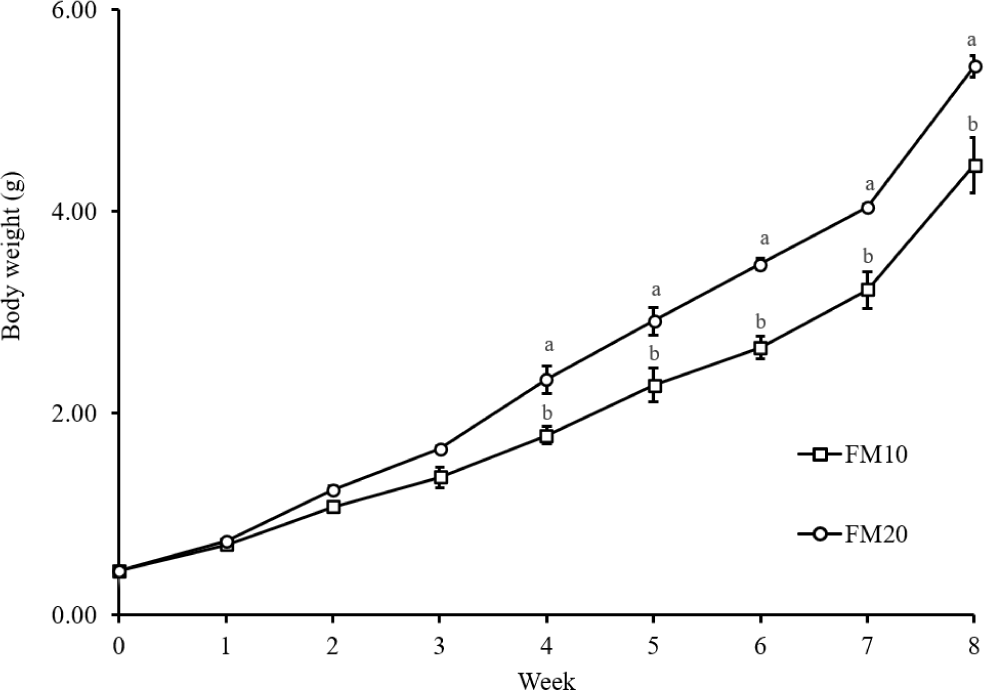
The growth performance and feed utilization of Pacific white shrimp fed different experimental diets over eight weeks are summarized in Table 4. There were no statistically significant differences among dietary treatments in terms of total production (TP), YL, ADG, PER, FCR, SR, or CF (p > 0.05). However, shrimp that received the FM20 diet achieved significantly greater FBW, WG, SGR, and FE compared to those fed the FM10 diet (p < 0.05). As shown in Fig. 1, the weekly growth trend of shrimp revealed that those in the FM20 group gained approximately 0.62 g per week, while those in the FM10 group averaged around 0.50 g per week. During the initial four weeks, when shrimp had reached approximately 2 g in body weight, no significant differences in WGR were detected between the groups (p > 0.05). However, from week 5 onward, shrimp fed the FM20 diet consistently showed a higher WGR than their FM10 counterparts, and this pattern remained significant through the end of the trial (p < 0.05).
The proximate composition, amino acid profile, and fatty acid composition of whole-body shrimp are presented in Tables 5, 6, and 7, respectively. Shrimp fed the FM20 diet demonstrated significantly greater protein and lipid contents, along with lower moisture content, than those fed the FM10 diet (p < 0.05). No significant difference in ash content was observed between the two groups (p > 0.05). Essential amino acids, non-essential amino acids, and total amino acid levels did not vary significantly among dietary treatments (p > 0.05). However, proline levels were significantly lower in shrimp from the FM10 group, whereas glycine levels were significantly higher in this group compared to those fed the FM20 diet (p < 0.05). In terms of fatty acid composition, shrimp fed the FM10 diet exhibited significantly elevated levels of saturated fatty acids (SFA) and monounsaturated fatty acids (MUFA), and significantly reduced levels of polyunsaturated fatty acids (PUFA), in comparison to the FM20 group (p < 0.05). Additionally, the FM20 group showed significantly higher concentrations of eicosapentaenoic acid (EPA) and docosahexaenoic acid (DHA), while the arachidonic acid (ARA) level was significantly lower than in the FM10 group (p < 0.05).
The plasma metabolites and ion concentrations of Pacific white shrimp fed different experimental diets for eight weeks are presented in Table 8. There were no statistically significant differences in the plasma concentrations of glutamic oxaloacetic transaminase (GOT), glutamic pyruvic transaminase (GPT), total cholesterol (TCHO), triglycerides (TG), or major plasma ions (Na+, K+, Cl–) across the dietary groups (p > 0.05). In contrast, shrimp receiving the FM20 diet exhibited significantly elevated levels of total protein (TP) and glucose (GLU) compared to those fed the FM10 diet (p < 0.05).
Discussion and Conclusion
This is the first study that reported the application of a low-fishmeal diet for Pacific white shrimp (P. vannamei) reared in a biofloc technology (BFT) system utilizing low-salinity groundwater in the Kuwait desert. The investigation encompassed comprehensive assessments of water quality, growth performance, feed utilization, whole-body composition, and physiological health markers, including plasma metabolites and ionic concentrations. Throughout the experimental period, juvenile shrimp readily accepted both the 20% and 10% fishmeal diets.
The results showed that water quality parameters, including temperature, salinity, alkalinity, pH, DO, TAN, NO₂-N, NO₃-N, and SS did not differ significantly among the experimental groups. These results align with earlier research showing that partial or complete replacement of fishmeal up to 50% does not negatively impact water quality indicators such as pH, temperature, DO, TAN, nitrite, and alkalinity in shrimp cultured under biofloc systems (McLean et al., 2020). Similarly, Zhang et al. (2023) reported no significant changes in ammonia nitrogen emissions when fishmeal was replaced with up to 30% extruded full-fat soybean in the diets of juvenile turbot (Scophthalmus maximus) over a 60-day period. Moreover, the temperature, pH, and DO values observed in this study remained within the optimal range for Pacific white shrimp reared in low-salinity conditions with reduced fishmeal levels (5%–20% FM), as reported by Roy et al. (2020), and for shrimp cultured in biofloc systems (Hussain et al., 2022). Taken together, these results indicate that the water management practices applied in this study were appropriate for shrimp culture and that the use of a low-fishmeal diet does not adversely affect water quality in biofloc systems utilizing low-salinity groundwater for juvenile P. vannamei.
In terms of growth performance and feed utilization, no significant differences were observed among the dietary groups for TP, YL, ADG, FCR, PER, SR, or CF. This suggests that using a diet FM10 did not negatively affect culture productivity compared with the diet FM20. Notably, reducing fishmeal levels in the diet can lower operational costs, thereby increasing profitability in shrimp farming. However, shrimp receiving the FM20 diet demonstrated significantly greater FBW, SGR, WG, and FE than those fed the FM10 diet. Notably, significant differences in WGR emerged after four weeks of feeding (approximately 2 g body weight), and this trend persisted throughout the remainder of the trial. These results may be attributed to the partial replacement of fishmeal with plant-based protein sources in the FM10 diet. Despite this, shrimp fed the FM10 diet achieved an SGR of 3.93 ± 0.07% day–1, WG of 919 ± 38%, and FE of 75.5 ± 3.6%, which are comparable to values reported in previous studies. For example, P. vannamei reared in BFT systems under low-salinity conditions have been reported to exhibit SGRs ranging from 1.36 to 1.62% day–1, WGs between 680.43 and 713.77%, and FEs from 25.99 to 33.35% (Khanjani et al., 2020; Long et al., 2023; Pinho & Emerenciano, 2021). Furthermore, our previous study demonstrated that the WGR of P. vannamei cultured in a biofloc system using low-salinity groundwater from the Kuwait Desert and fed the same diet did not significantly differ among treatments until week 4, after which marked differences appeared (Al-Subiai et al., 2024). This finding suggests that WGR differences may not be solely due to fishmeal inclusion levels. Numerous studies have demonstrated that BFT supports favorable growth performance in shrimp under low-salinity conditions. For instance, Pinho & Emerenciano. (2021) found no significant differences in average body weight (ABW), final biomass, productivity, PER, FCR, or SR between shrimp reared at salinities of 5 ppt and 30 ppt. Similarly, Long et al. (2023) reported that P. vannamei reared in BFT systems at 5.0‰, 10.0‰, and 15.0‰ salinities exhibited comparable final weights, SGRs, WGs, and SRs. Comparable results have also been observed in other aquaculture species; for example, tilapia (Oreochromis niloticus) reared in BFT systems showed no significant differences in feed intake, daily weight gain, FCR, or SR even when fishmeal was completely replaced in the diet (Nhi et al., 2018). These findings suggest that the benefits of BFT extend beyond basic nutritional support, potentially enhancing resilience to dietary modifications. Biofloc particles may contribute additional protein and help compensate for amino acid imbalances caused by fishmeal replacement. Supporting this, Zainorahim et al. (2024) reported no significant differences in WG, FCR, SGR, PER, or SR in jade perch (Scortum barcoo) fed diets with up to 100% fishmeal replacement under BFT conditions. Taken together with the present results, these findings indicate that a low-fishmeal diet containing 10% fishmeal (equivalent to 50% replacement) can be used for culturing Pacific white shrimp in BFT systems using low-salinity groundwater.
In the present study, whole-body composition parameters such as moisture, protein, and lipid content varied according to the dietary fishmeal level, while ash content remained unaffected. Shrimp fed the FM20 diet exhibited significantly higher protein and lipid levels, along with lower moisture content, compared to those receiving the FM10 diet. This may be attributed to a combination of lower dietary energy density and increased energy expenditure. The FM10 diet may have provided inadequate amounts of high-quality protein and energy, leading to a greater reliance on internal reserves to meet metabolic demands, thereby limiting nutrient deposition in body tissues. Similar findings were reported by Yun et al. (2017), who observed that juvenile P. vannamei fed diets containing 26% and 13% fishmeal had significantly higher lipid levels and lower moisture content than those fed a fishmeal-free diet. In contrast, Shao et al. (2017) found no significant differences in moisture, protein, lipid, or ash content in shrimp fed diets where fishmeal was partially replaced (15%) with biofloc meal. These observations, along with our results, suggest that under biofloc culture conditions in desert aquaculture systems, a 10% fishmeal diet may be insufficient to fully support the maintenance and growth energy requirements of juvenile P. vannamei. Furthermore, whole-body composition may be influenced not only by dietary fishmeal levels but also by environmental factors such as salinity. For example, Khanjani et al. (2020) reported significant variations in crude protein, lipid, and ash content in P. vannamei cultured at different salinity levels (8 ppt vs. 32 ppt). Nonetheless, further research is needed to clarify the underlying mechanisms. In our study, whole-body amino acid profiles were not significantly affected by fishmeal inclusion levels, aligning with the findings of Jatobá et al. (2017), who reported that replacing up to 66% of fishmeal in the diet did not alter the chemical composition or amino acid profile of P. vannamei reared in a biofloc system. However, differences were observed in proline and glycine content between shrimp fed FM20 and FM10 diets, possibly reflecting their distinct metabolic roles. The higher proline levels in the FM20 group likely resulted from increased dietary availability and retention for structural purposes, while the lower glycine levels may indicate its greater utilization in energy metabolism to support heightened metabolic activity (Li et al., 2009). These findings suggest that under improved nutritional conditions, shrimp may conserve proline for tissue construction and utilize glycine for energy production and biosynthesis. The elevated levels of SFA and MUFA, along with the reduced PUFA in shrimp fed the FM10 diet, likely stem from the lower inclusion of fishmeal. Since fishmeal is a rich source of PUFAs, higher inclusion levels typically lead to greater dietary supply and tissue accumulation of these fatty acids (Glencross, 2009). Conversely, the substitution of fishmeal with plant-based ingredients, typically higher in SFA and MUFA, likely contributed to the higher proportions of these fatty acids in the FM10 group. This pattern is consistent with findings by Cai et al. (2023), who reported reduced PUFA content in the muscle of P. vannamei fed plant-based diets lacking animal protein sources. Although shrimp fed the FM10 diet exhibited lower PUFA levels compared to those fed FM20, both groups displayed comparable growth performance and survival rates. This suggests that the dietary fatty acid profile, despite reduced PUFA levels, remained adequate to support shrimp health under the study conditions. Additionally, biofloc may have enhanced the diet’s nutritional value, as autotrophic bacteria present in biofloc are known to produce lipids and long-chain polyunsaturated fatty acids (lcPUFAs) (Toledo et al., 2016). Supporting this, Chen et al. (2019) reported that an appropriate balance of unsaturated and saturated fatty acids can enhance shrimp osmoregulatory capacity, thereby improving growth and survival in low-salinity environments.
Hemolymph metabolites in crustaceans are key indicators of physiological, nutritional, and immunological status. These biochemical markers are influenced by various factors, particularly the animal’s nutritional condition and environmental conditions (de Jesus Becerra-Dorame et al., 2012). In the present study, no significant differences were observed in plasma biochemical parameters, including GOT, GPT, TCHO, and TG, among the dietary treatments. These findings are consistent with previous studies reporting that TCHO and TG levels in Pacific white shrimp serum were not significantly affected when comparing diets containing 14% and 20% fishmeal (Wang et al., 2023). Similarly, Li et al. (2022) found comparable TG concentrations in shrimp fed diets with 15% and 25% fishmeal. Supporting this, Shi et al. (2023) reported no significant differences in GOT and TG levels in the hemolymph of shrimp offered diets containing 12.5% and 25% fishmeal. These results suggest that a reduced fishmeal diet does not adversely affect lipid metabolism or hepatopancreatic function. GOT and GPT are critical enzymes involved in amino acid metabolism and are widely used as biomarkers for assessing liver function in aquatic animals. Elevated GOT activity, in particular, may indicate potential liver damage (Wang et al., 2023). Moreover, their activity is positively associated with the availability of specific amino acid substrates within the digestive system of shrimp (Chuphal et al., 2021). Triglycerides and total cholesterol are major components of circulating lipids and are commonly used to evaluate lipid metabolic status (Su et al., 2022). In contrast to other plasma metabolites, shrimp fed the FM20 diet exhibited significantly higher levels of TP and GLU than those fed the FM10 diet. Ji et al. (2021) similarly reported that shrimp fed a diet with 20% fishmeal had significantly elevated TP levels compared to those receiving a 7% fishmeal diet. Plasma TP is a reliable marker of nutritional and immune status, as it reflects protein metabolism and overall physiological condition (Zheng et al., 2017). Glucose also serves as a key physiological indicator, reflecting the animal’s response to nutritional and environmental stress (Ciji & Akhtar, 2021). Previous research has shown that plasma glucose levels tend to decrease when dietary fishmeal inclusion drops below 20%. For instance, Xie et al. (2020) reported that shrimp fed diets containing 5%–15% fishmeal exhibited significantly lower glucose concentrations than those fed diets with 20%–25% fishmeal. It has been suggested that in low-salinity environments, shrimp on low-fishmeal diets may require higher energy expenditure, leading to reduced glucose levels. In the present study, although GLU levels were lower in the FM10 group, no adverse effects on survival were observed. This may be attributed to compensatory glycogen breakdown in muscle and hepatopancreas tissues, which serves to maintain circulating glucose levels during energy demand. Taken together, these results, along with previous findings, indicate that low fishmeal diets can affect protein metabolism and stress-related physiological responses in P. vannamei. The reduced glucose levels observed in the FM10 group likely reflect the decreased fishmeal content in the diet.
The physiological response of shrimp to their surrounding environment is largely governed by the regulation of hemolymph ion concentrations. In the present study, plasma concentrations of Na+, K+, and Cl– did not differ significantly across dietary treatments, suggesting that changes in fishmeal inclusion levels had no impact on the osmoregulatory capacity of P. vannamei. Osmoregulation is a vital physiological process in aquatic organisms, enabling them to maintain ionic balance in bodily fluids and tissues in response to environmental factors such as temperature and salinity (Giffard-Mena et al., 2024). Notably, the osmoregulatory capacity of shrimp increases significantly as the ionic concentration of the environment decreases (Saraswathy et al., 2021). P. vannamei is widely recognized for its ability to tolerate a broad range of salinity levels, demonstrating hyperosmoregulation in low-salinity environments and hypoosmoregulation under high-salinity conditions (Jaffer et al., 2020). This adaptability is facilitated by rapid adjustments in hemolymph ion concentrations, allowing shrimp to re-establish osmotic equilibrium with the surrounding environment. Previous studies have demonstrated that P. vannamei can typically restore osmoregulatory parameters and reach a new steady state within 1–3 days following exposure to low-salinity conditions (Huong et al., 2010).
In conclusion, the use of a low-fishmeal diet did not adversely affect water quality or osmoregulatory capacity in juvenile Pacific white shrimp. However, it did influence growth performance, feed utilization, nutritional composition, and certain plasma metabolites. Based on these findings, a diet containing 10% fishmeal can be used to successfully rear juvenile P. vannamei in a biofloc system under desert aquaculture conditions with low-salinity groundwater in Kuwait. Nevertheless, further research is needed to determine the optimal fishmeal inclusion level for shrimp cultured in BFT systems in the Kuwaiti desert, particularly by evaluating intermediate levels between 10% and 20%. Additionally, future studies should incorporate plasma amino acid profiling and assess the potential of alternative animal protein sources as viable replacements for fishmeal.