Introduction
Hook and line fisheries are characterized by continuous innovation in lure design, materials, and coloration, driven by fishers’ adaptive responses to target species behavior (He et al., 2021), environmental conditions, and evolving fishing practices (Obar et al., 2021). In many small-scale and artisanal fisheries, hook-and-line fishers increasingly modify lures with a wide array of materials and color combinations, influenced by interactions with migratory fishers (Espectato et al., 2024), exposure to new techniques at landing sites, fishing gear technologists (Moraga et al., 2015), and the rapid diffusion of ideas through online platforms and informal networks. These processes have accelerated the diversification of lure configurations over time.
Despite this apparent technological dynamism, decisions regarding lure materials, bait types, and colors are rarely informed by systematic evaluation of fishing efficiency. Fishers in Antique Province themselves consistently recognize depth as a critical factor shaping lure performance, as changes in light penetration, water clarity, and fish behavior alter lure visibility and effectiveness. When asked to explain their choices, however, responses typically emphasize personal experience, situational tactics, and knowledge passed down through generations rather than quantitative evidence. While such experiential and traditional ecological knowledge remains central to small-scale fisheries, it is inherently difficult to validate, compare, and scale across vessels, seasons, fishing depths, and fishing grounds without structured empirical assessment.
This knowledge gap is clearly illustrated by hook and line fisheries in Antique Province, Philippines. Here, fisher’s tackle boxes are typically filled with lures of varying colors, materials, and designs, accumulated through years of experimentation and peer exchange. Despite this diversity, fishers often express uncertainty about which lure attributes are most effective under specific fishing conditions, target species, and seasons. Questions surrounding lure efficiency, bait and lure selection, and appropriate gear usage persist, even as fishers continue to invest limited financial resources in acquiring or modifying gear.
Consequently, a growing disconnect has emerged between increasing financial investments in lure diversification and the limited understanding of how specific lure and bait characteristics influence catch rates, species composition, and size structure. In small-scale fisheries with narrow profit margins (García-Lorenzo et al., 2024), such uncertainty may amplify economic risks and inefficiency (Febrica et al., 2025). In fisheries science, the absence of quantitative evidence on lure performance represents a critical gap (Løkkeborg et al., 2014), with implications for both fishers’ livelihood and ecosystem-based fisheries management (FAO, 1995). Addressing this gap requires integrating fisher knowledge with systematic field observations and standardized catch data to evaluate lure efficiency and selectivity, thereby transforming experiential practices into evidence-based guidance for sustainable hook and line fisheries.
Despite the wealth of experiential knowledge and adaptive ingenuity observed among fishers in Antique Province, the effectiveness of lure types, colors, and deployment strategies remains largely unqualified. Recent evidence indicates that hook and line gear selection is strongly guided by target species availability (Newman et al., 2018), fishing grounds (Cashion et al., 2018), and temporal patterns (Gonzalez et al., 2021). More importantly, technological advances, including digital information sharing and instructional media, are increasingly shaping fishers’ decision-making, enabling the rapid dissemination and refinement of adaptive strategies. These dynamics highlight both the sophistication of local ecological knowledge (LEK) and the need for systematic evaluation of lure performance to optimize catch efficiency, reduce economic risk, and support sustainable small-scale fisheries.
This study is part of a broader effort to underscore the significance of fish aggregating device (FAD)-associated hook and line fisheries in supporting coastal livelihoods, strengthening food security, and advancing the sustainability of capture fisheries. Accordingly, this study documents fisher ecological knowledge alongside empirical observations of lure color appearance across depth gradients, providing systematic evidence on how lure visibility changes with depth in Antique Province. The analysis aims to clarify the environmental and optical conditions under which different lure characteristics are perceived, providing an empirical basis for context-specific decision-making and precautionary discussions on adaptive hook and line fishing practices. Specifically, we investigate (i) patterns of hook and line gear and lure use, (ii) ecological and experiential drivers of gear and lure selection, and (iii) the implications of underwater light attenuation on lure color performance and fishing efficiency.
Materials and Methods
Fieldwork was conducted from June 2024 to May 2025 in three coastal municipalities of Antique Province, Philippines: Anini-y, Hamtic, and Tibiao (Fig. 1). Sites were purposively selected to represent variation in municipal fisheries participation, settlement patterns, and proximity to key fishing grounds in the Northern Sulu Sea.
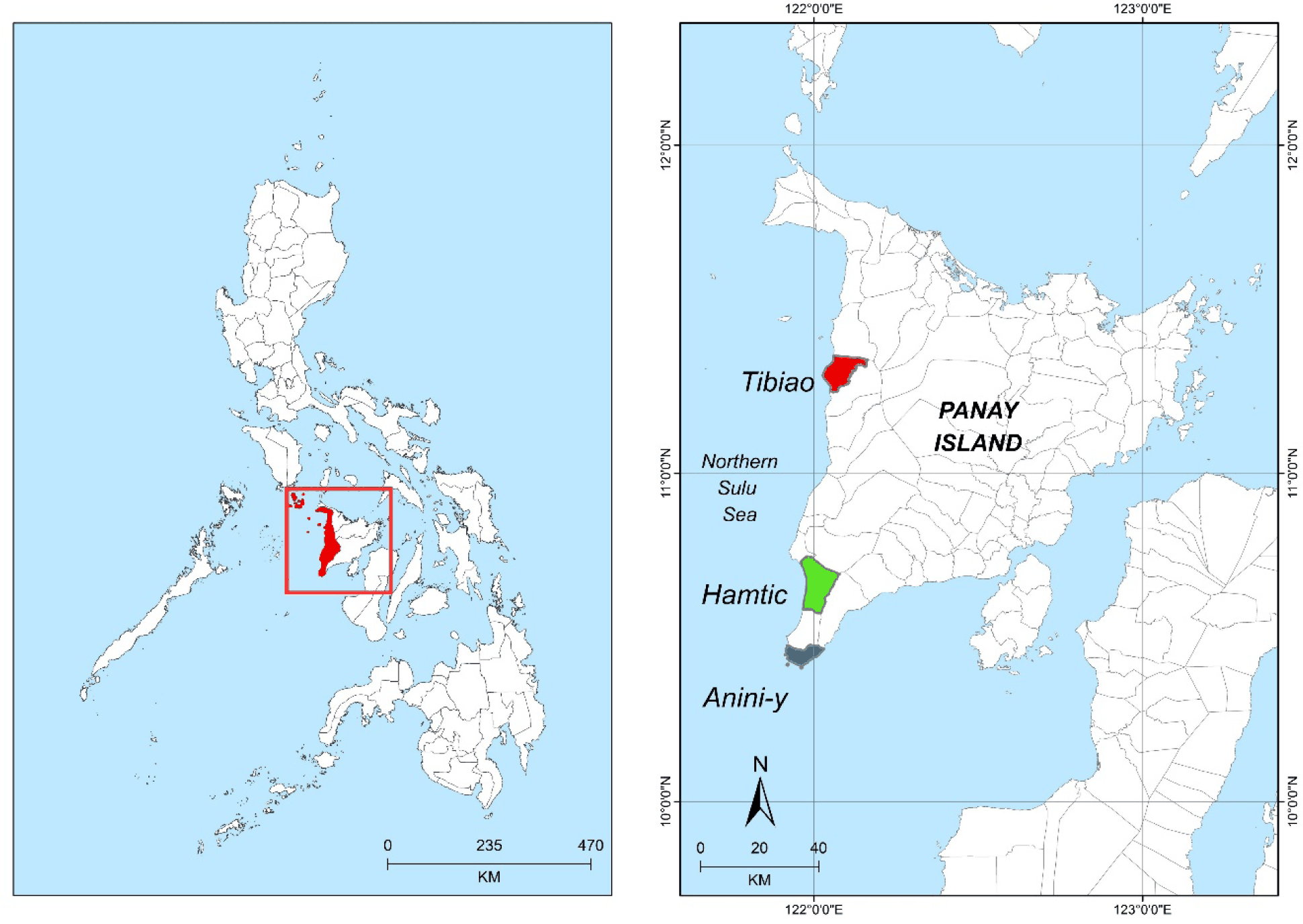
Anini-y (23 barangays; smallest political unit) has an estimated population of 22,100, including 2,439 registered municipal fisherfolk (AMAO, 2024; AMSWDO, 2024). Hamtic, a centrally located and more populous municipality, comprises 47 barangays with approximately 53,000 residents and 2,032 registered fisherfolk (HMAO, 2024; HMSWDO, 2024). Tibiao consists of 21 barangays, with an estimated population of 29,073 and 1,453 registered fishers (TMAO, 2024; TMSWDO, 2024).
Antique Province is predominantly coastal, with capture fisheries supporting approximately 52,000 fisherfolk. The study sites lie adjacent to the northern Sulu Sea, a productive fishing ground supporting small-scale and commercial pelagic fisheries, providing an appropriate setting for examining troll line fisheries.
A mixed-methods approach combining household surveys and focus group discussions (FGDs) was used to assess the operational characteristics of troll line fisheries in Antique Province, Philippines.
Household-level surveys were conducted in all coastal barangays of Tibiao, Antique, which was purposively selected for its high concentration of municipal fishers engaged in troll line fishing. Of the 1,145 municipal fishers in the official registry, 300 were surveyed (20.6% coverage). Data were collected using a semi-structured questionnaire documenting bait types, lure materials, and target species across troll line gear and four other commonly used hook and line gears: (i) simple handline for FAD-associated fishing, (ii) simple handline for reef-based fishing, (iii) multi-hook handline, and (iv) bada-bada, a locally named handline variant characterized by a stainless-steel rod that serves a dual function as a sinker and a separator of two leaders, and is operated vertically. The survey also captures fishers’ perceptions following a short video presentation, focusing on (i) considerations in selecting the type of hook and line gear to be used for a fishing trip and (ii) perceived changes in lure color visibility with increasing water depth.
FGDs were conducted to complement the survey and provide qualitative insights into fisher behavior and decision-making. The municipalities of Anini-y and Hamtic were purposively selected to broaden spatial coverage and capture provincial-level perspectives on troll line fisheries. A total of 20 experienced hook and line fishers (10 per municipality) participated, selected based on active involvement in the fishery and familiarity with decision-making in fishing operations. FGDs followed a semi-structured guide covering fishing experience, operational strategies, and perceptions of lure use and performance.
The household and FGD questionnaire and guide questions consisted of structured and semi-structured questions covering hook and line gear use, lure types, preferred colors, and factors influencing gear selection. Respondents were allowed to select multiple responses for decision-making factors. Survey items were designed to capture both categorical responses (gear type, lure material, target species) and perception-based responses following the video demonstration on depth-dependent color attenuation.
To evaluate the spectral properties of the trolling line lures, an ultraviolet (UV)-visible (Vis) spectrophotometric analysis was conducted on six color variants: blue, violet, yellow, green, orange, and red. This procedure aimed to determine the dominant absorption and reflection wavelengths for each lure color, thereby supporting behavioral selectivity assessments of target pelagic species. Three replicate lures were prepared for each color, and all samples were scanned individually, and absorbance values were recorded across the UV-Vis spectrum. Absorption peaks were analyzed to infer the dominant reflected wavelengths, based on the principle that materials absorb their complementary colors.
Lure samples were scanned using an Agilent Cary 60 UV-Vis spectrophotometer (Agilent Technologies, Santa Clara, CA, USA); the wavelength range, scan rate, data interval, beam mode, and baseline settings are provided in Table 1.
| Parameters | Specifications |
|---|---|
| Wavelength | 800 to 200 nm |
| Scan rate | 24,000 nm/min |
| Data interval | 5.00 nm |
| Beam mode | Dual beam |
| Baseline correction | Off |
| Software version | 5.1.3.1042 |
The UV-Vis profiles validated the visual classification of lure colors and provided a quantitative basis for analyzing species-specific responses to lure coloration. These spectral insights were integrated into the gear selectivity framework to assess how color affects catch composition and trolling efficiency.
The UV-Vis spectrophotometric analysis provided a quantitative validation of the visual classification of five lure colors: blue, green, yellow, orange, and red, before their deployment in lure color visible spectrum analysis in Tibiao, Antique. Each lure exhibited distinct absorbance profiles consistent with expected spectral behavior, confirming their suitability for color-based selectivity trials.
Table 2 presents the UV-Vis spectrophotometric characteri stics of the five lure colors analyzed in this study, including their dominant absorbance peaks, absorbance ranges, inferred reflected wavelengths, and corresponding spectral interpretations. Blue lures showed strong absorbance, with peaks at 595, 610, and 645 nm, and an absorbance range of 3.0–10.0, indicating strong absorption in the orange-red region and corresponding reflection in the blue wavelength range (450–495 nm). This spectral behavior supports their potential to target species responsive to cooler hues. Yellow lures showed a dominant absorbance peak at 440 nm (2.3–2.4), confirming reflectance in the yellow wavelength range (570–590 nm).
| Lure color | Dominant absorbance peaks (nm) | Absorbance range | Inferred reflected wavelength (nm) |
Interpreted visible color | Spectral interpretation |
|---|---|---|---|---|---|
| Blue | 595, 610, 645 | 3.0–10.0 | 450–495 | Blue | Intense absorption in the orange-red region indicates blue reflectance (Nicola & Nicola, 2002; Reusch, 2013; Schanda, 2007; Theophanis & Queen, 2000). |
| Yellow | 440 | 2.3–2.4 | 570–590 | Yellow | Absorption in the blue-violet region confirms yellow reflectance (Nicola & Nicola, 2002; Reusch, 2013; Schanda, 2007; Theophanis & Queen, 2000). |
| Green | 630, 340–385 | 2.4–4.4 | 495–570 | Green | Absorption in the violet-blue region supports green reflectance (Nicola & Nicola, 2002; Reusch, 2013; Schanda, 2007; Theophanis & Queen, 2000). |
| Orange | 425–455, 535 | 2.3–3.1 | 590–620 | Orange | Absorption in the blue region confirms orange reflectance (Nicola & Nicola, 2002; Reusch, 2013; Schanda, 2007; Theophanis & Queen, 2000). |
| Red | 530, 350–370 | 2.2–4.5 | 620–750 | Red | Absorption in the blue-green region indicates red reflectance (Nicola & Nicola, 2002; Reusch, 2013; Schanda, 2007; Theophanis & Queen, 2000). |
Green lures demonstrated dual absorbance behavior, with peaks at 630 nm and across 340–385 nm, within an absorbance range of 2.4–4.4, validating their reflectance in the green spectrum (495–570 nm). Orange lures exhibit strong absorbance in the blue region (425–455 nm), with absorbance values of 2.3–3.1, confirming orange reflectance (590–620 nm). Finally, red lures showed prominent absorbance peaks at 530 nm and 350–370 nm, with absorbance values of 2.2–4.5, indicating absorption in the blue-green region and corresponding reflection in the red wavelength range (620–750 nm).
Overall, the spectral interpretations confirmed that each lure color exhibited optical characteristics consistent with its intended visual appearance. These findings ensured an accurate representation of lure colors in field experiments.
A scientific lure platform (Fig. 2) was developed to demonstrate how lure color changes with increasing depth. The experimental platform was designed to isolate the optical effects of depth-dependent light attenuation on lure color appearance. The lures were maintained in a stationary position to standardize observation conditions across depth intervals. All lure colors were randomly mounted on the platform to avoid bias in the observations.
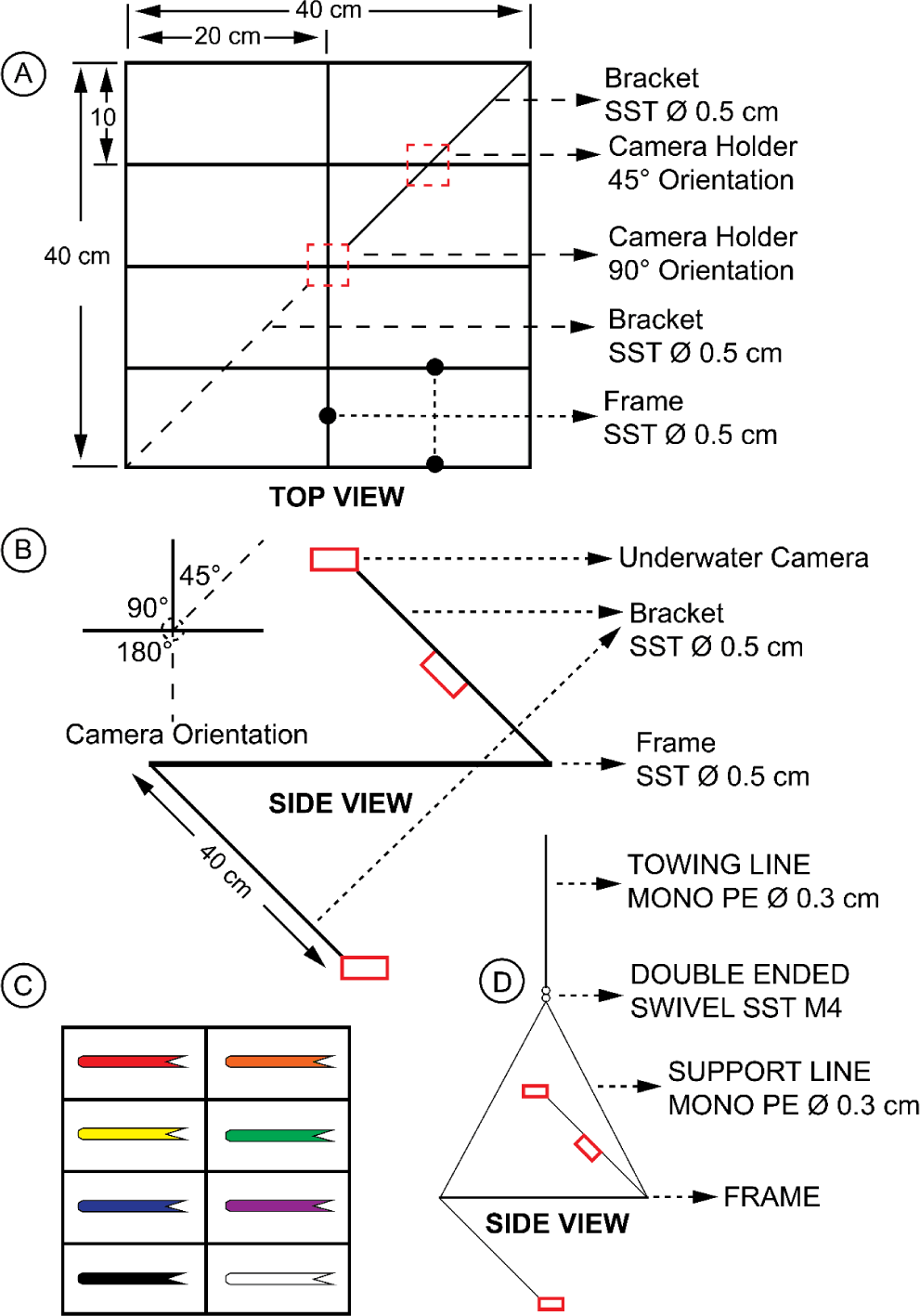
The platform was manually deployed at depths of 0.3, 1, 5, 10, 20, 30, 40, 50, and 100 m. An underwater camera (GoPro HERO 11, GoPro, San Mateo, CA, USA) recorded color images at each depth. The camera-based observations represent a proxy for human visual perception and provide a practical demonstration of relative color attenuation with depth.
The experiment was conducted at approximately 08:00 AM, corresponding to the peak fishing time reported by local hook and line fishers. Observations were standardized at an approximately viewing distance of 0.3 m between the camera and the lure platform to maintain consistent visual conditions across all depth intervals. The deployment took place under relatively clear water conditions typical of the study site during calm weather. While water optical properties (e.g., turbidity and light penetration) can influence color visibility, these conditions were not experimentally manipulated in this demonstration. No post-processing or color correction was applied. The resulting imagery, therefore, represents a qualitative visualization of relative color attenuation with depth rather than a calibrated optical measurement.
Only a single deployment trial was conducted, and therefore, the results should be interpreted as a demonstrative visualization experiment rather than a replicated quantitative test of underwater color attenuation. Future studies incorporating multiple replicates, controlled measurements of water clarity, and varying observation distances would further strengthen the experimental assessment of lure color visibility across depth gradients.
It is also important to note that camera-based observations approximate human visual perception and do not directly represent how fish perceive visual stimuli. Fish visual systems differ from human vision in terms of spectral sensitivity, contrast detection, and retinal processing. Nevertheless, this approach provides a practical visualization of depth-related color attenuation and supports the development of science-based guidance for fishers in selecting lure colors appropriate to different depths.
Results
Household interviews and FGDs revealed a high degree of consistency in the use of hook and line gears, particularly troll lines, multi-hook handlines, and simple handlines, alongside clearly articulated preferences for lure or bait types and color combinations (Tables 3 and 4). Responses from the household surveys (N = 300) and FGDs (N = 20) were pooled and analyzed descriptively because both instruments used closely aligned questionnaires and guide questions addressing hook and line gear use, lure types, color preferences, and factors influencing fishing decisions. This integration enabled a unified descriptive assessment of fisher practices and perceptions across respondents (Total N = 320).
Across both datasets, all respondents (100%; N = 320) reported using troll lines, underscoring their essential role in local pelagic fisheries. Troll line fishers employed a diverse suite of lures and baits, although several lure types were universally or near-universally adopted. Bansi-bansi, bugiw, squid, and fresh fish bait were reportedly used by all respondents, indicating their perceived reliability across a wide range of fishing conditions. Other lure types exhibited moderate uptake, including uwak-uwak (63.8%), wirik (60.3%), and rapala (53.4%), reflecting selective deployment depending on fishing context, target species, and fisher experience.
Strong preference for lure colors was observed for troll line fisheries. Blue was universally preferred for bansi-bansi lures (100%), while green was also widely reported for bugiw (91.6%) and remained common for bansi-bansi (83.8%). Uwak-uwak lures were consistently associated with high-contrast color combinations, particularly black-blue (100%) and black-red (91.7%), wherein the black component was chicken feathers. In contrast, the blue and red components were constructed from crystalline fabric. Wirik lures were uniformly described as silver (stainless steel). In contrast, rapala lures exhibited more diversified color schemes, dominated by orange-red-silver (100%), with yellow-green-silver combinations reported by just over half of users (53.8%).
Across most lure types, composition was closely aligned with lure selection in troll line fisheries. Across most lure types, fishers primarily target skipjack and yellowfin tuna, with other target species including mackerel tuna, Spanish mackerel, and common dolphinfish, particularly when using bansi-bansi and bugiw lures. Uwak-uwak and wirik lures were also associated with the capture of billfishes, indicating their use in catching larger pelagic species. In contrast, rapala lures were more narrowly associated with billfishes. Multi-hook handlines were likewise reported by all respondents (100%) and were characterized by complete standardization in lure material. All users employed a crystalline fabric, with preferred colors consistently described as red, orange, white, and silver. The associated catch composition differed markedly from that of troll lines, consisting primarily of round, redtail, and bigeye scad, small tuna, and other small tuna-like species.
Beyond these dominant gears, respondents also reported using simple handlines in both pelagic and demersal contexts. FAD-based simple handlines were generally reported (100%) and relied exclusively on squid, squid ink, and fresh fish bait, targeting skipjack, yellowfin tuna, and common dolphinfish. In contrast, reef-based or demersal simple handlines were used by 58.1% of respondents, employing squid and fresh fish bait to target reef-associated species such as grouper, emperor, snapper, and trevally. A further subset of respondents (48.1%) reported using bada-bada gear baited with squid and fresh fish, primarily for capturing hairtail. This gear had narrower use and a more specialized target-species profile than other hook-and-line gears.
Fishers’ selection of hook and line gear for individual fishing trips was strongly structured by ecological and experiential considerations (Fig. 3). Target species availability emerged as a universal determinant, cited by all respondents (100%; N = 320), indicating that immediate perceptions of fish presence overwhelmingly govern gear choice decisions. Closely following this, 86.3% of respondents (n = 276) reported fishing ground characteristics, highlighting the importance of spatial context in shaping gear configuration, such as proximity to fishing grounds, depth, and association with anchored FADs.
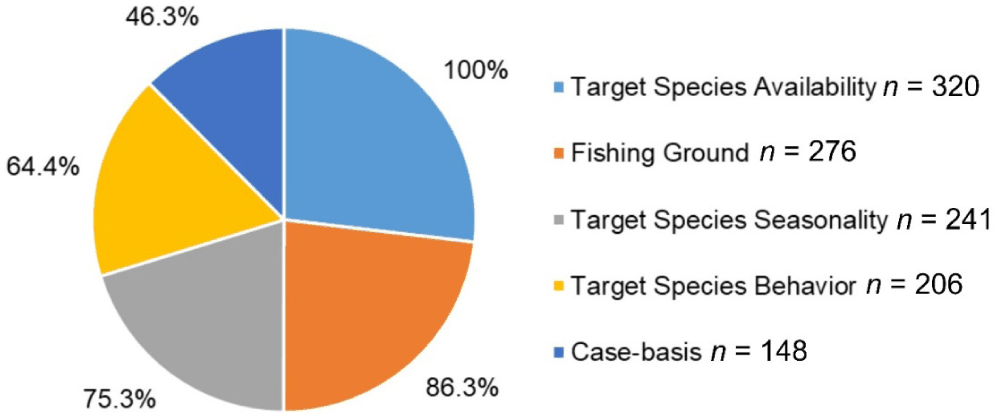
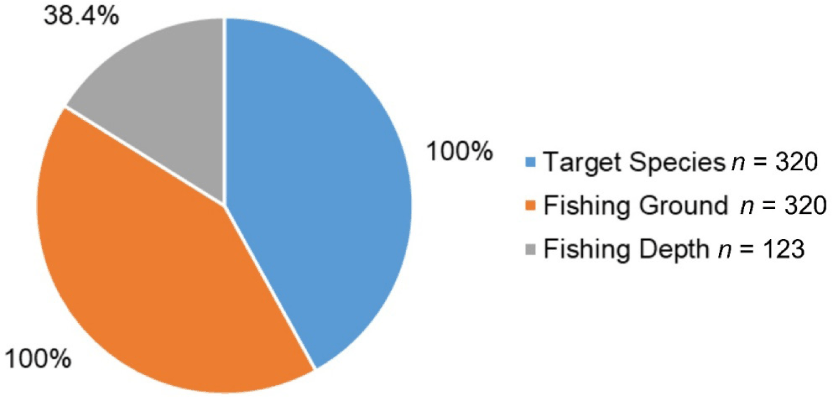
Seasonal dynamics of target species were also a prominent consideration for 75.3% of fishers (n = 241). Target species behavior, including schooling tendencies, feeding responses, and depth preferences, was cited by 64.4% of respondents (n = 206). On the other hand, case-based considerations, defined as decisions informed primarily by recent catch outcomes, accidental sightings of fish while cruising towards a fishing location in the open sea, peer experiences, or trial-and-error, were reported by only 46.3% of the respondents (n = 148). Moreover, the relative importance of the factors considered in selecting a fishing lure’s colors is summarized in Fig. 4. Target species and fishing ground were consistently considered across all respondents (100% each; n = 320). In contrast, fishing depth was considered by a smaller proportion of respondents (38.4%; n = 123).
Hook and line fishers in Antique Province rely heavily on a combination of LEK, accumulated fishing experience, individual ingenuity, and market availability when selecting lure colors. Despite the increasing availability of modern fishing technologies, these decisions remain largely empirical and unstandardized. This lack of scientific grounding can reduce fishing efficiency and lead to unnecessary expenditures on suboptimal lures, particularly for small-scale fishers operating under narrow profit margins. To address this gap, the present study systematically evaluated the visibility of commonly used colors across depths from near-surface water (0.3 m) to 100 m, using both top-, side-, and bottom-view perspectives. The observed color transformation should be interpreted as descriptive visual patterns rather than quantitative spectral measurements.
At shallow depths (0.3 to 1 m), sunlight penetration remains nearly complete, allowing the whole visible spectrum to illuminate the lures. From both top and side-view perspectives (Figs. 5 and 6), all tested colors, red, orange, yellow, green, blue, and violet, retain their color intensity. Black provides a strong visual contrast, while the control (clear, transparent medical-grade hose) appears neutral. At 5 m, red begins to darken as long wavelengths attenuate rapidly, whereas yellow, orange, green, blue, and violet remain distinct. At 10 m, orange loses intensity, yellow shifts toward greenish tones, and both blue and violet remain highly visible. Red and green progressively darken with increasing depth.
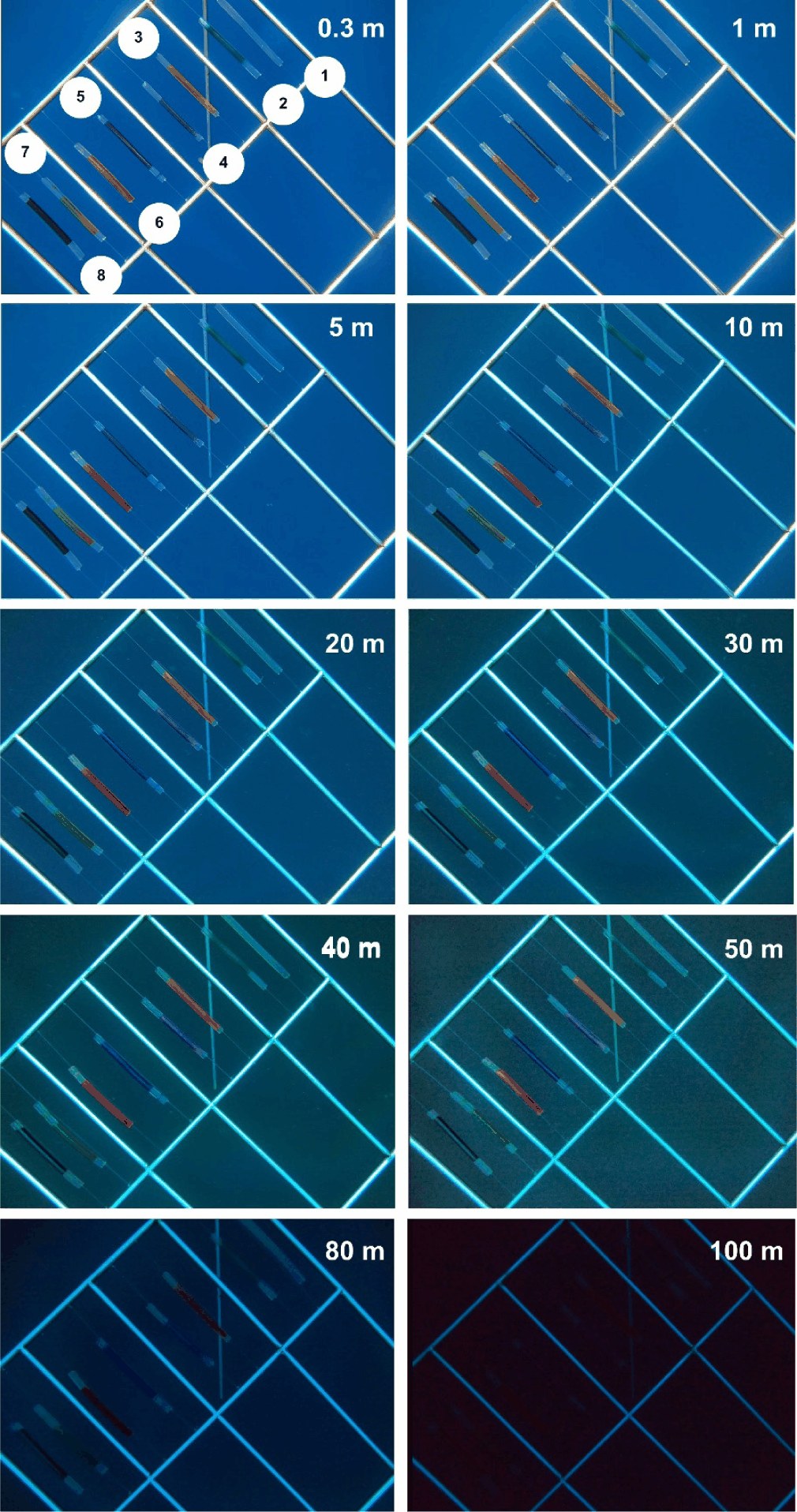
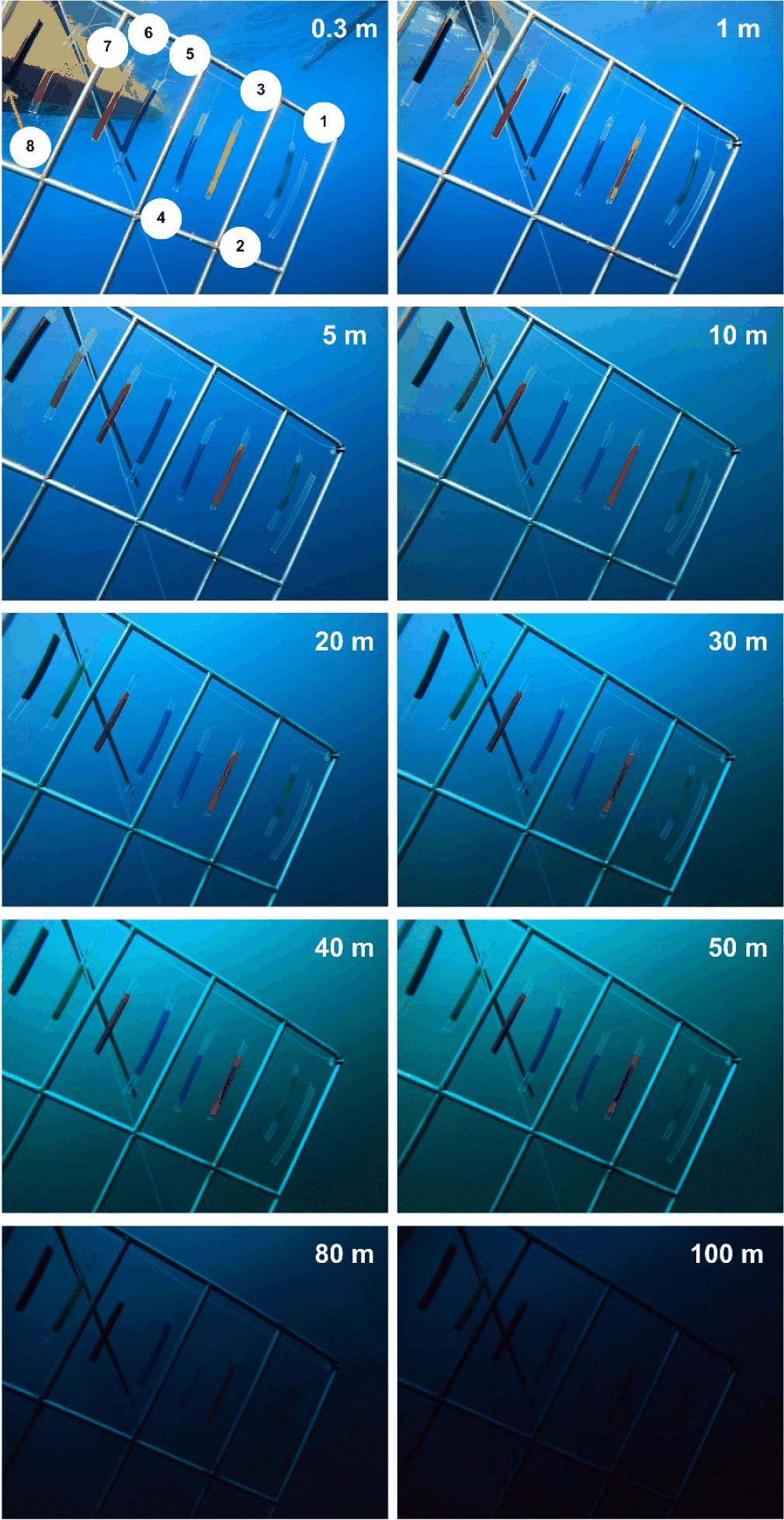
Between 20 and 50 m, attenuation becomes more pronounced. Red transitions to dark brown or black; orange remains moderately visible; yellow appears greener but is less vivid; and blue maintains the highest visibility. Violet increasingly merges with blue, while green darkens substantially. At 80 m, most colors appear muted, with orange fading to a subdued red. At 100 m, chromatic visibility ceases entirely; however, the stainless-steel lure frame remains visible, reflecting residual ambient light.
From the bottom-view perspective (Fig. 7), similar depth-dependent color transformations are evident due to differential light absorption. Near the surface (0.3 m), all colors remain vibrant: red, yellow, and orange retain their natural hues, while black provides strong contrast. At 5 m, red fades markedly, and warm colors such as orange and yellow lose their brightness, though they remain perceptible. In contrast, shorter-wavelength colors (green, blue, and violet) retain their color intensity because they penetrate more deeply.
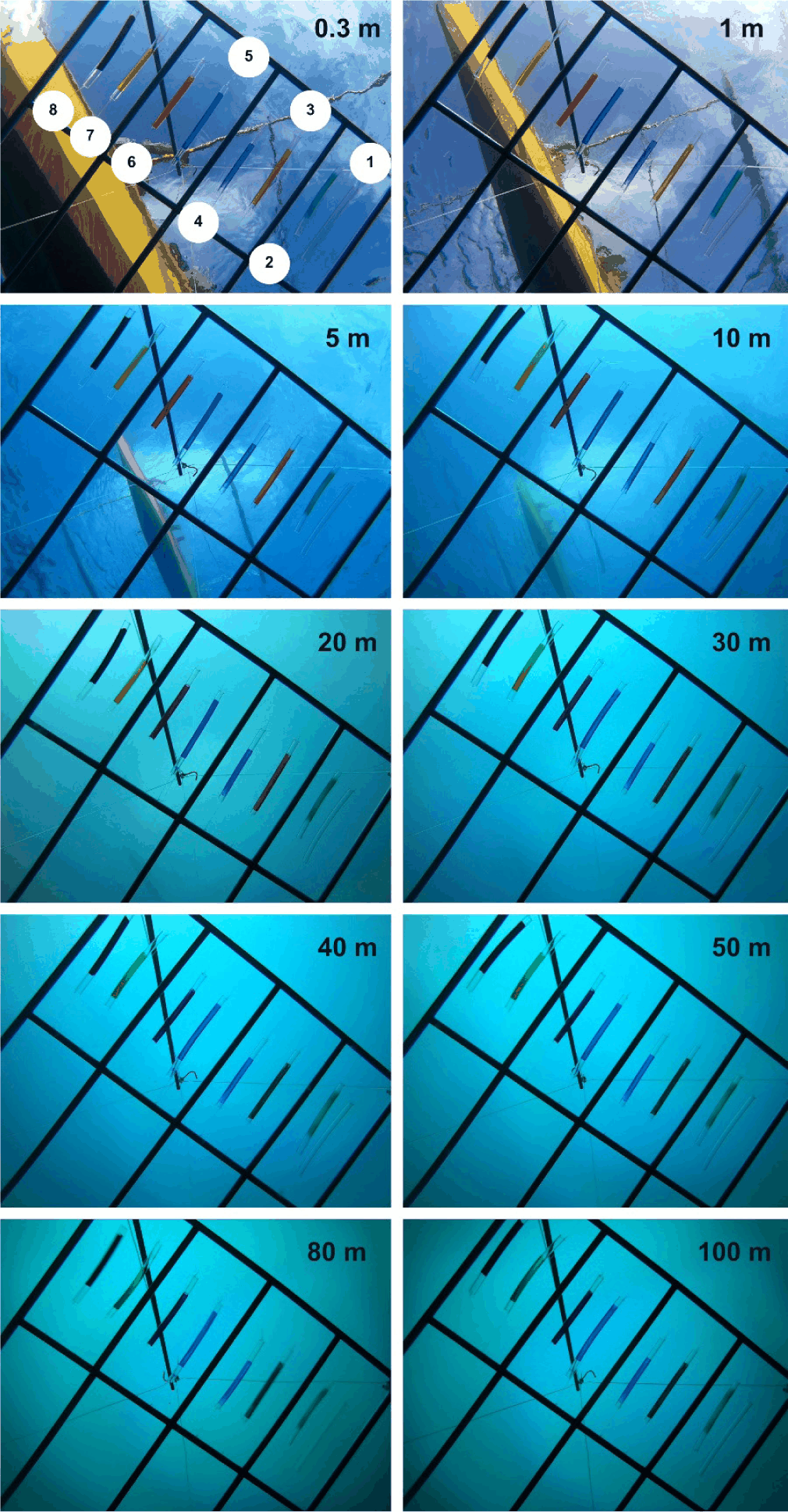
At 10 m, red appears brownish or muted, orange dims further, and yellow transitions toward green. Blue emerges as the most visually dominant hue, while green and violet remain visible but subdued. At 20 m, red is nearly absorbed, orange and yellow diminish further, and blue becomes the primary visible color. Between 30 and 40 m, warm colors are nearly indistinguishable from black, and only blue retains its high luminosity, with violet faintly visible under clear-water conditions. Beyond 50 m, the underwater visual field becomes increasingly monochromatic, dominated by shades of blue and green until visibility declines completely at 100 m.
The observed depth-dependent color-attenuation patterns provided a clear basis for optimizing lure selection. Shorter-wavelength colors, particularly blue and violet, remained highly visible at greater depths, while long-wavelength colors, such as red and orange, faded rapidly.
Following the video presentations on depth-specific color visibility and its implications for hook-and-line fishing, respondents showed strong agreement in their reported understanding of how light attenuation and depth influence lure effectiveness (Fig. 8). All respondents (100%) acknowledged that lure color changes at certain depths, indicating fishers’ recognition and understanding of depth-related color attenuation. A similar high proportion (96.6%) reported that stainless steel (frame) remains visible at depths approaching 100 m, underscoring strong consensus on the visual persistence of reflective materials under low-light conditions.
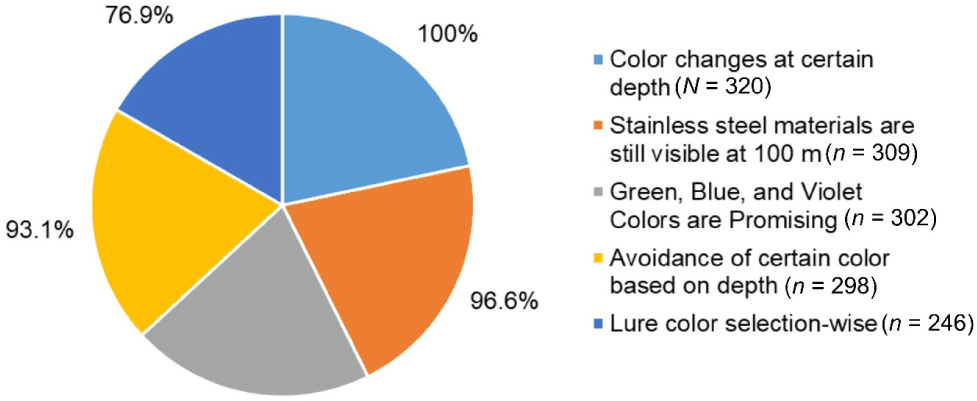
Most respondents (94.4%) identified green, blue, and violet as the most promising colors at increasing depth, reflecting shared perceptions of color performance under diminished light penetration. In addition, 91.1% reported avoiding certain colors depending on fishing depth, suggesting that color choice is not static but rather adjusted based on operational conditions. In contrast, a smaller yet substantial proportion of respondents (76.9%) explicitly stated that they select lure colors deliberately rather than relying solely on habit or availability. This difference suggests variation in how consciously fishers integrate depth-specific visual principles into routine gear selection.
Discussion
The results indicate that the availability of target species is the main factor influencing hook and line gear choices in small-scale pelagic fisheries, confirming earlier findings in a similar context (Smallhorn-West et al., 2022). Fishers’ dependence on real-time ecological cues, rather than strict gear preferences, shows a highly adaptable decision-making process (McClanahan et al., 2025), especially in dynamic FAD- or reef-related systems where fish aggregation varies greatly. The ecological responsiveness of Antique fishers seems to optimize catch rates while minimizing unnecessary effort, demonstrating a form of LEK that combines immediate observations with long-term seasonal patterns.
Spatial characteristics of fishing areas and gear choices are closely linked, reflecting how environmental factors influence small-scale fisheries. In Antique Province, our results show that hook and line gear use is very consistent across households, particularly for troll lines, multi-hook handlines, and simple handlines, each with specific lure or bait types and color preferences. For example, troll line fishers rely on bansi-bansi, bugiw, squid, and fresh fish bait, with blue favored for bansi-bansi and green for bugiw. Additionally, the selective use of other lures (uwak-uwak, wirik, and rapala) depends on fish species and fishing conditions. These patterns support and extend previous findings about how familiarity with different fishing grounds promotes efficient, area-specific practices (Renck et al., 2023).
Fishers combine long-term knowledge with detailed behavioral cues, allowing them to predict species composition, size structure, and catchability (Berkström et al., 2019). This integration of ecological understanding contributes to the selectivity and low bycatch rates seen in hook and line fisheries (Orbesen et al., 2025), compared to net-based gear.
In Antique Province, seasonal changes and target species behavior heavily influence gear and lure choices. For instance, during peak tuna seasons (April to May and September to January), troll line fishers consistently use blue or green bansi-bansi lures for skipjack and yellowfin tuna, while uwak-uwak and wirik lures in black, blue, or silver are preferred for billfishes and common dolphinfish. Multi-hook handlines with crystalline cloth in red, orange, white, or silver target small tuna and scad. These patterns highlight how Antique fishers incorporate species-specific behavior and seasonal cues into their decision-making.
Interestingly, case-based learning, or adjustments made after recent successes or failures, seems less influential than accumulated ecological experience. This suggests that fishers’ adaptive decisions are driven more by long-term environmental patterns than by short-term trial-and-error. This balance of flexibility and consistency helps households manage ecological uncertainty while maintaining efficiency. Notably, this reliance on long-term ecological knowledge as the main decision driver has not been documented before in the Northern Sulu Sea or Antique Province, indicating a unique behavioral pattern in these small-scale fisheries.
At the operational level, household interviews and FGDs confirmed strong standardization in gear and lure choices across conditions, reflecting both reliability and broad usefulness. Variability in less common lures (like uwak-uwak, wirik, and rapala) shows targeted use based on species and context, further illustrating local knowledge. Multi-hook and simple handlines showed similar consistency, with gear composition and target species closely aligned to ecological patterns. Specialized gear, such as bada-bada for hairtail, indicates narrower ecological niches and the sophistication of adaptive strategies across species and habitats.
Therefore, from a management perspective, these findings emphasize the importance of Antique fishers’ ecological knowledge in developing effective fisheries policies. Gear regulations and FAD management plans that explicitly incorporate local decision-making are much more likely to be accepted and successful, promoting both ecological sustainability and socioeconomic resilience. Recognizing and incorporating the unique patterns of fishers’ experiential knowledge in Antique helps shift policy from one-size-fits-all solutions to locally grounded, adaptive, and practical approaches.
Gear configuration and lure selection among Antique fishers in small-scale pelagic and demersal fisheries reflect a structured decision-making process rather than random or arbitrary choice, reflecting ecological understanding and experiential learning. Troll lines and multi-hook handlines are prevalent, with consistent choices in lure type and color. All respondents cited target species availability as the main factor influencing gear choice, followed by fishing ground features, seasonal patterns, and species-specific behaviors such as schooling and feeding. Less prominent was case-based, or opportunistic, fishing based on recent catches or peer experiences. When selecting lure colors, Antique fishers typically considered the target species and the fishing grounds.
These patterns suggest gear selection among Antique fishers results from a socially reinforced system of ecological knowledge. The prominence of troll lines underscores their effectiveness in catching fast-moving, schooling pelagic species like skipjack and yellowfin tuna, similar to findings elsewhere (He et al., 2021; Obar et al., 2021). The widespread use of bansi-bansi, bugiw, and natural baits reflects patterns found in other tropical fisheries, where reliable lure types suited to varying ocean conditions are preferred (Wang et al., 2025). The continued use of these traditional lures, despite available commercial options, highlights the importance of experiential learning and intergenerational knowledge transfer in gear choice.
Color preferences among Antique fishers are based on ecological considerations rather than randomness. The common preference for blue, green, and silver, as well as high-contrast combos (e.g., black–blue, black–red), aligns with Antique fishers’ experience that these colors stay visible and effective under the variable light and murky conditions typical of local fishing grounds in the northern Sulu Sea. These preferences fit with pelagic visual ecology, where short-wavelength and reflective cues improve detectability under changing illumination (Cerbule et al., 2025). Limited explicit focus on depth does not mean a lack of awareness; rather, Antique fishers internalize depth effects through accumulated experience, integrating vertical light conditions into broader environmental heuristics shaped by repeatedly fishing shallow-to-mid-depth pelagic habitats.
Selective diversification is seen among Antique fishers, especially in the use of italicize, which are mainly linked to billfish, indicating targeted or opportunistic use rather than general application. This reflects adaptation to the sensory environment and prey preferences of visually oriented apex predators (Fritsches et al., 2003). In contrast, multi-hook handline fisheries show strong standardization in lure material and color, optimized for catching small pelagic species responsive to collective visual cues and reflectivity. This standardization is likely the result of trial-and-error learning, where ineffective setups are gradually phased out (Nguyen et al., 2022). The coexistence of standardized practices and selective diversification shows a balance between adaptive experimentation and risk control. Overall, the findings indicate that Antique fishers’ standardized gear setups, developed through collective trial-and-error, help reduce uncertainty and stabilize catch results under optimal conditions, while using specialized gears in favorable ecological scenarios to pursue higher yields. This bounded experimentation boosts the resilience of Antique’s small-scale fisheries by allowing flexible responses to changes in species availability and environmental conditions without major technological overhauls.
This study provides critical insights into the optical dynamics of lure color perception with increasing depth and their implications for trolling line fisheries in Antique Province. The findings establish a scientific basis for optimizing traditional fishing practices by integrating principles of underwater light attenuation and fish visual ecology. By linking lure color visibility to depth-specific spectral shifts, the study moves beyond heuristic fishing approaches, offering empirical guidelines for potentially improving catch efficiency and economic sustainability.
The analysis of lure color across top-view, side-view, and bottom-view perspectives revealed substantial spectral variation with depth. At shallow depths (0.3–1 m), the complete color spectrum, from ultraviolet to red wavelengths (300–800 nm), remains perceptible as Austin et al. (2021) previously noted. However, as depth increases, the attenuation of both short- and long-wavelength light due to scattering and absorption becomes pronounced, as previously observed by Wollschläger et al. (2020). Consequently, blue-green wavelengths (~480 nm) dominate the underwater spectral field (Stoń-Egiert et al., 2012), and Michel-Rodriguez et al. (2021) also reported similar findings. The results presented here also corroborate established models of underwater radiative transfer, where both light intensity and spectral composition change predictably with depth (de Busserolles et al., 2021). Such shifts directly influence how marine organisms perceive lure colors, which are adapted to depth-dependent optical environments. In operational fisheries, lures are typically deployed under dynamic conditions involving movement, vibration, and reflective flashing that may significantly influence fish attraction. Since the experimental platform maintained stationary lures, the results primarily reflect optical color attenuation rather than the full set of sensory cues experienced during fishing operations. In addition, the optical analysis presented here is primarily observational and does not include quantitative measurements of underwater spectral irradiance, attenuation coefficients, turbidity, and other optical water properties. Such measurements would strengthen the mechanistic interpretation of color attenuation patterns and represent an important direction for future research.
Importantly, fish visual systems differ fundamentally from those of humans, having evolved specialized photoreceptor adaptations for underwater light conditions. Fish perception of lure coloration depends not only on chromatic cues but also on brightness contrast, motion, polarization, and species-specific retinal adaptations (Shaughnessy & Cortesi, 2024). Therefore, the patterns observed in this study should be interpreted as indicators of the optical availability of color signals rather than direct representations of fish perception or behavioral responses. Integrating knowledge of fish visual sensitivity with optical data on lure coloration allows for a more mechanistic understanding of species-specific behavioral responses. Previous studies on fish vision have shown that retinal processing and spectral tuning strongly influence feeding, orientation, and predator-avoidance behaviors (Schuster et al., 2011). Within this framework, the observed depth-related changes in lure visibility provide a plausible sensory basis for differential catch performance across lure colors and fishing depths.
Beyond their biophysical relevance, these findings carry important policy and management implications. Communicating depth-specific lure-visibility patterns to fishers, who are numerous, highly skilled, and adept at incorporating new information into existing ecological knowledge, creates strong incentives for rapid adoption and increased use. While such knowledge has clear potential to enhance fishing efficiency and reduce expenditures on suboptimal lures, it may also unintentionally increase fishing pressure on already constrained small-scale hook and line fisheries. Given fishers’ demonstrated capacity to optimize gear performance, the unregulated application of these insights could accelerate localized resource depletion. Consistent with the Food and Agriculture Organization of the United Nations (FAO) code of conduct for responsible fisheries (FAO, 1995), these results underscore the need for a precautionary approach that integrates knowledge-based innovations with appropriate management measures, such as effort regulation, co-management arrangements, and adaptive governance frameworks. Aligning fisher-driven innovation with precautionary principles is essential to ensure the gains in efficiency do not compromise long-term stock sustainability.
This study shows that the effectiveness of lure color in hook and line fisheries is constrained by fundamental optical sensory principles. Short-wavelength colors retain visibility as depth increases, while long-wavelength colors rapidly lose chromatic identity. By grounding lure selection in underwater optics and fish visual ecology, the findings move beyond descriptive observations toward a transferable framework that supports both livelihood efficiency and informed fisheries management. While the present study demonstrates clear depth-dependent patterns in lure color visibility, it does not directly evaluate fishing performance metrics such as catch per unit effort (CPUE), strike frequency, or species-selectivity behavioral responses. Consequently, the relationship between lure visibility and fishing success should be interpreted cautiously. Future experimental fishing trials are needed to test whether depth-specific lure coloration influences catch outcomes directly.
The results confirm that small-scale hook and line fishers in Antique possess advanced ecological knowledge of depth-dependent color visibility and lure effectiveness. Following the video demonstrations, all respondents recognized that lure colors change with depth, demonstrating a clear understanding of light attenuation and its implications for fishing outcomes. Similarly, 96.6% of respondents noted that reflective materials such as stainless-steel frames remain visible at depths approaching 100 m, highlighting strong consensus on the persistence of reflective cues under low-light conditions. This explains why wirik, a traditional lure made of flat stainless steel shaped like a fish, remains consistently used and valued among local fishers in Antique. Furthermore, respondents identified green, blue, and violet as the most effective colors for increasing depth (94.4%), and the video demonstrations further reinforced this understanding. Hence, respondents reported avoiding certain colors depending on depth (91.1%), indicating that color choice is actively adapted to environmental conditions rather than applied habitually.
Their operational practices reinforce this knowledge: hook and line fishers in Antique routinely dive at FADs to clean barnacles and assess fish schools, providing firsthand experience of how color visibility and prey presence vary with depth. Collectively, these findings provide direct evidence that Antique fishers’ adaptive strategies are informed by experiential knowledge of underwater light dynamics and prey visibility, corroborating their ecological knowledge and nuanced understanding of environmental constraints on fishing success (van Poorten et al., 2026).
Fishers’ reported selection of green, blue, and violet lures at increasing depths and avoidance of certain colors at different depths further illustrate adaptive ingenuity. Lure choices are not fixed; they are actively tailored to environmental conditions, showing that small-scale fishers constantly integrate observational knowledge into decision-making. Importantly, a substantial proportion of the household survey and FGD respondents explicitly reported deliberately selecting colors, indicating a conscious application of ecological principles rather than reliance on habit or availability. These findings align with research from other regions, demonstrating that adaptive capture fisheries extend beyond trial-and-error to include strategic experimentation and real-time responses to changing ecological cues (Villaseñor-Derbez et al., 2026).
Integrating survey results with optical observations reveals notable convergence between fisher preferences and depth-dependent color visibility patterns. Fishers frequently reported using blue, green, and reflective lure materials when targeting pelagic species in offshore fishing grounds. The optical experiments similarly demonstrated that shorter-wavelength colors, such as blue and green, maintain visibility at greater depths, while long-wavelength colors rapidly lose chromatic identity. Although the study does not directly evaluate catch performance, the alignment between fisher preferences and optical visibility patterns suggests that experiential knowledge may partially reflect underlying optical constraints of the underwater environment.
The role of technological advances, particularly online platforms and instructional media, is increasingly evident in shaping Antique fishers’ practice. Video demonstrations and digital information sharing allow fishers to compare empirical observations, refine lure strategies, and disseminate innovations across networks. This highlights the predominance of accessible technological knowledge in enhancing ecological understanding and adaptive fisher behavior, even in largely low-tech, small-scale fisheries (Basurto et al., 2024).
Despite their scale, hook and line fisheries exert measurable pressure on target species, especially in areas with aggregating features such as FADs. Recognition of fisher’s knowledge and ingenuity is therefore crucial for designing effective management strategies. Governance frameworks should integrate ecological expertise, promote the use of adaptive gear, and leverage technology-mediated knowledge exchange. Such approaches ensure sustainable exploitation while acknowledging the sophistication inherent in small-scale fisheries, challenging the misconception that low-tech fisheries are inherently low-impact or unmanageable.
Conclusion
This study demonstrates that small-scale hook and line fishers in Antique Province possess sophisticated ecological knowledge that guides adaptive gear and lure selection in pelagic fisheries. Fishers consistently base operational decisions on target species availability, fishing grounds characteristics, seasonal dynamics, and species behavior, reflecting a decision-making system grounded in accumulated ecological experience.
Experimental observations of lure color visibility across depth gradients revealed clear optical patterns consistent with established principles of underwater light attenuation. Short-wavelength and reflective cues remain effective at greater depths, whereas long-wavelength colors rapidly lost chromatic identity. Notably, these patterns closely align with fishers’ reported lure preferences, suggesting the experiential knowledge partially reflects underlying optical constraints of the underwater environment.
While the study does not directly evaluate catch performance or fishing efficiency, the convergence between fisher knowledge and optical observations highlights the value of integrating LEK with empirical scientific approaches. Such integration can support evidence-informed decision-making and improve the communication of scientific insights to fishing communities.
These findings underscore the importance of participatory approaches in fisheries research and management. Incorporating fishers’ ecological knowledge alongside experimental observation can strengthen adaptive management strategies while ensuring that innovations in fishing practices remain aligned with long-term resource sustainability.
Recommendation
To enhance the sustainability and efficiency of small-scale hook and line fisheries in Antique Province, management frameworks should integrate fishers’ ecological knowledge with empirical guidance on lure performance and depth-specific color visibility. Developing practical protocols for lure selection that consider species-specific visual ecology, water depth, and light attenuation can help fishers optimize catch efficiency while reducing expenditures on suboptimal gear. However, given fishers’ demonstrated capacity to adopt and intensify effective fishing strategies rapidly, precautionary management measures should accompany such innovations. Future studies should incorporate quantitative optical measurements, including underwater spectral irradiance, diffuse attenuation coefficients, and turbidity profiles, to better characterize the optical environment influencing lure visibility.
Priority actions include the systematic documentation of fishing effort and catch outcomes associated with hook and line gears, particularly in FAD-associated fisheries, to monitor changes in CPUE and fishing pressure. Complementary economic and value-chain analyses are needed to evaluate how efficiency gains affect fishers’ incomes, cost structures, and market dynamics. In parallel, targeted behavioral studies on fish responses to lure colors across depths should be pursued to refine species-specific recommendations and avoid unintended ecological impacts. Integrating these efforts within participatory and co-management frameworks can enhance compliance, support adaptive governance, and ensure that innovation aligns with long-term resource sustainability, consistent with the FAO code of conduct for responsible fisheries.