Introduction
Octopus is one of the high-value fishery commodities in both local and international markets. The most caught species, which holds greater commercial value than others, is the blue octopus or coral octopus, scientifically known as Octopus cyanea Gray, 1849 (Hakim et al., 2020). Data on the export value of fishery commodities in 2022 indicates that octopus, categorised alongside squid and cuttlefish, contributed 737 million USD. This export value ranks third, following shrimp, which accounted for 2.16 billion USD, and tuna, skipjack, and mackerel, which totaled 960 million USD (KKP, 2023).
Despite the significant potential of octopus fisheries, they are currently not being managed effectively. The primary constraint in octopus management is the limited data and information available regarding these species (Tarigan et al., 2019). Research on octopus has been largely confined to fishing gear (Farikha, 2014; Nurdiansyah et al., 2015), octopus feeding habits (Lankow & Mehta, 2023; Norman, 1991), and octopus habitat (Balansada et al., 2019; Ramadhaniaty et al., 2023). Recording catch production data has also not been conducted adequately and comprehensively, leading to difficulties in estimating existing stocks. No national regulation governing octopus capture, such as minimum catch sizes and allowable catch quantities, unlike other prominent fishery export commodities such as blue swimming crab, lobsters, and mud crab. Destructive fishing methods are still observed in several areas, including blast fishing or bomb fishing, which can damage coral reefs as habitats of the octopus. Additionally, certain fishing and handling methods can degrade the quality of the catch, such as using wooden blocks to kill octopuses while on board. Using these wooden blocks can injure the octopus, resulting in a decline in the catch quality (Tarigan, 2018; YPL, 2021).
Octopus is distributed throughout almost all marine areas in Indonesia, particularly in coral reef ecosystems. One of the notable octopus-producing regions is the waters of Ende, located in the province of East Nusa Tenggara. Octopus has become one of the primary catch targets, significantly dominating the catch results of fishers in the waters of Ende and serving as the largest supplier of octopus production for the province of East Nusa Tenggara (Rosari, 2022). Consequently, the fishing community’s economy in this area heavily relies on octopus fisheries (Hanafiah et al., 2022).
The octopus fishing gears in the waters of Ende operate on a small-scale fishery. The fishing gear used remains simple, such as hooks and spears, with only minor modifications to the bait (Tupen et al., 2024). Male fishers in the villages of Arubara and Maurongga in Nusa Tenggara Timur (NTT) catch octopus using artificial bait, while female fishers employ spears to capture octopus during low tide (YPL, 2021).
Several issues related to octopus fisheries are also experienced by octopus fishers in Ende. Local communities such as Ndori and Arubara have initiated temporary closures in certain octopus fishing areas in Ende. The rationale behind these closures is the decreasing size of the octopus being caught, indicating that these areas are experiencing overfishing. Additionally, the habitat of octopus, particularly coral reefs, is being disrupted due to the use of destructive fishing gear and exacerbated by abrasion caused by the illegal extraction of rocks and sand by local communities (Tananua, 2023).
The management of octopus fisheries in Ende has been implemented through a community-based approach, Community-Based Fisheries Management (CBFM) or co-management. The principle of this approach is to delegate a portion of the management authority to coastal communities whose livelihoods depend on the available fish resources, specifically the octopus fishers in Ende. This approach leverages the knowledge and traditions of local communities to ensure sustainable fishing practices, with the implementation process supported by local non-governmental organisations and relevant experts. The direct involvement of fishing communities is expected to provide insights into the importance of sustaining fish resources by maintaining their populations and conserving their habitats by avoiding destructive fishing methods (Fatema et al., 2016). Furthermore, co-management is an appropriate method for establishing management systems for small-scale fisheries in Indonesia (Sari et al., 2021; Wilson et al., 2003). However, community-based management still has shortcomings, particularly the lack of benchmarks for assessing the effectiveness of such management. There is a need for assessment instruments to evaluate this management and its impact on ecosystem sustainability.
Fisheries management is a multidimensional discipline comprising: 1) fish resources and their ecosystems, 2) the social and economic interests of the community, and 3) fisheries governance. The fish resources and ecosystems refer to the reciprocal relationships between living organisms and their surrounding environment within a defined ecological boundary. The utilisation of existing fish resources is conducted for the social and economic benefit of the community. Good fisheries governance is necessary to ensure sustainable management practices that balance these components and promote the long-term viability of fish stocks and their habitats (Charles, 2023).
A fisheries management concept through a holistic approach has been developed by the Food and Agriculture Organization (FAO), known as the Ecosystem Approach to Fisheries Management (EAFM), which refers to fisheries management using an ecosystem approach. The EAFM aims to achieve sustainable fisheries management by maintaining ecosystem balance, ensuring the welfare of stakeholders, and promoting harmonious governance (FAO, 2003). The EAFM includes assessment criteria divided into six domains: fish resources, fishing techniques, habitat and ecosystem, social aspects, economic aspects, and institutional framework (NWG EAFM, 2014). Each domain plays a crucial role in ensuring that fisheries management is comprehensive and considers all relevant factors influencing the sustainability of fish stocks and their habitats. By integrating these domains, the EAFM seeks to provide a framework for managing fisheries to balance ecological health with the social and economic needs of communities dependent on these resources.
Therefore, this study aims to evaluate the extent to which the ecosystem approach has been implemented in the management of octopus fisheries in Ende, employing the EAFM. This approach advocates for holistic governance encompassing target species, habitat and ecosystem, fishing techniques, social dynamics, economic viability, and institutional arrangements.
The high economic value of octopus as an export commodity, the significance of octopus fisheries for the livelihoods of small-scale fishers, and the prevalence of environmentally harmful fishing practices that threaten the sustainability of octopus fisheries underscore the necessity for effective management to ensure their continuity. The application of the EAFM assessment to evaluate the sustainability level of octopus fisheries. It is expected to serve as a reference for community management strategies to achieve sustainable octopus fisheries in Ende.
Materials and Methods
This research was conducted from August to September 2024, located in Ende Regency, East Nusa Tenggara Province, specifically at Arubara Village, Maurongga Village, and Ndori District (Fig. 1). Primary data collection was carried out through various methods, including surveys, observations, and interviews with stakeholders in Ende Regency related to octopus management. Secondary data were gathered from catch logbooks, literature studies, and satellite imagery. Satellite imagery data is used to obtain water quality data such as the average of sea surface temperature (SST), chlorophyll-a and salinity over the last five years.
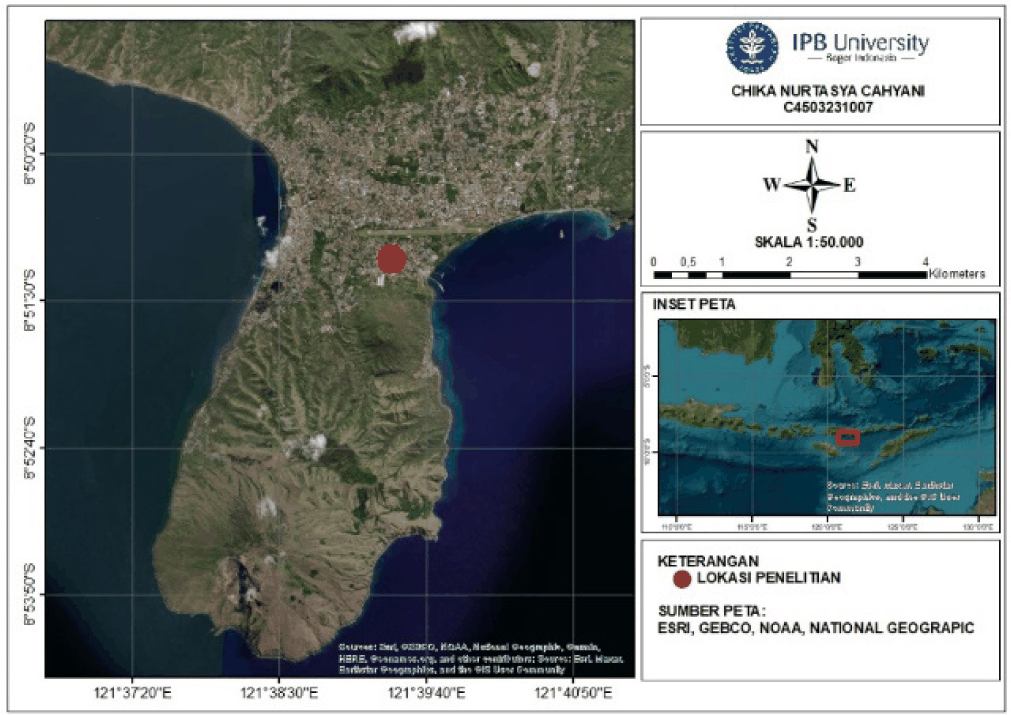
The determination of the sample respondents was conducted using purposive sampling techniques. Purposive sampling involves specific considerations such as knowledge, experience, or other characteristics (Arikunto, 2010). The researcher selected samples based on predetermined criteria, ensuring that the chosen samples were deemed the most informative and relevant to the research. In this case, the respondents included 18 octopus fishers with a minimum of 10 years of experience, collectors, heads of NGOs, and officials from the Provincial Marine and Fisheries Office.
The trend analysis of Catch per Unit Effort (CPUE) was conducted as one of the assessment indicators within the fishery resource domain. The CPUE analysis using catch and trip data over a 5-year period, 2019–2023. The CPUE formula used follows the method described by Sparre & Venema (1998):
Where,
CPUE = catch per unit of fishing effort (kg/trip)
Catch = catch (kg)
Effort = number of fishing trips (trips)
The analysis of octopus fisheries was conducted using the EAFM, which aims to evaluate the extent to which the ecosystem approach has been implemented in the management of octopus fisheries in Ende. The EAFM approach consists of six domains/aspects of study, each with several indicators. The assessment of each indicator was performed using a Multi-Criteria Analysis (MCA) approach, establishing a set of criteria as the basis for analysing the aspects of the fisheries management area from an ecosystem management perspective (EAFM) through the development of a composite index (NWG EAFM, 2014).
Each indicator is weighted based on its level of influence within the domain. The scale used ranges from 0 to 100. The higher the importance of an indicator, the greater its weight. The total weight for each domain is 100, which is distributed evenly among all indicators.
Assessment uses a scoring system of 1, 2, and 3. Higher values indicate a better indicator status and contribute more significantly to achieving the EAFM.
The value of an indicator is the result of multiplying the weight by the indicator score. The formula is as follows:
The domain value is the average value of the indicators within that domain. It reflects the domain’s level of sustainability.
The aggregate value is the average value of all existing domains. The aggregate value indicates the overall sustainability condition of the fisheries. The results of this calculation are then categorised into five assessment criteria based on the flag model. The categorisation of these values is presented in Table 1.
| Range | Flag model | Description | |
|---|---|---|---|
| Low | High | ||
| 1 | 1.6 |

|
Poor in implementing EAFM |
| 1.7 | 2.5 |

|
Moderate in implementing EAFM |
| 2.6 | 3 |

|
Very good in implementing EAFM |
Results
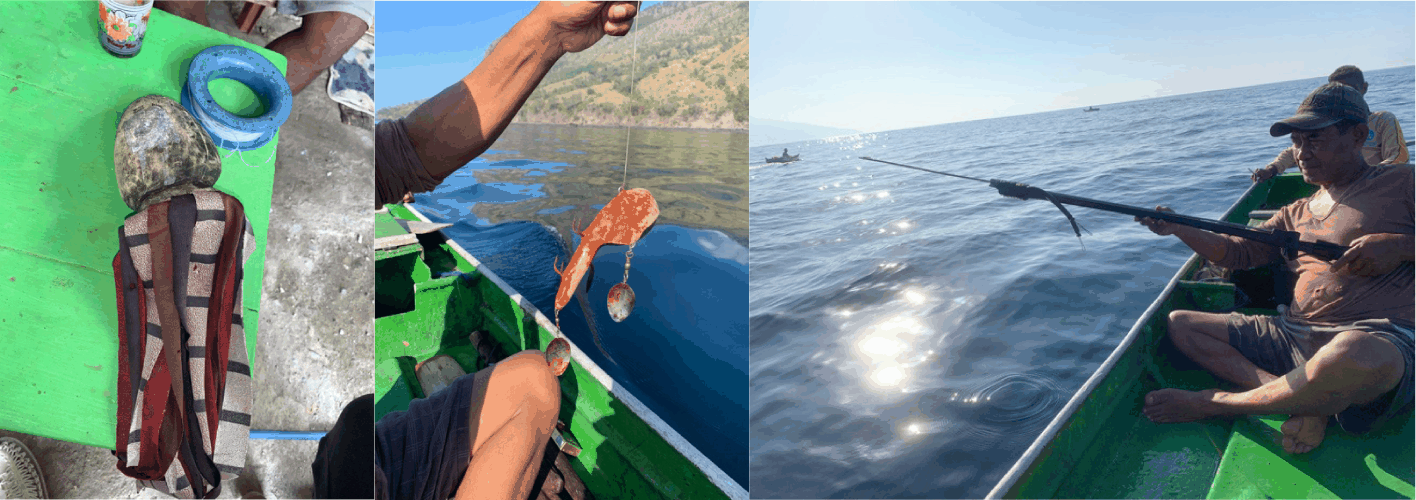
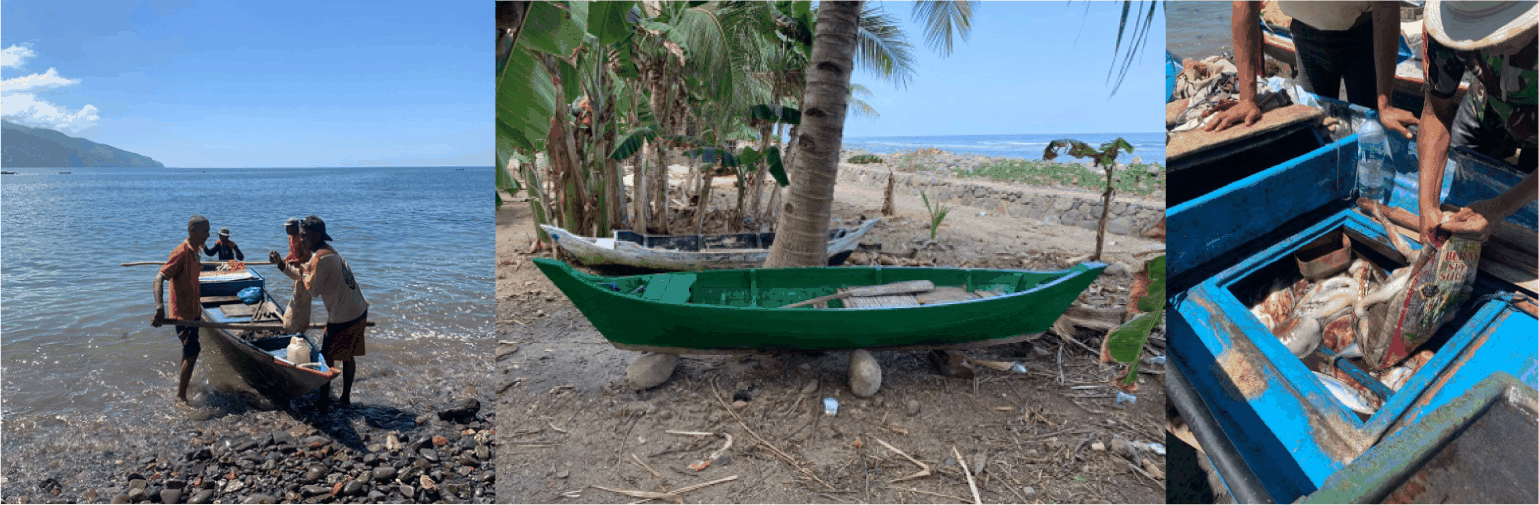
Octopus fisheries in Ende are characterised as small-scale fisheries, similar to octopus fisheries in other regions of Indonesia. The fishing gear and techniques employed for octopus fishing remain very simple, utilising hooks, spears, iron harpoons, and “pocong-pocong” (baits resembling octopuses; Fig. 2). The equipment used by fishers during the octopus fishing process includes masks, and some also use fins. The boats utilised are dimensioned at a length of 2–3 meters, a width of 0.5–0.8 meters, and a height of 0.8–1 meters, consisting of two types: paddle boats and boats equipped with outboard motors (Fig. 3).
The octopus is captured in the morning, from 05:00 to 10:00. However, fishers conduct fishing operations in the afternoon during the peak season, from 15:00 to 18:00. Weather conditions also influence octopus fishing; fishers typically do not go to sea during the rainy season. This is due to high waves and murky waters, which make it difficult to spot the catch target of the octopus.
During the peak season, the catch can reach up to 50–70 kg per day per boat trip. In contrast, fishers only average about 5 kg daily during lean seasons, and sometimes they may not catch any octopus. The octopus caught by fishers is sold directly to collectors at varying prices, depending on the collector. Some collectors offer a price of IDR 25,000 (1.5 USD) per kg for all sizes of octopus, while others set prices based on the quality of the octopus. The prices for each quality grade are as follows: Grade A (or quality A) with a weight of more than 2 kg per individual is priced at IDR 45,000 (2.7 USD) per kg; Grade B, weighing 1–1.9 kg per individual, is priced at IDR 35,000 (2.1 USD) per kg; Grade C, weighing 0.5–0.9 kg per individual, is priced at IDR 25,000 (1.5 USD) per kg; and Grade D, weighing 0.3–0.4 kg per individual, is priced at IDR 15,000 (0.9 USD) per kg.
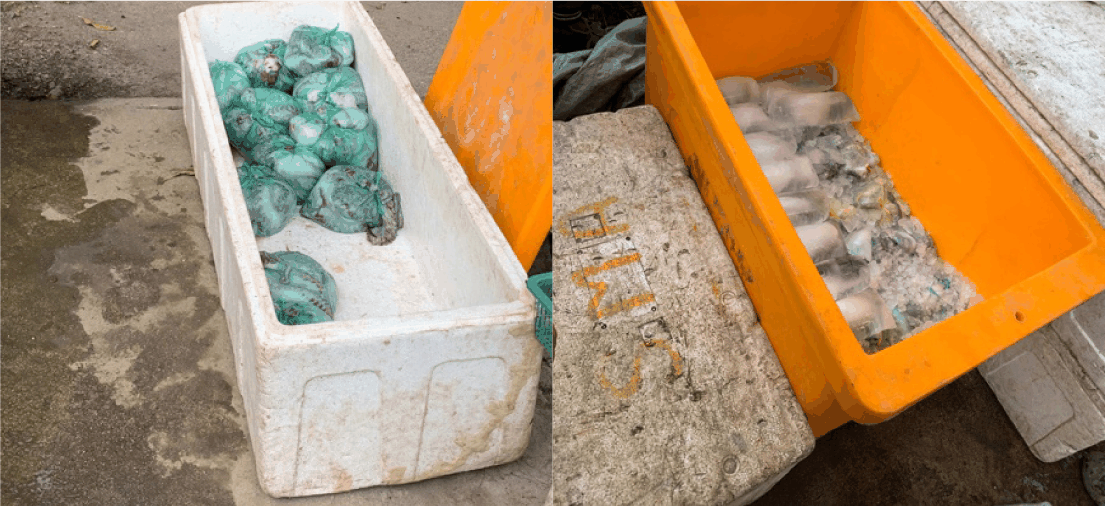
The octopus catch in Ende is intended for export. The distribution process involves fishers cleaning the heads of the octopuses before delivering them to collectors. The storage of octopus at the collectors’ facilities is done by placing them in boxes and mixing them with ice (Fig. 4). The storage duration for octopus is three days during the peak fishing season, while during the lean fishing season, deliveries are made once a week to companies located in Paga and Maumere, which are approximately 140 km from Ende Regency. During harvest, 15 to 20 boxes of octopus are delivered in a single trip; however, only three boxes can be delivered during the lean season. Each box can hold up to 40 kg of octopus.
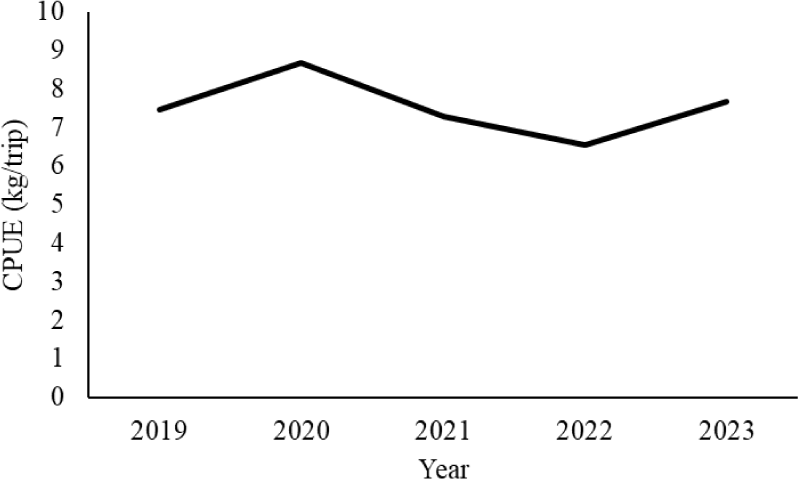
The assessment results of six indicators within the domain/aspect of octopus resources overall yielded a satisfactory score of 2.55. The fluctuations in CPUE values over the past five years have not been particularly significant (Fig. 5). Similarly, the size of octopuses captured over the last five years has remained relatively stable, ranging from 1 to 1.8 kg per individual.
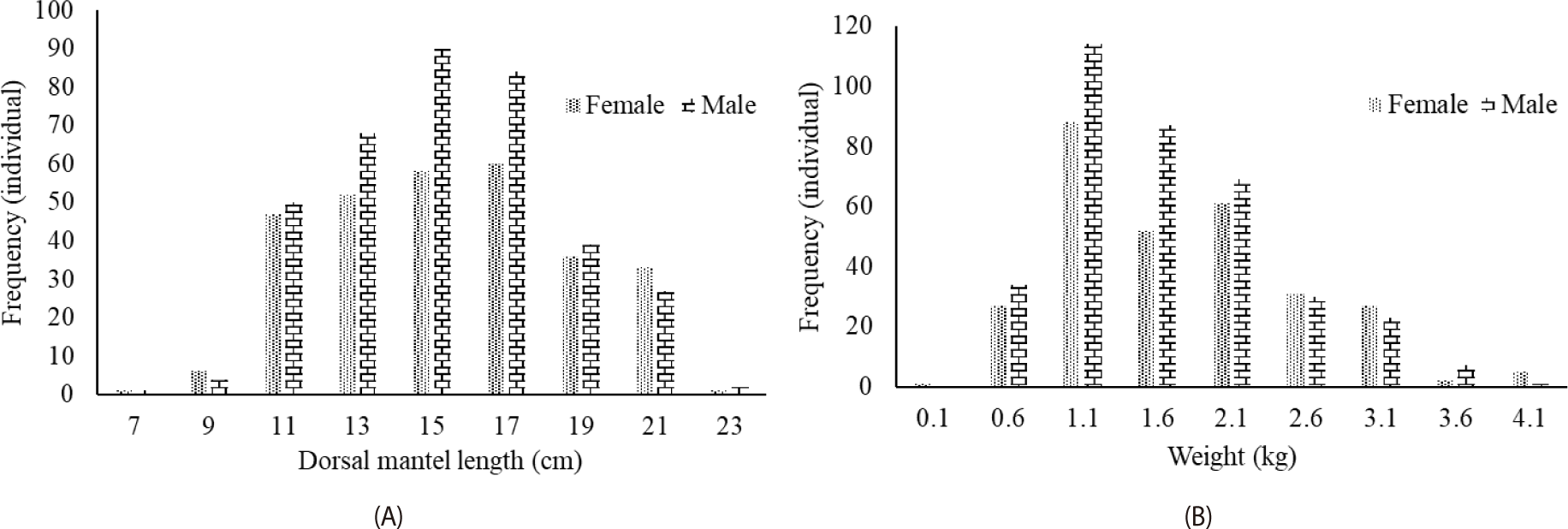
The catch composition of octopus is dominated by individuals that have reached gonadal maturity or have a Length at first maturity (Lm) (Fig. 6). The average weight of captured female octopuses is 1.6 kg, with an average dorsal mantle length of 14.87 cm. In contrast, male octopuses exhibit an average weight of 1.5 kg and an average length of 14.8 cm. According to Guard & Mgaya (2002), female O. cyanea reach maturity at 600 g or a mantle length of 7.7 cm, while male O. cyanea reach maturity at a weight of 320 g or a mantle length of 7 cm.
The dominant composition of the fishers catch is octopus. This is because the octopus population is quite large and octopus has a higher market value compared to other types of fish. Fishers only catch other types of fish to be sold locally at a low price or for self-consumption.
The range collapse of octopus resources is defined by increasingly distant fishing locations and the growing difficulty in locating catch target. The presence of coral reefs significantly influences the habitat of octopuses. Several coral reef spots have been damaged, leading to a loss of habitat for octopuses. Another factor contributing to the difficulty in capturing octopuses is the spawning season. During this period, octopuses become elusive, as female octopuses tend to hide behind coral reefs to incubate their eggs until they hatch.
No Endangered, Threatened, or Protected (ETP) species have been captured due to selective fishing gear such as hooks, fish traps, spears, and bows for octopus fishing. According to interviews with fishers, only one fisher reported accidentally capturing a turtle while using octopus hooks; however, the turtle was released back into the sea.
A score of 2, indicating a moderate status within the fish resource domain, was observed for the CPUE, octopus size trends, and the range collapse. Conversely, a score of 3, signifying a good status, was assigned to indicators such as the proportion of juveniles, the species composition of the catch, and ETP species (Table 2).
This study excluded mangroves and seagrass from the assessment, resulting in an adjustment of the weights for the indicators within the habitat and ecosystem domain. In line with the principles outlined by Charles (2023), it is essential to adapt fishery management indicators to the specific ecological and social conditions of the study area. Standardised habitat indicators such as mangroves and seagrass beds may not be applicable in all locations, particularly where these ecosystems are naturally absent. Adjusting these indicators ensures that the assessment accurately reflects the local fishery system and avoids misrepresenting management effectiveness. This context-sensitive approach is fundamental to achieving meaningful evaluations within sustainable fishery systems.
The assessment results of four indicators within the habitat and ecosystem domain/aspect yielded a moderate score of 2.40 (Table 3). The highest weighted assessment within the habitat and ecosystem category pertains to the status of coral reef ecosystems, which serve as critical habitats for octopuses. However, the coral reef indicator score received a rating of 2, indicating a moderate status. According to monitoring conducted by the Tananua NGO in 2023, it was found that many corals were damaged due to fishing activities involving explosives and remnants of ship anchors. The percentage of live coral in the waters of Tetandara Village is 23.75%, while in Maurongga Village, it is 19.6%, categorising these conditions as poor based on the coral cover percentage criteria established by the Quality Standards (Ministry of Environment Regulation No. 4 of 2001).
The water quality parameters, including temperature, salinity, pH, chlorophyll a, and secchi depth, remain within optimal ranges for the marine ecosystem in southern Ende Regency. Water quality data were collected in situ and ex-situ (using satellite imagery). The values of these parameters align with the minimum standards outlined in the Marine Water Quality Criteria (Ministerial Decree of Environment No. 51/2004 regarding Marine Water Quality Standards). Table 4 provides a detailed presentation of these parameter values.
Unique or specialised habitats, specifically spawning grounds, nursery grounds, and feeding grounds, require special attention in the context of sustainable fisheries management. These locations serve as critical areas for growing and reproducing various fish species, ultimately supporting the surrounding fishing activities. This indicator is rated as good, as octopus fishers know these unique habitat locations and understand the regulations prohibiting the capture of spawning and juvenile octopuses in these areas.
No study has been done on the impacts of climate change on the waters of Ende. However, during the Seroja Storm in 2021, which affected coral reefs in several regions of East Nusa Tenggara, fortunately, there was no impact on the coral reefs in the southern waters of Ende. Additionally, there have been no significant changes in sea surface temperatures that could lead to coral bleaching.
The assessment results of six indicators within the fishing techniques domain yielded a score of 2.65 (Table 5). There are no violations involving destructive fishing gear in the octopus fishing. Modifications to the gear have only been made concerning the type of bait used for octopus fishing. These modifications do not negatively impact the captured octopuses, as nearly all catches are larger than the Length at First Maturity (Lm). However, the handling of octopuses once captured remains poor, as they are often struck with wooden blocks and bitten by fishers.
Fishing capacity, defined as the maximum amount of fish catch produced over a specific period (year) by a single vessel or fleet when fully operated, is measured in tons per year. The fishing capacity for octopus in Ende is recorded at 1.17, indicating a favourable condition since the value exceeds 1.
The fishing gear used for octopus fishing is classified as selective, as it targets only the intended species. Fishers use specialized fishing gear for catching octopus, such as octopus handline and “pocong-pocong”. The octopus handlines are typically equipped with artificial bait that resembles their natural prey, such as lobster and crab. Furthermore, the “pocong-pocong” gear is made to resemble an octopus and is operated by oscillating it within the water column to attract the attention of the octopus.
The compliance of fishing vessels’ function and size with legal documentation is rated poorly. This is because all octopus fishing vessels lack any supporting documents for their fishing operations. The Minister of Marine Affairs and Fisheries Regulation No. 58 of 2020 stipulates those small-scale fishers with vessels under seven gross tonnage can obtain fishing documentation known as the Fishing Vessel Registration Certificate.
The certification that octopus fishers in Ende have participated in pertains to occupational safety training conducted by the Indonesian Navy (TNI AL). According to information obtained from an NGO that mentors octopus fishers, all octopus fishers attended this training and received certificates.
The assessment results of three indicators within the social domain overall yielded a high score of 2.55 (Table 6). The involvement of stakeholders is approximately 80%, with participants including fishers, collectors, NGOs, the Fisheries and Marine Officer, and both provincial and central government entities. This involvement manifests in various forms, such as the formulation of regulations, social assistance to fishers, and direct field monitoring activities.
| Score | Weight (%) | Indicator value | ||
|---|---|---|---|---|
| Indicators | Stakeholder participation | 2 | 45 | 0.9 |
| Fishery conflicts | 3 | 30 | 0.9 | |
| Local knowledge in fisheries resource management | 3 | 25 | 0.75 | |
| Social domain value | 2.67 | 100 | 2.55 | |
Conflicts in fisheries are rare, occurring less than twice a year. A notable conflict arose in 2021 between fishers, NGOS, and the government regarding implementing a closed-open fishing area for octopus. Another ongoing conflict involves octopus fishers in Arubara Village and the Ipi Ende port concerning the utilisation of marine space. The fishing grounds for octopus and the Ipi port are located within the same area, leading to occasional overlaps in marine space utilisation. Conflicts also arise during the closure of fishing areas, where fishers from other regions engage in octopus fishing in the designated closed zones.
The utilisation of local knowledge is evident in implementing open-closed fishing areas for octopuses and in fishers’ understanding of unique or specialised habitats, such as spawning grounds and nursery grounds. The effective application of local knowledge has positively impacted octopus resources, as evidenced by the capture of larger octopuses and a relatively stable stock of octopus resources.
The assessment results of three indicators within the economy domain overall yielded a medium score of 2.05 (Table 7). On average, octopus fishers do not experience asset accumulation, whether in the form of goods or monetary assets. Fishers only purchase assets such as boats or other vehicles when their previous vehicles are damaged. Furthermore, these asset purchases are often financed through loans from collectors or cooperatives.
| Score | Weight (%) | Indicator value | ||
|---|---|---|---|---|
| Indicators | Asset ownership | 2 | 45 | 0.9 |
| Household income | 3 | 30 | 0.9 | |
| Savings ratio | 1 | 25 | 0.25 | |
| Economy domain value | 2 | 100 | 2.05 | |
Regarding income, the average earnings of octopus fishers exceed the minimum wage in Ende Regency for 2024, which is IDR 2,186,826 (130.97 USD). The average monthly income of fishers reaches approximately IDR 3 million (180 USD), with earnings during the octopus season potentially soaring to IDR 15 million (898 USD) per month, while during lean seasons, income may drop to around IDR 1.5 to 2 million (90 USD) per month.
Despite their relatively high incomes, nearly all fishers lack savings, whether in cash or bank deposits. Many fishers’ wives participate in savings and loan cooperatives that impose relatively high interest rates, reaching up to 25%.
The assessment results of three indicators within the economy domain yielded a medium score of 2.55 (Table 8). Based on observations and interviews with the Tananua NGO in Ende Regency, no significant violations have been identified among octopus fishers. However, there are issues related to savings and loan cooperatives agreements, where some fishers demonstrate a lack of discipline in making regular payments for mandatory and voluntary savings. Nevertheless, this situation has not escalated into any significant conflicts.
Current regulations, both at the local and national levels, regarding the management of octopus fisheries do not fully encompass the six domains of EAFM. The Village Regulation (PERMADES) in the Ndori District has established rules concerning the management of octopus resources, the savings and loan cooperatives for octopus fishing groups, and the consequences for violations committed. The waters of South Ende, which are part of the Sawu Sea, already have a documented management plan for habitats and ecosystems. This plan aims to ensure the sustainability of marine resources and the protection of critical habitats.
The local decision-making mechanisms are in place and have been effectively implemented. An example of this is the Standard Operating Procedure (SOP) regarding savings and loans within the octopus fishing groups, which stipulates that the loan duration is three months, with the loan amount not exceeding three times the borrower’s savings. Payments can be made freely as long as the total amount is settled within three months, with an interest rate of 10% on the loan.
The Fisheries Management Plan (FMP) encompasses the management of octopus resources, habitats and ecosystems, as well as the economic conditions of fishers. This document serves as a framework for sustainable management practices and aims to balance ecological health with the livelihoods of local fishing communities.
The synergy between policies and institutional frameworks for fisheries management is less effective, yet it has not led to significant conflicts. The Tananua Foundation frequently participates in training programs encompassing all fisheries management domains. These training sessions are designed to be functional and are communicated to the fishers. Topics covered include guidelines for octopus fishing by legal size limits, savings and loan practices, the use of GPS, and other relevant subjects.
The following is the assessment of the EAFM using the flag model (Table 9). The results obtained from this study indicate that the assessment for fish resources is rated as good with a score of 2.55, habitat and ecosystems are rated as moderate with a score of 2.40, fishing techniques are rated as good with a score of 2.65, social aspects are rated as good with a score of 2.55, economic factors are rated as moHabitat and ecosystemderate with a score of 2.05, and institutional aspects are rated as moderate with a score of 2.40. Overall, the assessment of octopus fisheries management using this approach is rated as moderate with a score of 2.46. This indicates that while certain areas of management are performing well, aspects still require improvement to enhance the sustainability and effectiveness of octopus fisheries management.
| Domain | Composite | Status |
|---|---|---|
| Fish resources | 2.55 | High |
| Habitat and ecosystem | 2.40 | Medium |
| Fishing techniques | 2.65 | High |
| Social | 2.55 | High |
| Economy | 2.05 | Medium |
| Institutional | 2.50 | Medium |
| Aggregate | 2.46 | Medium |
Discussion and Conclusion
The condition of the O. cyanea resources in Ende presents significant potential for enhancing the local fishers’ economy. The size of the captured octopuses is highly competitive, with an average weight of 1.6 kg. In comparison, the average weight of octopuses in other regions is notably lower, such as in Bone Bay at 0.87 kg (Omar et al., 2020), in Tojo Una-una Regency at 1.14 kg (Pasisingi et al., 2023), and in Banggai Laut Regency at 1.1 kg (Tarigan, 2019). Raberinary & Benbow (2012) reported that male O. cyanea captured in Madagascar exhibited body weights ranging from 50 to 6,400 g (with an average of 805 g), while females ranged from 50 to 5,500 g (with an average of 823 g). The largest O. cyanea ever recorded was possibly the specimen found by Guard & Mgaya (2002) in Tanzania, which measured a total length of 1.58 m and weighed 11.7 kg. Van Heukelem (1983) stated that O. cyanea is a large octopus species, with a maximum weight of between 5 and 6 kg.
Although the use of explosives in fishing has significantly decreased, the coral reefs that were previously damaged will require a considerable amount of time to recover. Research conducted by Suyatna & Yasser (2023) indicates that the total growth rate of transplanted corals on iron frames using the Montipora genus achieved a height of 1.63 cm every three months and a length of 1.69 cm every three months. Porites exhibited a height growth of 2.00 cm every three months and a length of 1.25 cm every three months, while Pocillopora recorded a height growth of 2.25 cm every three months and a length of 2.00 cm every three months. Acropora demonstrated a height growth of 2.38 cm every three months and a length of 1.63 cm every three months.
In contrast, the total growth rate of corals on PVC pipe frames using the species Acropora achieved a height growth of 2.04 cm every three months and a length of 1.14 cm every three months, while the species Hydnophora showed a height growth of 2.00 cm every three months and a length of 1.00 cm every three months. Generally, coral reefs grow optimally within an ideal water temperature range of 29°C to 31°C and high mortality in sensitive coral reef species occurs at sea surface temperatures of approximately 33°C. Certain coral species can still tolerate water temperatures outside this range, allowing them to reproduce effectively (Eladawy et al., 2022; Keshavmurthy et al., 2022).
Hameed & Boopendranath (2000) have reviewed the factors influencing fishing gear design. The critical factors affecting fishing gear design include: the biology, behaviour, and distribution of target species; fishing depth, currents, and durability; seabed conditions; the size and power of fishing vessel engines; energy conservation objectives; selectivity; and resource conservation goals. In line with this statement, octopus lures are designed to resemble their natural prey, such as crustaceans like lobsters and crabs. Additionally, the “pocong-pocong” fishing gear is crafted to mimic octopuses, and it operates by being shaken in the water column to attract the attention of octopuses.
Octopus fishing gear is also characterised as selective, capturing only octopuses and no other fish species. This aligns with the definitions provided by FAO (1978) and Pope (1975), where selective fishing gear refers to the ability of the gear to target specific species, sizes, or life stages while minimising the capture of non-target organisms. In the domain of fishing technology, the indicators of the suitability of the function and size of fishing vessels, as reflected in legal documents, show the lowest values. This is evidenced by the fact that all fishers engaged in octopus fishing do not register their vessel ownership, despite the critical importance of such registration for fisheries data recording. This documentation plays a crucial role in monitoring fishing activities to ensure the sustainability of fishery resources.
Moreover, the awareness among fishing communities in Indonesia regarding the importance of data collection remains relatively low. This lack of awareness is primarily attributed to human resource limitations and the fishing community’s relatively low educational levels. Additionally, the socialisation efforts conducted by local governments regarding the urgency of vessel registration have not been implemented comprehensively, contributing to the fishers ignorance about the importance of registering their vessels with the government (Sari & Shalichaty, 2020).
The current social conditions reflect a positive trend, with stakeholders actively participating in managing octopus fisheries. This aligns with implementing community-based management or co-management to govern octopus fisheries in Ende. Although conflicts are rare, there are concerns regarding the potential for conflict between octopus fishers in Arubara Village and the activities of the Interior Point Intermodal (IPI) port, particularly related to the utilisation of marine space. From the conflict theory perspective, social structure is often understood as a result of one group’s dominance over another. Groups with greater access to resources tend to maintain their advantages, while less fortunate groups strive to alter the status quo (Coser, 1956). Therefore, further discussion and study on this issue are necessary to find the best compromise between the octopus fishers in Arubara Village and the IPI Port.
Despite the relatively high income of fishers, there remains a significant lack of ownership of fixed assets and savings among them. This finding is supported by Vaheed et al. (2021), who noted that there is no correlation between the saving patterns of fishers and their monthly income. Fishers consistently face cash shortages and exhibit a high level of dependency on moneylenders. Most families access credit to cover their expenses during lean seasons, even for necessities such as food. The primary reason for the indebtedness of fishers is closely tied to their income and expenditure patterns. During peak seasons, they may experience a surplus; however, this surplus is insufficient to prevent debt accumulation during lean seasons when their income significantly declines.
Although the institutional domain has demonstrated positive values, there remains a need to optimise several indicators, such as the completeness of rules, fisheries management plans, and the level of synergy between policies and institutions. The rules and fisheries management plans are currently localised and primarily focus on managing octopus resources and economic aspects. According to Charles (2023), fisheries management cannot be separated from three main components—resources and ecosystems, social/economic factors, and governance or institutional frameworks—it is crucial to develop octopus fisheries policies that encompass all these aspects. This comprehensive approach will ensure more effective and sustainable management of octopus fisheries, addressing the ecological and economic dimensions and the social implications.
The assessment results indicate a moderate level of EAFM implementation, with a score of 2.46. This suggests that the management of octopus fisheries through a community-based approach has been relatively effective. This finding aligns with Dudayev et al. (2023), who argue that community partnerships and co-management represent the most suitable management model for Indonesia’s coastal fisheries, including octopus fisheries. The success of this management approach is CONTINGENT upon support from the central government, particularly in the form of financial assistance to facilitate the execution of work programs developed by the community.