Introduction
Aquaculture has emerged as a pivotal sector in global food production. Its rapid expansion is rapid expansion is driven by growing seafood demand, advancements in farming technologies, and improved nutrition and disease control strategies. However, despite its rapid growth, the industry faces persistent challenges, particularly in disease outbreaks that lead to significant economic losses and compromise sustainability (Lafferty et al., 2015). The excessive use of antibiotics in aquaculture disease management has exacerbated the problem, leading to the accumulation of drug residues in fish products, the emergence of antibiotic-resistant pathogens, and environmental pollution (Suyamud et al., 2024). Addressing these challenges necessitates the development of alternative strategies to enhance fish immunity while minimizing environmental risks. Among these strategies, the application of secondary metabolite-based nanoparticles as immunostimulants has emerged as a promising approach.
Among the promising alternatives, nanoparticle-based immunostimulant, particularly those derived from secondary metabolites, have gained attention. Secondary metabolites, which are bioactive compounds derived from plants and microorganisms, exhibit various pharmacological properties, including antimicrobial and immunostimulatory effects (Jain & Jain, 2020). The integration of these compounds into nanotechnology has enabled the development of nanoparticle-based immunostimulants that enhance bioavailability, chemical stability, and controlled release of active compounds (Singh & Singh, 2019). Recent studies have demonstrated the efficacy of these nanoparticles in improving fish immune responses, thereby reducing the incidence of infectious diseases and enhancing overall health and growth performance (Aboseif & El-Hariri, 2024; Ponce & González, 2024). These findings highlight the potential of secondary metabolite-based nanoparticles as sustainable alternatives to antibiotics in aquaculture. However, despite the growing body of literature on this topic, a comprehensive analysis of the trends and developments in this research field remains lacking.
Bibliometric analysis provides a systematic approach to mapping the scientific landscape of a given research field by quantifying publication trends, identifying key authors and institutions, and analysing research networks (Zhang et al., 2021). By applying bibliometric techniques, it is possible to assess the evolution of nanoparticle-based immunostimulants in aquaculture, identify influential studies, and determine the most frequently cited topics and emerging research directions. This analysis is particularly valuable for researchers and policymakers seeking to understand the development of the field, optimize research efforts, and foster collaborations that drive innovation in fish health management (Nguyen et al., 2024a).
The scientific literature on nanoparticle-based immunostimulants for fish health has expanded considerably in recent years, reflecting increased recognition of their potential benefits. The application of nanoparticles in aquaculture has been investigated through various formulations, including chitosan chitosan nanoparticles (CSNPs), silver nanoparticles (AgNPs), and exopolysaccharide-mediated zinc oxide nanoparticles, all of which have demonstrated immunomodulatory effects in fish species (Abinaya & Kumar, 2023; Bhoopathy & Suresh, 2021). AgNPs and CSNPs have demonstrated great promise in improving fish health and aquaculture disease control. Based on chitin from crustacean exoskeletons, CSNPs are biodegradable vaccine and immune-modulating agents that enhance immune responses and effectively combat bacterial pathogens such as Vibrio species and Aeromonas hydrophila (Aly et al., 2023; Bhoopathy & Suresh, 2021). In fish species like the grey mullet (Liza ramada), their capacity to promote vaccine delivery and lessen oxidative stress enhances gut health and growth performance (Dawood et al., 2021; Zhang et al., 2021). Because of their strong antimicrobial qualities, AgNPs break down microbial cell membranes and produce reactive oxygen species (ROS) to fight off pathogens like Vibrio harveyi, improving the growth and survival rates of farmed species (Barakat et al., 2016; Lestari et al., 2024). By boosting immune responses, their immunomodulatory effects further improve fish health (Deshmukh et al., 2022). Fish resilience and immune response are enhanced when CSNPs and AgNPs are combined to optimise antimicrobial and immunological benefits (Bhoopathy & Suresh, 2021; Firouzeh et al., 2021).
These studies suggest that nanoparticles not only enhance immune responses but also promote growth performance and survival rates by improving nutrient absorption and reducing pathogen susceptibility (El-Naggar, 2022). Additionally, the potential for nanoparticles to serve as adjuvants in vaccine development has further expanded their applications in aquaculture. For instance, mesoporous silica nanoparticles have been shown to facilitate the oral delivery of antigens, thereby strengthening immune responses against bacterial pathogens such as Vibrio alginolyticus (Zhang et al., 2021). Furthermore, AgNPs have demonstrated antiviral properties against common fish pathogens, reducing viral replication and improving survival rates in infected fish (Doszpoly et al., 2023). AgNPs and CSNPs improve fish health in aquaculture by combining immunomodulation and antibacterial activity in unique but complimentary ways (Chen & Cooper, 2002; Tang et al., 2003). While CSNPs’ antimicrobial efficacy comes from their capacity to break microbial membranes and limit DNA and protein synthesis, they also boost immunoglobulin levels, activate macrophages, and increase lysozyme and phagocytic activity. In addition to acting as adjuvants, CSNPs increase the expression of immune-related genes and stimulate leukocyte activity, which modulates both innate and adaptive immunity (Ahmed et al., 2021, Elbahnaswy et al., 2021). By releasing Ag+ ions, generating ROS, and causing damage to microbial cell walls, proteins, and nucleic acids, AgNPs also effectively control pathogens. AgNPs also prevent the production of biofilms, which is crucial for avoiding chronic infections AgNPs concentrate on direct pathogen eradication, whereas CSNPs mainly work by boosting the host’s immune responses. Together, they provide a dual-action method that simultaneously increases fish immunity and reduces pathogenic risks. (Aly et al., 2023; Wahab et al., 2024; Yang et al., 2016). Furthermore, iron and selenium nanoparticles have helped fish’s immune systems and gut health, which has led to increased growth and resistance to disease (Dawood et al., 2021; Nguyen et al., 2024a). However, the high cost of nanoparticle technologies and regulatory uncertainties make it difficult for them to be widely used, particularly for small-scale fish farmers (Dubey et al., 2016; Giri et al., 2021).
The findings of this bibliometric analysis are expected to inform future research efforts by identifying knowledge gaps, guiding funding priorities, and fostering international collaborations in the field of nanoparticle-based immunostimulants. Additionally, this study will provide valuable insights for regulatory bodies seeking to develop evidence-based policies that support the responsible integration of nanotechnology into aquaculture. By enhancing our understanding of the scientific landscape surrounding secondary metabolite-based nanoparticles, this research aims to contribute to the development of innovative, sustainable, and effective disease control strategies in aquaculture, ultimately improving fish health and industry sustainability.
We hypothesise that the expanding database of research on nanoparticle-based immunostimulants, especially those originating from secondary metabolites, represents a notable shift in research activity, patterns of collaboration, and thematic focus, all of which can be methodically exposed by bibliometric analysis. It is anticipated that this method will reveal new areas of interest, significant stakeholders, and potential paths forward that will aid in the creation of long-term disease management strategies in aquaculture.
Materials and Methods
Research method and analysis uses bibliometric. This study applied a bibliometric research design to examine research trends and scientific developments related to nanoparticle-based immunostimulants in aquaculture. Bibliographic data were retrieved from the SCOPUS database on 10 February 2025. To ensure broad coverage of the literature, an intentionally inclusive search strategy was applied to the TITLE-ABS-KEY fields and limited to peer-reviewed research articles published in English between 2019 and 2024. The initial Boolean query combined terms related to algae, nanoparticles, and green synthesis with target aquatic organisms, using the following structure: (algae* OR nanoparticle* OR “green synthesis”) AND (fish* OR shrimp*). The initial query was designed to capture a wide range of studies related to algae-mediated and green-synthesized nanomaterials in aquatic systems, including articles in which nanoparticle synthesis or application was not explicitly emphasized in the search terms. The initial search yielded 1,277 records.
To reduce noise associated with the broad retrieval strategy, a targeted metadata-level screening process was subsequently applied. Records were screened based on their titles, abstracts, and keywords to retain only studies that explicitly involved nanoparticle-related applications relevant to aquaculture, particularly in the context of health, immunity, or disease management. Studies focusing solely on algae or aquatic organisms without involvement of nanomaterials were excluded at this stage. Additional inclusion criteria included publication year (2019–2024), document type (research articles only), and relevance to aquaculture systems, while review articles, conference papers, book chapters, and other non-peer-reviewed documents were excluded. Duplicate records were identified and removed using digital object identifier (DOI) matching and bibliographic similarity checks implemented within the bibliometrix package. Following screening and deduplication as summarized in a PRISMA-like flow diagram (Fig. 1).
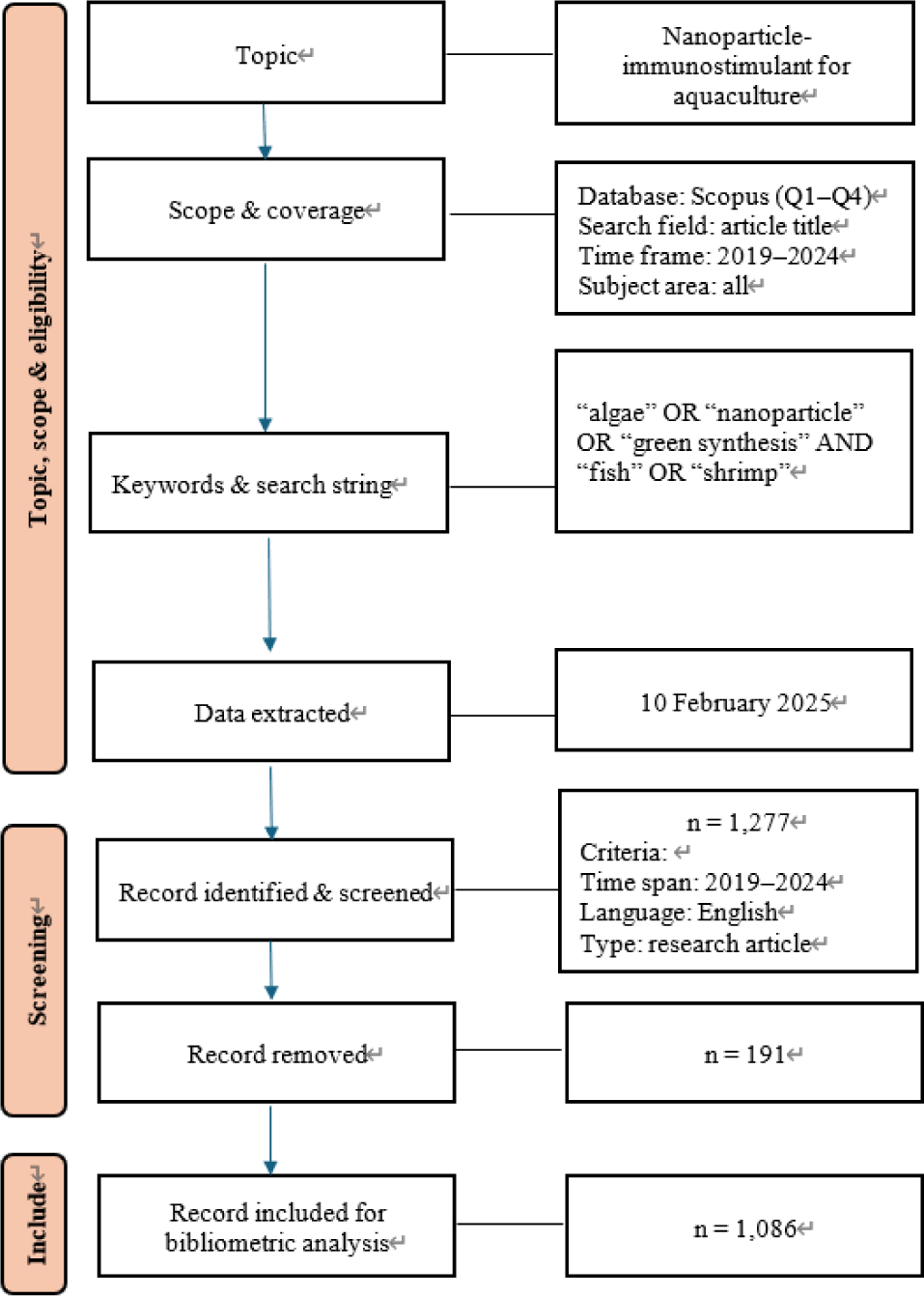
Bibliometric analyses were conducted using R (version 4.4.2) with the bibliometrix package (version 5.0). Descriptive indicators were used to examine annual scientific production, leading journals, authorship patterns, citation structure, and international collaboration. Scientific mapping techniques, including keyword co-occurrence, co-authorship, and co-citation analyses, were applied to explore the intellectual and social structure of the research field. Keyword networks were constructed using association normalization, with a minimum occurrence threshold applied to exclude infrequent terms, and thematic clusters were identified using a modularity-based Louvain algorithm. Thematic mapping and thematic evolution analyses were used to examine changes in research focus over time based on keyword centrality and density metrics, while stop-word lists were manually curated to remove generic or non-informative terms unrelated to the study scope. All bibliometric indicators reported in this study were recalculated directly from the refined dataset and cross-validated using bibliometrix summary functions to ensure internal numerical consistency across sections. Although the initial search strategy was intentionally broad, relevance was ensured through systematic screening at the metadata level. To support transparency and reproducibility, the bibliographic dataset and analysis scripts will be made available in a public repository upon acceptance.
Results
Based on data obtained from the SCOPUS database, 1,086 articles related on nanoparticles used in aquaculture have been published. According to the data (Table 1), research on nanoparticles in aquaculture has grown significantly between 2019 and 2024, with an annual growth rate of 22.26% and contributions from 5,577 authors, 33.06% of whom are part of international collaborations. The mean citations per document remain low (0.72), which should be interpreted in light of citation-lag for recently published work because the dataset contains a significant percentage of very recent papers (particularly in 2024).
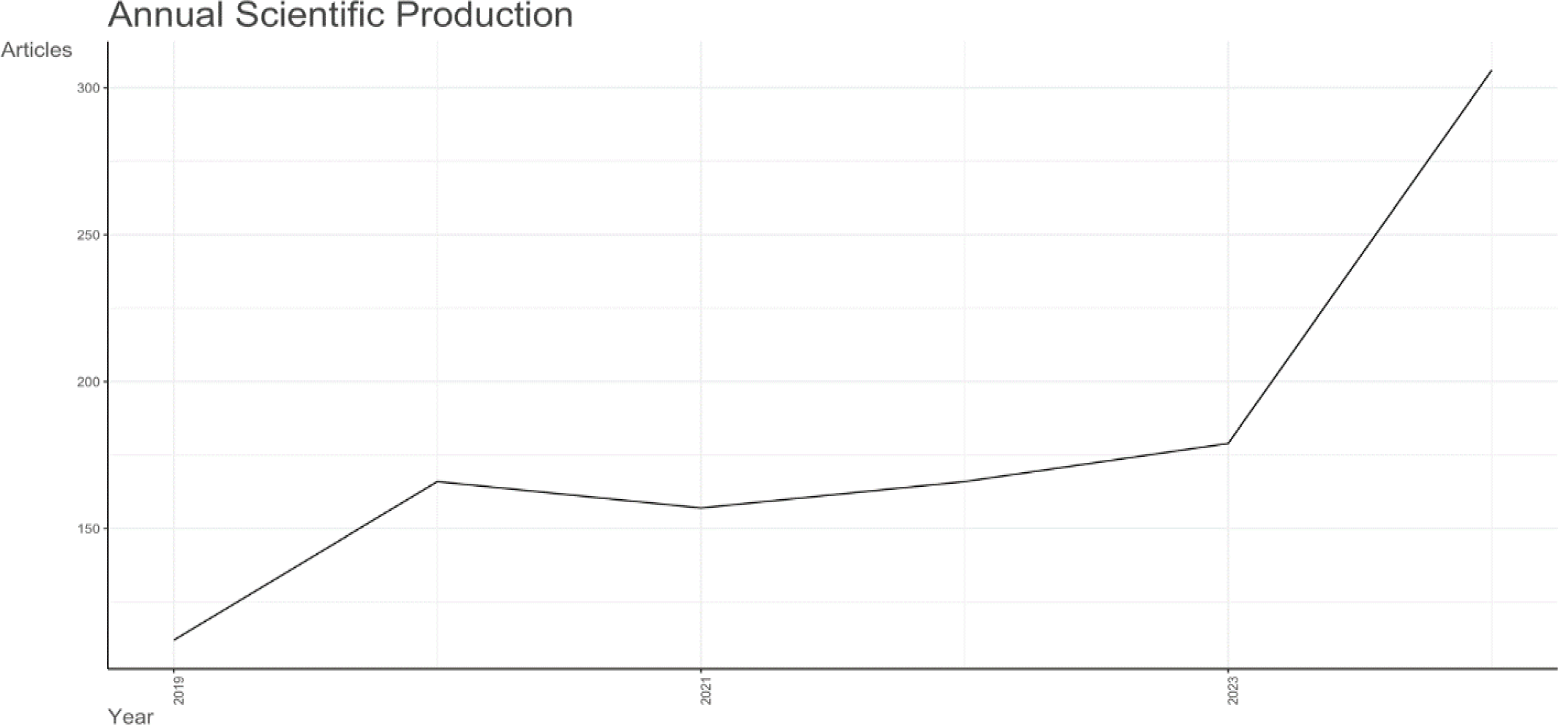
On 10 February 2025, the SCOPUS query described in material and methods retrieved the final dataset 1,086 articles. This data covers the period from 2019 to 2024 (Fig. 2). A classification by SCImago Journal Rank (SJR) quartile was carried out in order to better evaluate the caliber of publications. Out of the 1,086 articles, 35% were published in Q1 journals, 30% in Q2, 10% in Q3, and 5% in Q4 journals the remaining 20% could not be assigned due to missing or unmatched SJR quartile data at the time of analysis. Sources without SJR quartiles—such as newly indexed journals or titles that couldn’t be matched—were listed as “not classified.” That’s why the Q1 to Q4 percentages might not add up to 100%. During this time, there were annual fluctuations in the number of publications, with varying peaks and dips. In 2024 recorded the highest number of publications with a total of over 300 research articles completed, making it the year with the greatest research productivity. The notable increase of publications in 2024 suggests that there is an increasing urgency and interest in using nanotechnology to address aquaculture concerns.
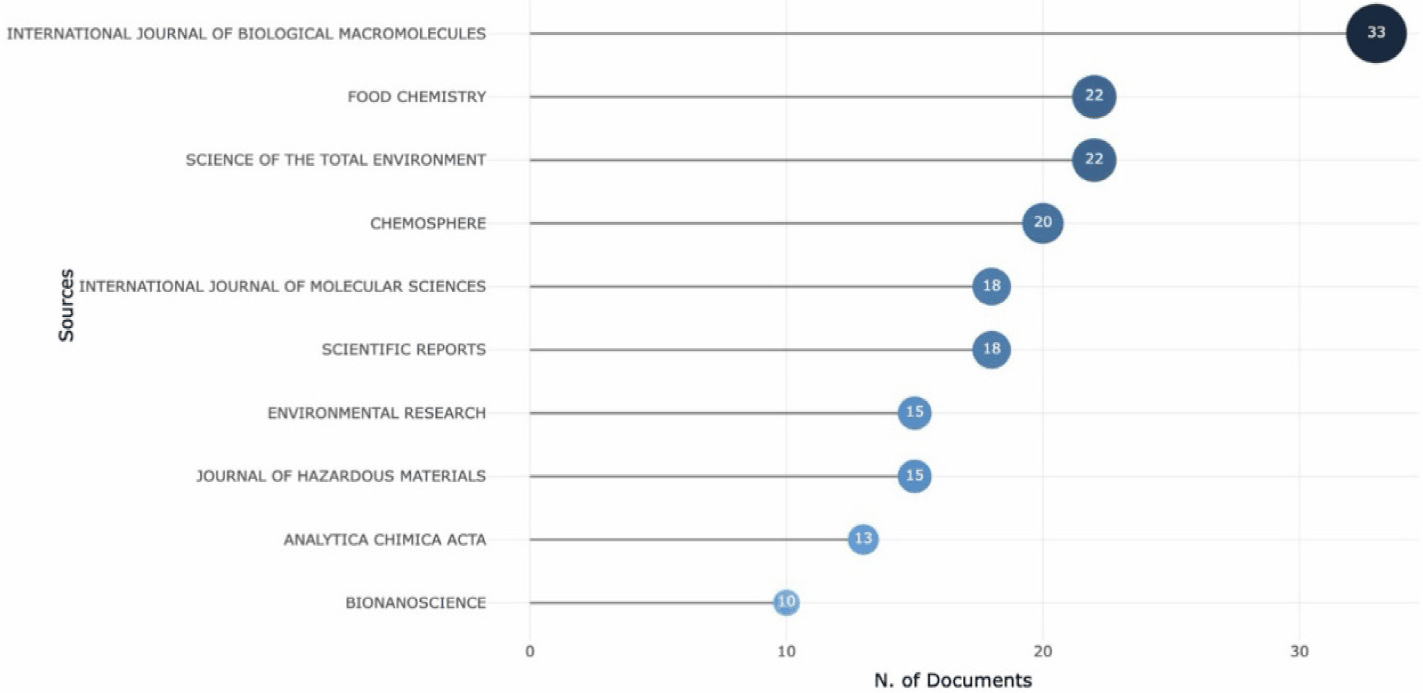
International Journal of Biological Macromolecules is the journal with the highest number of publications on nanoparticles or green synthesis in aquaculture with 33 articles occupying the top position, highlighting its significant role in advancing this scientific field (Fig. 3). Then, Food Chemistry and Science of The Environment each contributed 22 articles. Chemosphere was contributed 20 articles and International Journal of Molecular Science contributed 18 articles. Some other journals included in the top 10 include Scientific Reports with 18 articles, Environmental Research with 15 articles, Journal of Hazardous Materials with 15 articles, Analytica Chimica Acta with 13 articles, and Bionanoscience with 10 articles that also focus on topics related to nanoparticles or green synthesis.
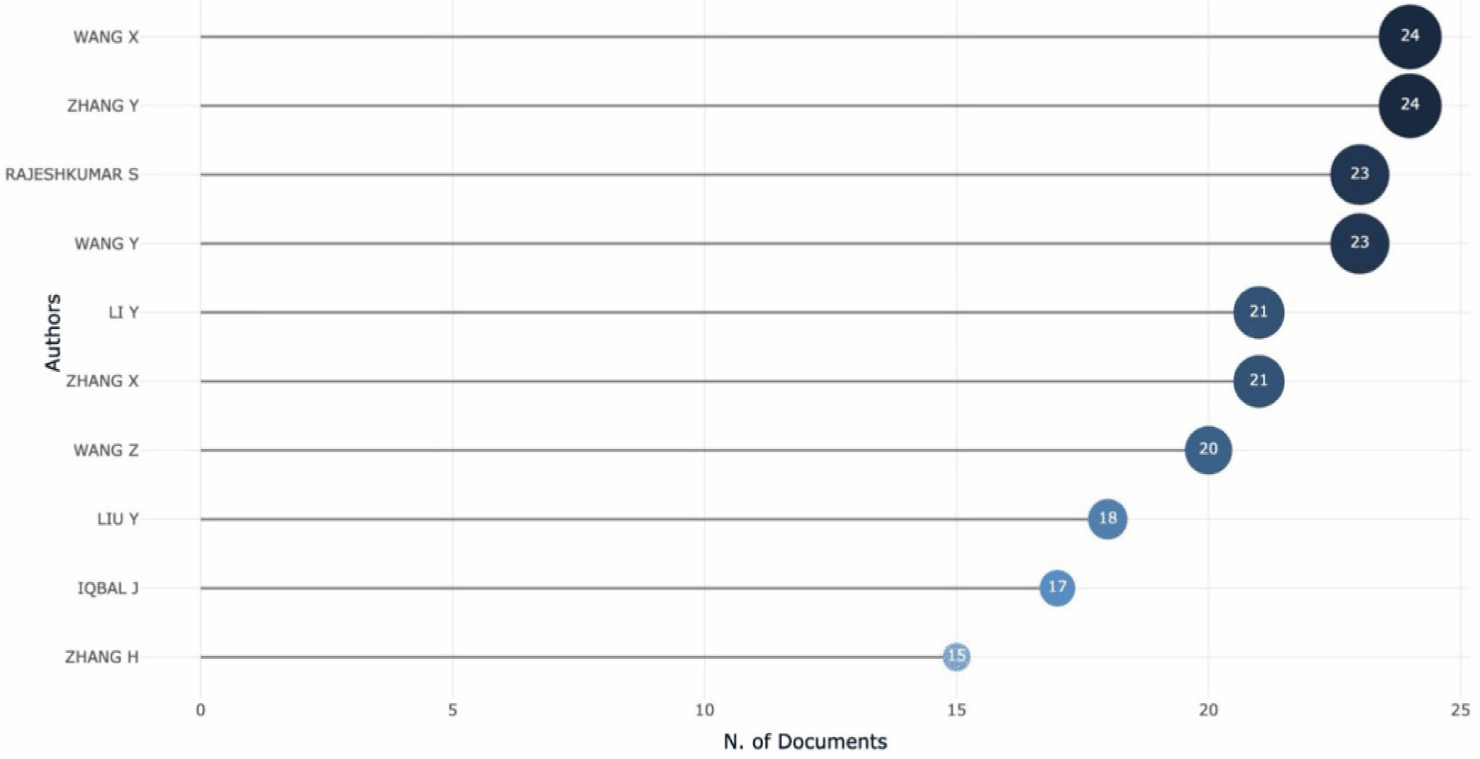
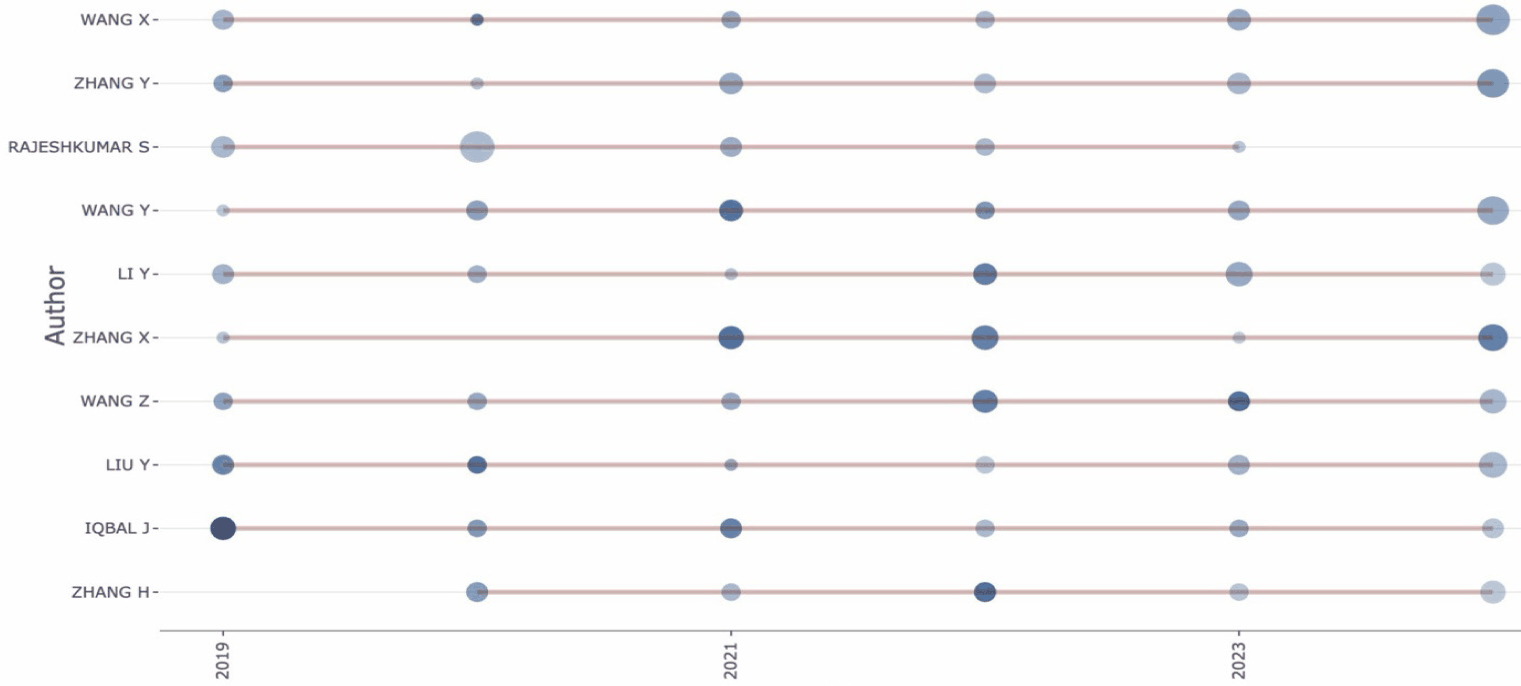
Based on an evaluation of the number of publications produced by the authors over time, it was identified that authors with the names Wang X, Zhang Y, Rajeskhumar S, Wang Y, Zhang X, Li Y, Whang Z, Liu Y, Iqbal J and Zhang H were the main contributors with a significant number of publications. The author with the highest contribution is Wang X and Zhang Y with 24 documents, indicating his active role in advancing research in this field (Fig. 4). The authors ranked in the top 10 have published 24, 23, 21, 20, 18, 17, and 15 times, respectively.
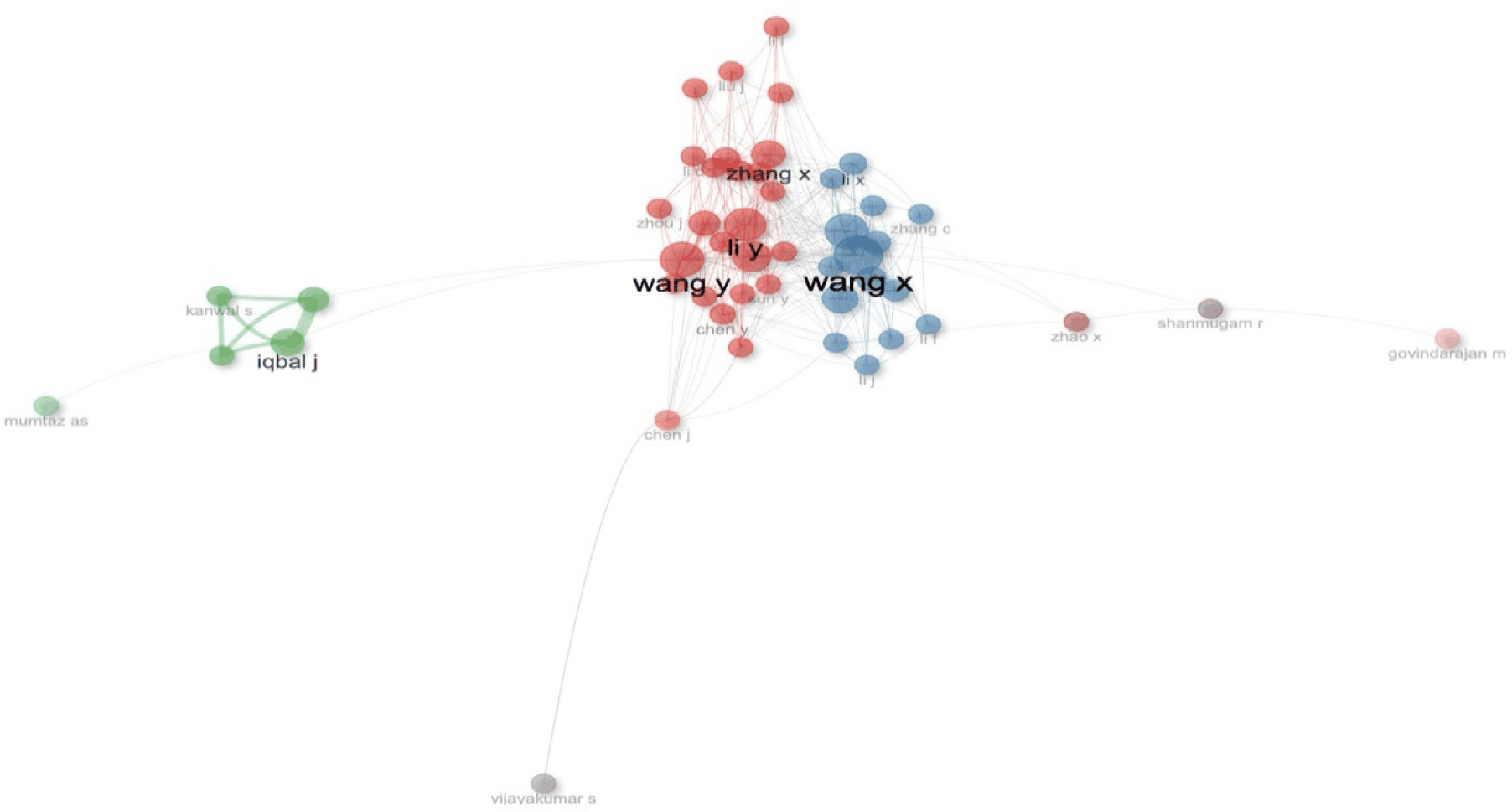
A map of collaboration networks between authors is shown in Fig. 5. Collaboration networks present publications made jointly by individuals or organizations, such as authors or journals, through social networks. The author × author proximity matrix, which is basically based on the frequency of joint publications, was used in the collaboration network when the author-based collaboration network was analyzed. Nine different groups were found to have developed when the network structure was studied. The authors are the nodes in these groups, and the frequency of collaboration is indicated by the thickness of the relationship between the authors. The expansion of the network nodes shows the author effect. Authors such as Wang X, Wang Y and Zhang Y occupy central position, highlighting their key roles in fostering scientific collaboration across research group. When the clusters in the figure are examined, the author named Wang Y stands out in the red cluster. The authors collaborating with Wang Y are Zhang X, Li Y, Sun Y, Chen Y, Zhou J, Li C, Liu J, and Li l. The author named Wang X in the blue cluster collaborates with Li J, Li F, Zhang C, and Li X. Then in the green cluster are Kanwal, Iqbal J and Mumtaz As. Zhao X in the brown cluster, Shanmugam R in the purple cluster and Govindarajan M in the pink cluster. While the separated cluster is the grey cluster, Vijayakumar S.
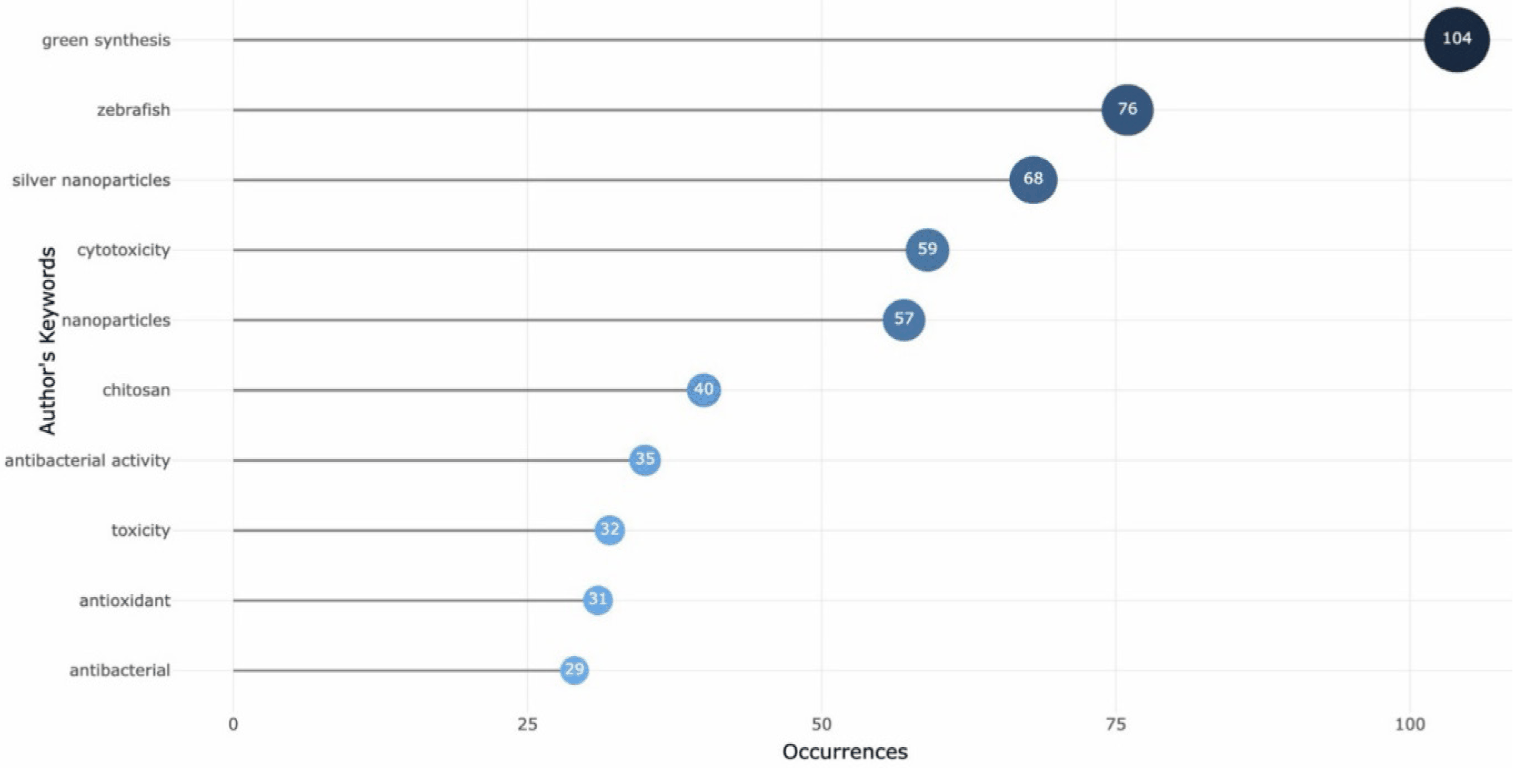
Based on the SCOPUS database, the most frequently occurring keywords in the indexed journals are presented in Fig. 6. The most dominant phrases in publications related to this topic are ‘green synthesis, “zebra fish”, and “silver nanoparticles’, with a frequency of use of 104, 76, 78 times, respectively. These phrases were followed by keywords such as ‘cytotoxicity (n = 59)’, ‘nanoparticles (n = 57)’, ‘chitosan (n = 40)’, and ‘antibacterial activity (n = 35)’. These keywords reflect the primary research focus on environmentally friendly approaches and the use of model organisms in aquaculture nanotechnology studies.
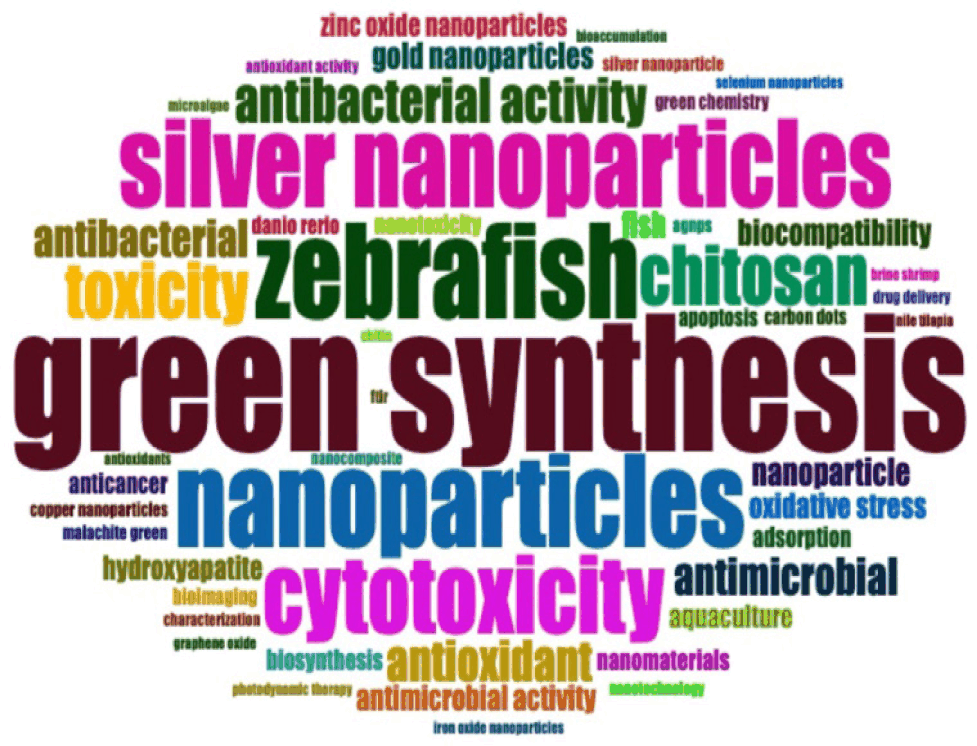
Based on the examination of the Word Cloud in Fig. 7, it was identified that the majority of keywords used were specific. The most dominant keyword is ‘green synthesis’, followed by ‘zebrafish’ as the second most frequent keyword. Furthermore, terms such as “nanoparticles”, “cytotoxicity”, “silver nanoparticles”, “chitosan” also occupy an important position in this analysis. These most prominent keywords reflect the core research focus on environmentally friendly approaches, nanoparticle applications, and the use of model organisms assess nanoparticles toxicity and efficacy in aquaculture.
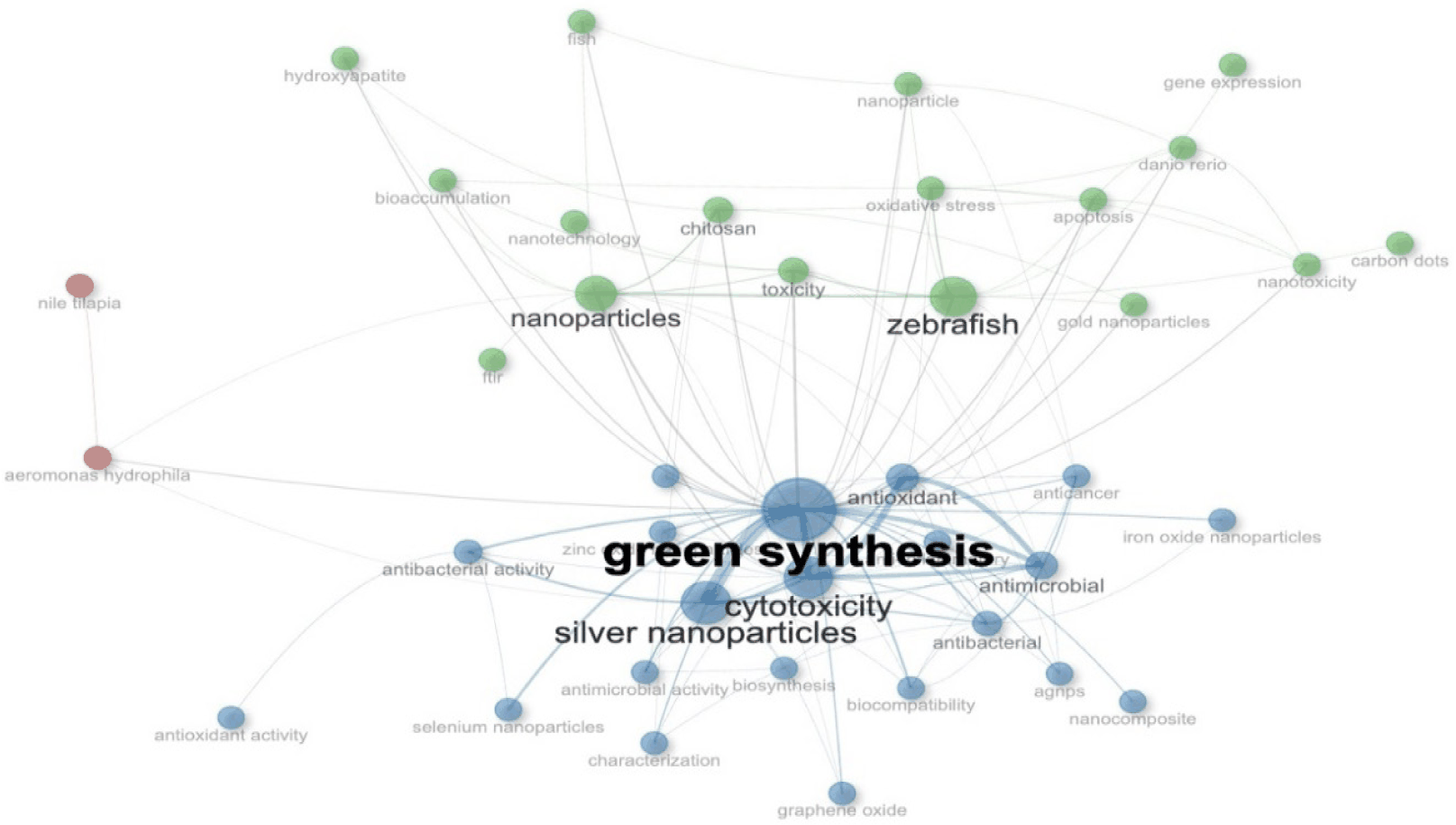
In the Fig. 8, a social network analysis of interrelated phrases has been carried out. Subjects with the same color show a strong relationship between each other, namely green, blue and red clusters. The phrases “green synthesis”, “nanoparticles”, “zebrafish”, and “silver nanoparticles” appear as the most dominat hubs in the network, indicating that environmentally friendly synthesis approaches and the use model organisms such as zebrafish are the main topics in the literature. Terms like cytotoxicity, chitosan, toxicity, and antioxidant reinforce the research focus on the toxicity, biocompatibility, and biological activity of nanoparticles. Thus, the results illustrate the structure and main direction of research, emphasizing the integration of green technology, biological efficacy, and the safety of nanoparticle applications in aquaculture.
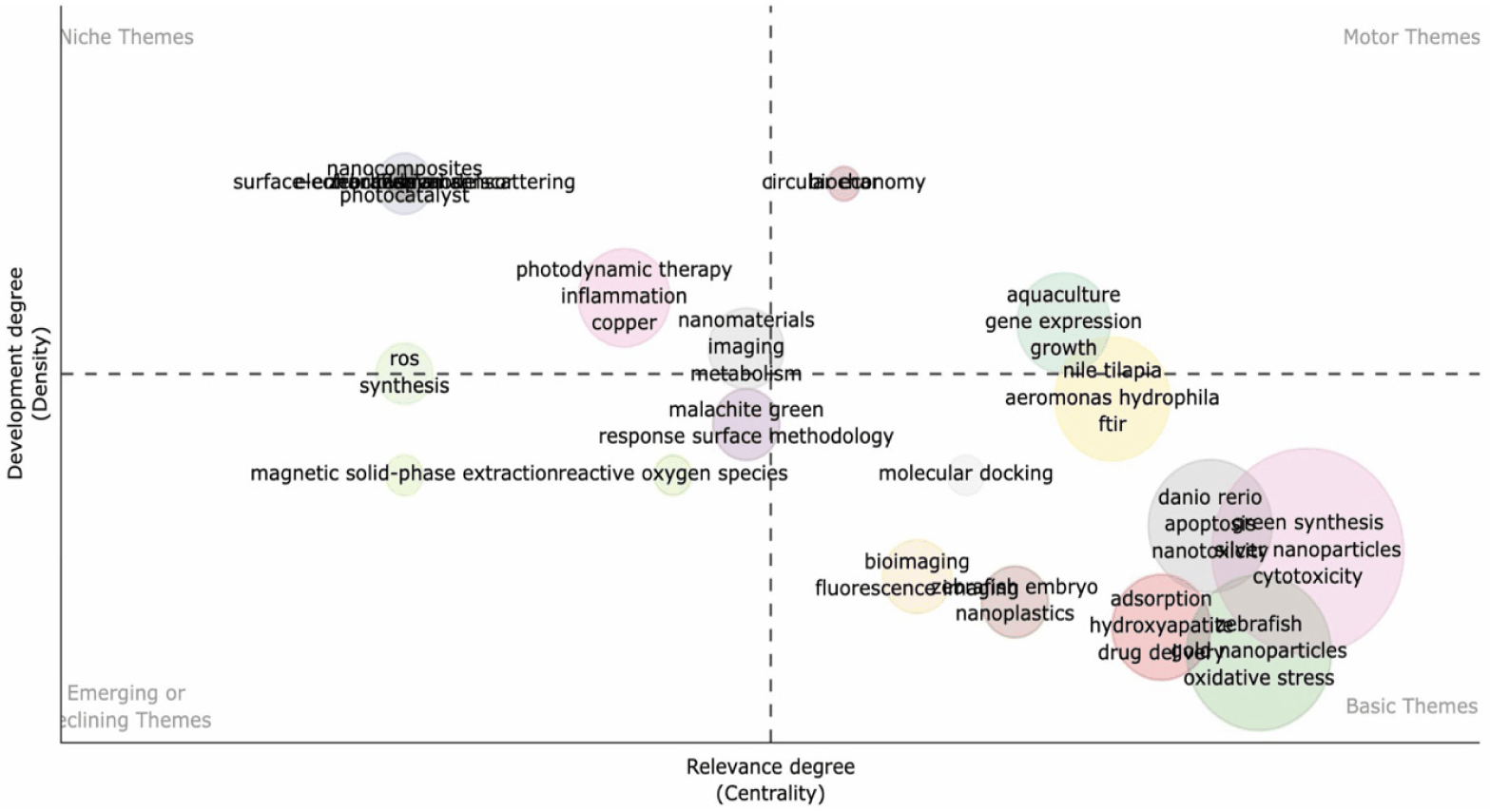
The figure shows a representation of topic density. The most researched topics are ‘green synthesis’, ‘silver nanoparticles’ and ‘cytotoxicity’. Based on the analysis, thematic maps can be developed to see the themes of research trends (Fig. 9). This strategic map illustrates research themes on nanoparticles in aquaculture based on their level of development (density) and relevance (centrality). Themes such as green synthesis, nanoparticles, cytotoxicity and zebrafish are located in the “basic theme” quadrant, indicating their role as core foundations of the field that are central yet still open for further development. Meanwhile, topics like aquaculture and gene expression fall into the “motor themes” quadrant, suggesting they are well-established and highly relevant. On the other hand, technical topics such as nanocomposites are classified as “niche themes”, while those in the lower-left quadrant remain exploratory or are declining. This map highlights that the main research direction is focused on green synthesis approaches and nanoparticles toxicity evaluation, with strong potential for advancing more applicable technologies in aquaculture.
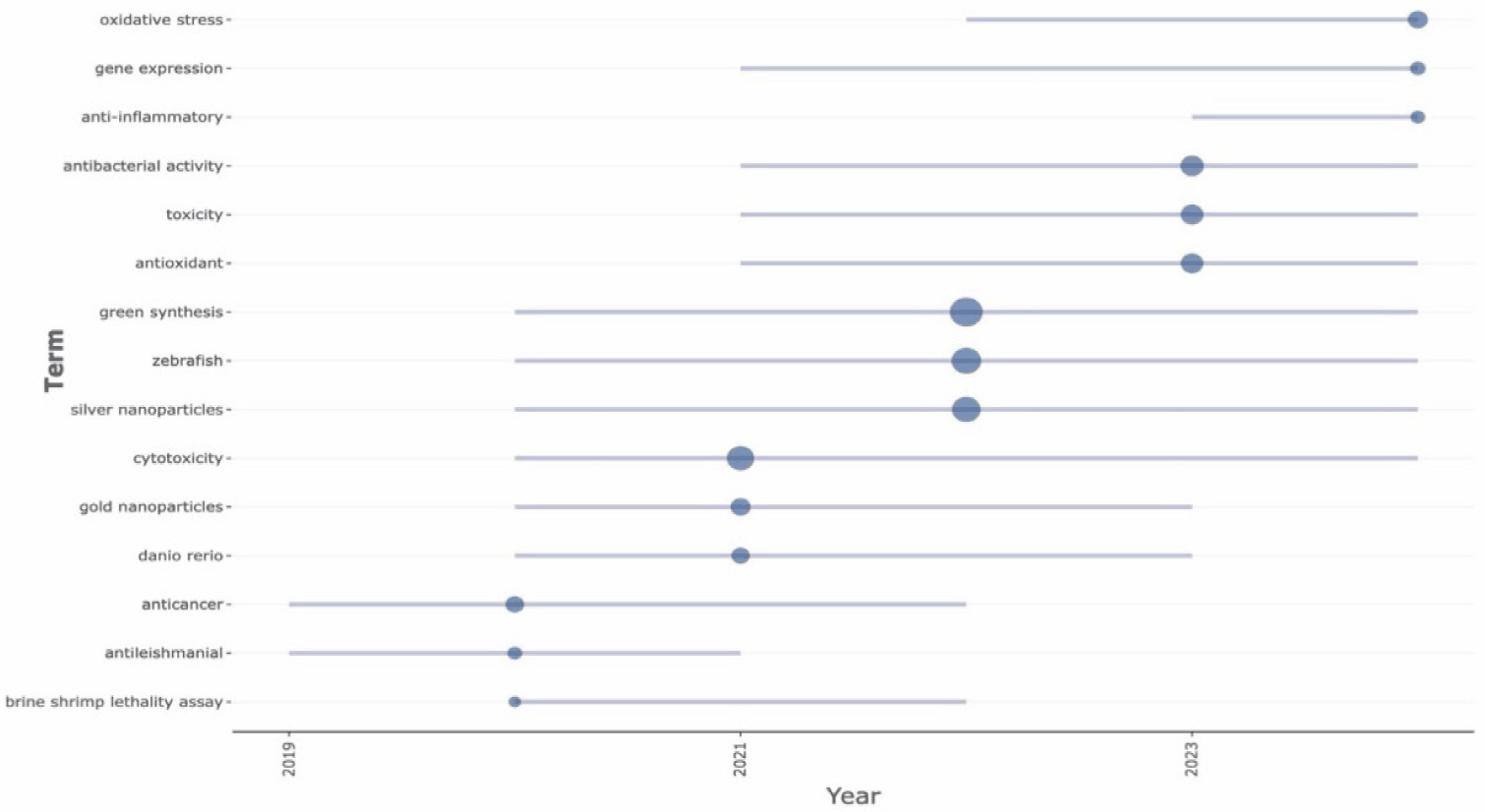
During the time span of 2019–2024, trends in research on the topic of nanoparticles in the field of aquaculture are shown. The results of the analysis in Fig. 10. That topics such as “green synthesis”, “zebrafish”, “silver nanoparticles”, and cytotoxicity” began gaining attention around 2020–2021 and have remained prominent through 2023–2024. Meanwhile, emerging topics like “oxidative stress”, “gene expression”, and “anti-inflammatory” have seen a sharp increase in recent years, particularly in 2023–2024, indicating a recent research focus on the biological and molecular effects of nanoparticles. This shift reflects a growing interest in moving from technical aspect toward evaluating the toxicity and biological efficacy of nanoparticles in aquaculture systems.
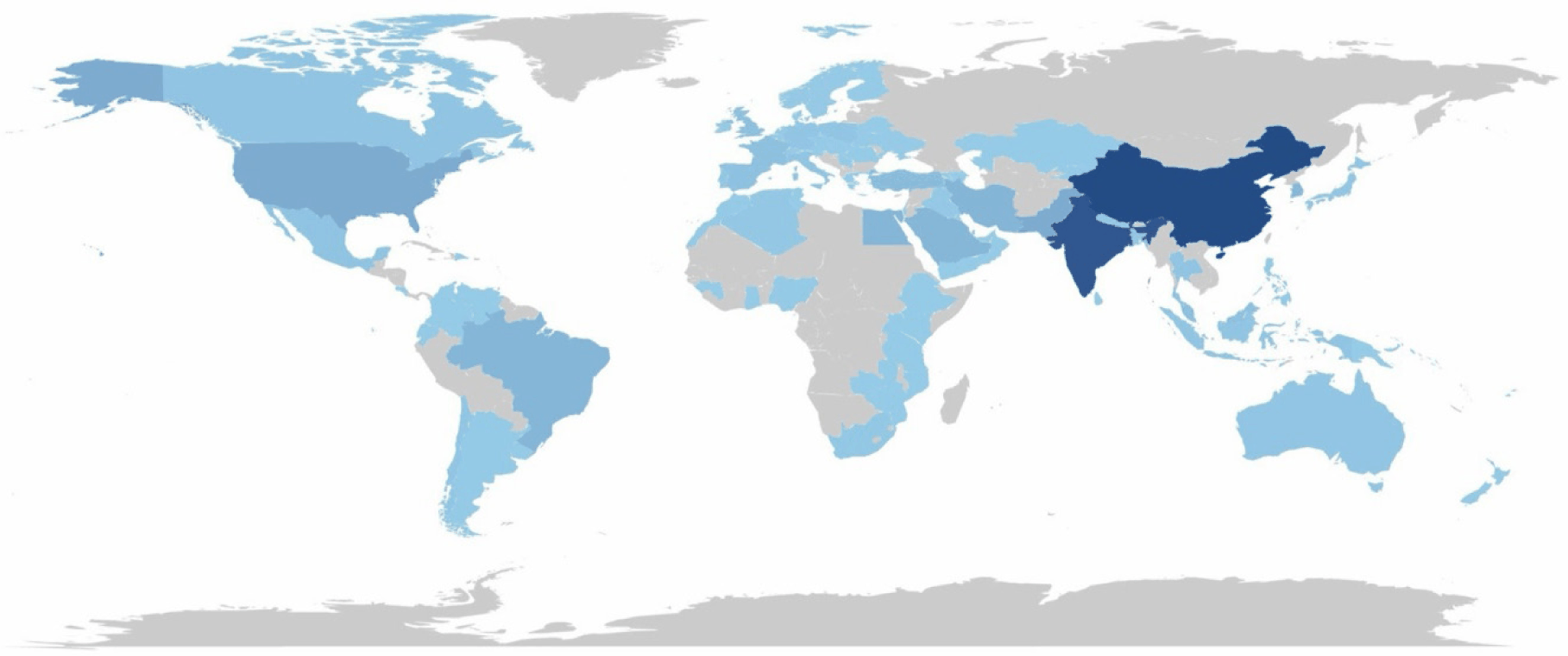
Country Scientific and Networks production analysis using Bibliometric to determine the number of article production and cooperation between countries with a time span of 2019–2024. The figure shows the intensity of the blue color on the map indicates the volume of publications, where the darker blue color is a high number of publications (Fig. 11). This map highlights the geographical concentration of research output, with Asia leading the global contribution in the application of nanotechnology for the aquaculture sector. The results of the analysis of the 10 ranking countries that produce the most articles are China with 885 articles, India with 799 articles, USA with 202 articles, Pakistan with 206 articles and Iran with 146 articles. Then the next rank is Egypt with 139 articles, Brazil with 136 articles, Saudi Arabia with 132 articles, Korea with 122 articles, and Turkey with 91 articles. Then the international collaboration that has been analyzed using Bibliometric obtained the 10 highest collaboration rankings with a time span of 2019–2024 (Table 2). The table illustrates the frequency of international scientific collaborations between countries in the field of nanotechnology for aquaculture. Publication counts by country are derived from author affiliation data indexed in SCOPUS. Because a single article may involve authors from multiple countries, the sum of country-level outputs exceeds the total number of analyzed documents. India emerges as a central hub, particularly through its strong research ties with Saudi Arabia (50 collaborations), Korea, and the USA. China also plays a significant role, collaborating notably with India, USA, and Pakistan, highlighting the growing global interconnectedness in advancing aquaculture nanotechnology research.
Discussion
This bibliometric analysis shows that research on nanoparticle-based immunostimulants in aquaculture has expanded rapidly over the period 2019–2024, with a particularly marked increase in publication output in 2024. The upward trend in annual scientific production (Fig. 2) reflects growing academic and practical interest in nanotechnology as a tool to address persistent challenges in aquaculture, especially disease management, immune enhancement, and sustainability. Comparable growth patterns have been observed in bibliometric studies of nanotechnology applications in vaccines and aquatic health, suggesting that this research area is entering a phase of consolidation and broader thematic development (Elhassan Taha et al., 2024; Vijayaram et al., 2023).
Analyses of keyword co-occurrence and thematic mapping (Figs. 7–11) indicate that the research landscape is structured around three closely connected thematic areas. The first is related to green and biogenic synthesis approaches, highlighting the strong emphasis on environmentally friendly nanoparticle production using algae, seaweed, and plant-derived materials. This focus is consistent with increasing attention to sustainable production methods and growing concerns about the environmental implications of conventional chemical synthesis routes (Massard & Awitor, 2022; Narsale et al., 2024). The frequent appearance of terms such as green synthesis and silver nanoparticles across multiple analyses confirms their central role in shaping current research directions.
A second prominent thematic area concerns toxicity, cytotoxicity, and safety assessment. Keywords such as cytotoxicity, oxidative stress, and zebrafish occupy central positions in the co-word network and thematic evolution maps (Figs. 9–11). The widespread use of zebrafish as a model organism reflects its suitability for evaluating nanoparticle biocompatibility and sublethal biological effects, particularly during early-stage safety screening (Iskuzhina et al., 2024; Wypij et al., 2021). The strong bibliometric signal associated with toxicity-related terms suggests that safety considerations have become an integral component of nanoparticle research in aquaculture, rather than an auxiliary concern. This pattern aligns with increasing regulatory expectations and the need for robust evidence on environmental and biological risks prior to practical application (Nguyen et al., 2024b; Okeke et al., 2022).
The third thematic area identified in this analysis relates to immune-oriented and functional applications, including immunostimulation, disease resistance, and the use of nanoparticles in vaccine or feed-based delivery systems. Thematic evolution results indicate that topics such as immune response, gene expression, and anti-inflammatory processes have gained greater prominence after 2022 (Fig. 11). This shift suggests a gradual movement away from studies focused primarily on material synthesis toward research that evaluates biological performance and functional outcomes in aquaculture species. Such a transition reflects the maturation of the field, as nanoparticles are increasingly assessed for their practical contributions to fish health and disease prevention (Dawood et al., 2021; Ponce & González, 2024).
Geographically, research output is strongly concentrated in Asia, with China and India emerging as the leading contributors (Fig. 12). This dominance likely reflects the large scale of aquaculture production in these countries, combined with substantial national investments in nanotechnology research and the presence of interdisciplinary research networks linking materials science, biology, and environmental sciences (Jangid et al., 2024; Sarkar et al., 2021). Although international collaboration is evident, the observed networks remain largely regional, indicating opportunities for broader cross-regional cooperation and more globally harmonized research efforts in the future. The distribution of publications across journals spanning aquaculture, environmental science, and materials science (Fig. 3) further highlights the interdisciplinary character of nanoparticle-based immunostimulant research. At the same time, average citation values remain relatively low, which should be interpreted cautiously given that a large proportion of the analyzed literature was published in recent years, particularly after 2022. Similar citation-lag effects have been documented in other rapidly expanding research fields (Santos et al., 2023).
It is also important to clarify the interpretative boundaries of this study. While mechanistic, toxicological, and molecular aspects of nanoparticles are widely discussed in the broader literature, the conclusions presented here are derived strictly from bibliometric evidence. References to immune pathways, toxicity mechanisms, or biological effects are therefore intended to provide contextual background, rather than to represent direct inferences from the bibliometric dataset. Maintaining this distinction is essential to preserve methodological rigor and avoid overinterpretation of bibliometric results.
Overall, the patterns revealed by this analysis indicate that research on nanoparticle-based immunostimulants in aquaculture is evolving from an exploratory phase toward more application-oriented, safety-conscious, and biologically focused investigations. The convergence of green synthesis, toxicity assessment, and immune-related applications suggests a maturing research field with increasing relevance to sustainable aquaculture practices. Future research is likely to place greater emphasis on standardized safety evaluation, field-scale validation, and regulatory alignment, which will be critical for translating laboratory-based advances into responsible and scalable applications in aquaculture systems (Nguyen et al., 2024b; Okeke et al., 2022).
Conclusion
This bibliometric analysis shows that research on nanoparticle-based immunostimulants in aquaculture has grown steadily between 2019 and 2024, reflecting increasing interest in the use of nanotechnology to improve fish and shrimp health in more sustainable ways. The literature is mainly shaped around three interconnected themes, namely green and biogenic synthesis methods, toxicity and safety evaluation, and immune-related functional applications. Research activity is largely concentrated in Asia, especially in China and India, which mirrors the scale of aquaculture production and research investment in these regions. Overall, the observed trends indicate a shift from early, material-focused studies toward more application-oriented and safety-aware research. These findings provide a useful bibliometric foundation for identifying future research directions, encouraging broader collaboration, and supporting the responsible adoption of nanoparticle-based approaches in aquaculture health management.